


Mahogany Sofa Table Drawer
A mahogany sofa table drawer is a versatile centrepiece offering drop leaves and concealed storage, prized for both formal rooms and daily living.
Mahogany Sofa Table Drawer
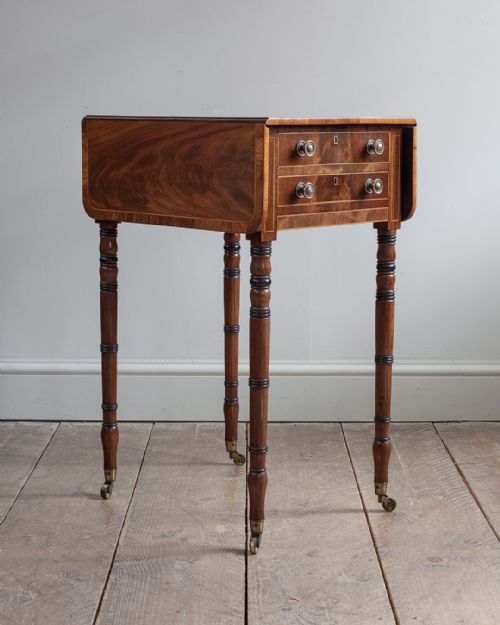
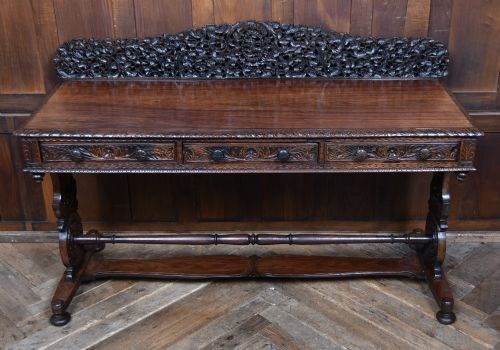
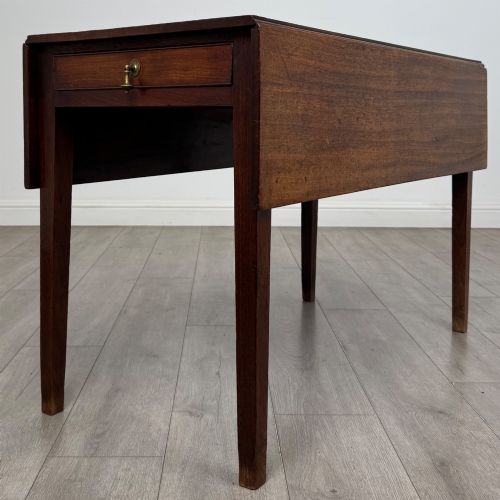
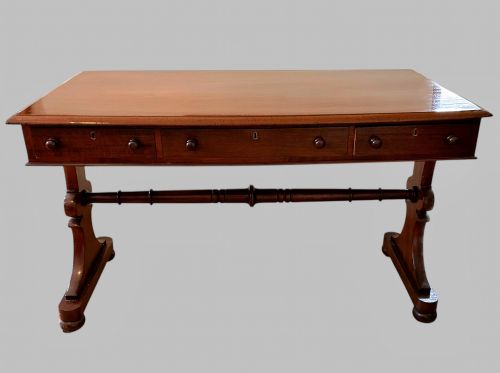
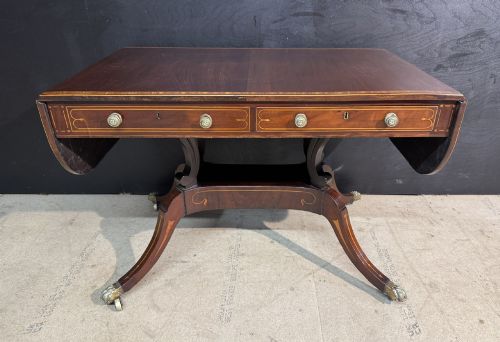
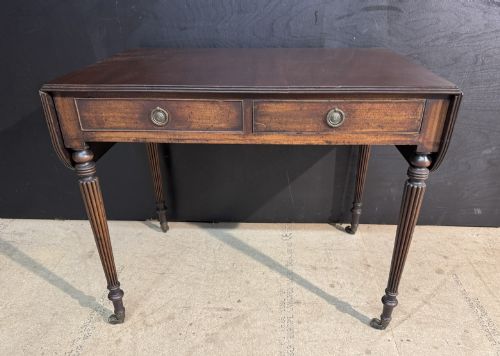
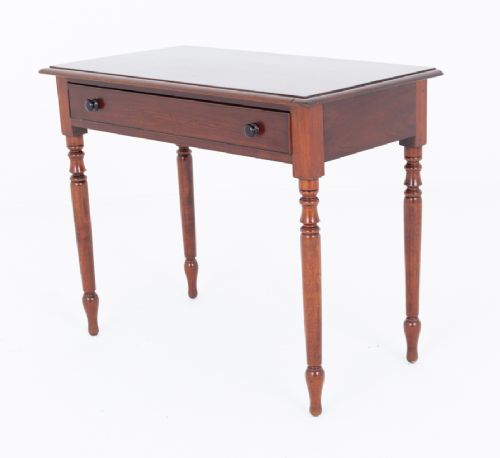
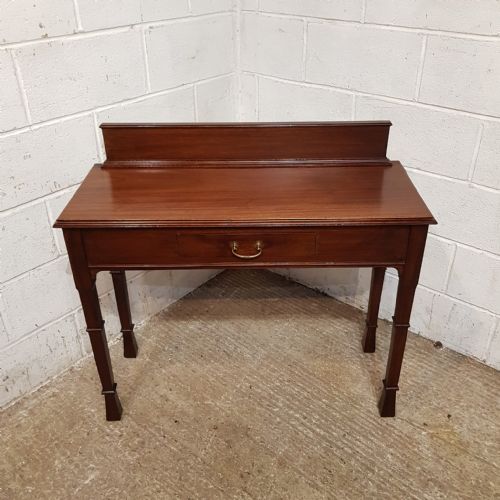
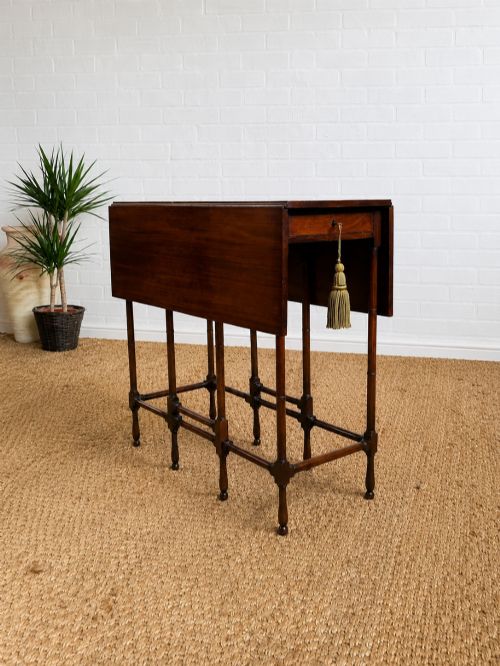
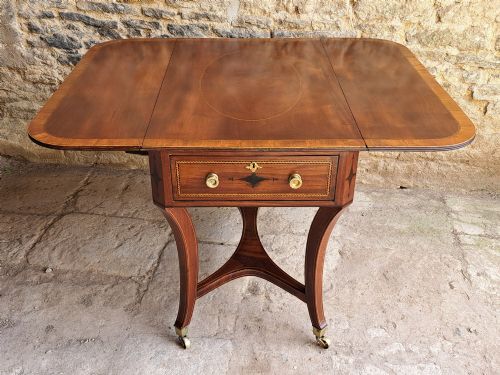
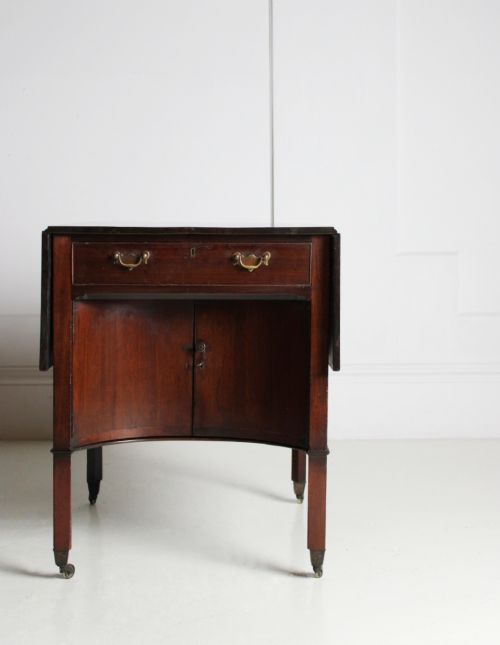
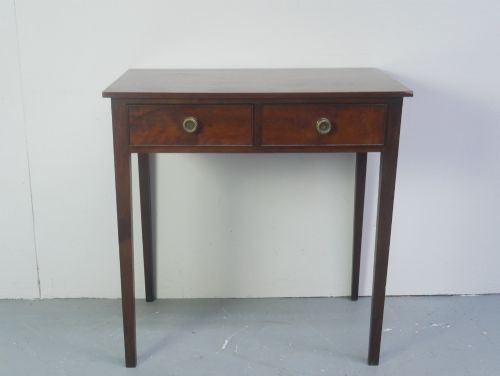
A mahogany sofa table drawer brings together drop-leaf mobility and practical storage, originating in periods such as the Georgian, Regency, and Victorian eras. These versatile items appear in various guises across the inventory, including side tables, writing desks, work tables, and library tables.
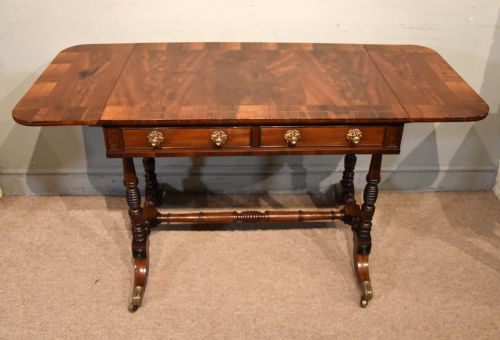
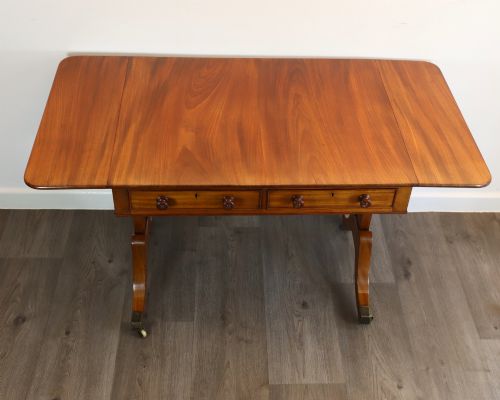
The version most commonly encountered on this page combines rich timber grain with functioning single or twin drawers, often supported by twin end pillars or splay legs. Makers adapted the form throughout the nineteenth and early twentieth centuries, producing pieces influenced by Edwardian refinement and Empire revival styles.
Materials and construction
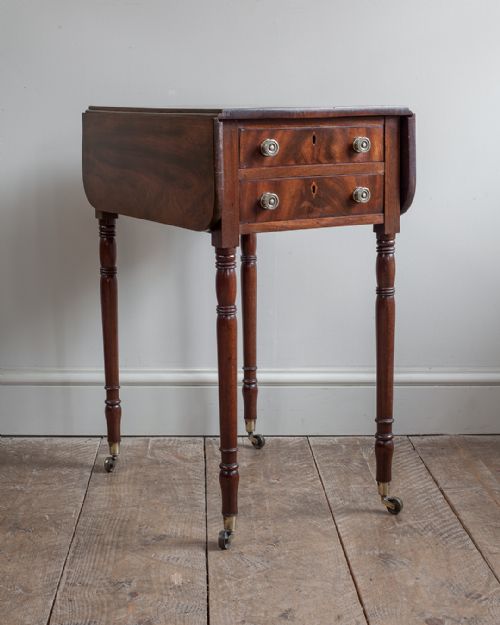
Craftsmen built these tables using solid mahogany and figured veneers, frequently accentuating the primary wood with contrasting boxwood, satinwood, or wood inlay. The warm timber tones are paired with functional hardware, notably brass castors, handles, and key escutcheons.
Structural integrity relied on traditional joinery methods, supporting drop leaves with fly brackets or hinged supports while incorporating smooth-running dovetailed drawers. Secondary details such as ring-turned legs, reeded framing, and occasional leather writing inserts complete the fabrication.
Mahogany Sofa Table Drawer Retail Price Guide 2026
Typical asking prices for mahogany sofa table drawer among the pieces listed under this phrase on Sellingantiques today, from the lower quarter to the upper quarter. They describe what is for sale here now, not the wider market.
Distinctions in quality
The upper tier of these pieces reveals itself through the selection of timber, where flame mahogany veneer or crisp marquetry demonstrates superior cabinet-making ambition. Finer examples display meticulous grain continuity across the drawer fronts and drop leaves, reflecting deliberate material planning.
Construction precision further separates standard items from exceptional work, seen in the clean execution of turned supports, tight joinery, and heavy brass fittings. Proportion and stability dictate the final standing, as superior pieces maintain a balanced stance whether their leaves are raised or lowered.
Andrew Thomson & Sons
The Mahogany Sofa Table Drawer Glossary
- Sofa table
- A rectangular occasional table designed to stand in front of a sofa, typically featuring drop leaves on either end and one or two drawers. These tables were originally manufactured during the late eighteenth and early nineteenth centuries.
- Pembroke table
- A small form of table with hinged drop leaves on the long sides, usually fitted with a single drawer. The design dates back to the mid-eighteenth century and saw widespread production through the Victorian period.
- Flame mahogany
- A highly figured wood veneer displaying characteristic flickering flame patterns caused by cutting across the branch junctions of the tree. Cabinet-makers reserved this decorative material for prominent surfaces like drawer fronts and table tops.
- Splay legs
- Outward-curving support legs that provide enhanced stability to freestanding furniture. This configuration is particularly common on Regency and Georgian sofa tables.
- Crossbanding
- A decorative border of veneer laid around the perimeter of a table top or drawer front with the grain running perpendicular to the centre panel. It frames the primary wood to create a refined visual contrast.
Mahogany Sofa Table Drawer: Frequently Asked Questions
What is a sofa table used for?
These tables served primarily as flexible surfaces in principal rooms, functioning as writing desks, card tables, or serving ledges.
With drop leaves down, they occupy minimal floor space against a wall, expanding readily when extra surface area is required.
How do I date a mahogany table?
Dating relies on observing structural characteristics, timber selection, and hardware styles associated with periods from the Georgian era to the Edwardian epoch.
Hand-cut dovetails, secondary woods, and leg turnings offer reliable clues to the exact decade of manufacture.
Where should I place a drop leaf table?
They suit narrow hallways, behind sofas, or as freestanding lamp and occasional tables in sitting rooms.
Dropping one or both leaves allows the furniture to adapt comfortably to compact spaces without sacrificing surface utility.
Are these tables sturdy enough for daily use?
Solid mahogany construction and traditional joinery ensure these pieces remain robust for everyday practical tasks.
Careful handling of the drop leaf hinges and avoiding excessive weight on extended flaps will preserve their structural integrity.