

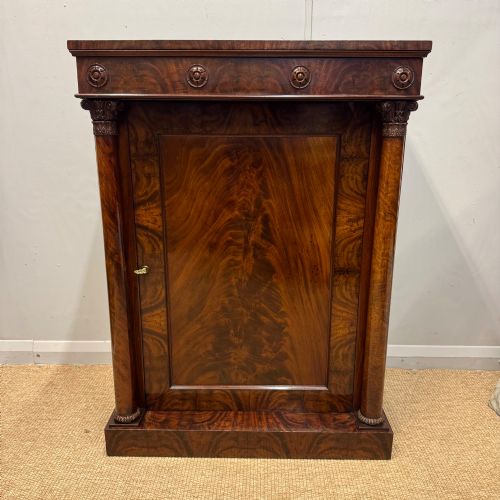
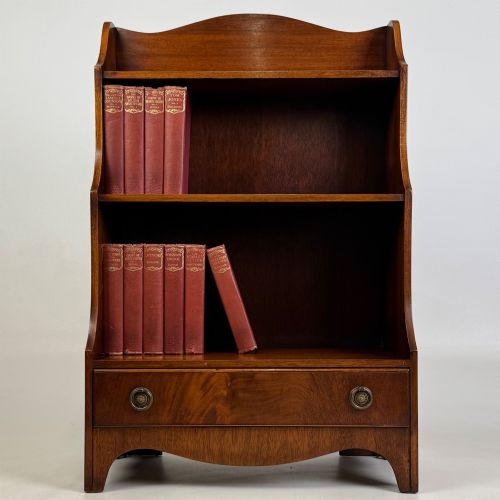

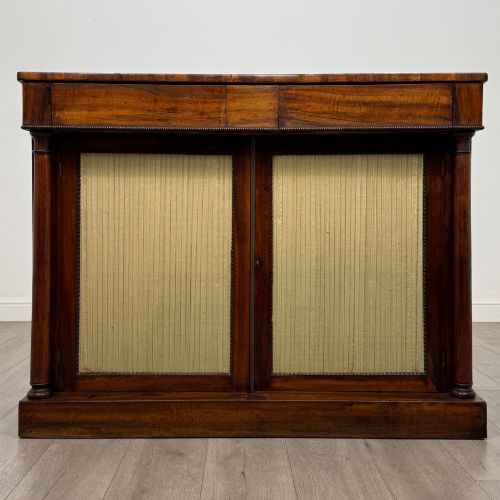
Mahogany Side Bookcase
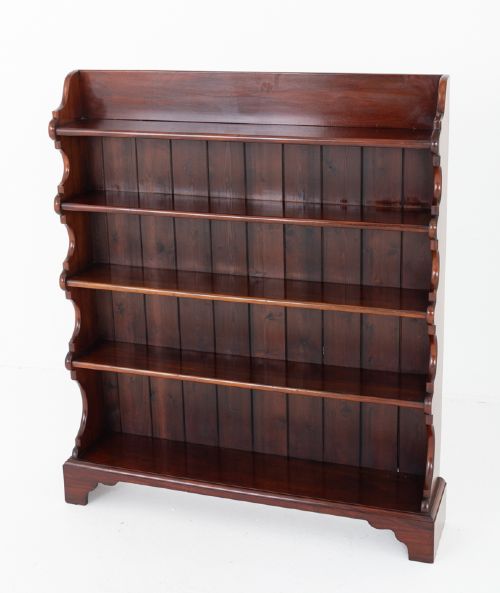
Mahogany side bookcase designs span multiple periods, offering practical shelved storage alongside surface display.
Mahogany Side Bookcase
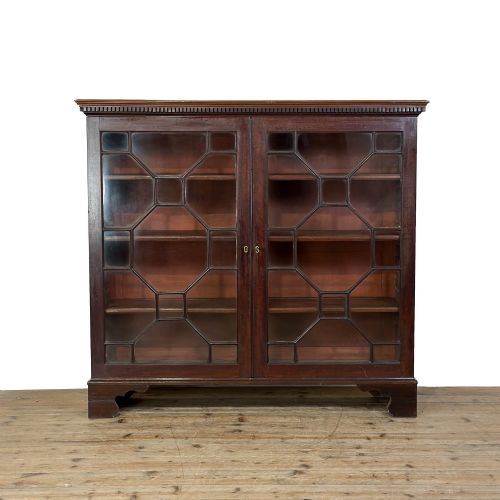
A mahogany side bookcase brings together traditional timber construction and adaptable domestic shelving, often combining cupboard storage with open or glazed compartments. These pieces emerge across Georgian, Regency, Victorian, and Edwardian eras, reflecting shifts in domestic utility and interior decoration.
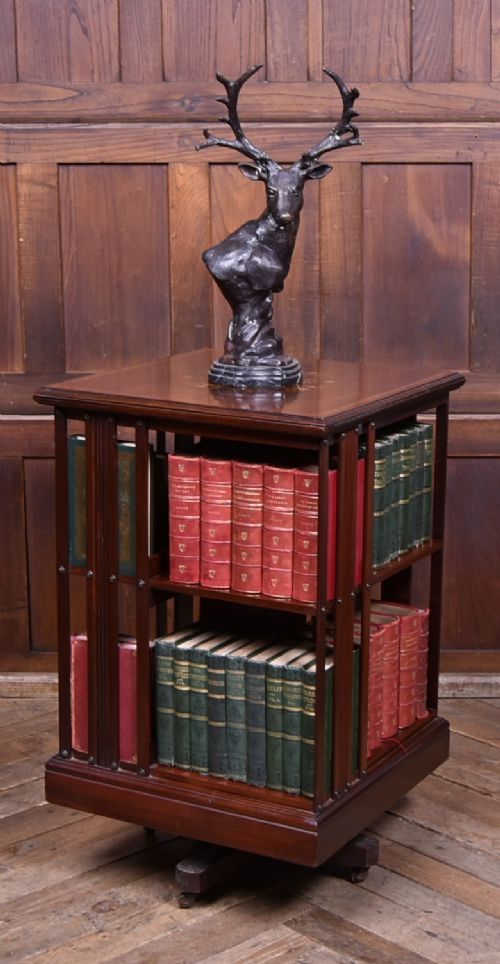
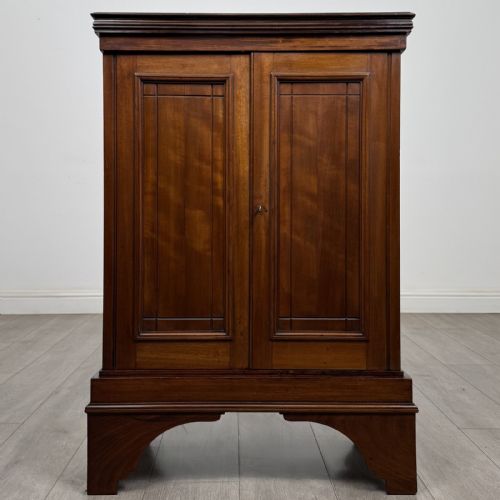
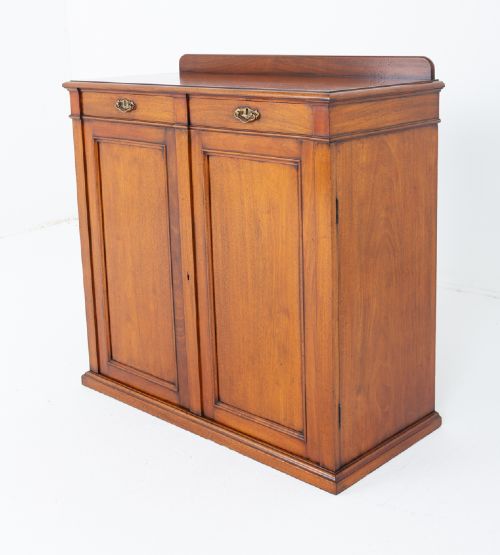
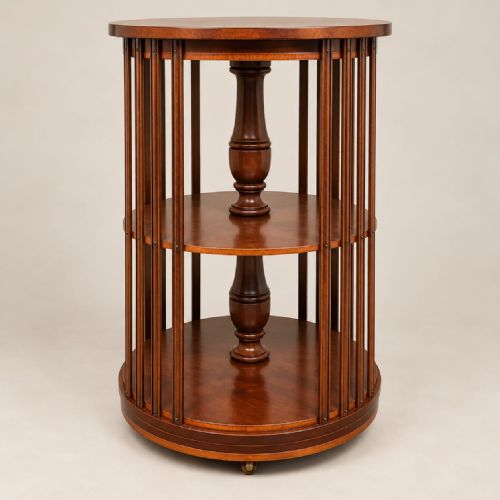
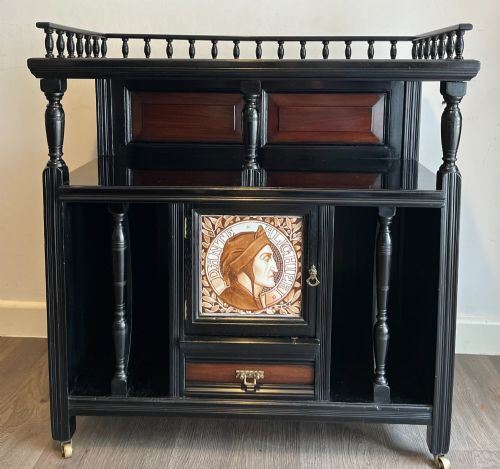
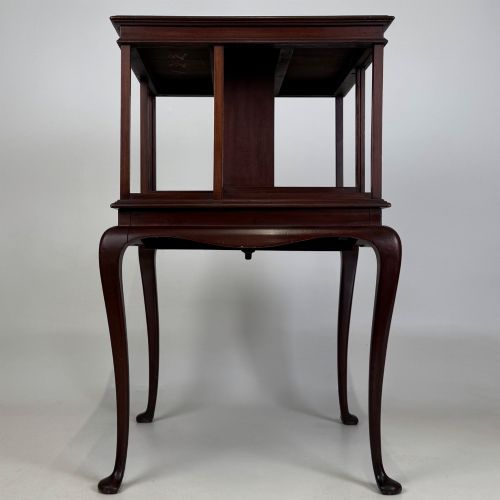
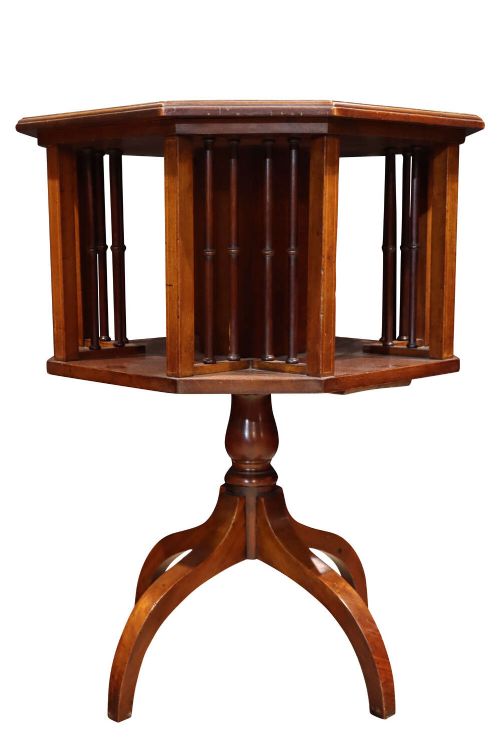
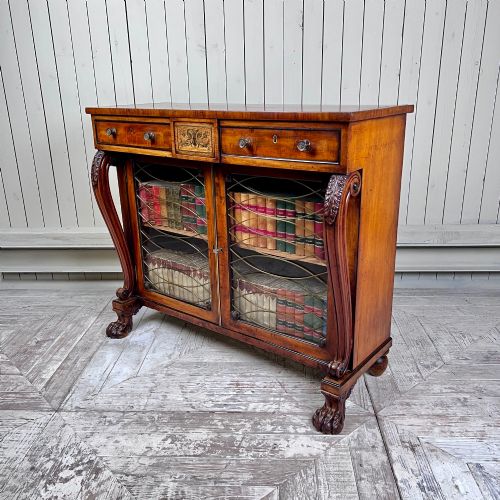
The selections here frequently take the form of side cabinets, chiffoniers, and revolving bookcases. Makers adapted the core mahogany frame to suit changing room layouts, resulting in low profiles designed to sit against a wall or rotate for accessible book storage.
Originating largely from nineteenth and early twentieth-century workshops, these cabinets demonstrate how functional storage evolved into decorative furniture. Pieces range from straightforward glazed units to inlaid revolving designs incorporating glass, brass, and marble elements.
Quality and craftsmanship
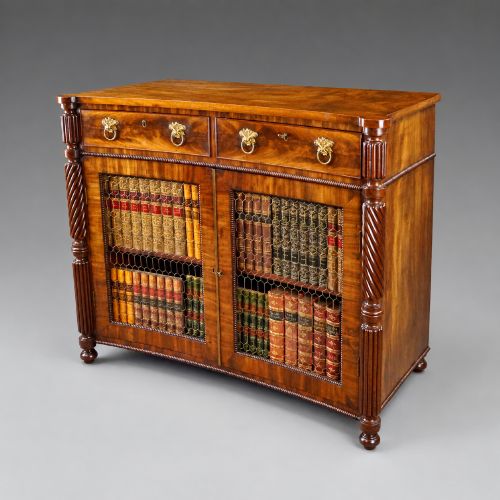
The grade of a piece rests on the selection of timber, particularly the choice between standard mahogany and highly figured flame mahogany veneers. Superior examples display precise grain matching across doors and panels rather than random timber application.
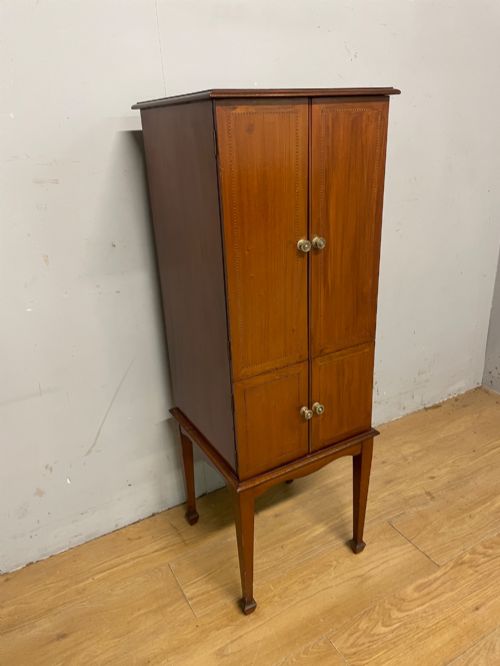
Refinement in secondary details separates standard production from finer cabinet work. Clean joinery in adjustable shelving tracks, crisp execution of satinwood inlay, and the integration of substantial brass grilles or ormolu mounts indicate higher workshop standards.
Mahogany Side Bookcase Retail Price Guide 2026
Typical asking prices for mahogany side bookcase among the pieces listed under this phrase on Sellingantiques today, from the lower quarter to the upper quarter. They describe what is for sale here now, not the wider market.
Listings feature mahogany, satinwood, brass, glass, marble, and ormolu across pieces dating from the Georgian period to the 1920s.
Gillows·Maple & Co·Collinson & Lock
The Mahogany Side Bookcase Glossary
- Chiffonier
- A low sideboard or cabinet, typically featuring a shelf or superstructure above enclosed lower cupboards. These pieces became common during the Regency period.
- Flame mahogany
- A veneer cut from the fork of the mahogany tree where the branch joins the trunk. It creates a distinctive, fiery ripple pattern across the wood surface.
- Breakfront
- A cabinet design where the central section projects forward from the flanking wings. This layout breaks up the flat line of a long wall piece.
- Ormolu
- Gilded bronze applied as a decorative mount onto furniture frames. It appears frequently on high-status nineteenth-century pieces.
- Pier cabinet
- A low cabinet designed to fit into the wall space between windows. These often incorporated glazed doors for the display of books or porcelain.
Mahogany Side Bookcase: Frequently Asked Questions
What periods do these bookcases cover?
The pieces span from the Georgian and Regency eras through the Victorian period into Edwardian designs and the early twentieth century.
Craftsmanship and timber treatments evolved across these decades, shifting from architectural George III proportions to lighter inlaid Edwardian revolving forms.
How were side bookcases used?
They served as functional furniture for storing and displaying volumes in parlours, libraries, and drawing rooms.
Enclosed lower cupboards kept reference materials tidy, while upper shelves or glass doors allowed popular reading matter to remain visible and accessible.
Are the shelves adjustable?
Many examples feature adjustable shelving to accommodate books of varying heights within the cabinet or bookcase carcase.
Early nineteenth-century pieces often utilise wooden support strips or brass rack systems to allow flexible shelf placement.
How do I identify a revolving bookcase?
A revolving bookcase is constructed around a central pivot mechanism that allows the entire tiered structure to turn freely.
These compact Edwardian and Victorian units were designed to sit beside armchairs or desks for immediate access to small libraries.