



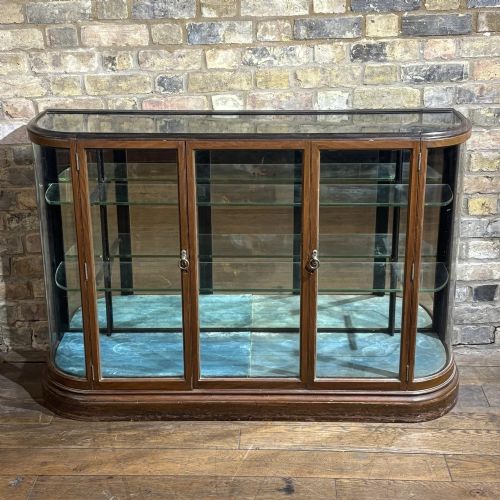


Mahogany Shop Display
Mahogany shop display pieces are utilitarian counters, cabinets and vitrines that bring period retail presence into domestic and commercial interiors.
Mahogany Shop Display
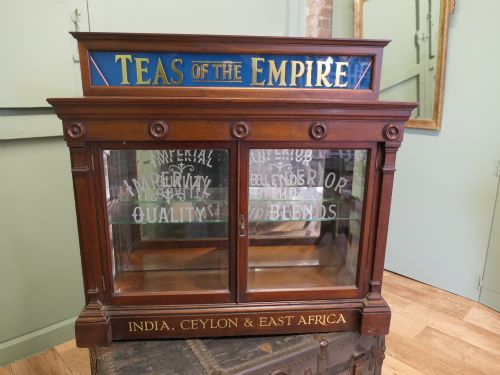
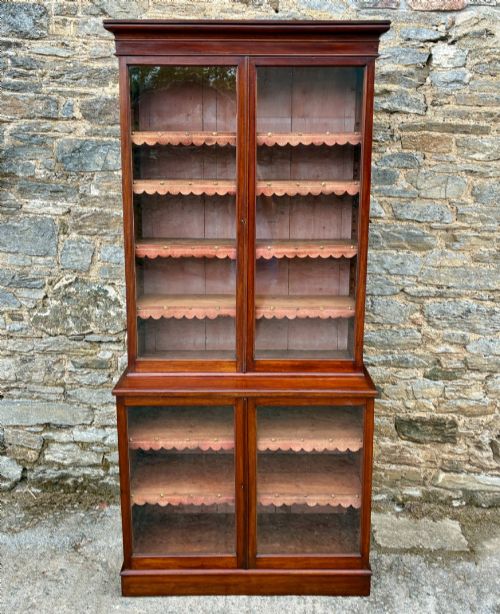
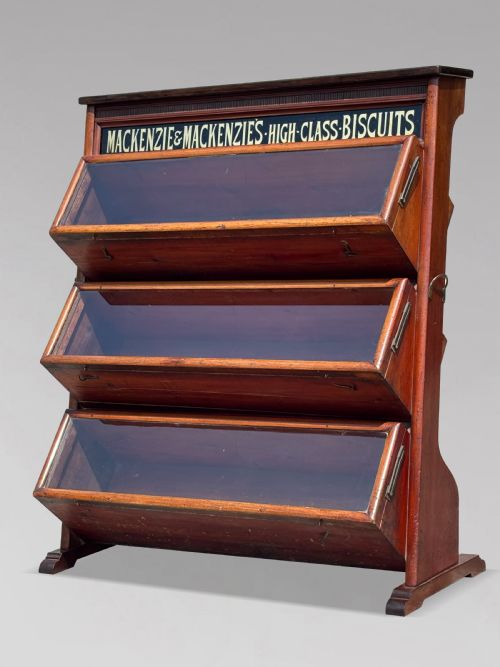
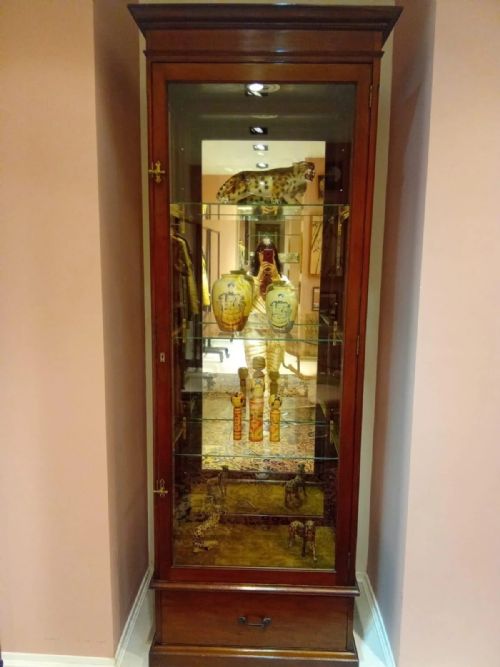
A mahogany shop display encompasses glazed countertop cases, large standing vitrines, multi-tiered haberdashery units, and specialised counters designed for commercial merchants.
The pieces on this page span the Victorian era, the Edwardian period, and the 1920s, reflecting the functional needs of grocers, drapers, chemists, and stationers.
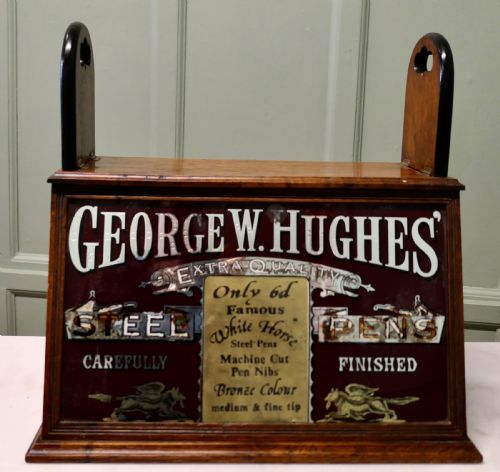
Countertop variants and large shop counters dominate the selection, offering practical display surfaces with glazed protection for goods and small curiosities.
Materials and Construction
Makers utilised solid and veneered mahogany timber combined with transparent glass panels and mirrors to maximise interior light and visibility.
Brass hardware, gold leaf lettering, and fabric linings appear across specific commercial pieces, while adjustable glass shelving provides adaptable interior arrangements.
Mahogany Shop Display Retail Price Guide 2026
Typical asking prices for mahogany shop display among the pieces listed under this phrase on Sellingantiques today, from the lower quarter to the upper quarter. They describe what is for sale here now, not the wider market.
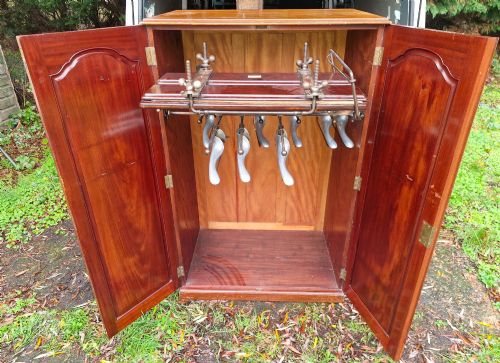
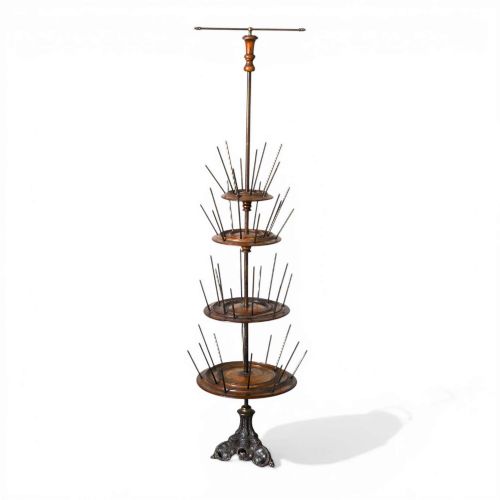
The inventory includes specialised trade items such as cotton reel display trees and mechanical dispensing cabinets.
Distinctions in Execution
Superior examples display finer timber selection, more complex joinery such as bow ends or pentagonal shapes, and integrated manufacturer signatures or original hand sign-writing.
The presence of original bevelled glass, working brass locks, mirrored backs, and intact internal fittings separates standard commercial joinery from exceptional workshop production.
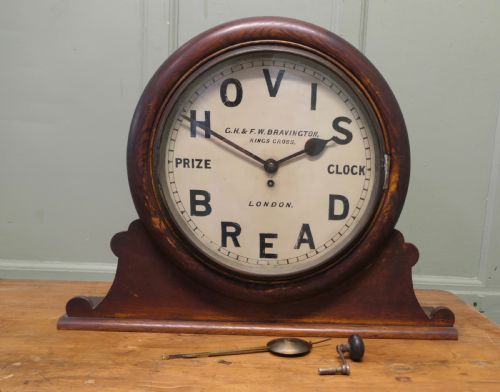
F. Sage & Co.·John Stow Ltd of Bradford·G.H.& F.W. Bravington London
The Mahogany Shop Display Glossary
- Vitrine
- A glass display case used for exhibiting objects, typically featuring glazed sides and doors. These protect merchandise or collections from dust while allowing full visibility.
- Haberdashery cabinet
- A specialised storage and display unit traditionally used for sewing notions, cottons, and small textiles. They frequently incorporate multiple shallow drawers with glass fronts.
- Shop counter
- A substantial retail furnishing with a flat top for serving customers and a glazed or shelved rear and front for displaying stock. They form the central workstation of period commercial interiors.
- Counter top cabinet
- A smaller glazed display case designed to sit directly upon a retail counter to showcase impulse purchases. They bring products directly to eye level for the customer.
Mahogany Shop Display: Frequently Asked Questions
What were mahogany shop display cabinets used for originally?
Merchants utilised these glazed cases and counters to present high-value or delicate goods safely to customers. Items such as chocolates, stationery, tobacco, and sewing cottons sat inside to encourage retail purchases.
The glass protected stock from dust and handling while keeping products visible across the shop floor. Many incorporated specialised fittings like tiered shelves or mechanical dispensing mechanisms tailored to specific commercial trades.
How do I date a mahogany display case?
Dating relies on architectural styles, construction techniques, and any associated maker marks or retail signage. Victorian examples often display heavier mouldings and richer timber tones, whereas 1920s pieces lean towards cleaner commercial lines.
Hardware details like brass hinges and lock types also offer chronological clues. Original painted trade lettering or manufacturer labels provide the most precise indication of origin and period.
Can I use a shop display counter in a modern home?
These counters integrate well into contemporary interiors as kitchen islands, sideboards, or display surfaces for personal collections. Their practical storage and glass protection make them suitable for modern living spaces.
Placing them in a hallway, dining room, or study introduces period character and functional surface area. The glazed compartments offer secure display space for ceramics, books, or curiosities.
How should I clean and care for antique mahogany?
Maintenance requires soft dusting cloths and avoidance of modern silicone sprays that damage historic timber finishes. Waxing periodically preserves the natural lustre of the mahogany surface without building up residue.
Glass panels require standard glass cleaner applied to a cloth rather than sprayed directly, preventing moisture seepage into old wooden joints. Keeping pieces away from direct heat sources prevents the timber from splitting.