
Mahogany Shelving Cabinet
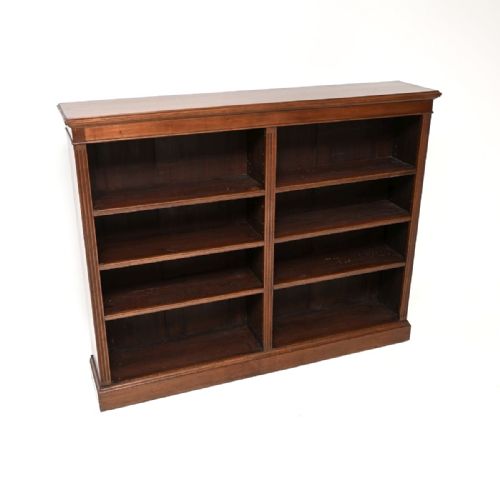
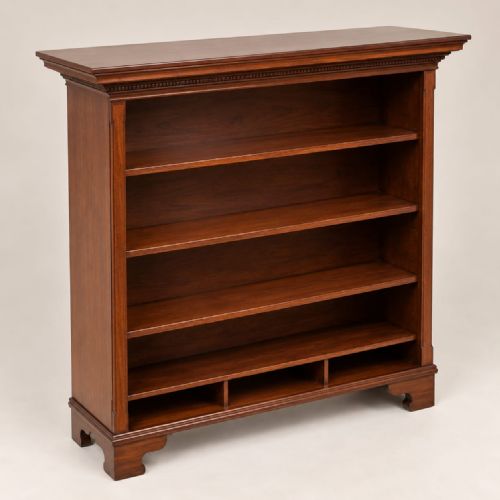
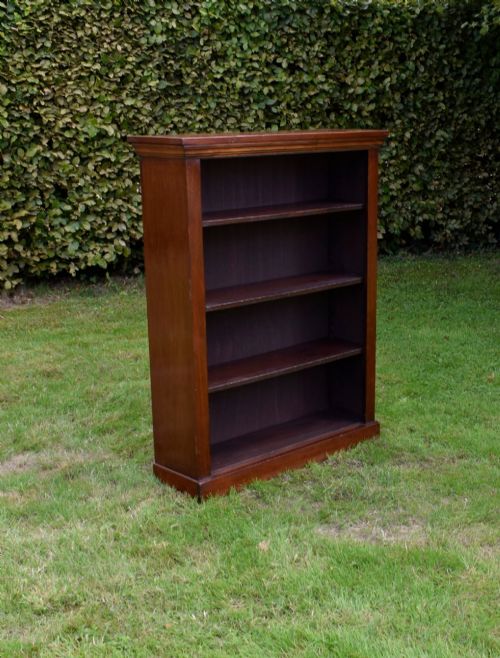
These mahogany shelving cabinet pieces bring practical storage and rich timber warmth to a room, spanning periods from Regency to Edwardian.
Mahogany Shelving Cabinet
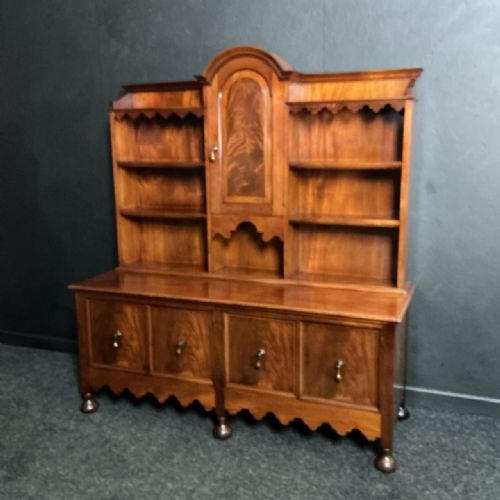
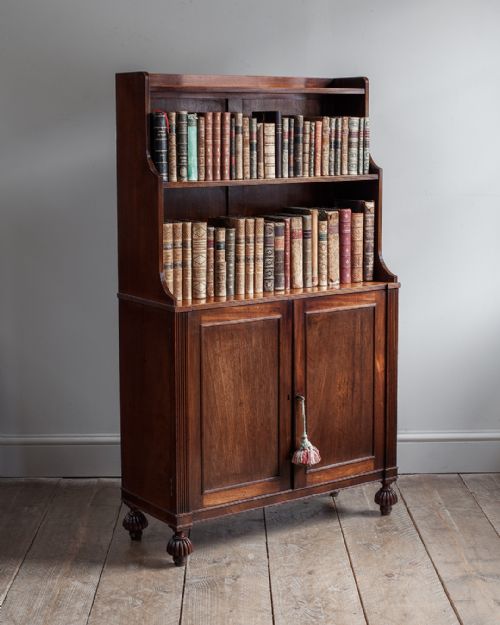
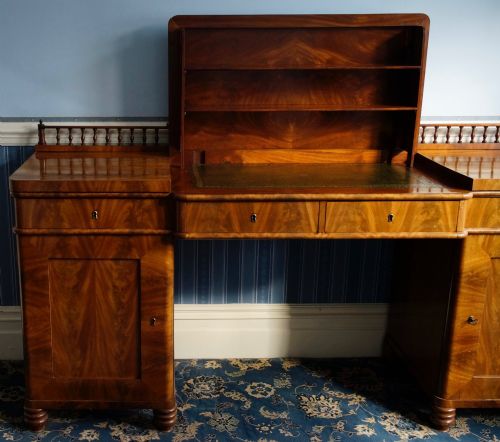
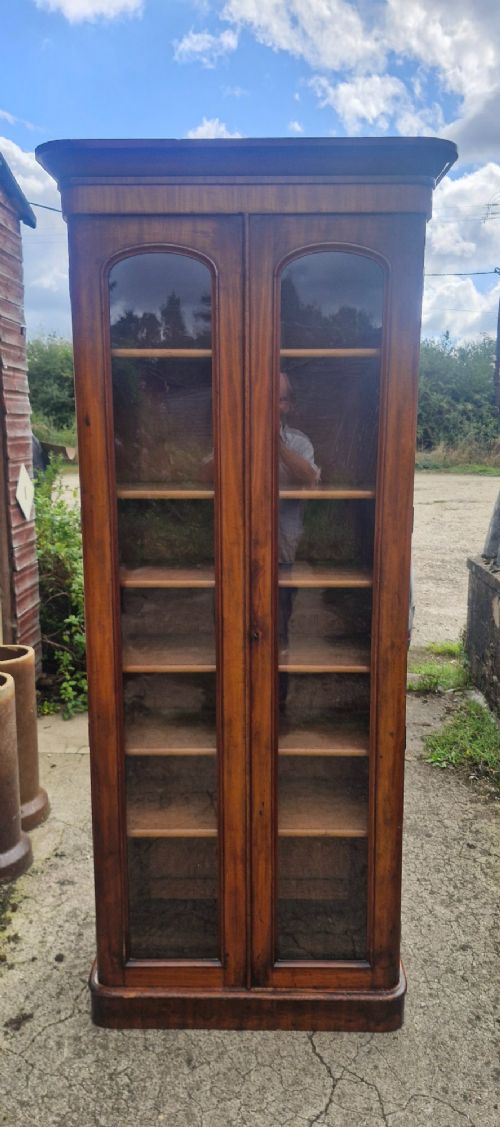
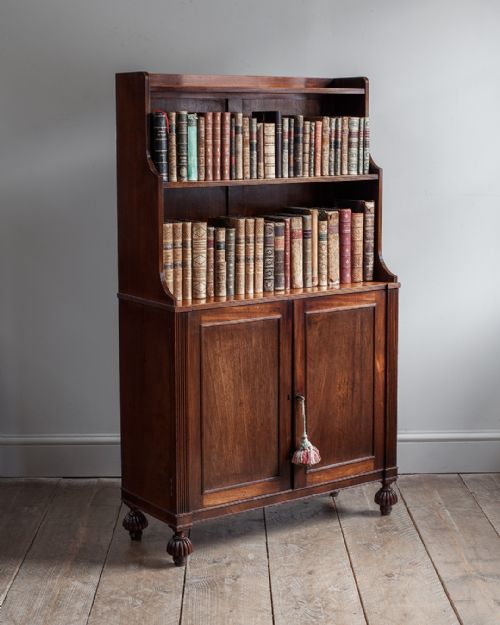
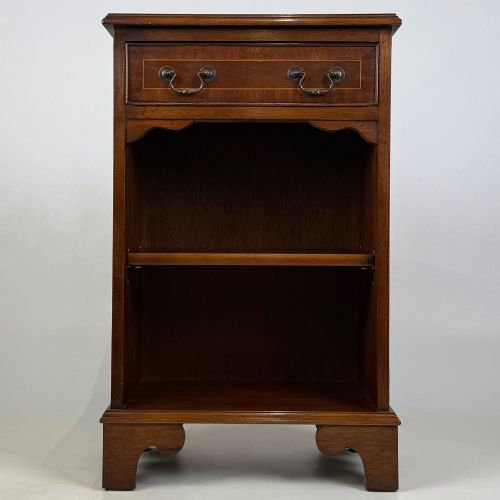
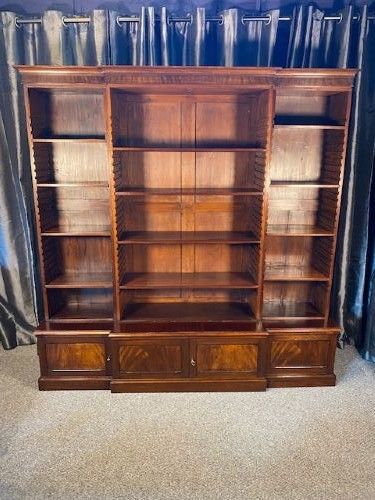
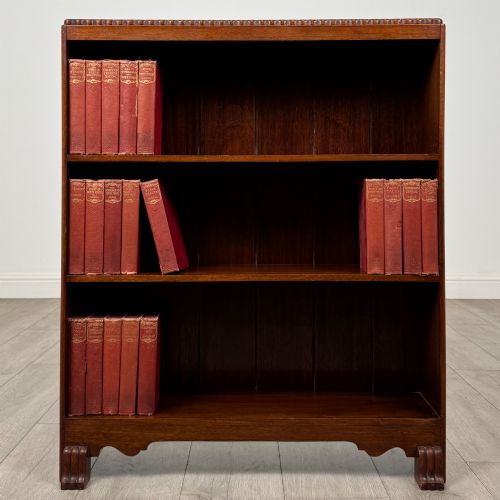
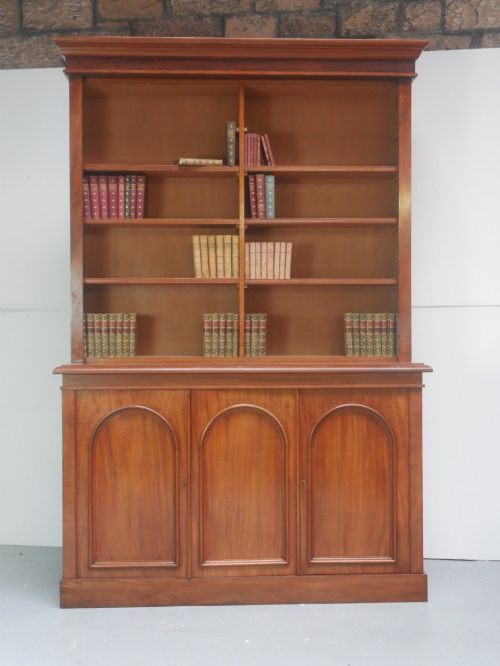
A mahogany shelving cabinet serves as a functional storage piece for books and display items, combining open shelves with enclosed cupboards or drawers. When you search for a mahogany shelving cabinet, you encounter forms ranging from dwarf open bookcases and waterfall designs to tall Victorian glazed units and bureau bookcases.
The pieces appearing on this page date primarily from the nineteenth and early twentieth centuries, encompassing Victorian, Edwardian, and Regency periods alongside Georgian and revival styles. Makers such as Edwards & Roberts, Globe Wernicke, and Tudor & Burrey of Shrewsbury occasionally appear among these examples.
Most items provide adjustable shelving, brass castors, or glass doors, utilising timbers like solid mahogany and flame mahogany veneer. Whether configured as a corner cabinet, a chiffonier, or a stacking barristers bookcase, each format prioritises display alongside accessible storage.
How they were made
Cabinet makers built these pieces using solid mahogany and flame mahogany veneer applied to secondary framing timbers, often incorporating satinwood stringing and inlay for decorative contrast. Structural stability relied on traditional joinery, whilst exterior surfaces received hand-polished finishes that enhanced the natural grain patterns of the wood.
Metal hardware played an essential functional and decorative role, with brass castors fitted to the base of larger cabinets and brass handles or hinges securing doors and drop fronts. Glass panels were integrated into glazed bookcase doors and shop display cabinets, while specialised variations included leather-edged shelves and sectional stacking mechanisms.
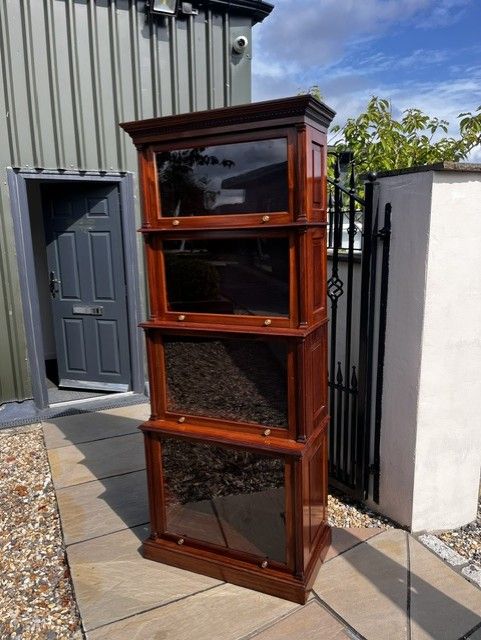
Some stacking bookcases let busy lawyers retrieve their entire library one tier at a time.
What varies in quality
The hierarchy of quality in these cabinets rests upon the selection of timber, particularly the choice between plain mahogany boards and highly figured flame veneer. Superior examples display meticulous attention to detail in their stringing, crossbanding, and the crispness of any inlaid decoration.
Construction methods and hardware also distinguish finer pieces, such as the inclusion of solid mahogany linings, original brass castors, and smoothly functioning adjustable shelf mechanisms. Maker attribution to established workshops or retailers elevates a piece through documented craftsmanship and superior proportion.
Edwards & Roberts·Globe Wernicke·Tudor & Burrey
The Mahogany Shelving Cabinet Glossary
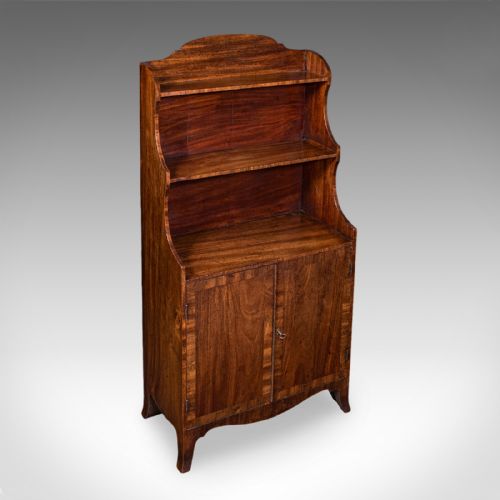
- Waterfall bookcase
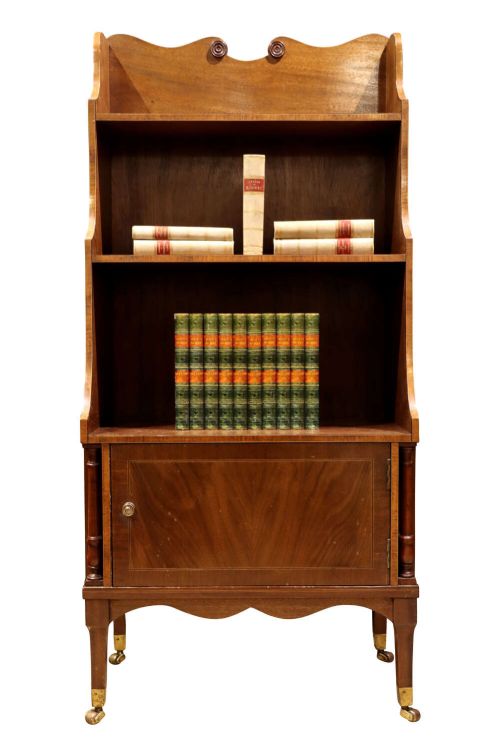
- A tiered set of open shelves diminishing in depth from bottom to top, popular during the Regency and Edwardian periods.
- Breakfront
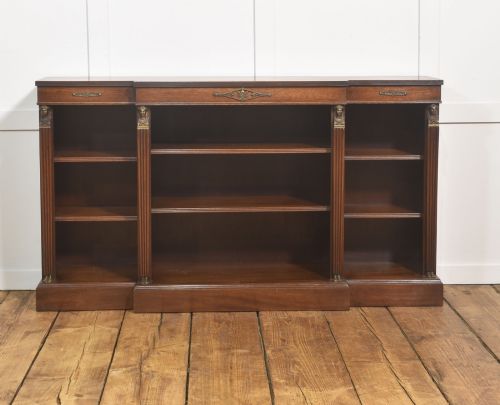
- A cabinet design where the central section projects forward from the flanking wings, creating visual depth.
- Chiffonier
- A low sideboard or cabinet equipped with lower cupboards and often a shelf superstructure, common in nineteenth-century interiors.
- Barristers bookcase
- A sectional stacking bookcase with glass-fronted tiers that lift and slide inward to allow access to the books within.
- Stringing
- Thin lines of contrasting timber inlaid into the surface of furniture to create decorative borders and geometric panels.
Mahogany Shelving Cabinet: Frequently Asked Questions
What periods do these cabinets come from?
The pieces span the nineteenth and early twentieth centuries, with examples originating from the Regency, Victorian, and Edwardian eras. Revival styles drawing on Georgian designs also appear frequently.
Dates generally range from the early eighteen hundreds up through nineteen twenty, reflecting shifting domestic tastes and cabinet-making traditions.
Are the shelves adjustable?
Many of the bookcases and display cabinets feature adjustable shelving, allowing users to alter shelf heights to accommodate different book sizes or display items. Rackwork or pin systems typically facilitate this adjustment.
Some pieces, however, retain fixed shelving depending on their original function and specific period of manufacture.
What is flame mahogany?
Flame mahogany refers to a distinctive veneer figure created by cutting timber from the fork of the tree where branches meet the main trunk. This produces a dramatic, undulating flame-like pattern that cabinet makers used on prominent surfaces.
It is often framed by straight-grained mahogany borders or satinwood stringing to highlight the figuring.
How do I care for mahogany furniture?
Mahogany furniture benefits from placement away from direct sunlight and heat sources to prevent the timber from drying out or fading. Regular dusting with a soft cloth maintains the finish without requiring heavy polishes.
Occasional application of traditional beeswax helps nourish the wood and preserve the depth of the polish over time.