
Mahogany Secretaire Bureau
Mahogany secretaire bureau pieces are substantial writing cabinets featuring a drop-down desk drawer that conceals fitted pigeonholes and small drawers, offering practical elegance for home organisation.

Mahogany Secretaire Bureau
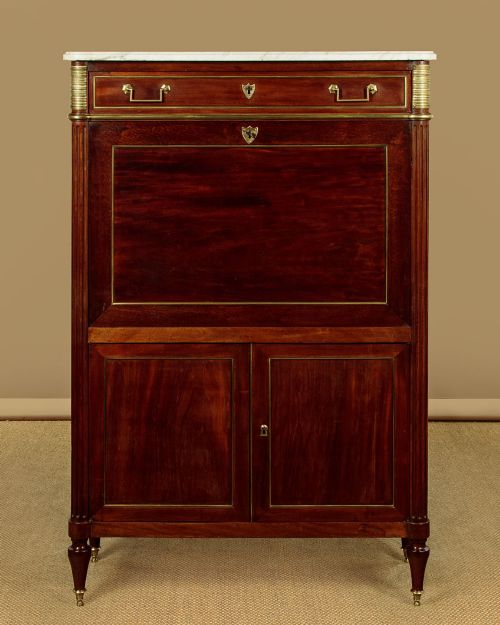
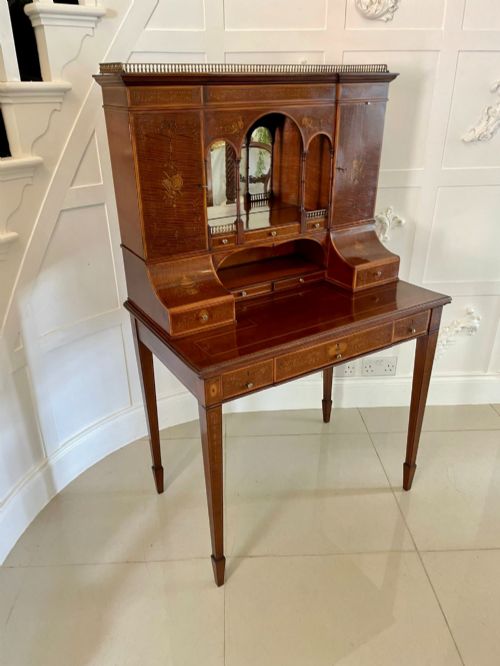
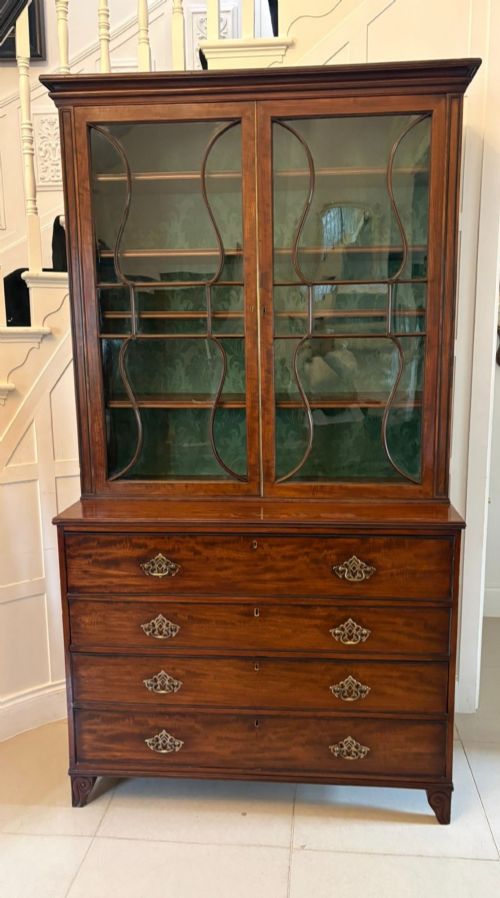
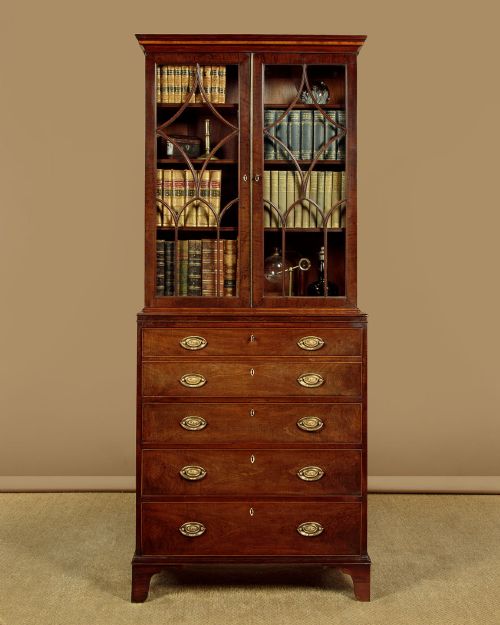
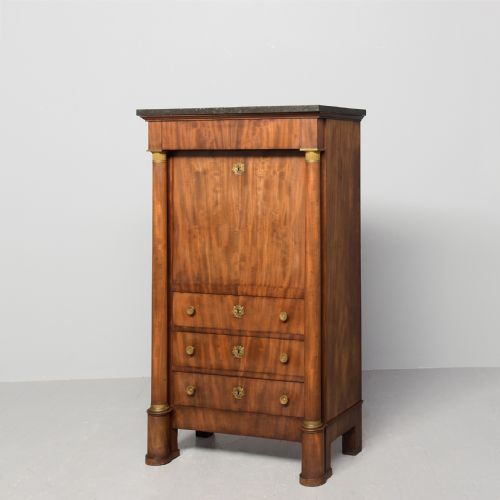
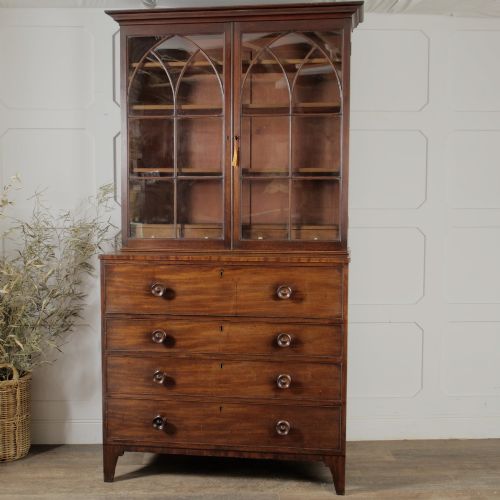
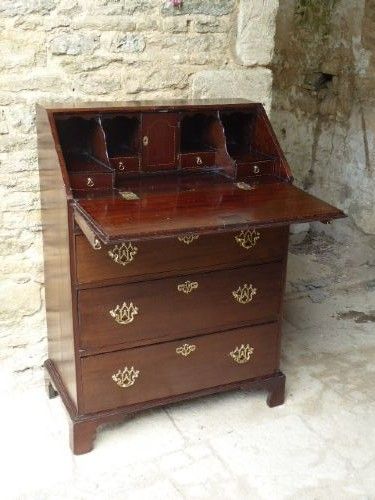
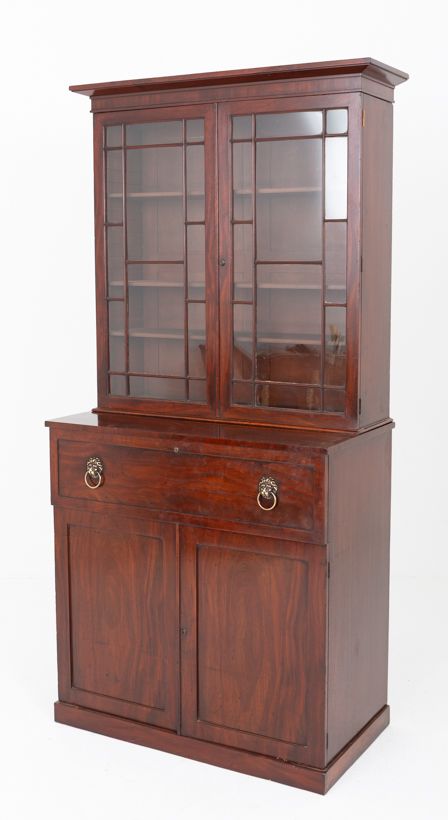
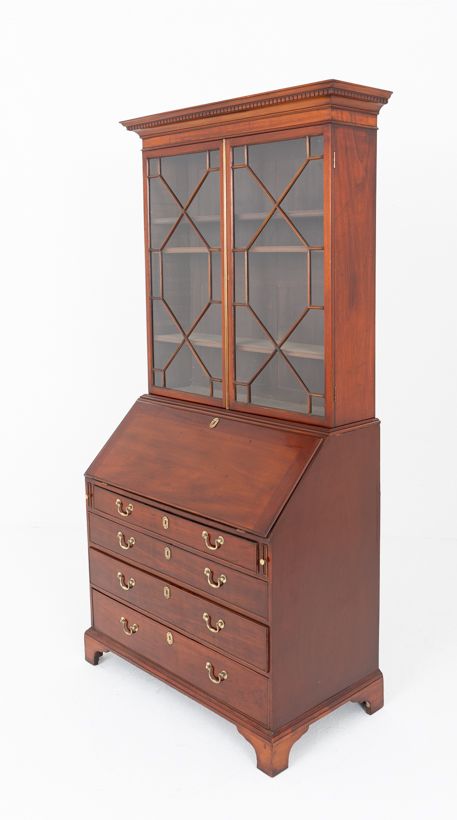
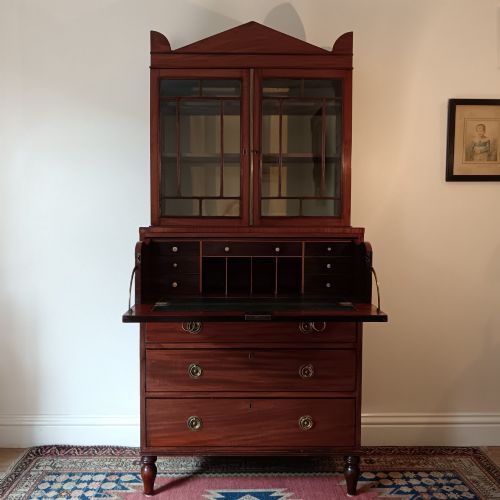
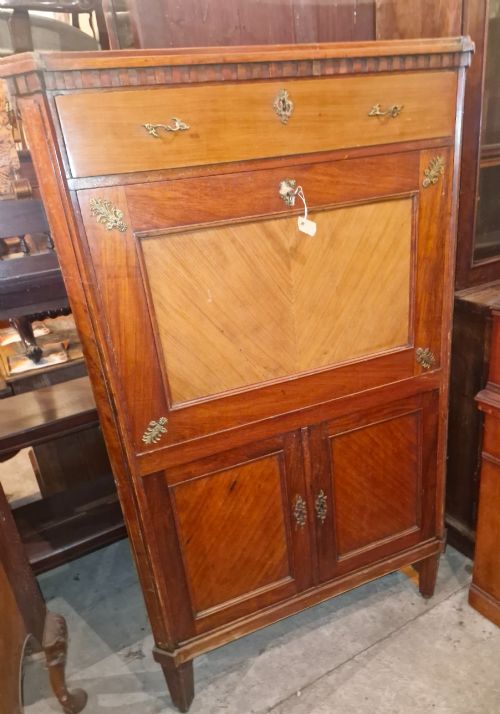
A mahogany secretaire bureau combines a chest of drawers or a cabinet base with a clever fall-front writing surface that conceals an interior fitted with compartments. The selections here span the Georgian, Regency, and Victorian periods, alongside continental variations like the French secretaire abattant. These pieces range from tall library bookcases with glazed upper doors down to compact dwarf cabinets and freestanding desks.
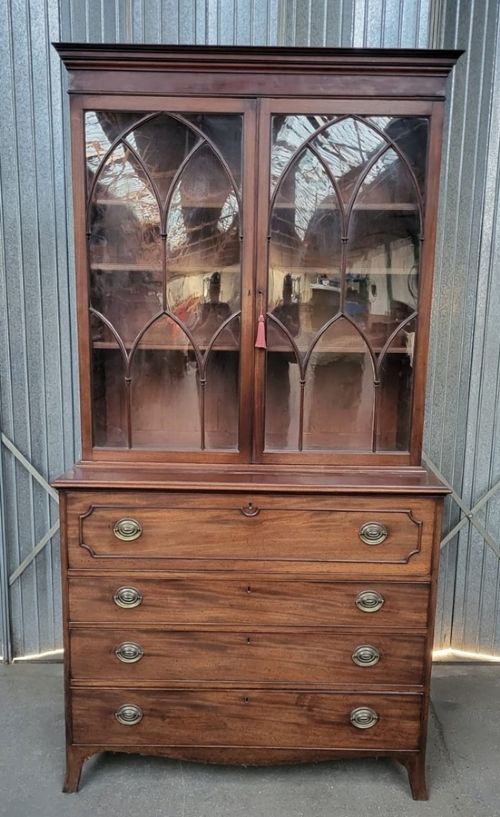
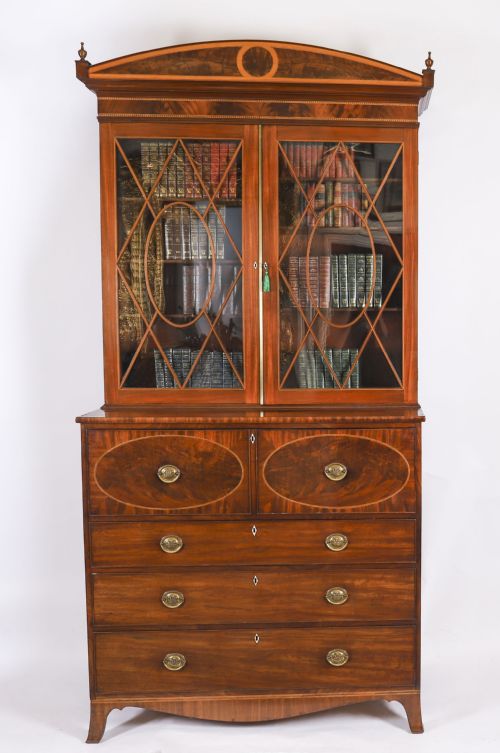
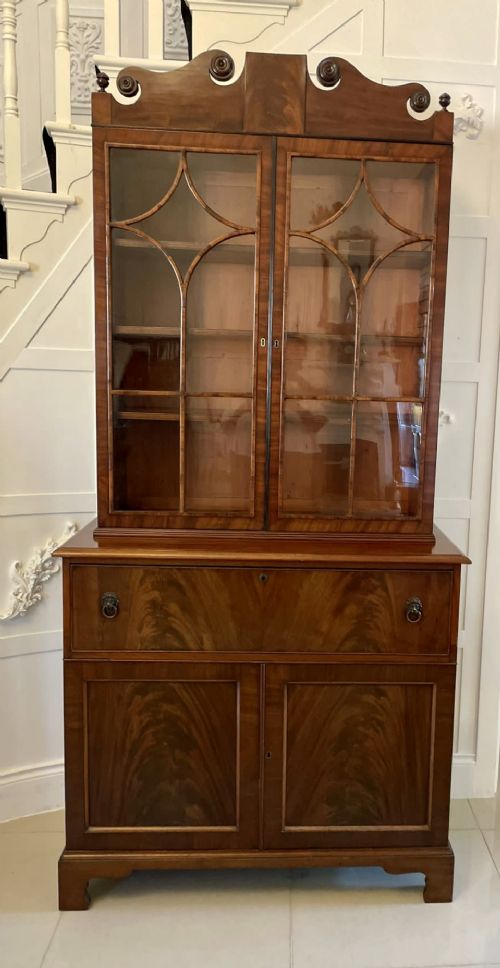
The primary form encountered on this page is the secretaire bookcase, where a shelved upper cabinet sits atop the writing section. Bureau bookcases and tallboys also appear frequently, often constructed during the eighteenth and nineteenth centuries. Buyers frequently select these dual-purpose items to serve as both display furniture and functional writing spaces.
Materials and Construction
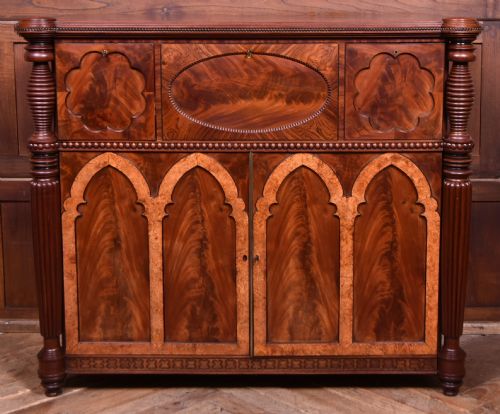
Cabinet makers utilised solid mahogany and figured veneers, frequently selecting flame mahogany to create striking grain patterns across the fall-front drawers and cabinet doors. Secondary timbers such as oak lined the internal drawers, while decorative contrasting details incorporated satinwood inlay.
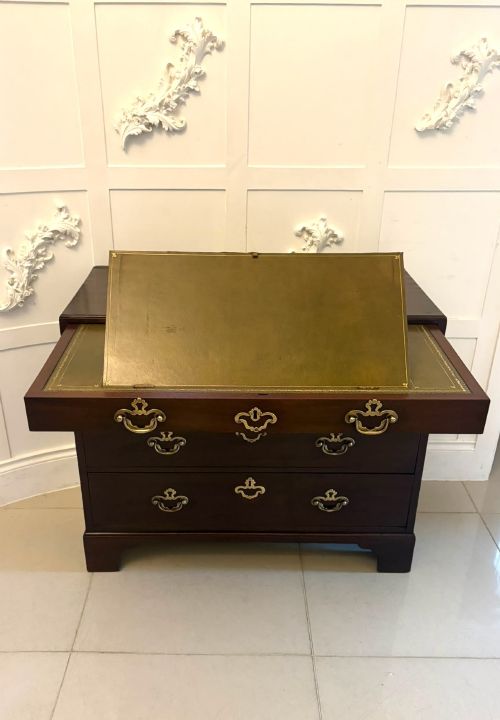
Advanced construction often included brass hardware, leather writing inserts, and occasionally marble tops on continental abattants. Glazed upper sections featured delicate wooden astragal bars to frame the library books kept within.
Many secretaire bureaus contain hidden spring-loaded catches that require a sequence of secret steps just to open the smallest internal drawers.
Evaluating the Pieces
The distinction between standard examples and superior pieces rests on the choice of mahogany veneers and the complexity of the internal fittings. Master workshops integrated secret compartments, fine satinwood crossbanding, and meticulously dovetailed internal drawers that elevate the piece.
Proportional harmony and original hardware also determine the merit of a bureau. Pieces retaining their original glass, working locks, and fitted leather writing surfaces command greater attention from collectors.
George Oakley·Gillows·Maple and Co.
The Mahogany Secretaire Bureau Glossary
- Secretaire abattant
- A tall, vertical cabinet featuring a drop-down front panel that opens to reveal a writing desk and internal compartments. This upright form was particularly popular in French design.
- Astragal glazed
- A method of dividing glass doors into smaller panes using slender wooden framework moulding. This technique defined many Georgian and Regency library bookcases.
- Flame mahogany
- A decorative wood veneer harvested from the fork of the mahogany tree, producing a distinctive flickering flame pattern. Cabinet makers reserved this timber for primary display surfaces.
- Fitted interior
- The collection of small drawers, pigeonholes, and central cupboard doors concealed behind the main writing flap. These compartments often included secret release mechanisms.
- Crossbanding
- A narrow strip of veneer laid around the border of a larger panel with the grain running at right angles to the centre. This decorative framing highlighted the primary wood choice.
Mahogany Secretaire Bureau: Frequently Asked Questions
What is a secretaire bureau?
A secretaire bureau is a dual-purpose furniture form that combines a standard chest or cabinet base with a hinged writing flap. Dropping this panel reveals a fitted interior containing pigeonholes and small drawers for correspondence.
These pieces provide a hidden workspace while maintaining the aesthetic appearance of a polished wooden cabinet or bookcase.
How do I date a mahogany bureau?
Dating involves examining the construction methods of the internal drawers, the choice of secondary timbers, and the overarching architectural style. Georgian pieces often display clean lines and bracket feet, whereas Regency items incorporate bolder brass mounts and classical motifs.
Later Victorian examples frequently utilise heavier proportions and darker finishes, aligning with the industrial manufacturing shifts of the nineteenth century.
Where should I place a secretaire bookcase?
These tall cabinets suit living rooms, studies, or libraries where vertical wall space permits adequate clearance for the upper bookcase doors. Positioning them away from direct sunlight protects the polished mahogany surface and delicate wood veneers from fading.
Sufficient floor space in front of the unit is necessary to allow the fall-front writing flap to drop down fully for comfortable seating.
How do I maintain the wood?
Maintaining mahogany requires consistent dusting with a soft, dry cloth and the occasional application of traditional beeswax to nourish the timber. Avoiding synthetic cleaning sprays prevents chemical buildup on the antique polish.
Keeping the furniture away from direct heat sources and maintaining stable indoor humidity protects the solid timbers and prevents veneer splitting.