

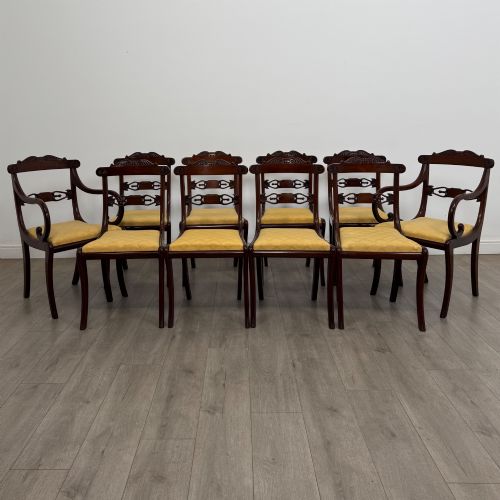
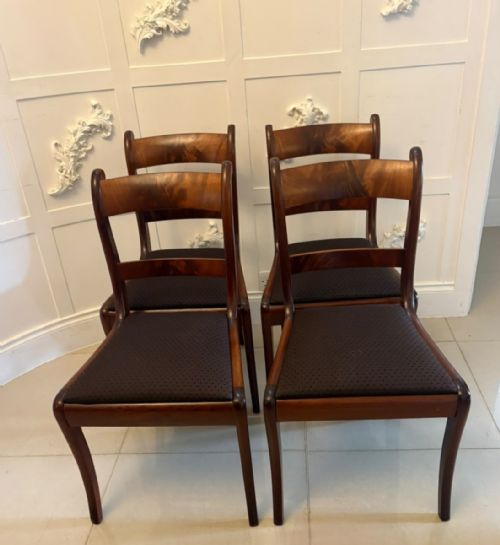
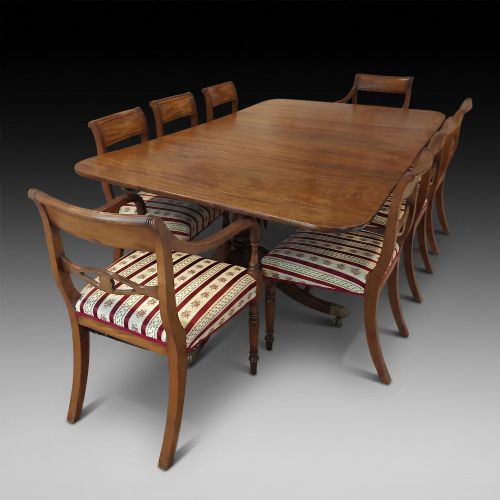
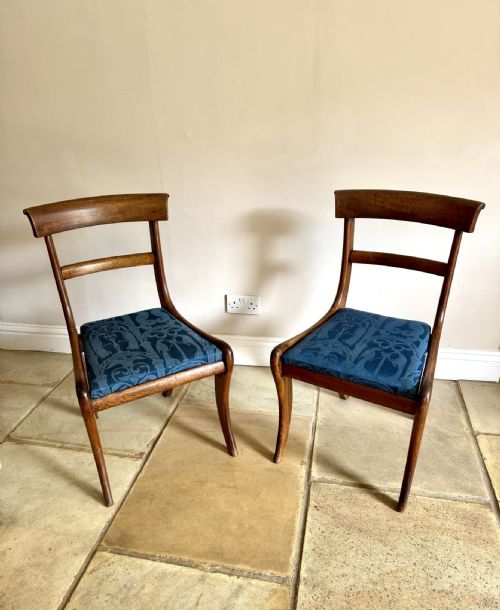
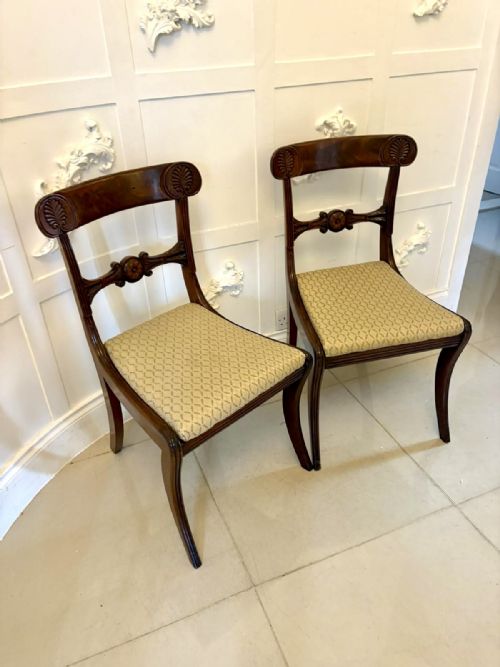
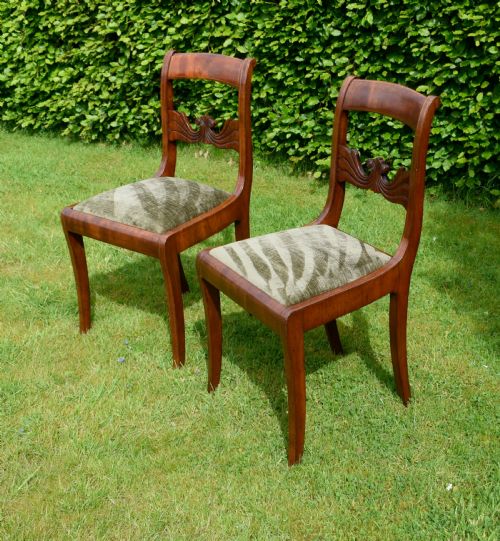

Mahogany Sabre Leg Chair
A mahogany sabre leg chair combines structural poise with classical elegance, offering collectors and diners a refined seat rooted in the Regency period.
Mahogany Sabre Leg Chair
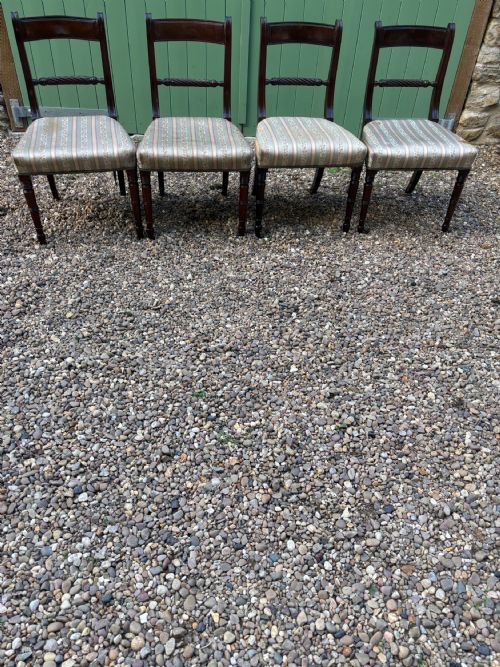
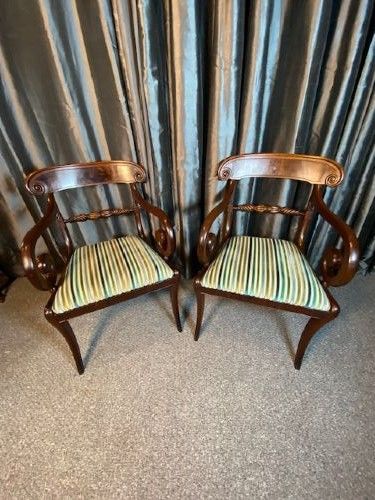
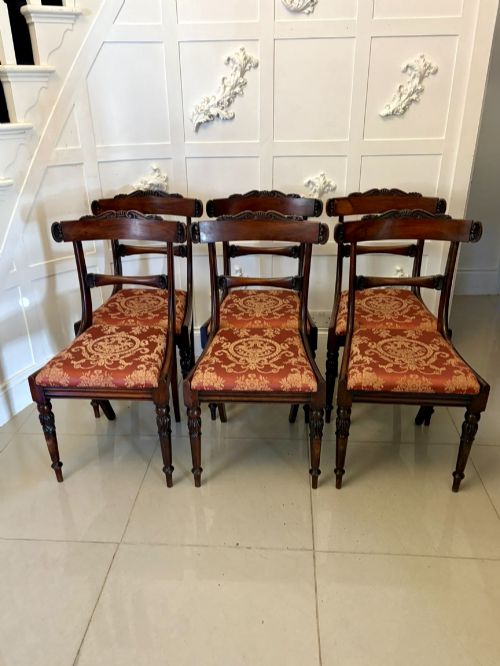
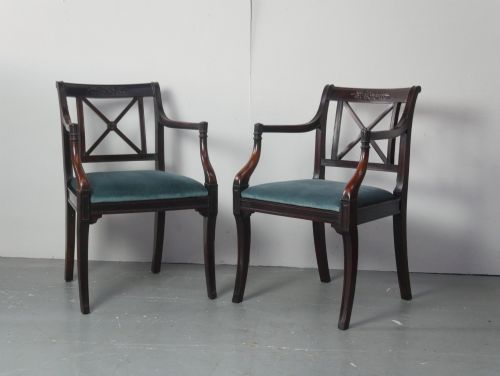
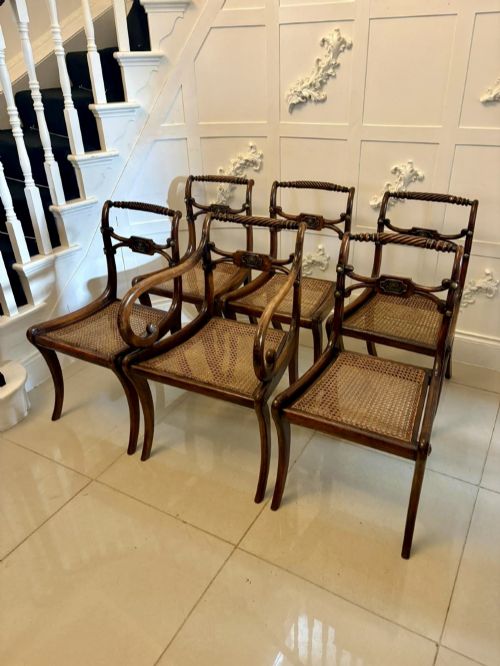
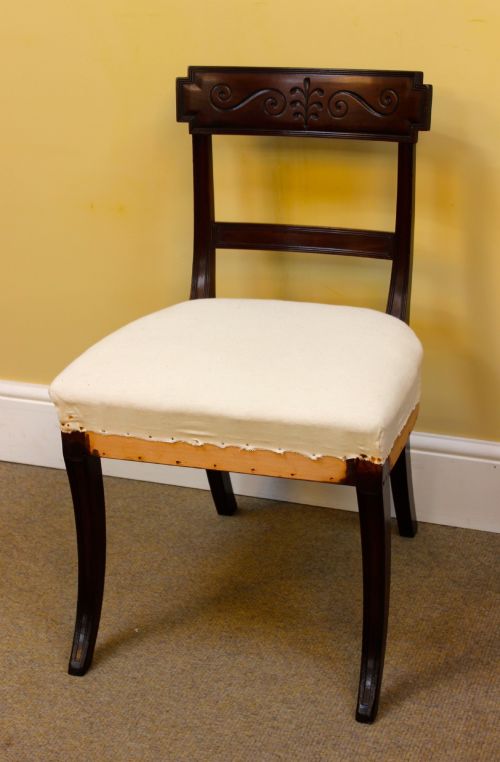
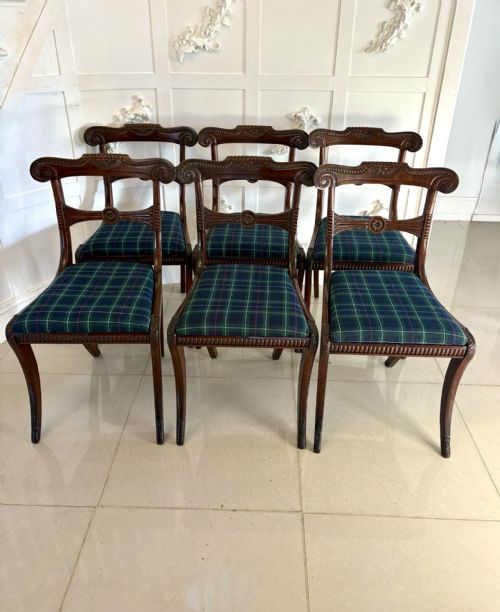
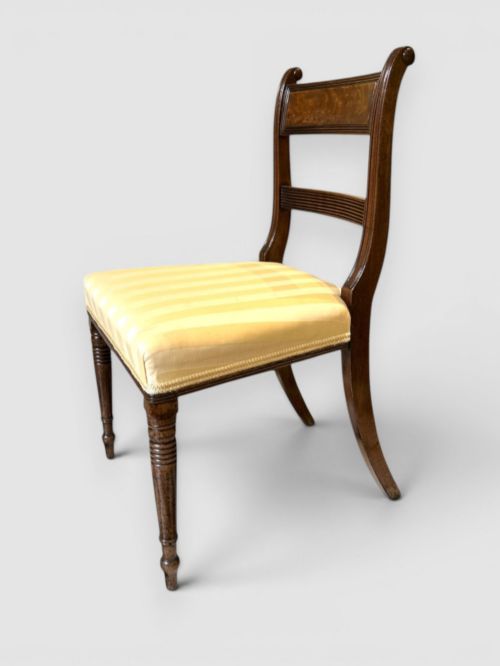
A mahogany sabre leg chair is defined by its distinctive outward-curving rear or front supports, mirroring the concave sweep of a cavalry sword. When searching for this form, buyers primarily encounter single dining chairs, pairs of armchairs, and expansive sets originating from the Regency era.
Makers utilised dense timber to achieve the characteristic curved supports, which often transition smoothly from the seat rail. Whether configured as a single desk chair or a matched set of ten, the silhouette remains a cornerstone of classical interior seating.
Materials and construction
Cabinetmakers constructed these frames predominantly from solid mahogany, frequently selecting figured or Cuban varieties for enhanced grain pattern and visual depth. This dense timber allowed the sweeping curves of the sabre leg to maintain structural integrity without excessive bulk.
Upholstery methods varied widely according to the intended function of the seat, incorporating traditional horsehair stuffing beneath leather, velvet, fabric, or woven cane panels. Brass inlay, gilt accents, and carved scroll details were occasionally integrated to enrich the primary mahogany structure.
An unusually small child's chair proves that even Georgian toddlers required proper posture at the family dining table.
Assessing quality and craftsmanship
Superior examples display harmonious proportions where the sweep of the sabre leg balances the contour of the backrest, whether bar back, rope back, or scroll arm. The crispness of carved details and the seamless integration of brass inlays distinguish masterwork seating from standard commercial production.
Originality of the timber finish and the integrity of the joinery at the seat rail dictate the enduring value of the piece. Matching sets that retain their original configurations, rather than assembled collections, represent the upper echelon of surviving examples.
The Mahogany Sabre Leg Chair Glossary
- Sabre leg
- A concave, outward-curving leg tapering towards the foot, reminiscent of a cavalry sabre. This form provides both stability and visual lightness to classical seating.
- Carver
- An armchair, typically designed for the head of a dining table, featuring supportive side elbows. These often match a larger set of single dining chairs.
- Bar back
- A horizontal wooden slat forming the upper section of the chair back, frequently shaped or reeded. It is a common feature on Regency dining seats.
- Cane seat
- A woven plant-material seating surface offering flexibility and breathability. This technique often appears on light drawing room and dining chairs.
- Bergere
- An enclosed upholstered armchair with wooden framing, offering generous proportions for library or drawing room use. These feature prominently among nineteenth-century seating forms.
Mahogany Sabre Leg Chair: Frequently Asked Questions
What defines a sabre leg?
A sabre leg curves outward in a concave sweep reminiscent of a cavalry sword, tapering gracefully toward the floor. This construction provides inherent strength while lending a light, neoclassical profile to the furniture.
Cabinetmakers utilised the natural grain strength of mahogany to carve these distinct profiles without compromising the stability of the seat frame.
Were these chairs used only for dining?
While the majority of surviving examples belong to dining sets, the form extends to library armchairs, desk seats, and hall chairs. Single armchairs and carvers frequently served in drawing rooms or studies.
Individual hall chairs were often placed in grand entryways, featuring solid timber seats and decorative carved or brass-inlaid panels rather than soft upholstery.
How do I distinguish Regency from revival pieces?
Authentic Regency pieces typically date from the early nineteenth century and exhibit hand-cut joinery, patinated Cuban mahogany, and period upholstery methods. Revival pieces, produced around nineteen hundred, often show standardised machine precision and later secondary woods.
Examining the underside and joint construction helps determine whether a chair belongs to the original Regency period or a later nineteenth-century revival.
Are cane seats original to these chairs?
Cane seating was widely utilised during the Regency period to provide a lighter, cooler surface for drawing room and dining chairs. Many surviving examples retain their original woven cane or have undergone historically sympathetic re-caning.
These woven panels are often paired with drop-in loose cushions upholstered in leather, velvet, or textile.