





Mahogany Portfolio Stand
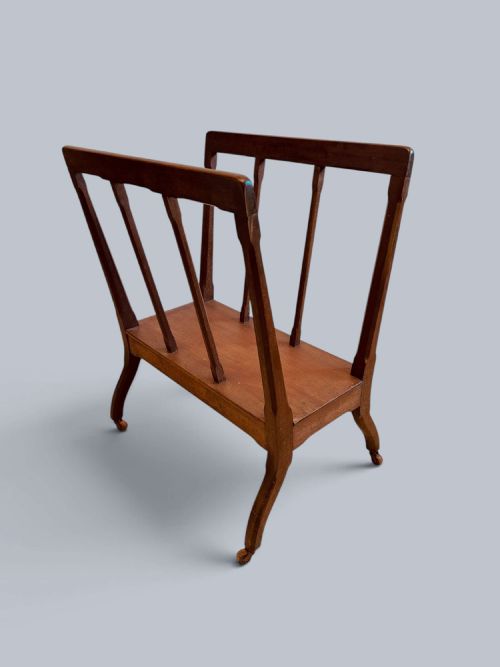
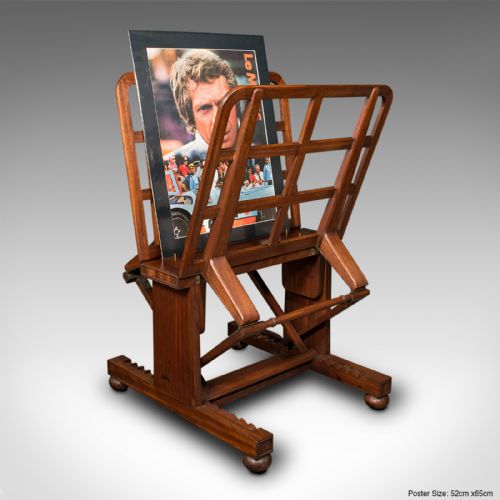
These mahogany portfolio stand pieces offer adjustable racks and sturdy timber frames for holding large prints, plates, and drawings in a library or studio.
Mahogany Portfolio Stand
A mahogany portfolio stand is a functional piece of furniture designed to hold oversized papers, folios, and artist prints safely. The examples available on this page span the Regency, Victorian, and Edwardian periods, including pieces from around eighteen hundred through to nineteen hundred.
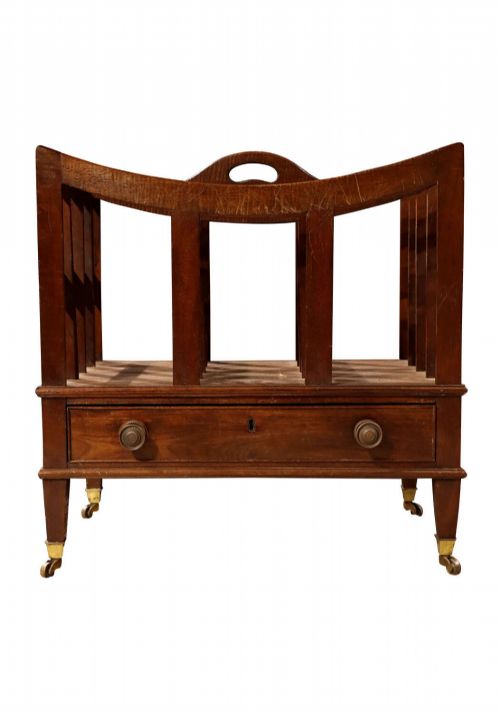
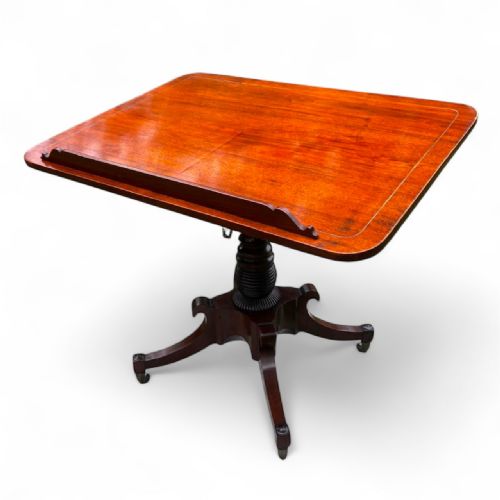
Most items you meet take the form of dedicated folio stands or picture racks, alongside related variants like music stands, reading tables, and canterburys. These pieces originate from English workshops and serve both practical storage and display functions in studies and drawing rooms.
Construction and materials
Cabinet makers utilised dense mahogany timber for the primary frames, relying on its strength to support heavy wooden side panels and adjustable supports. Secondary woods such as oak appear in internal framing and drawer construction.
Metal components like brass inlay and adjustable ratchets provide mechanical function and decorative contrast against the dark timber. Leather elements occasionally line surfaces or support edges to protect delicate papers from abrasion.
Mahogany Portfolio Stand Retail Price Guide 2026
Typical asking prices for mahogany portfolio stand among the pieces listed under this phrase on Sellingantiques today, from the lower quarter to the upper quarter. They describe what is for sale here now, not the wider market.
Grand scale stands are heavy enough to double as impromptu architectural barricades.
Assessing craftsmanship and design
The sophistication of the mechanical adjustment mechanisms sets finer examples apart from simpler utility pieces. Smoothly operating ratchets, solid brass fittings, and Grand Scale proportions indicate superior workshop origin.
The selection of timber figure and the crispness of turned supports distinguish high-end cabinet work. Finely grained mahogany surfaces and robust joinery ensure the stand withstands the weight of heavy folios over generations.
Gillows of Lancaster
The Mahogany Portfolio Stand Glossary
- Folio stand
- A piece of furniture with vertical or slanted sides designed for holding large sheets of paper, prints, or maps. They often feature adjustable mechanisms to display single items at an angle.
- Canterbury
- A low stand featuring partitioned vertical sections, traditionally used for holding sheet music or portfolios. Many examples incorporate a small drawer beneath the main compartments.
- Regency
- A period of English design spanning the early nineteenth century, characterised by classical restraint and refined proportions. Pieces from this era frequently display architectural lines and subtle brass detailing.
- Brass inlay
- The technique of embedding thin strips or motifs of brass into the wood surface for decoration. It appears on finer tables and stands from the Regency period.
Mahogany Portfolio Stand: Frequently Asked Questions
What is a mahogany portfolio stand?
A mahogany portfolio stand is a specialised piece of furniture built to hold large artist folios, prints, and maps securely. These stands provide an accessible way to store flat works while allowing individual pieces to be displayed.
Most designs feature upright or slightly angled sides made from dense mahogany timber. They often incorporate adjustable mechanisms so users can alter the viewing angle of the contents.
How were portfolio stands used historically?
Artists, architects, and collectors used these stands in studios and libraries to organise large quantities of paper work. They kept valuable prints and drawings upright and flat to prevent curling or creasing.
In domestic settings, they served as display racks for household guests to browse through loose plates or illustrated volumes. The adjustable versions allowed people to examine large documents comfortably without needing a massive flat table.
How do I date a mahogany folio stand?
Dating relies on examining the overall style, construction methods, and hardware present on the piece. Regency examples often feature crisp classical turnings and brass inlay, while later Victorian versions tend to be heavier in scale.
Makers' marks, where present, can pinpoint specific workshops like Gillows. The presence of specific secondary timbers and the style of any mechanical ratchets also help narrow down the decade of manufacture.
Can these stands hold modern art portfolios?
These antique stands are well suited for holding modern art portfolios, prints, and large photographic plates. Their robust mahogany construction handles the weight of modern archival boxes and heavy card stock easily.
Owners should check the internal width and depth of the rack compartments against their specific portfolio sizes. Adjustable models offer the most flexibility for accommodating varying thicknesses of paper collections.