



Mahogany Miniature Jewellery Box
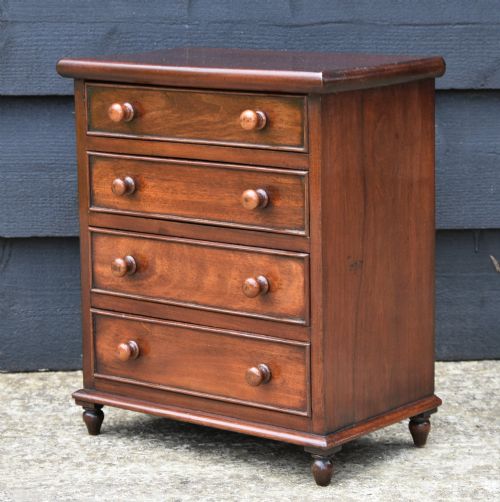
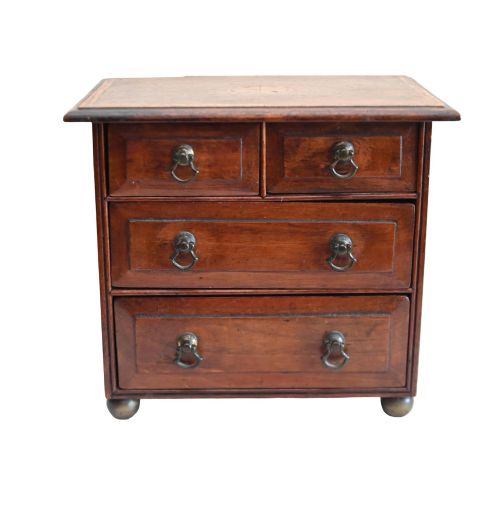
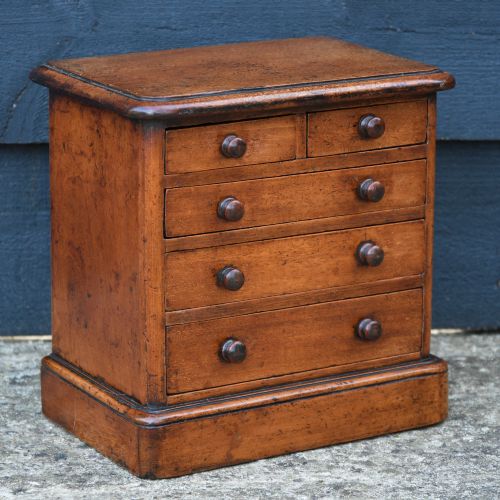
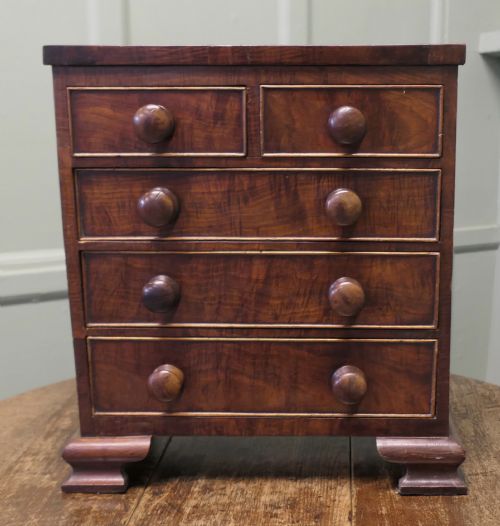
A mahogany miniature jewellery box brings small-scale craftsmanship to a dressing table, offering neat compartmentalised storage in a classic timber.
Mahogany Miniature Jewellery Box
These items mirror full-size furniture styles including bowfront chests, sideboards, and Louis XVI commodes. They serve as decorative containers that sit comfortably on desks, dressing tables, and tabletops.
How they were made
Makers constructed these miniature forms primarily using mahogany, sometimes supported by secondary timbers like oak and boxwood. Surfaces were frequently enhanced with contrasting inlay materials such as mother of pearl.
Metal fittings in brass and gilt bronze provided functional handles, escutcheons, and decorative mounts. Natural stone like marble also appeared on select topographical forms like miniature commodes.
Mahogany Miniature Jewellery Box Retail Price Guide 2026
Typical asking prices for mahogany miniature jewellery box among the pieces listed under this phrase on Sellingantiques today, from the lower quarter to the upper quarter. They describe what is for sale here now, not the wider market.
Some miniature drawers are so convincing you might try to file your taxes in them if you possessed microscopic paperwork.
What varies in quality
The refinement of the timber figure and the warmth of the surface patina dictate the visual appeal of each piece. Superior examples display precise proportions that accurately scale down large furniture designs.
Detailing in the brass hardware, inlay work, and drawer construction separates standard workshop pieces from finer decorative cabinets. The integration of delicate materials like mother of pearl reflects higher levels of maker skill.
The Mahogany Miniature Jewellery Box Glossary
- Apprentice piece
- A small-scale item traditionally made by a trainee craftsman to demonstrate mastery of joinery and furniture design. These miniature chests and cabinets often share the exact detailing of full-sized furniture.
- Bowfront
- A convex curved cabinet or drawer front that swells outward in the centre. This decorative shaping appears frequently on 19th-century miniature chests.
- Patina
- The deep surface sheen and colour developed by aged timber through handling and waxing over decades. A rich patina indicates undisturbed age.
- Escutcheon
- A protective plate surrounding a keyhole, usually cast in brass. These details help date pieces by their changing stylistic shapes.
- Inlay
- A technique where contrasting materials such as boxwood or mother of pearl are set into flush recesses within the mahogany surface.
Mahogany Miniature Jewellery Box: Frequently Asked Questions
What is an apprentice piece?
An apprentice piece is a small-scale model built by a craftsman in training to prove their woodworking skill to a guild. They replicate full-sized furniture designs in miniature.
These pieces use the same traditional joinery techniques and timber selections found in standard domestic furniture of the period.
How were miniature cabinets used?
These small chests and cabinets served as secure desktop storage for rings, brooches, and other small personal valuables. They functioned as portable jewellery vaults for wealthy households.
Today they provide decorative tabletop storage while maintaining their original utility for small trinkets and keepsakes.
How do I date mahogany miniatures?
Dating relies on identifying stylistic markers from periods like the Georgian, Regency, and Victorian eras. Drawer construction methods and hardware styles provide further clues.
Secondary woods used inside the drawers can also point toward specific manufacturing decades.
Where should I place these boxes?
These compact boxes sit well on dressing tables, console tables, and sturdy mantelpieces where their detailed joinery can be appreciated close up. They require stable humidity away from direct heat sources to protect the polished mahogany.
Keep them out of strong direct sunlight to prevent the timber and any inlay work from fading over time.