
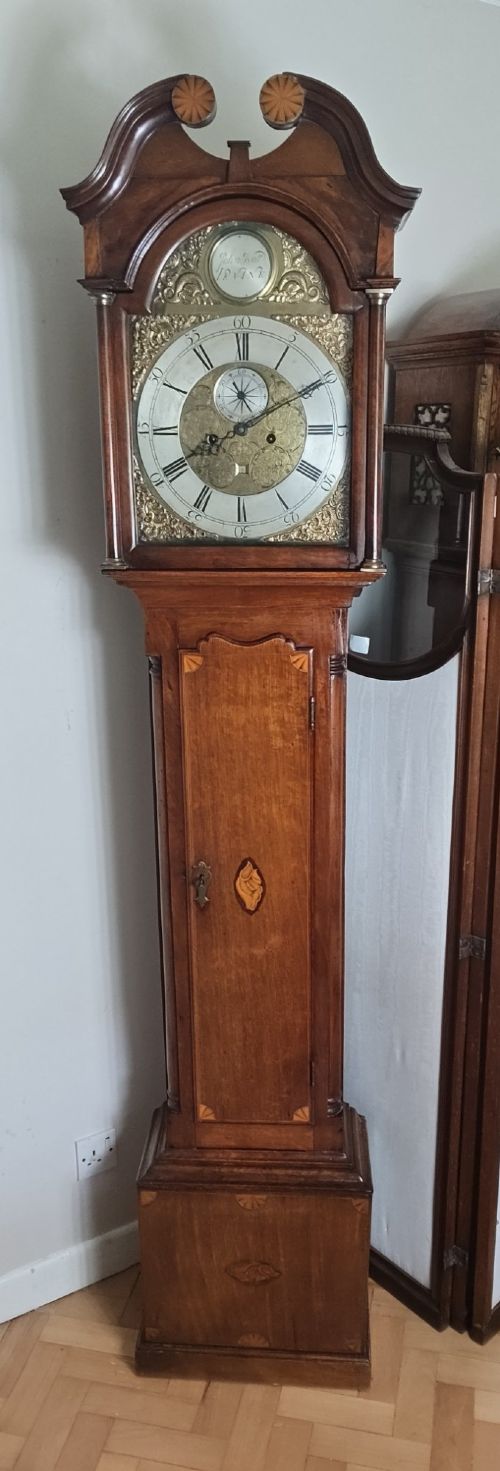
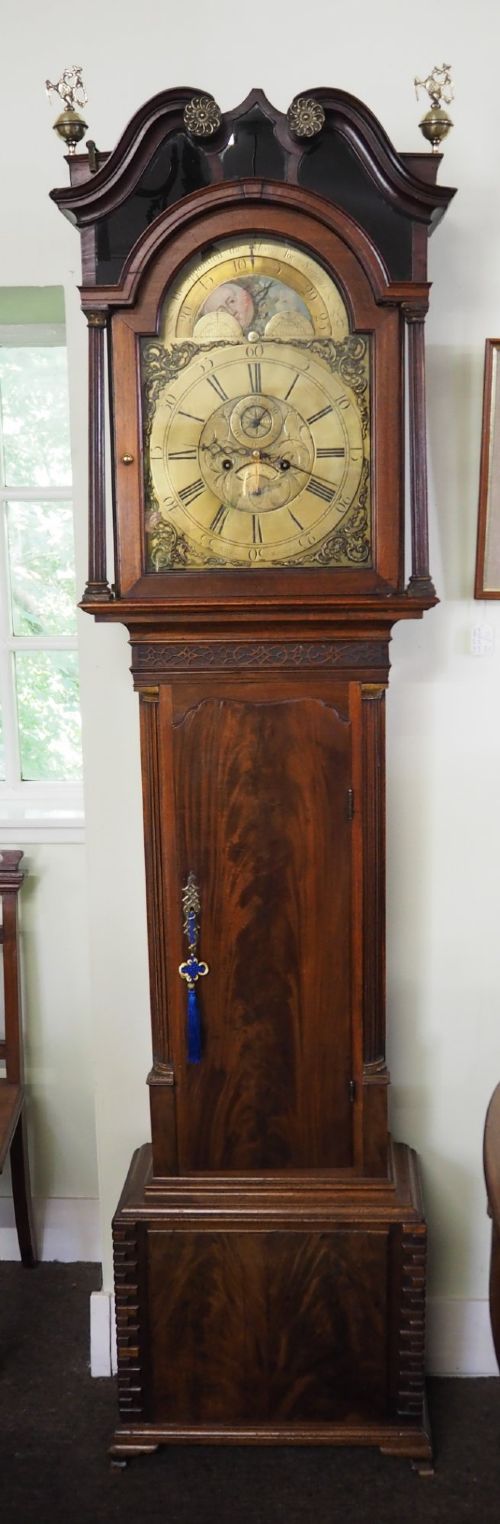
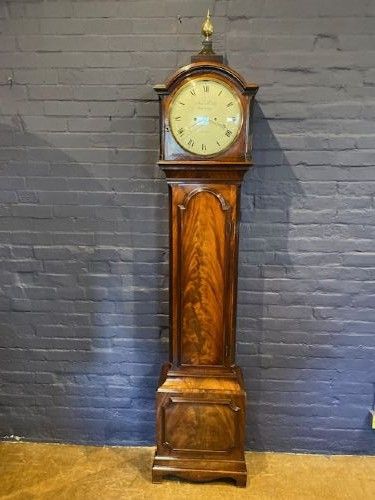
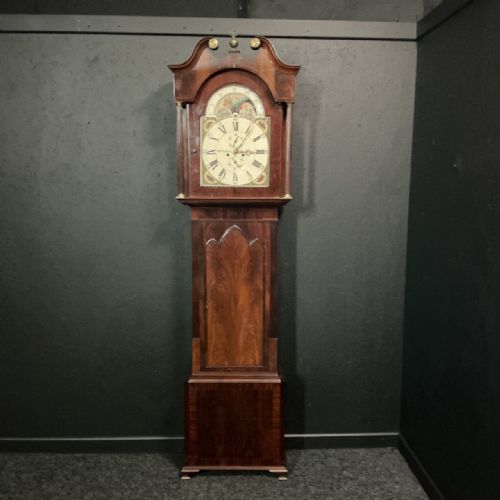



Mahogany Hall Clock
A mahogany hall clock stands as a commanding focal point, housing intricate timekeeping mechanics within rich timber cases designed to anchor a traditional interior.
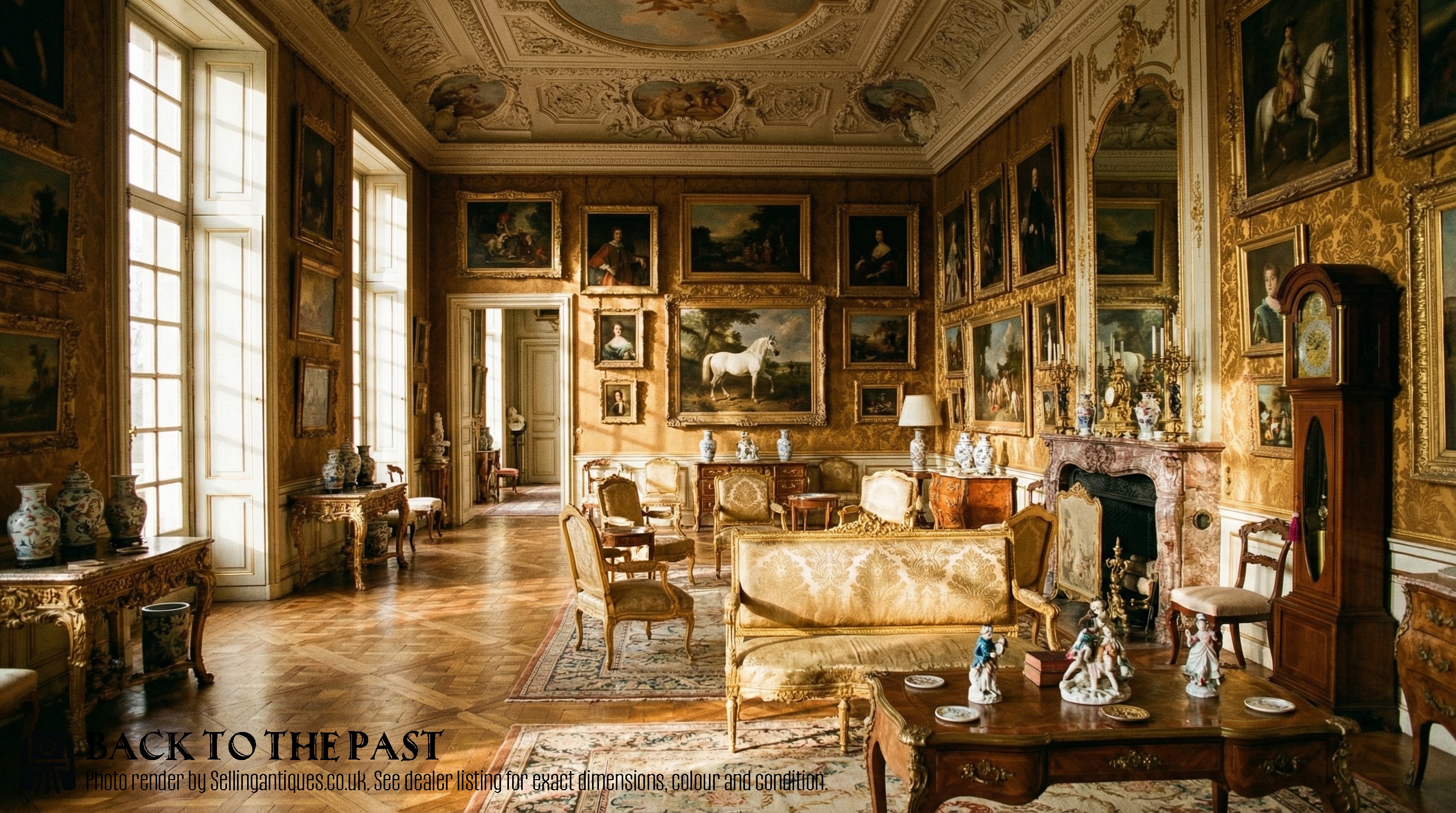
Mahogany Hall Clock
When you search for a mahogany hall clock, you are looking at tall floor-standing timepieces that measure hours through weight-driven or spring movements housed in timber cabinetry. These architectural objects dominate hallways and stairwells, combining utilitarian engineering with cabinet-making traditions from the eighteenth, nineteenth, and early twentieth centuries.
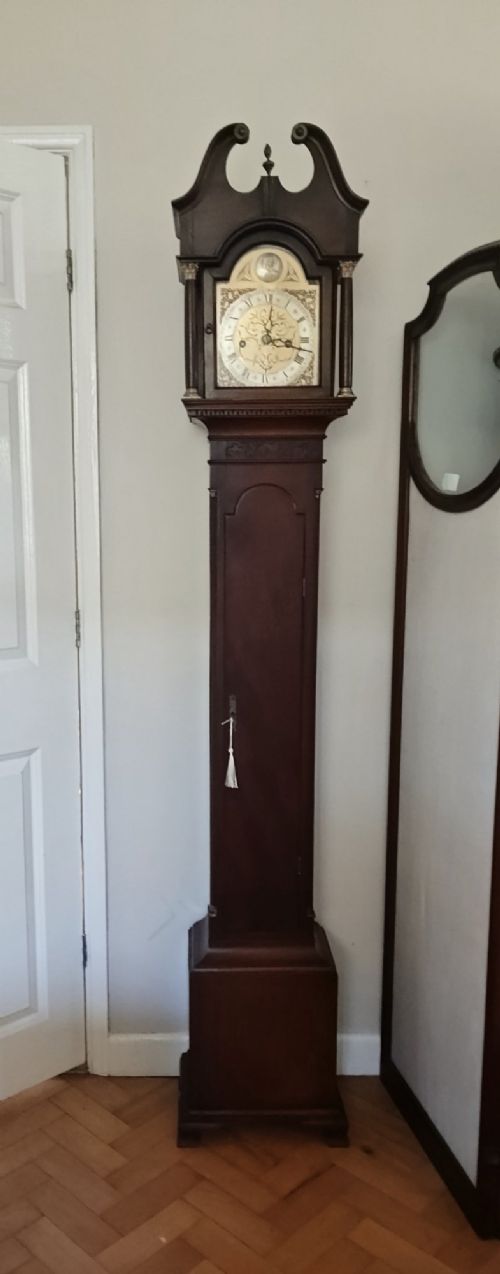
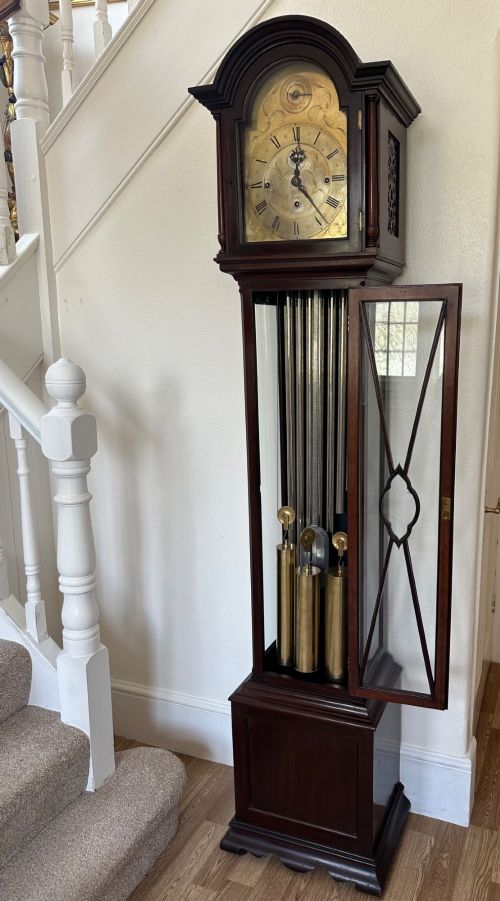
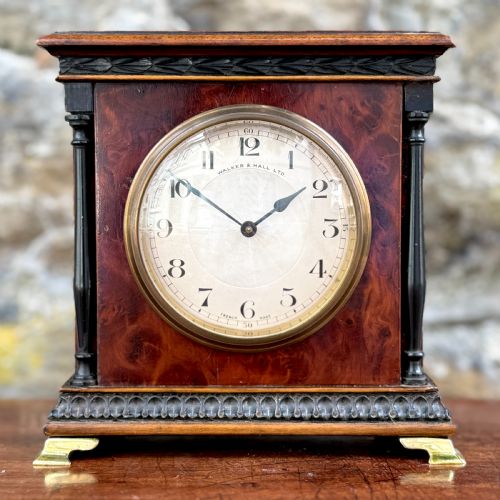
The pieces on this page span several stylistic evolutions, ranging from imposing Georgian and Scottish Georgian longcase clocks to slender Edwardian grandmother clocks and miniature regulators. Alongside the standard grandfathers, variations include chiming models with tubular bells or gongs, musical movements, and examples featuring painted arched dials with moon rollers.
Origins stretch across regional English workshops, London makers, and Scottish centres, utilising robust mahogany alongside secondary timbers like oak. Whether you encounter a tall eight-day piece from the Georgian period or a compact Edwardian manifestation, these floor clocks remain enduring centrepieces of domestic horology.
How they were made
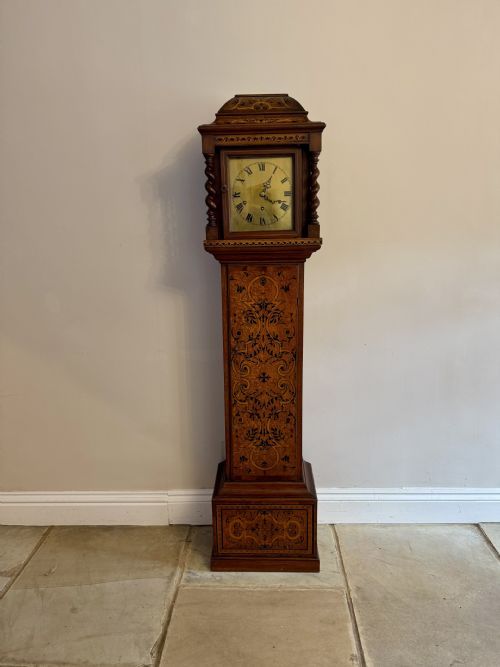
Cabinet makers constructed the tall housings primarily from solid mahogany and figured veneers, frequently incorporating satinwood stringing, marquetry inlay, and ebonised details. Secondary woods such as oak appear in structural carcases, while glass doors protect the delicate brass, steel, and painted dial faces.
The mechanical interiors rely on heavy brass wheels, steel pinions, and cast lead or iron weights suspended by cords or chains. Advanced examples integrate specialised movements like tubular bells, gongs, or chiming cylinders that require precise synchronisation between the dial train and the acoustic elements.
What varies in quality
The distinction between ordinary and exceptional examples rests upon the harmony between the cabinet work and the sophistication of the movement. Master horologers paired complex mechanisms - such as moon phases, triple-wind gongs, or musical cylinders - with finely proportioned cases carved from heavily figured mahogany.
Execution of detail defines the upper tier, seen in crisp dial engraving, hand-painted moon rollers, and delicate marquetry inlay rather than mass-produced uniformity. Proportions also dictate value, with slim proportions and miniature longcase regulators demanding higher technical mastery from both carpenter and clockmaker.
James McCabe·Walker and Hall·Richard Sharkey Birmingham·Dwerrihouse & Carter·Edward Glase of Bridgnorth·Thomas Hall Romsey·JJ Elliot·Maple & Co of London
The Mahogany Hall Clock Glossary
- Grandfather clock
- A large, floor-standing pendulum clock enclosed in a tall wooden case, historically known as a longcase clock. These tall pieces typically measure over six feet in height.
- Grandmother clock
- A smaller, more slender version of the longcase clock, popular during the Edwardian period and early twentieth century. They offer the presence of a floor clock in a reduced footprint.
- Moon phase
- A dial mechanism tracking the lunar cycle, often displayed on an arched plate above the main chapter ring. This complication shows the age of the moon through painted visual phases.
- Fusee
- A conical pulley connected to the mainspring by a cord or chain, designed to equalise the declining power of the spring as it unwinds. It ensures consistent force is delivered to the gear train.
- Regulator
- A high-precision clock designed to keep extremely accurate time, often utilised as a standard for setting other timepieces. They feature minimalist dials for clear reading of seconds, minutes, and hours.
Mahogany Hall Clock: Frequently Asked Questions
How do I wind a longcase clock?
Winding requires using a crank key to raise the weights via the winding holes on the dial face. Care must be taken not to overwind the mechanism.
Most eight-day movements need attention weekly, while thirty-hour models require more frequent winding.
Where should I place a hall clock?
Position your clock against a solid interior wall away from direct sunlight and draughts. Stable temperatures prevent wood movement and protect the delicate mechanical oils.
Ensure the floor is entirely level so the pendulum swings with an even, symmetrical beat.
What is the difference between a grandfather and a grandmother clock?
Grandfather clocks are tall, traditional longcase timepieces produced primarily during the eighteenth and nineteenth centuries. Grandmother clocks are significantly smaller variants dating mostly from the Edwardian era.
Both utilise similar weight or spring-driven mechanics, but the latter is scaled down for smaller domestic spaces.
How do I tell an 18th-century clock from a 19th-century one?
Eighteenth-century cases tend to display simpler architectural proportions with solid mahogany planks and brass dial spandrels. Nineteenth-century examples frequently incorporate richer figured veneers, painted arched dials, and more elaborate hood designs.
Examining the movement backplate and dial fixings often reveals technological shifts between these periods.