


Mahogany Haberdashery Counter
These mahogany haberdashery counter pieces combine timber framework and glass to present goods, bringing commercial heritage into modern rooms.
Mahogany Haberdashery Counter
A mahogany haberdashery counter serves as a retail fixture built to display small goods, drapers items, and confectionery in nineteenth and early twentieth century shops.
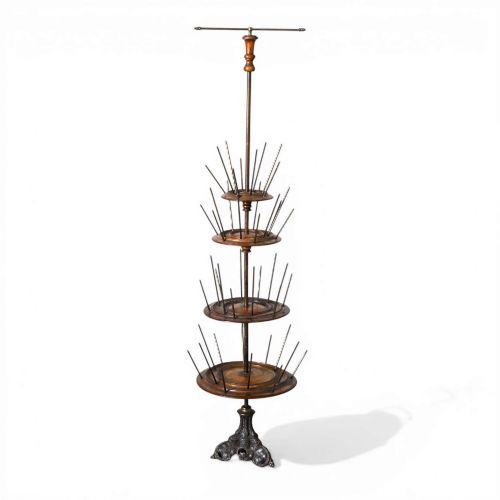
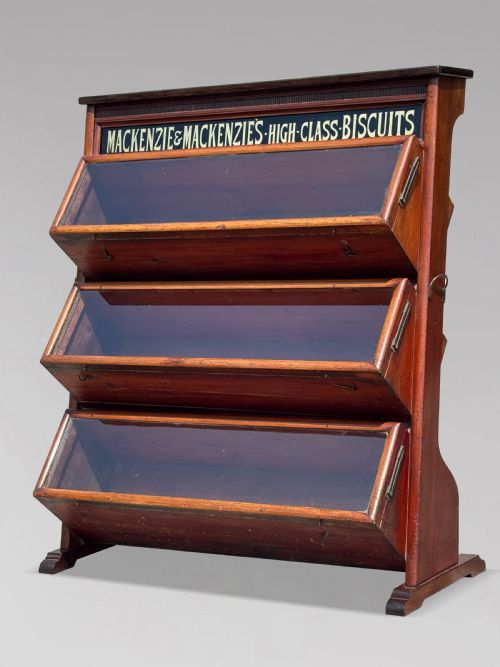
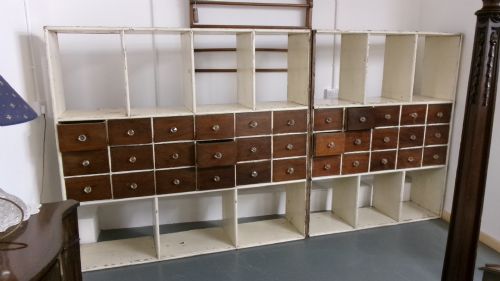
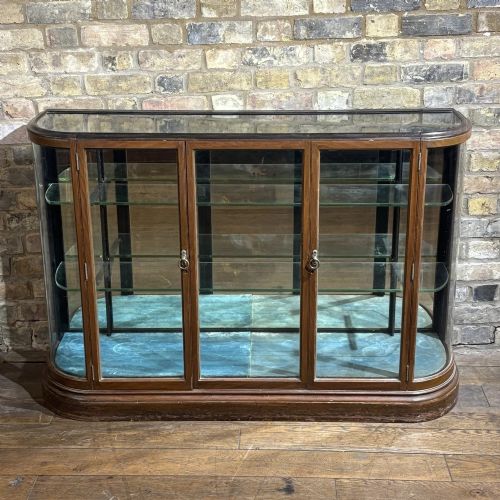
Buyers encounter long serving counters fitted with drawers, tabletop glazed display cases, and multi-tiered retail stands originating from Victorian and Edwardian periods.
Constructed by commercial shopfitters, these heavy timber frames and glass enclosures were designed for daily customer interaction and merchandise visibility.
Materials and Construction
Makers utilised solid mahogany and hardwood for structural frameworks, often pairing them with pine carcases and brass hardware.
Large glass panels and mirrors were integrated into the framing to maximise light penetration and reflect interior displays.
Joinery techniques relied on robust commercial standards, accommodating heavy drawers, sliding doors, and glazed display compartments.
Listings feature mahogany, glass, brass, and velvet across Victorian, Edwardian, and nineteen-twenties commercial shop fittings.
Quality and Proportion
The distinction between standard commercial fittings and superior pieces rests on timber selection, glazing integrity, and original maker branding.
Fine examples exhibit refined proportions, intact brass fittings, and specialised joinery such as bow ends or pentagonal shapes.
The presence of original manufacturer stamps or period sign-written brand decoration elevates the historical character of the counter.
F. Sage and Co·John Stow Ltd·E Pollard and Co Ltd
The Mahogany Haberdashery Counter Glossary
- Vitrine
- A glass display case designed to protect and exhibit delicate merchandise. These cabinets utilise glazed panels on multiple sides.
- Shop Fitting
- Custom fixtures and cabinetry produced for commercial retail environments. These items include display counters and banks of drawers.
- Bank of Drawers
- A tiered arrangement of multiple storage drawers built into a single housing. Such units served behind shop counters for organising stock.
- Drapers Table
- A large timber table utilised in textile and fabric shops for measuring and displaying cloth. They often feature sturdy hardwood construction.
- Countertop Display Cabinet
- A smaller glazed case placed on top of a main retail counter for impulse items. These portable units feature hinged or sliding glass doors.
Mahogany Haberdashery Counter: Frequently Asked Questions
What were mahogany haberdashery counters used for?
These counters served as functional shop furniture designed to hold, organise, and showcase retail stock directly to customers.
Merchants utilised the glazed compartments and deep drawers for textiles, sewing cottons, biscuits, and small confectionary items.
How do I date a shop display counter?
Dating relies on examining the timber construction, glass thickness, brass hardware styles, and any accompanying manufacturer marks.
Records show pieces spanning from the nineteenth century through the Edwardian era and into the nineteen-twenties commercial period.
Can I use these counters in a modern home?
These furniture pieces adapt well to residential interiors as kitchen islands, sideboards, or display storage units in living spaces.
The glass panels and mahogany frames allow owners to exhibit collections while providing practical surface area and drawer storage.
What is the difference between a counter and a cabinet?
Counters generally form low, substantial barriers meant for staff to stand behind while serving customers across the top surface.
Cabinets and vitrines usually function as taller standalone or tabletop display enclosures dedicated entirely to visual merchandising.