
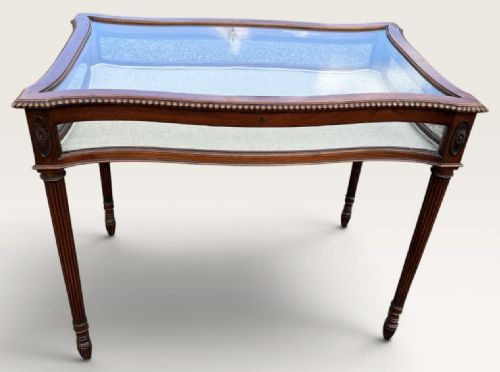
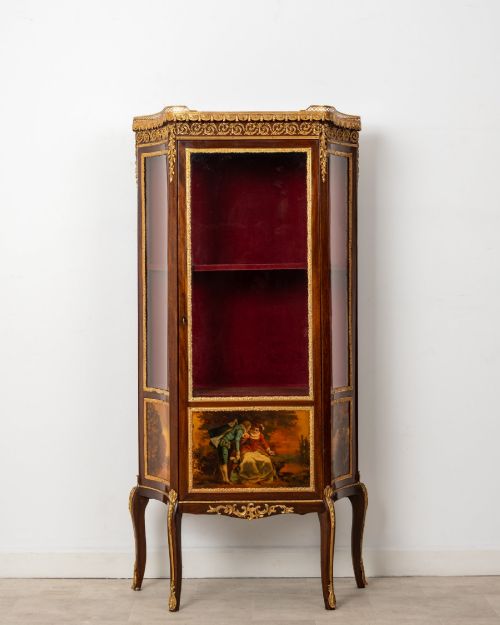
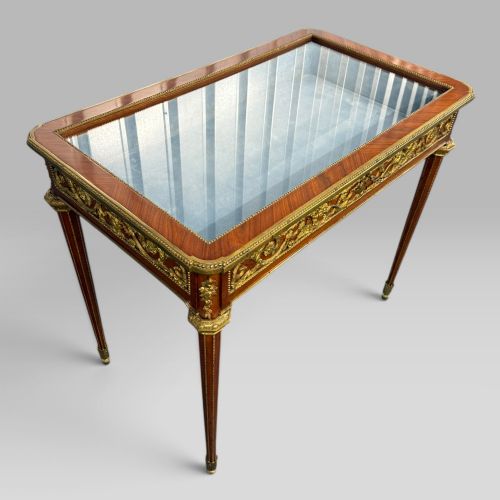
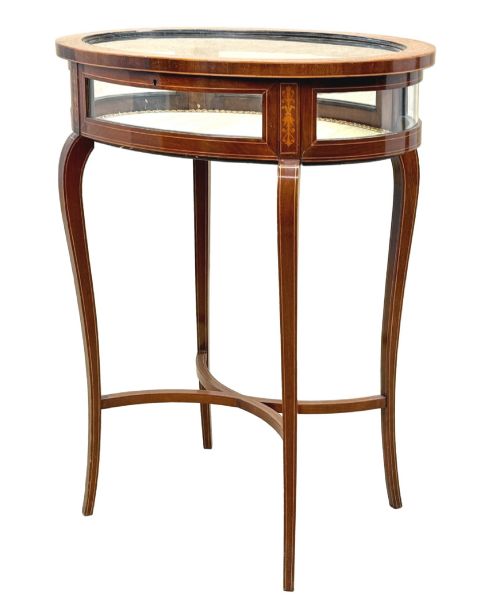
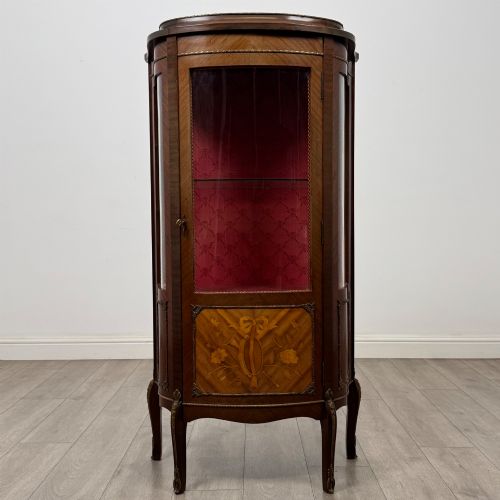
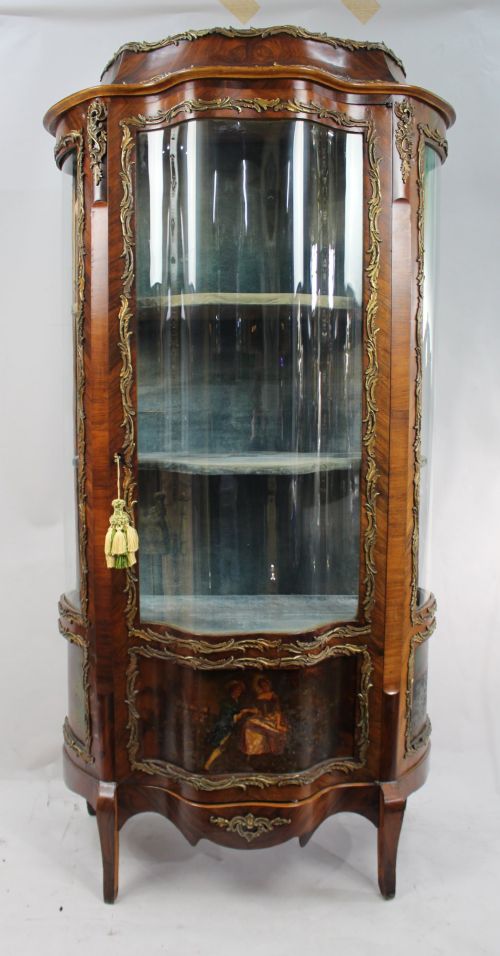
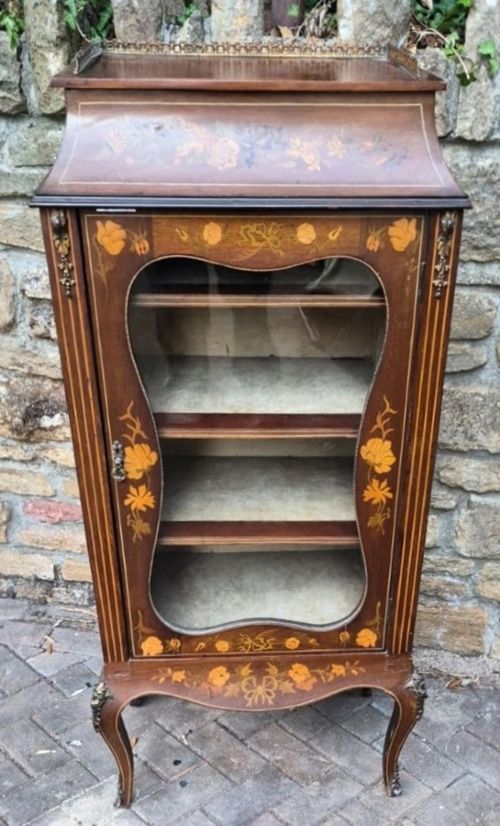
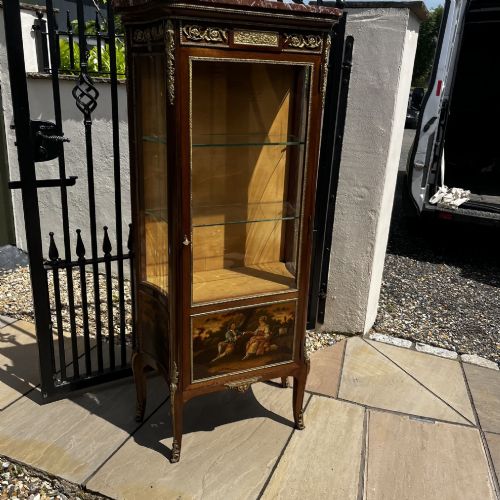


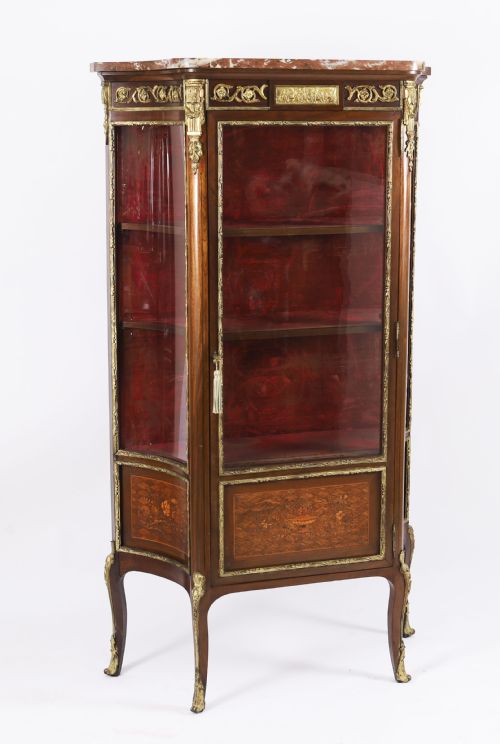
Mahogany French Vitrine Cabinet
A mahogany french vitrine cabinet brings sophisticated display space into a room, framing precious objects behind glazed panels.
Mahogany French Vitrine Cabinet
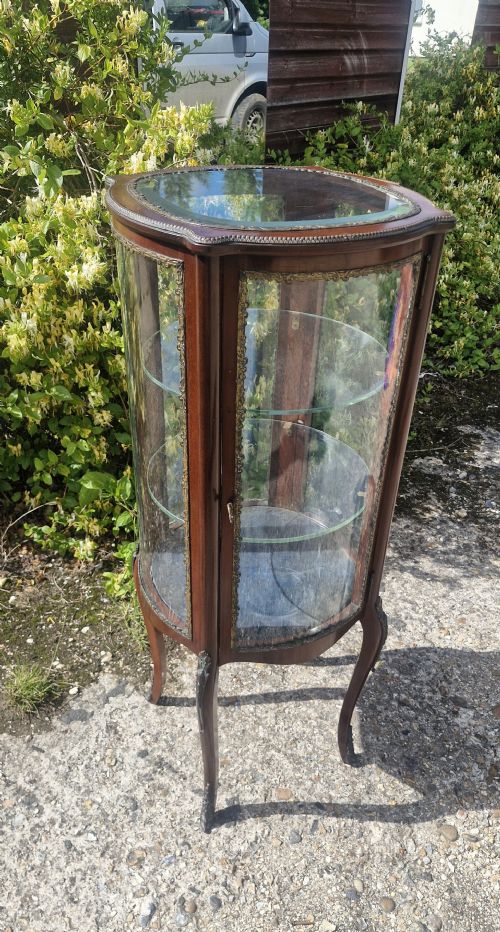
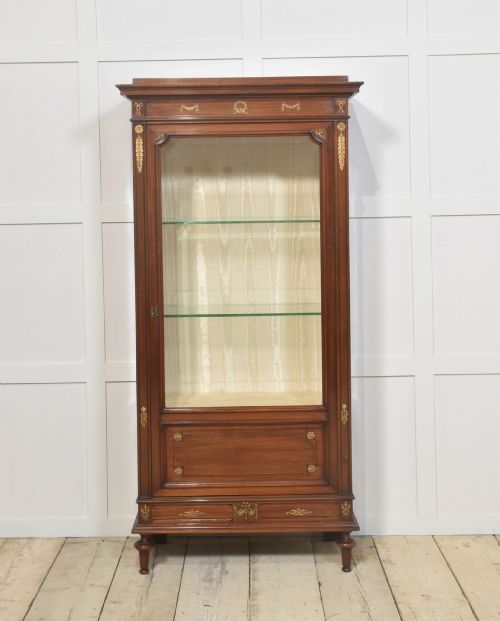
When searching for a mahogany french vitrine cabinet, buyers encounter sophisticated glazed display furniture designed to showcase treasured collections. These pieces primarily date from the nineteenth century and the Edwardian era, incorporating styles such as Louis XVI Revival, Louis XV Revival, and French Empire.
Materials and construction
Makers built these cabinets using solid and veneered mahogany, often selecting figured timber for visual depth on the main surfaces. Marble tops provide a durable and luxurious upper surface on several variants.
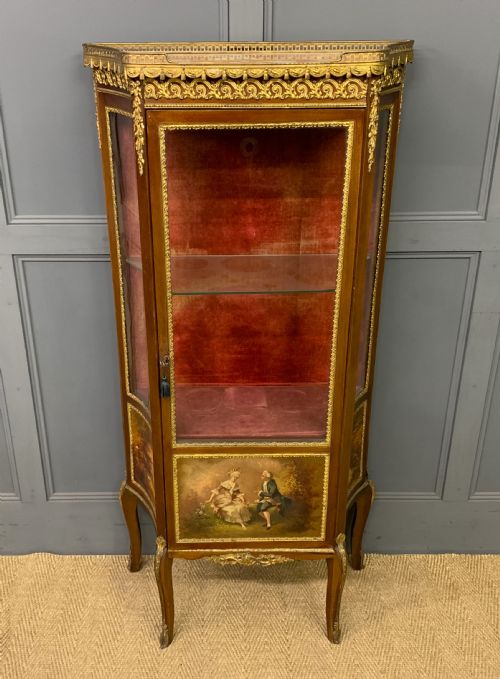
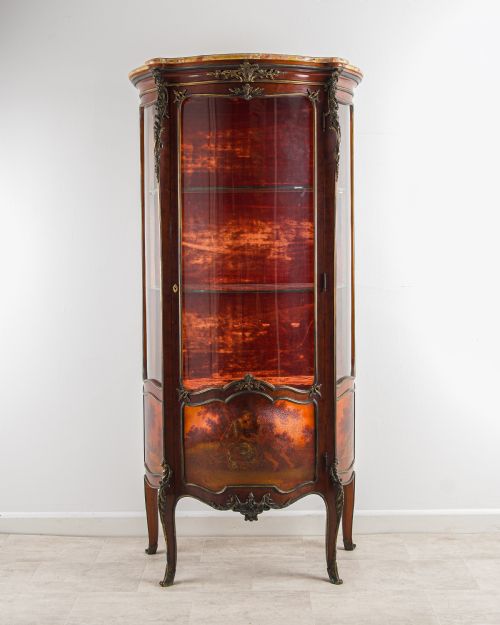
Ornate cast ormolu, gilt bronze, and brass mounts accent the framework, highlighting corners, feet, and glazed doors. Interior shelving often combines glass or wood, sometimes lined with fabric or velvet to cushion displayed items.
Some tea trolleys come equipped with drop sides, ready for an impromptu afternoon pastry service.
Judging quality
The refinement of the cast bronze or ormolu mounts separates standard production from exceptional examples, with finer pieces displaying sharp chiselling and depth. Hand-painted Vernis Martin panels add distinct artistic merit when present on the lower sections.
Structural integrity and the precision of the mitre joints, door alignment, and inlay determine the overall calibre. Makers who paid close attention to internal carcass construction produced pieces that retain their structural soundness and aesthetic appeal.
François Linke·Paul Sormani
The Mahogany French Vitrine Cabinet Glossary
- Vitrine
- A glass-fronted display cabinet designed for exhibiting porcelain, curiosities, or books. These freestanding or corner pieces protect delicate items from dust while offering maximum visibility.
- Ormolu
- Gilt bronze mounts applied to furniture for decorative effect. The technique involves applying a mercury and gold amalgam to bronze before firing.
- Vernis Martin
- A type of simulated Japanese lacquer developed in eighteenth-century France by the Martin brothers. Artisans used successive coats of varnish to create translucent painted panels.
- Bijouterie table
- A glass-topped display table with a shallow drawer or compartment for jewellery and small collectables. These pieces often stand on slender cabriole legs.
- Marquetry
- The art of applying decorative veneer pieces to a structure to form intricate designs. Craftsmen utilise various woods to create contrasting patterns on cabinet doors and panels.
Mahogany French Vitrine Cabinet: Frequently Asked Questions
Where should I place a vitrine cabinet?
Position your vitrine in a drawing room, dining room, or hallway where natural light highlights the glass panels and interior objects. Avoid placing antique mahogany directly next to heat sources or in strong direct sunlight.
Ensure the floor is level so the doors hang true and open smoothly without catching on the frame.
How do I clean the interior fabric?
Gently vacuum fabric or velvet linings using a low-suction brush attachment to remove dust without damaging the fibres. If the lining is worn, specialist conservators can replace it with matching antique-style silk or velvet.
Take care to remove all displayed items before undertaking any maintenance work inside the cabinet.
How do I distinguish Louis XV from Louis XVI style?
Louis XV style pieces, linked to French Rococo Revival, feature sweeping serpentine curves, asymmetrical ornamentation, and cabriole legs. In contrast, Louis XVI style embraces neoclassical symmetry, straight tapered legs, and geometric mouldings.
Examining the mounts and overall silhouette usually reveals which classical French period inspired the maker.