



Mahogany Framed Portrait Art
Mahogany framed portrait art brings character to a room through historical likenesses set within warm timber mouldings.
Mahogany Framed Portrait Art
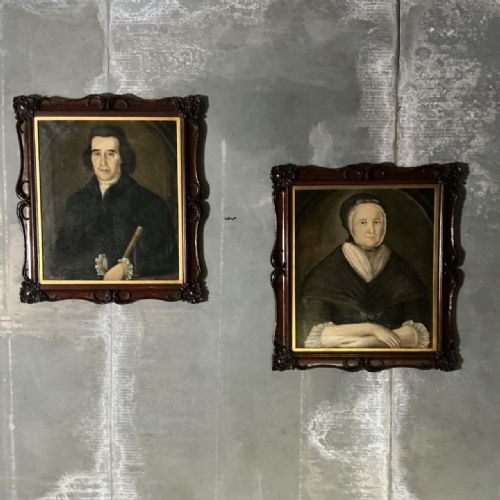
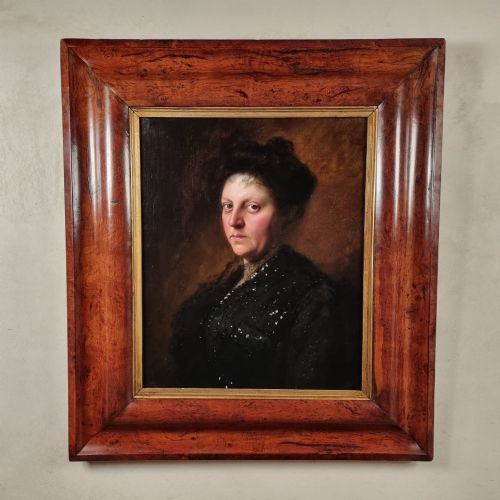
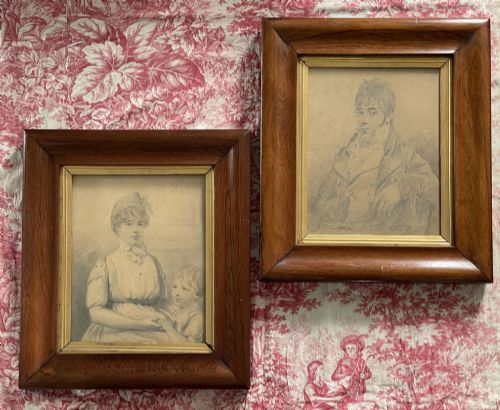
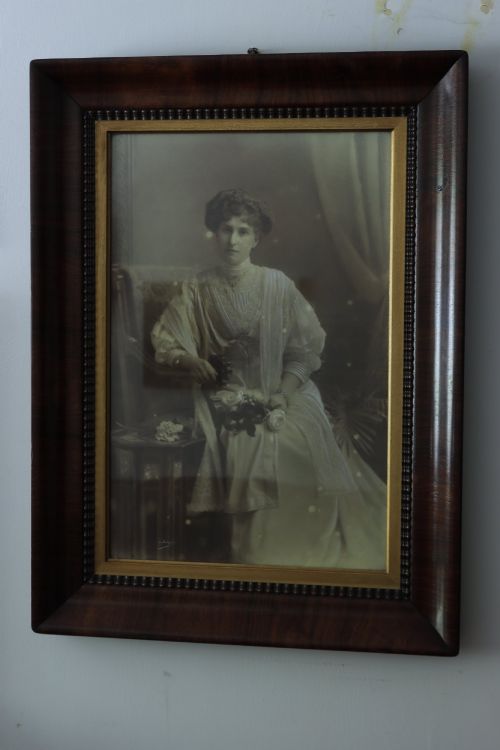
Mahogany framed portrait art comprises historic likenesses rendered in oil, watercolour, pencil, photography, or print, each secured inside timber framing. When you search for mahogany framed portrait art, you encounter diverse depictions spanning the eighteenth, nineteenth, and early twentieth centuries, capturing sitters from country gentlemen to officers and nobility.
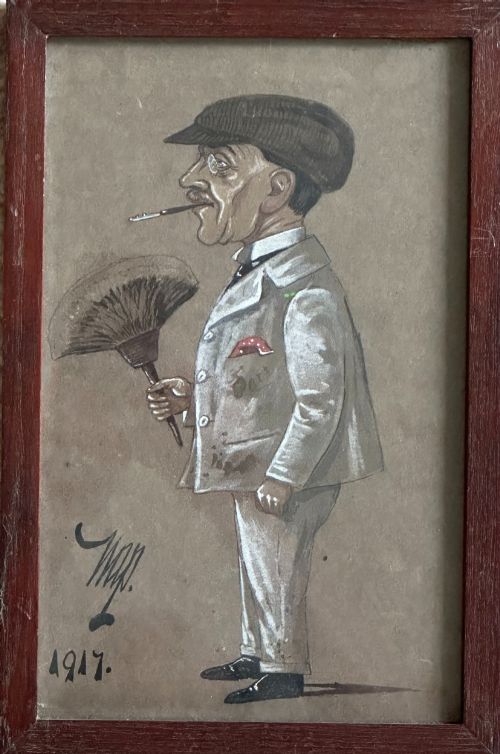
The pieces on this page range from modest nineteenth century pencil drawings and watercolour studies to striking oil paintings and printed works. These items bridge historical portraiture with traditional cabinetmaking, pairing facial character with rich wood grain.
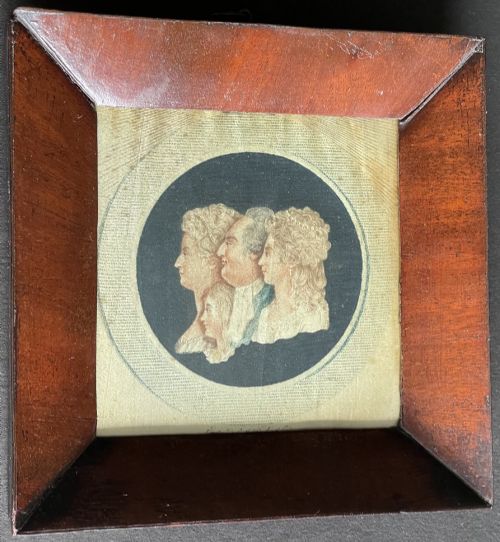
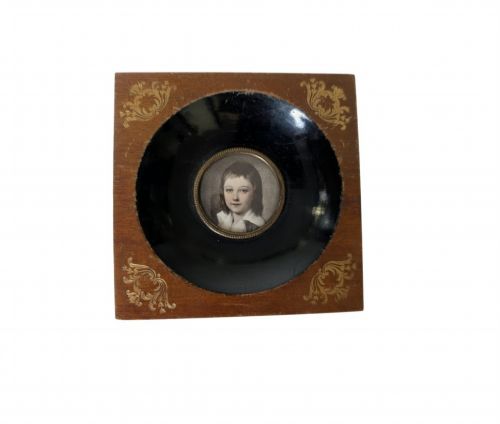
You meet various formats, including single gentlemanly studies, pairs of Victorian jockeys, and decorative prints within turned mahogany rounds. The primary unifying element across these works is the presence of timber surrounds enclosing human subjects.
Materials and construction
Makers shaped the surrounding structures from dense tropical timber, frequently polishing the surface to highlight deep reddish-brown wood grain. Many of these surrounds feature turned profiles, mitred corners, or applied gilt liners that add depth to the composition.
The artworks themselves utilise paper, canvas, or board as a base for media such as graphite, watercolour, and oil paint. Protective glass often covers works on paper and delicate prints, shielding the pigment from environmental wear.
Listings feature works spanning the seventeenth through to the early twentieth century, utilising oil, watercolour, photography, and print.
Assessing quality
Quality rests primarily on the skill of the artist and the crispness of the framing. Finer examples display confident brushwork or precise pencil linework that captures the sitter's anatomy and expression with vitality.
The construction of the surrounding timber also dictates standard. Superior frames utilise solid, well-figured mahogany with tight joinery and original patination, rather than later replacements or superficial stains.
The Mahogany Framed Portrait Art Glossary
- Mahogany
- A durable, reddish-brown tropical hardwood prized for furniture and picture frames. Its fine grain takes a high polish.
- Watercolour
- A painting method where pigment is suspended in a water-based solution on paper. It often appears in nineteenth-century portrait studies.
- Roundel
- A circular work of art, such as a painted portrait or cast relief. They frequently sit within custom turned wooden circular surrounds.
- Provenance
- The documented history of ownership of an artwork. It helps establish authenticity and dates for historical portraits.
Mahogany Framed Portrait Art: Frequently Asked Questions
How do I date these portraits?
Dating relies on the sitter's costume, hairstyle, and painting medium, alongside the construction style of the surrounding timber. Examination of the backing boards and fixings also offers clues to the age.
Earlier eighteenth-century pieces often display distinct canvas preparation and frame profiles compared to Victorian or Edwardian photographs and prints.
Are the frames original to the art?
Many pieces retain their contemporary surrounds, particularly where the timber profile complements the era of the portrait. Turned mahogany rounds and deep ogee mouldings frequently date to the same period as the work inside.
Some items have been paired with period-appropriate timber mouldings later in their history to enhance their display appeal.
How should I hang these pieces?
Hang these works away from direct sunlight and damp environments to protect both the paper or canvas and the wooden surrounds. Use picture hooks rated for the combined weight of the timber and glass.
Ensure the wall fixings are secure, as solid mahogany frames can carry substantial weight depending on their size.
What subjects appear in these portraits?
The sitters range from named historical figures and military officers to anonymous country gentlemen, ladies, and children. Sporting subjects, such as jockeys and racing pigeons, also appear.
This variety reflects the broad social spectrum recorded by artists and photographers across the centuries.