

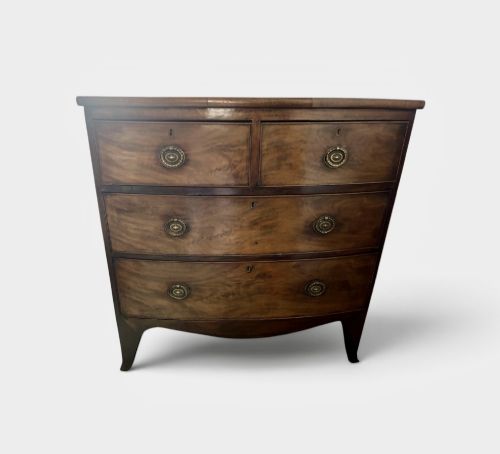


Mahogany Dresser Drawers
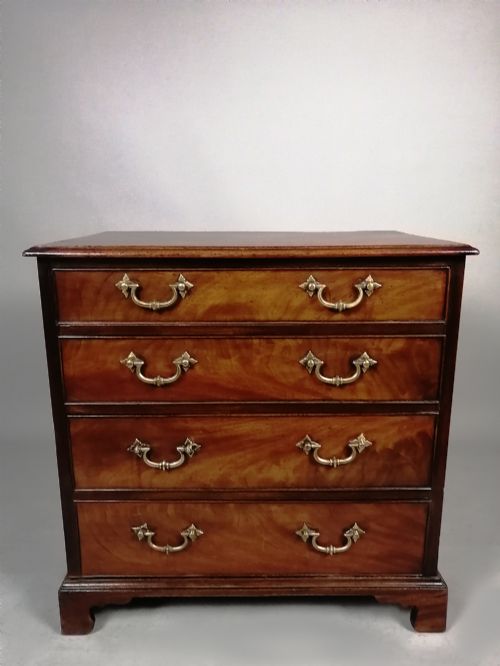
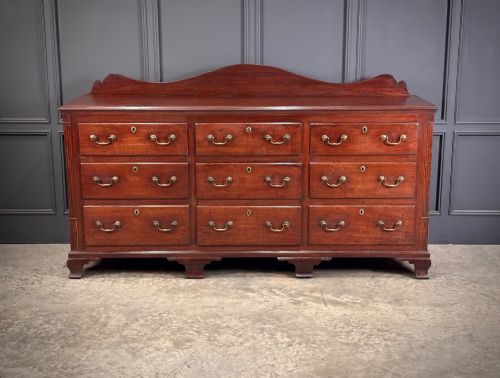
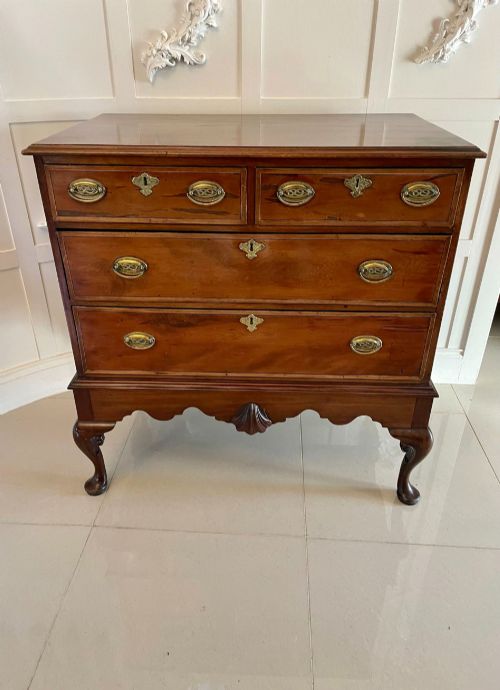
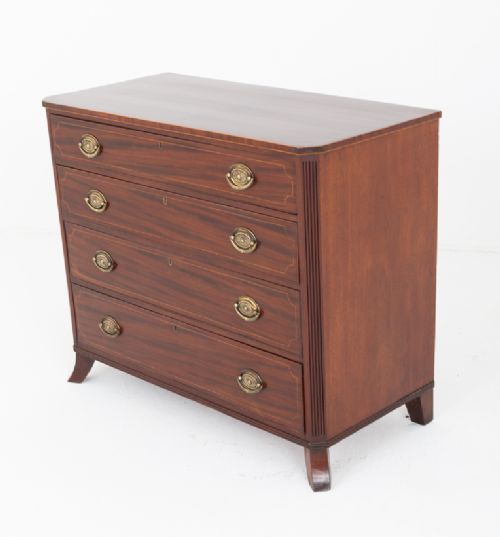
These mahogany dresser drawers bring rich timber grain and classic proportions to a room, offering practical storage disguised as fine furniture.
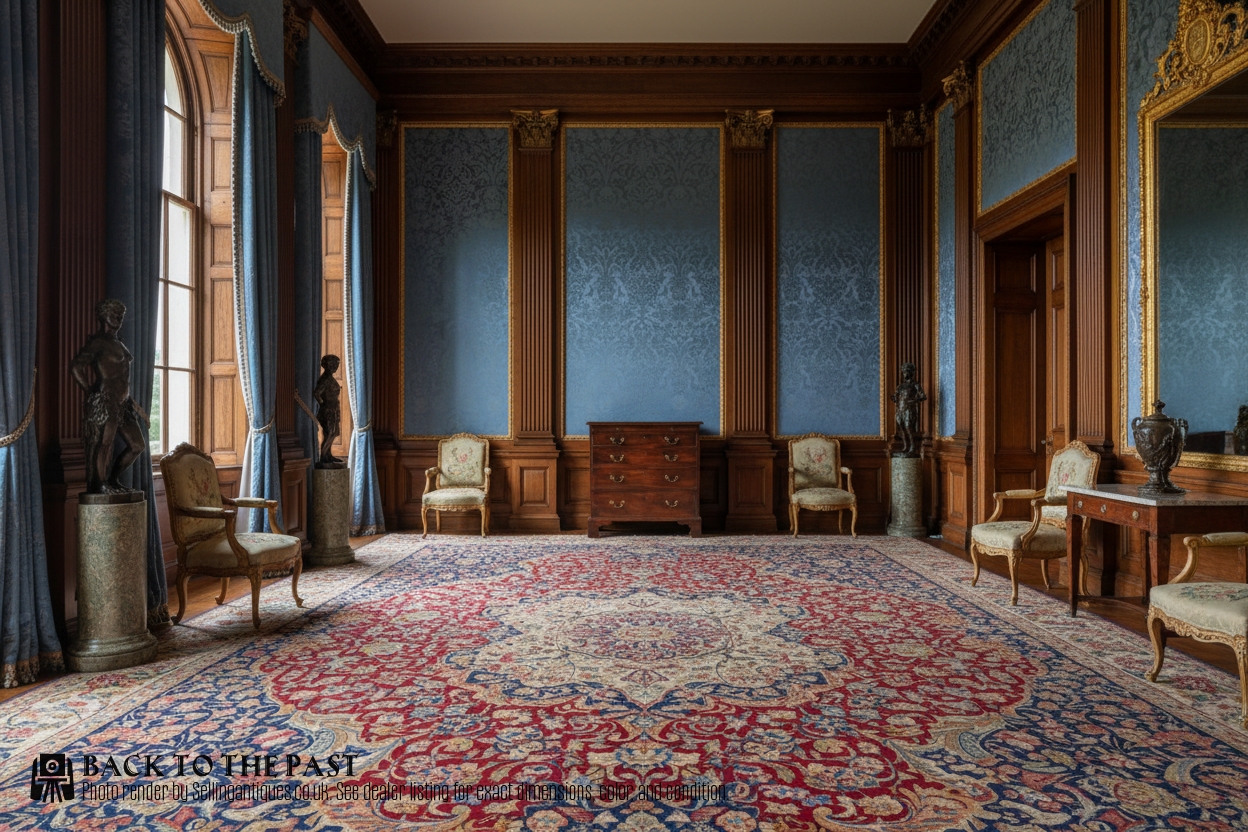
Mahogany Dresser Drawers
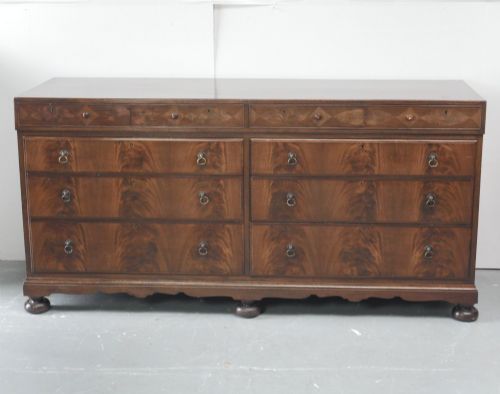
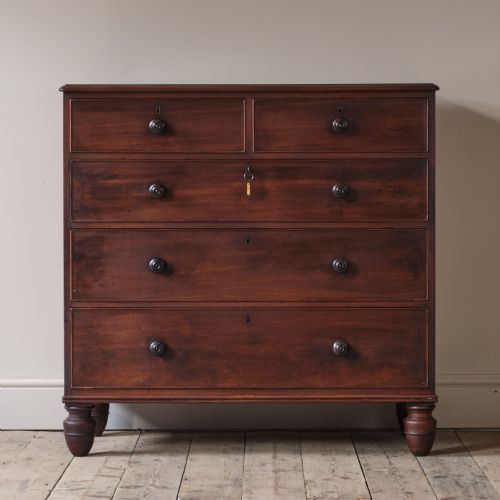
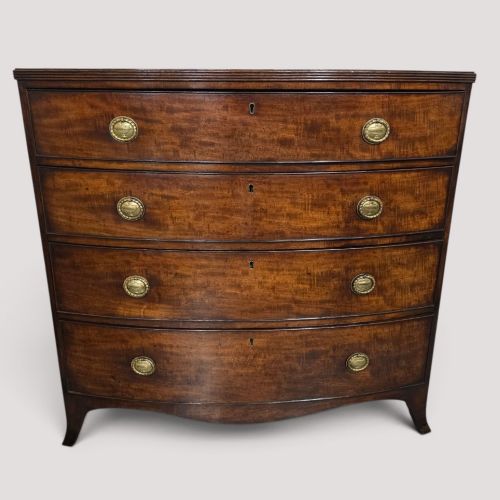
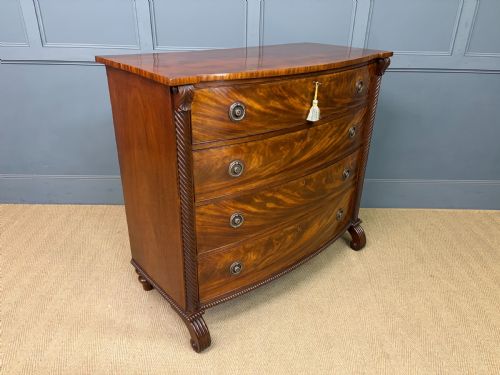
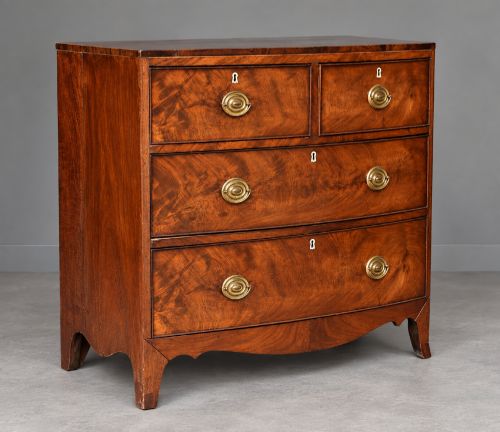
When you search for mahogany dresser drawers, you encounter a variety of forms primarily spanning the eighteenth, nineteenth, and early twentieth centuries. The selection ranges from compact small pieces to substantial four-height chests, often categorized under Georgian, Regency, Victorian, and Edwardian periods.
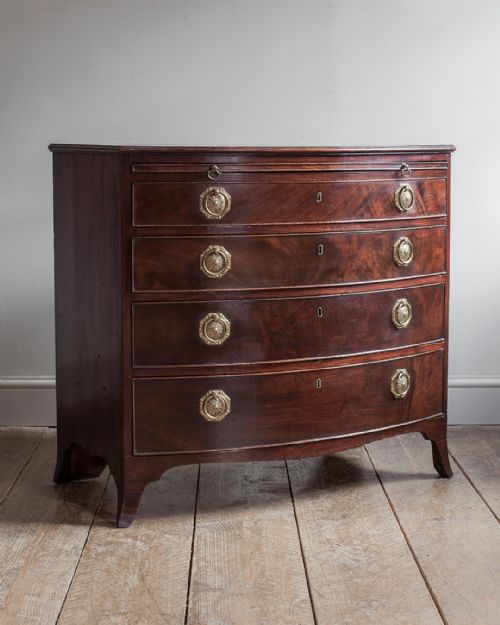
You are most likely to meet standard chests of drawers alongside bow front and serpentine outline versions. These pieces originate from distinct design movements such as George III, George IV, and Biedermeier, showing both English and Scottish craftsmanship.
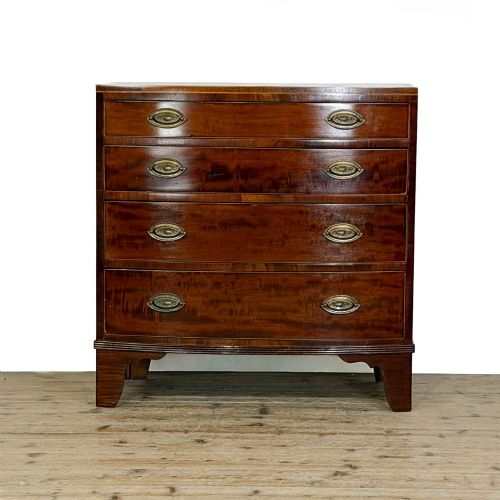
The inventory includes specialised items like miniature furniture and apprentice pieces alongside full-sized domestic storage. Common configurations feature graduated drawer arrangements, occasionally accompanied by a brushing slide or brass handles.

Judging Quality and Execution
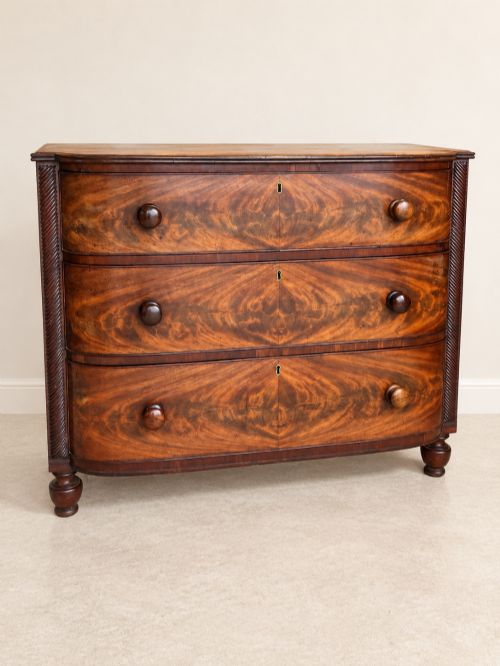
The standard of the timber selection dictates much of the visual appeal, with highly figured flame veneer and consistent grain marking superior examples. The crispness of the serpentine or bow front shaping also indicates the skill of the cabinetmaker.
Construction methods reveal the underlying craftsmanship, particularly in the tightness of the dovetail joints on the drawers and the smoothness of their glide. Secondary wood choices and the retention of original brass handles contribute to the integrity of the piece.
Mahogany Dresser Drawers Retail Price Guide 2026
Typical asking prices for mahogany dresser drawers among the pieces listed under this phrase on Sellingantiques today, from the lower quarter to the upper quarter. They describe what is for sale here now, not the wider market.
Apprentice pieces allowed young woodworkers to practice complex curved drawer fronts on a miniature scale before tackling full-sized client commissions.
Whytock & Reid·T & G Seddon·J Moorcroft
The Mahogany Dresser Drawers Glossary
- Bow Front
- A convex curved front that swells outward in the centre, commonly seen on Regency and Georgian chests. This shape requires precise woodworking to ensure the drawers operate smoothly within the curved frame.
- Serpentine
- A horizontally undulating front shape featuring a central convex curve flanked by concave sweeps. It represents a more complex cabinetmaking technique than straight or bow fronts.
- Crossbanding
- A strip of veneer applied to the border of a top or drawer front with the grain running perpendicular to the main panel. This decorative technique creates a contrasting border frame.
- Brushing Slide
- A pull-out shelf positioned just below the top surface, traditionally used for folding clothes or brushing garments. It slides discreetly back into the cabinet frame when not in use.
- Apprentice Piece
- A smaller scale model demonstrating a craftsman's skill to attain master status, or a salesman's miniature sample. These items replicate the full-sized furniture in detail and proportion.
Mahogany Dresser Drawers: Frequently Asked Questions
What is the difference between a chest of drawers and a dresser?
In British antique terminology, these terms often overlap when describing drawer units, though traditional dressers may incorporate plate racks or open shelving above.
The pieces listed under this search focus entirely on the drawer chests used for bedroom or parlour storage rather than kitchen display dressers.
How do I identify a Georgian mahogany chest?
Georgian pieces typically display restrained classical proportions, solid brass loop handles, and precise dovetailing on the drawer boxes. Many examples from this era feature subtle bracket feet or neat apron bases.
Looking closer at the secondary timbers, such as oak linings, and the depth of the mahogany colour helps confirm the eighteenth or early nineteenth century origin.
Where were Scottish chests made?
Scottish cabinetmakers produced distinctive forms, often characterised by deep top drawers, concealed pulvinar drawers, and bold column details. Workshops in Edinburgh and Glasgow utilised high-grade mahogany for these substantial pieces.
Apprentice pieces and miniature chests also emerged from Scottish workshops, mirroring the robust proportions of their larger counterparts.
What is flame mahogany?
Flame mahogany is a veneer cut from the branch junctions of the tree, producing a distinctive rippled, flame-like grain pattern. Cabinetmakers reserved this striking wood for prominent surfaces like drawer fronts and tops.
Victorian and Regency pieces frequently employed this veneer to create dramatic visual contrast against simpler mahogany surrounds.
How do I care for antique mahogany furniture?
Maintain antique mahogany by keeping it away from direct sunlight and sudden temperature changes, which can dry out the timber and veneer. Regular dusting with a soft, dry cloth preserves the polished finish.
Applying a traditional beeswax polish occasionally helps nourish the wood and maintain its natural lustre without building up heavy chemical residues.