


Mahogany Double Settee
A mahogany double settee brings structured seating and rich grain timber into a room, spanning styles from Georgian elegance to Edwardian refinement.
Mahogany Double Settee
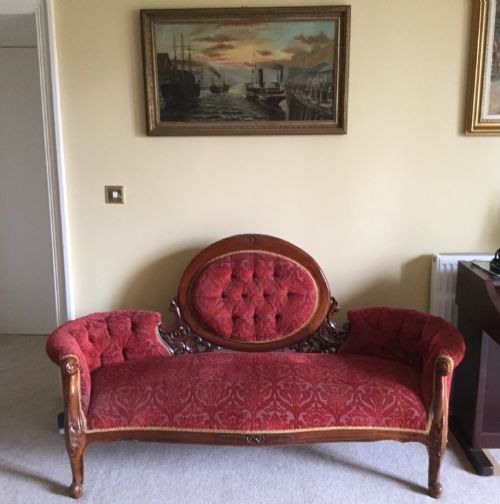
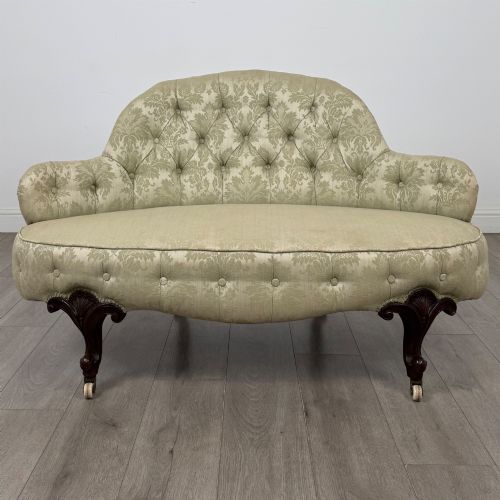
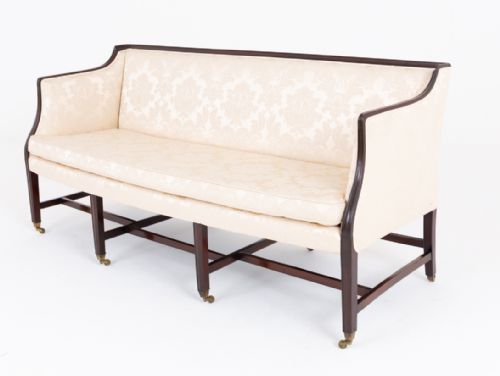
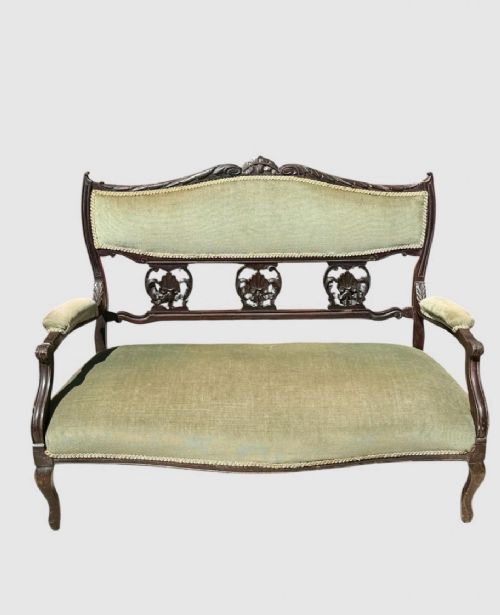
A mahogany double settee provides a two-seater format designed for parlours, drawing rooms and bedrooms. These pieces emerge primarily from the Georgian, Victorian and Edwardian periods, showcasing the longevity of timber framing.
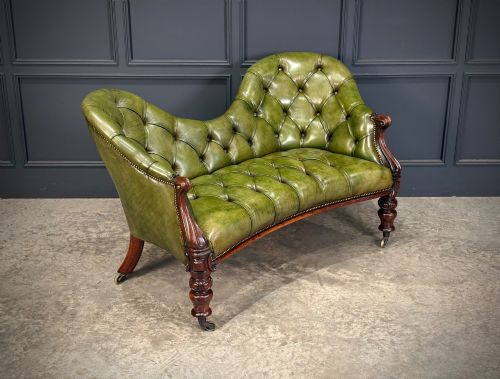
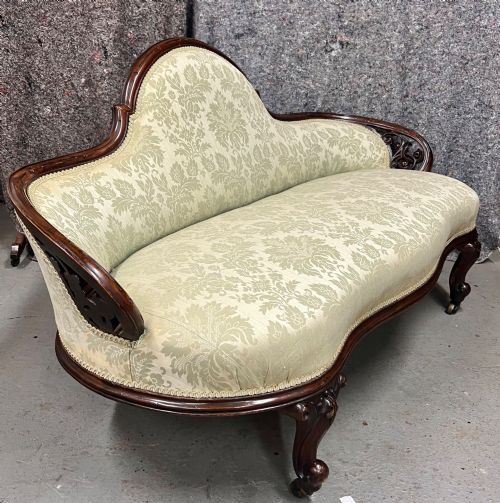
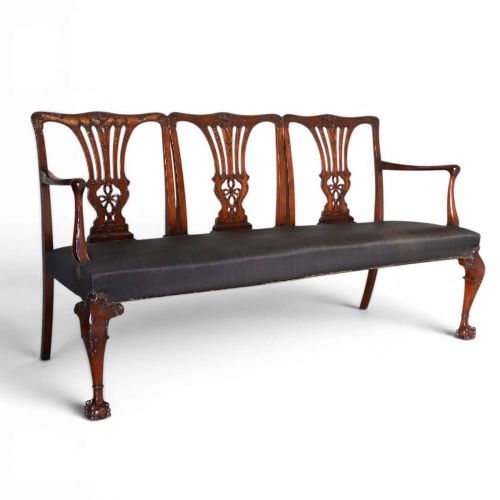
The options range from chair-back designs echoing Chippendale and George II styles to upholstered double-ended scroll sofas. Buyers encounter variations including buttoned leather, damask and plain fabric coverings over sprung bases.
Makers of these settees utilised durable dense wood to support intricate carved details on show-wood frames. The form serves as both a functional seat and a focal point within period interiors.
Materials and construction methods
Frames rely on solid mahogany, sometimes accented with satinwood inlay or brass fixtures. Timber sections are shaped through turning and hand-carving, yielding sturdy structures designed to endure.
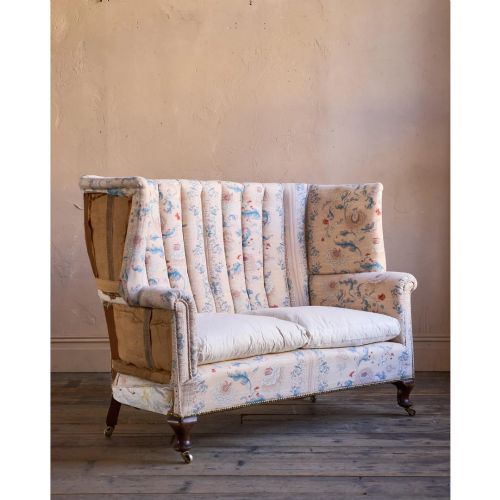
Upholstery techniques involve hessian foundations, sprung bases and deep-pile brocade, velvet or leather coverings. Traditional stuffing materials and buttoning secure the fabric tightly to the wooden armature.
Several double-ended sofas double as daybeds, proving that Victorians took afternoon reclining with the utmost seriousness.
Markers of distinction and build
Quality rests in the crispness of the carved details on the mahogany frame and the selection of figured timber grain. Superior examples display balanced proportions, tight joinery and sympathetic restoration.
The grade of upholstery materials, from simple hessian to heavy damask or patinated leather, alters the tactile finish. Pieces retaining original show-wood polish alongside sound internal springing stand apart.
The Mahogany Double Settee Glossary
- Double-ended sofa
- A couch featuring matching scrolled or raised ends that allow a person to recline from either side.
- Chair-back settee
- A seating form where the back is constructed to mimic two or three conjoined dining chair backs.
- Satinwood inlay
- Contrasting pale timber inserted into the darker mahogany surface in geometric or floral patterns.
- Show-wood
- Exposed polished timber frame parts left visible around the upholstered sections of a sofa.
- Spoon-back
- An upholstered chair or settee back shaped in the concave profile of an oval spoon.
Mahogany Double Settee: Frequently Asked Questions
Where should I place a mahogany double settee?
These settees fit well in living rooms, large hallways or spacious bedrooms where the timber frame remains visible from multiple angles. Positioning them away from direct sunlight protects the polished wood and delicate fabrics.
Pairing the seat with antique occasional tables creates a balanced seating arrangement that respects traditional room layouts.
How do I care for the mahogany frame?
Dust the timber regularly with a dry, soft cloth to prevent particulate buildup on the carved surfaces. Avoid silicone-based polishes, opting instead for traditional beeswax applied sparingly to nourish the grain.
Keep the settee away from sudden temperature fluctuations and heat sources to prevent the wood from splitting or warping over time.
Are these settees comfortable for daily use?
Many examples feature sprung bases and padded squabs designed for actual sitting rather than purely decorative display. The depth and height vary significantly between early Georgian chair-backs and later Victorian upholstered models.
Examining the internal webbing and padding helps determine the level of support each individual piece provides.
How can I tell a Victorian settee from a Georgian one?
Georgian pieces often emphasise structural woodwork through chair-back designs and restrained carving, reflecting classical proportions. Victorian examples lean towards heavier frames, spoon-backs and buttoned leather or deep upholstery.
Examining the tools marks, timber thickness and joinery style reveals the manufacturing period.