
Mahogany Cupboard with Shelves
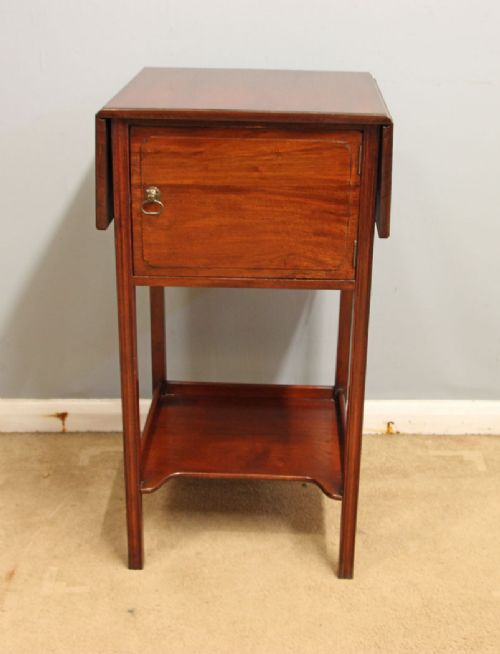
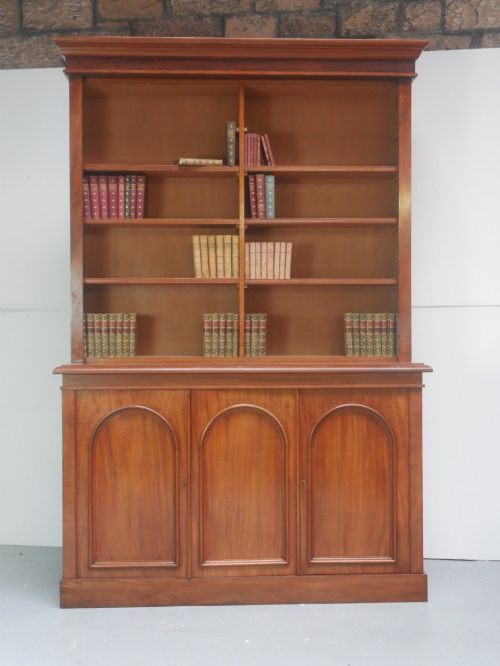
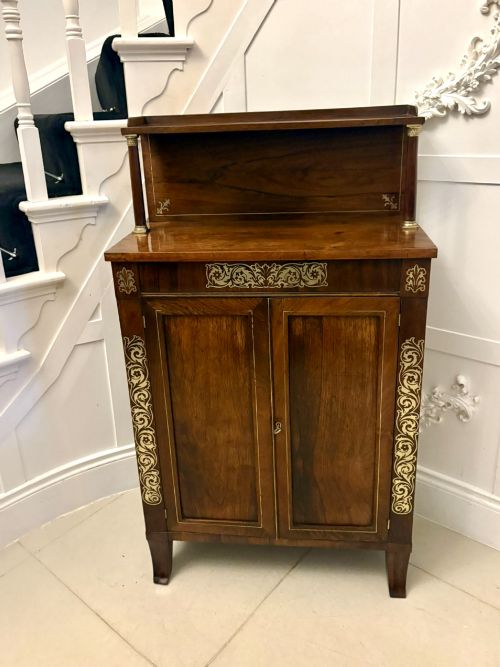
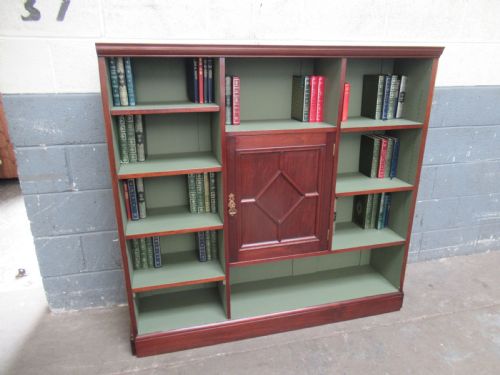
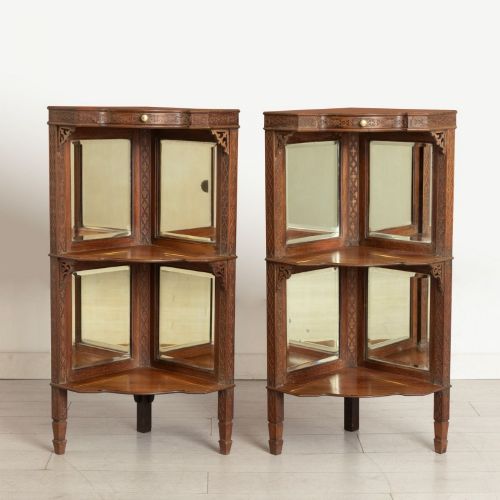
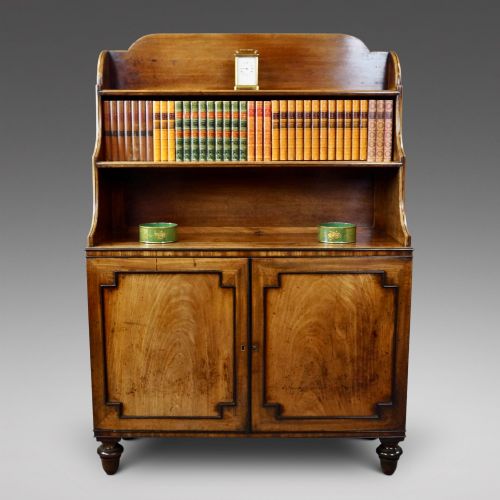
A mahogany cupboard with shelves provides essential storage and display, appearing here in forms from compact chiffoniers to tall library bookcases.
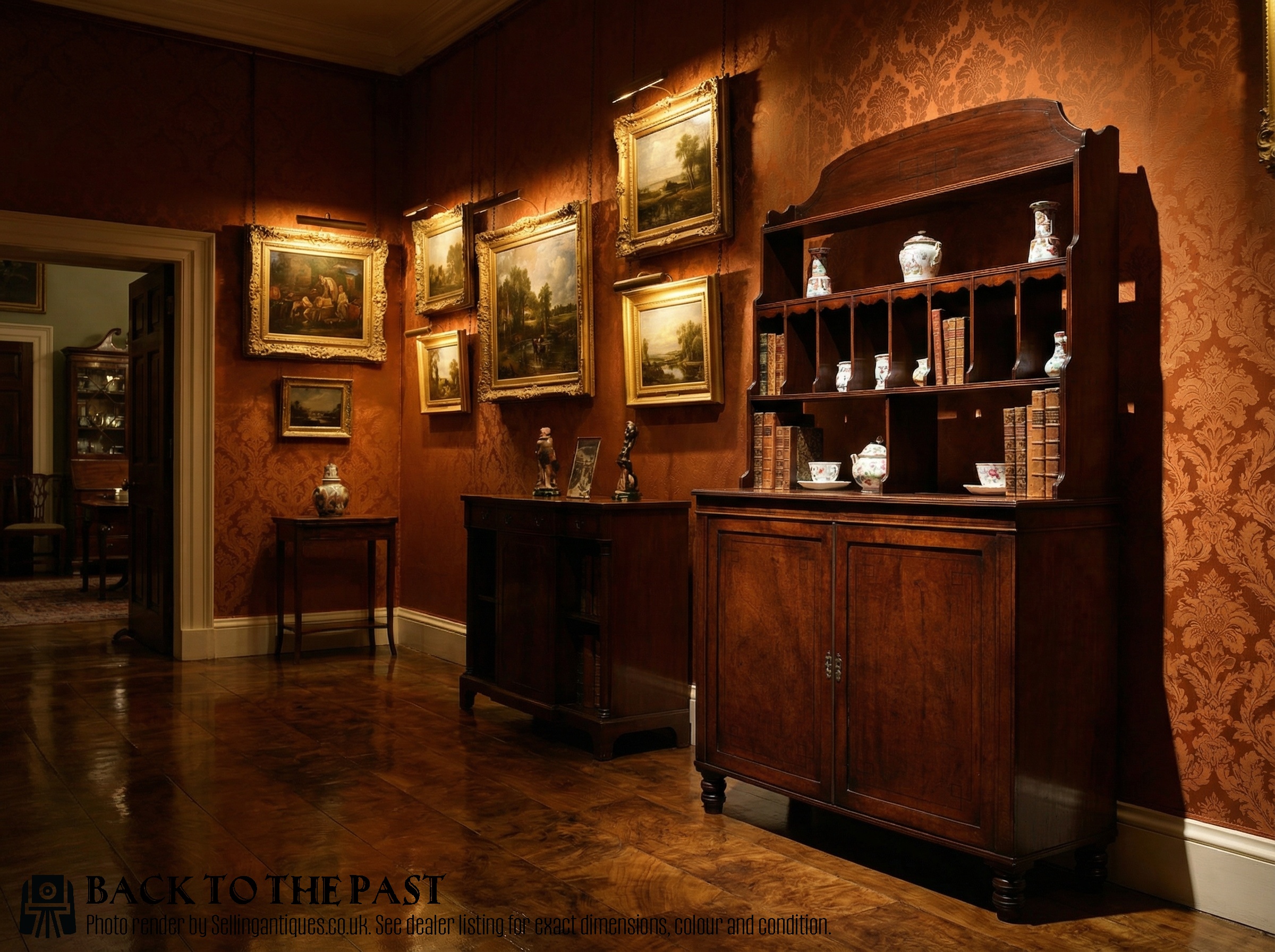
Mahogany Cupboard with Shelves
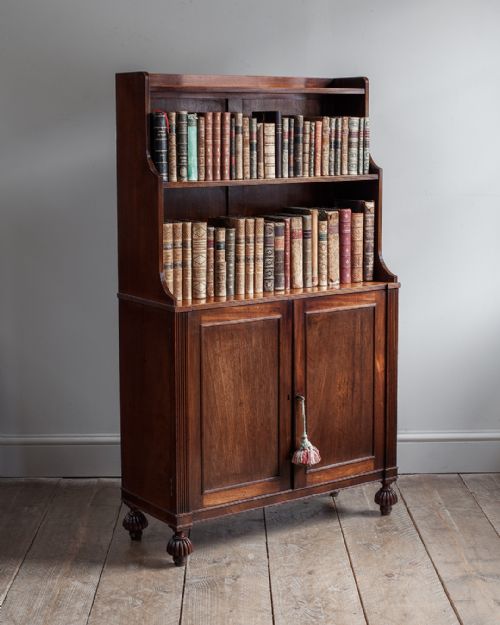
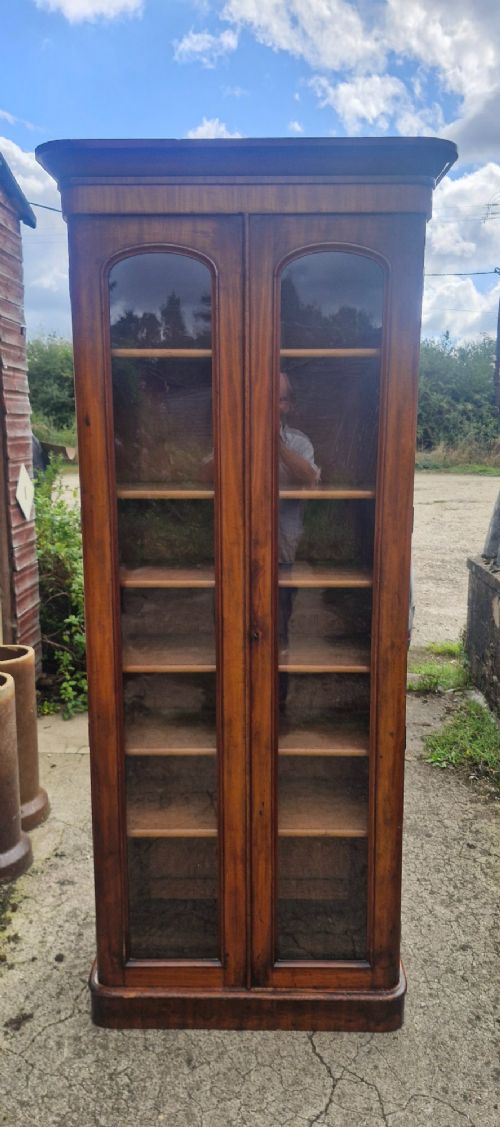
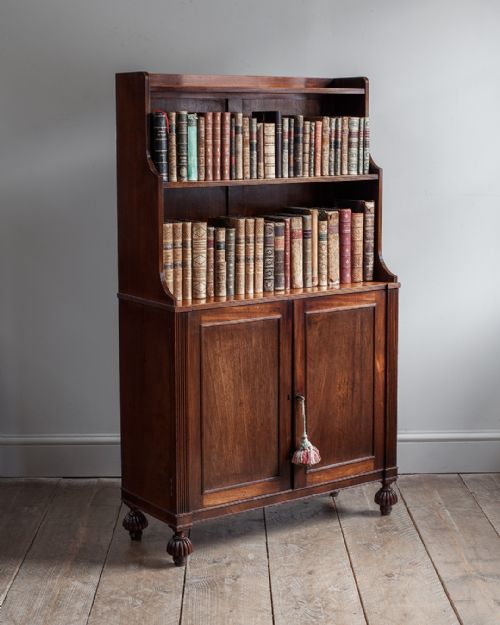
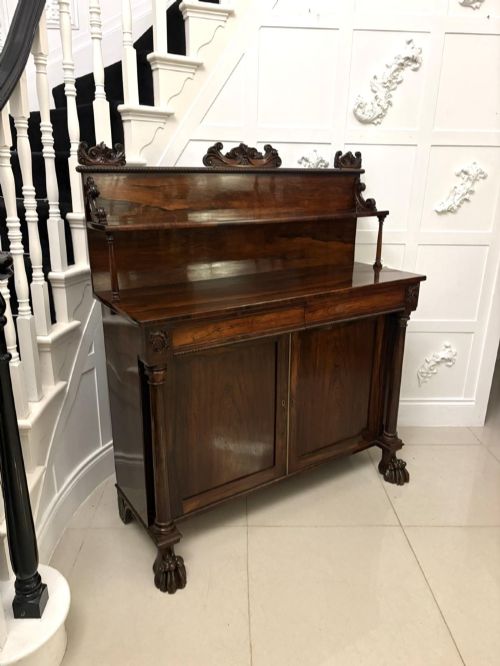
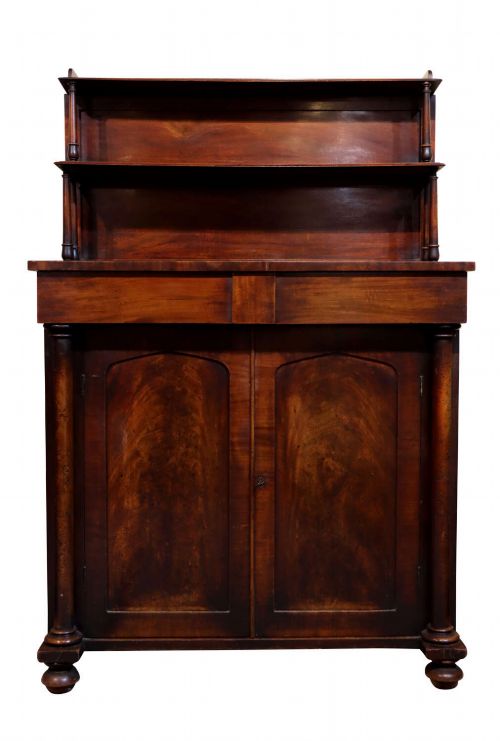
A mahogany cupboard with shelves spans several centuries of cabinet-making, frequently appearing as bookcases, chiffoniers, and side cabinets across Georgian, Regency, and Victorian periods. These pieces combine enclosed storage space with open or glazed shelving, serving practical functions in libraries, living rooms, and bedrooms.
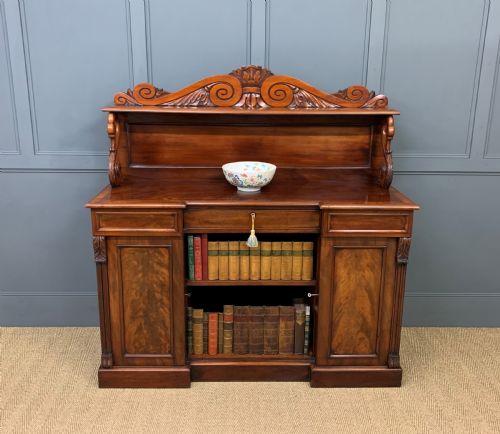
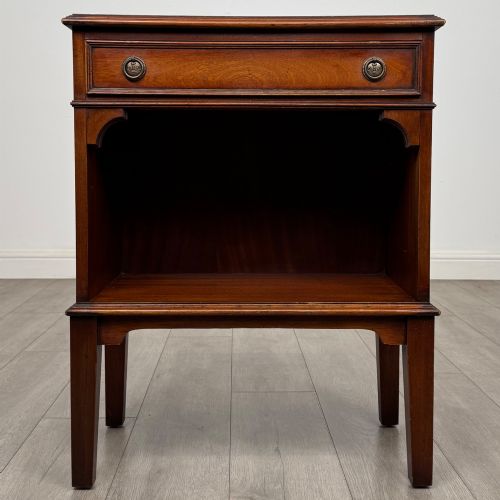
The version most commonly encountered on this page is the Victorian or Regency chiffonier, which pairs a lower cupboard enclosed by timber doors with upper shelves or a glazed display section. Open bookcases and bedside cabinets in mahogany also recur frequently among the listings, alongside smaller scaled Edwardian examples.
Origins stretch from the late eighteenth century through to the early twentieth century, incorporating specific regional workshop traditions such as Cotswold School pieces or identifiable Dublin cabinet-makers. Buyers select these items for domestic utility and the rich grain of the timber.
What Varies In Quality
The selection of timber grain heavily influences the visual standing of a piece, with matched flame mahogany veneers representing a higher standard of craftsmanship than plain stock. Finely figured panels demonstrate greater skill in timber preparation and selection by the original maker.
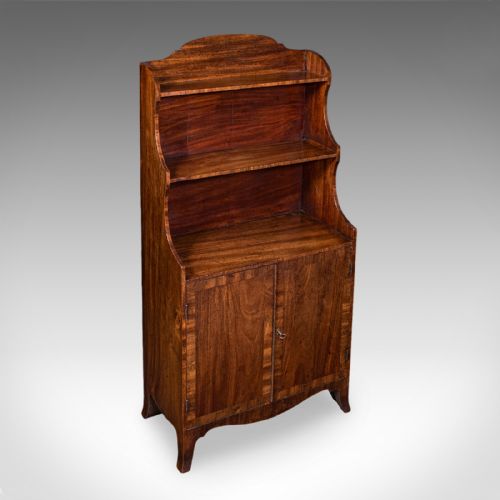
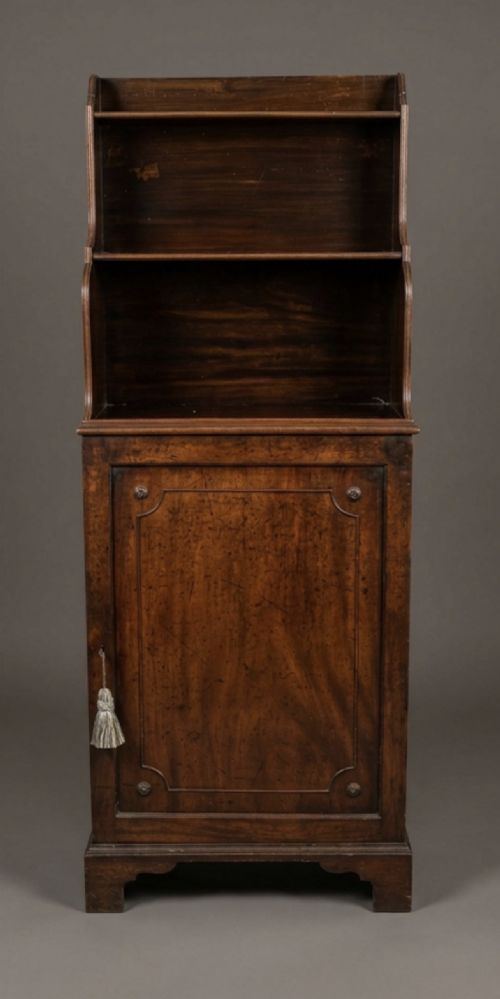
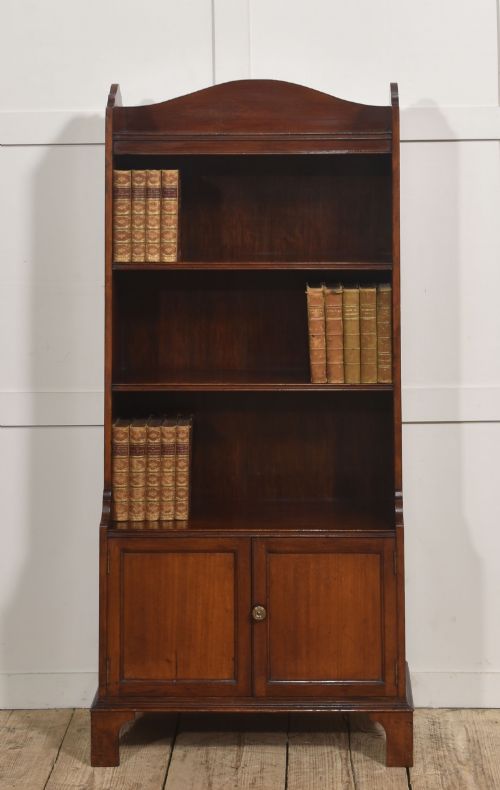
Proportion and scale distinguish standard production items from exceptional workshop commissions, where smaller proportions or unusual configurations like waterfall tiers command attention. Integrated details such as adjustable shelving mechanisms, brass castors, and original hardware indicate superior original manufacture.
Mahogany Cupboard with Shelves Retail Price Guide 2026
Typical asking prices for mahogany cupboard with shelves among the pieces listed under this phrase on Sellingantiques today, from the lower quarter to the upper quarter. They describe what is for sale here now, not the wider market.
Several pieces include secret drawers hidden behind carved mouldings, designed for storing private correspondence away from prying eyes.
Robert Strahan·Shapland & Petter
The Mahogany Cupboard with Shelves Glossary
- Chiffonier
- A low sideboard or cabinet with a cupboard base, frequently topped with a shelf or a small superstructure for display. This form became particularly popular during the Regency and Victorian eras.
- Flame mahogany
- A veneer cut from the fork of the mahogany tree where the branch meets the trunk, producing a distinctive flickering flame pattern. Cabinet-makers used this veneer on prominent surfaces like door panels.
- Waterfall bookcase
- A set of open bookshelves where each successive shelf is narrower than the one below, creating a stepped profile resembling a cascading waterfall. These pieces often incorporate a small cupboard section at the base.
- Escutcheon
- A protective plate surrounding a keyhole, usually cast in brass and occasionally featuring decorative engraving. These small elements help date a piece based on their metal composition and style.
Mahogany Cupboard with Shelves: Frequently Asked Questions
How do I adjust the shelves?
Many Victorian and Regency bookcases utilise wooden toothed ratchets or brass shelf studs inserted into vertical tracks inside the cabinet walls. Simply lift the shelf clear of its supports and reposition the pins into the desired slots.
Older pieces may feature fixed shelves or simple wooden support battens screwed into the interior sides. Care should be taken when adjusting shelves in antique furniture to avoid damaging the aged timber grooves.
Where were these cupboards used?
Cabinet-makers designed these items for domestic reception rooms, libraries, and bedrooms to store books, tableware, and household linens. Chiffoniers typically stood in dining rooms or parlours to hold serving items and display decorative objects.
Smaller bedside cabinets and music cabinets served private chambers and drawing rooms respectively. Their dual function of closed storage and open display made them versatile additions to period homes.
How do I care for mahogany?
Maintenance requires regular dusting with a soft, dry cloth and occasional application of traditional beeswax to nourish the polished surface. Avoid placing timber furniture in direct sunlight or near heat sources to prevent the wood from drying out.
Liquid spills should be wiped away immediately to protect the polish and veneer. Consistent indoor humidity levels help preserve both the solid mahogany and applied veneers.
Are the shelves strong enough for heavy books?
Most antique mahogany shelving handles standard volumes comfortably, though thick reference books can cause longer shelves to bow over time. Solid timber shelves offer greater weight capacity than veneered alternatives.
Distributing heavier volumes across shorter shelves or lower sections helps maintain the structural integrity of the piece. Checking the thickness of the shelf timber gives a good indication of its load-bearing capacity.