


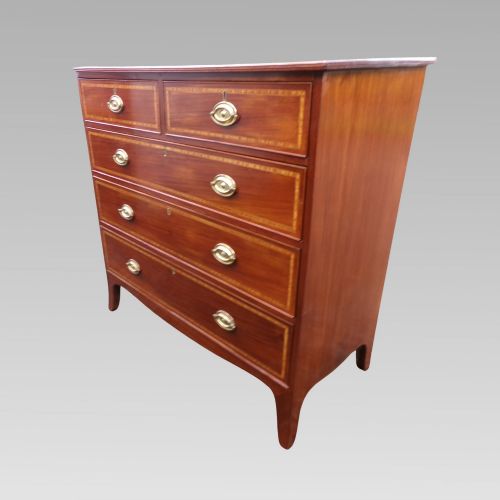


Mahogany Crossbanded Cabinet
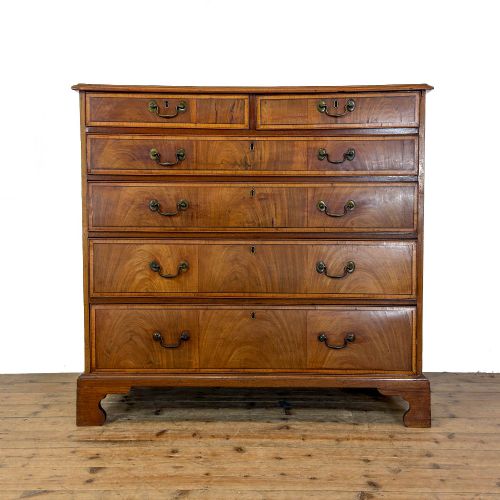
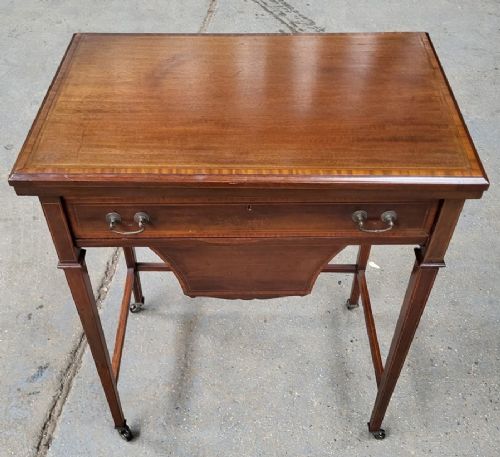
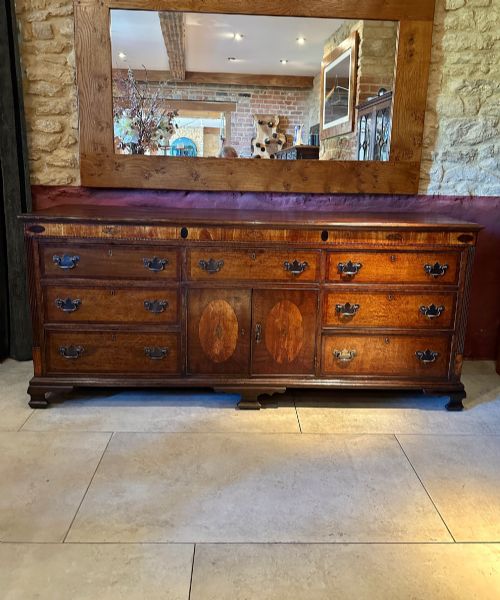
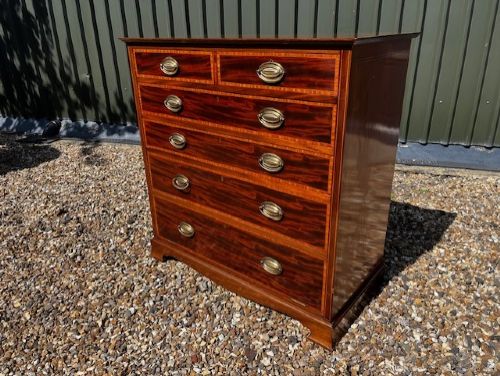
These mahogany crossbanded cabinet pieces bring figured timber and contrasting borders into a room, offering practical storage with decorative framing.
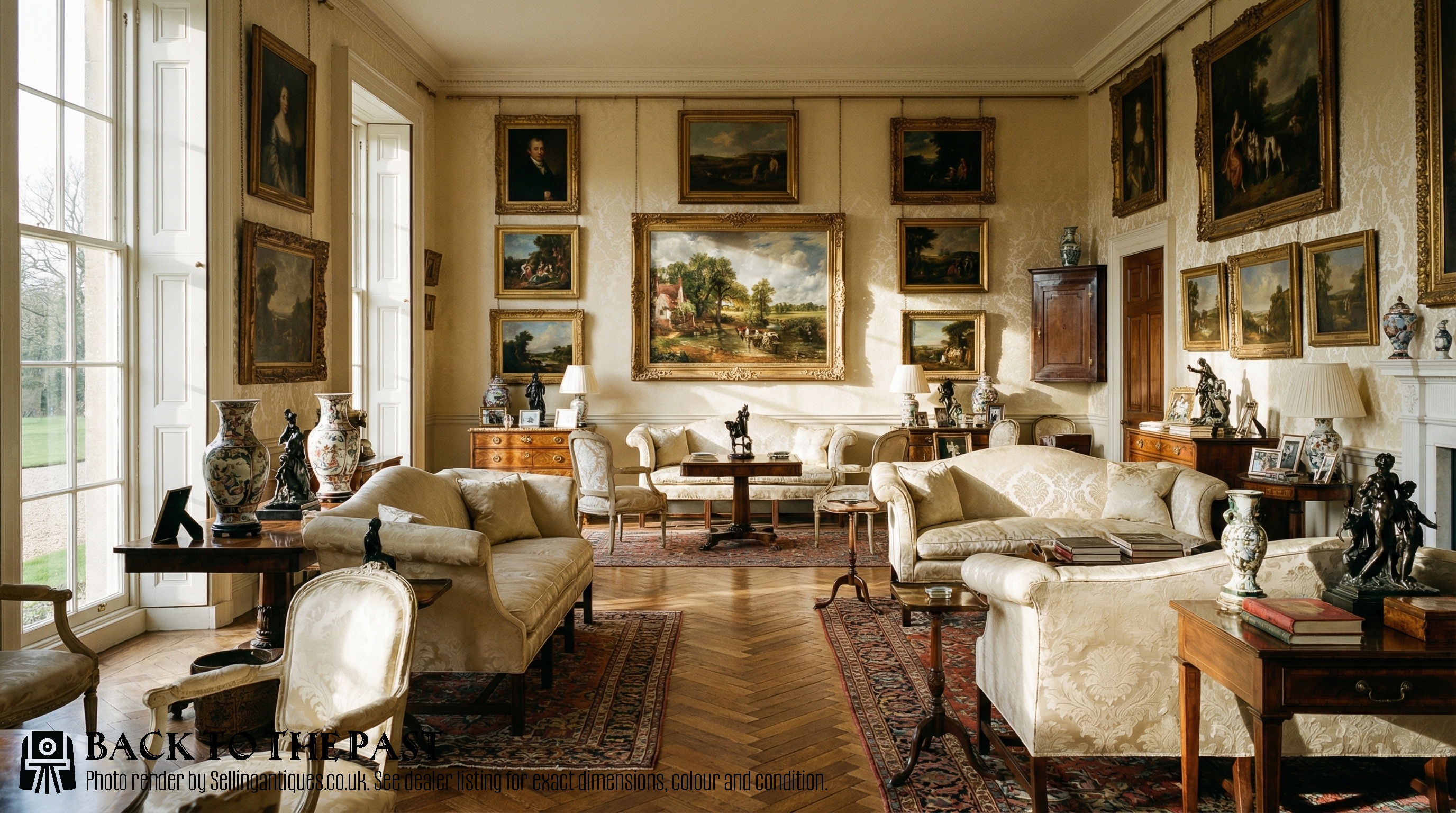
Mahogany Crossbanded Cabinet
A mahogany crossbanded cabinet encompasses various storage forms built in mahogany and finished with distinctive border veneers running across the grain. Buyers searching this phrase encounter practical household pieces spanning the Georgian, Victorian, and Edwardian eras, alongside Sheraton Revival interpretations.
The selection ranges from tall chests of drawers and sideboards to corner cupboards, linen presses, bureaux, and games tables. Among these, chests of drawers and corner cabinets appear most frequently, offering traditional storage solutions for modern interiors.
Origins stretch from the late eighteenth century through to the early twentieth century, showing how cabinetmakers adapted classical proportions across different decades. Oak and walnut also appear as structural or secondary timbers within these groups, paired with the characteristic mahogany surface.
Materials and Construction
Makers constructed these pieces primarily using solid mahogany and mahogany veneers, often incorporating contrasting satinwood, rosewood, or inlaid wood for decorative borders. The crossbanding technique involves laying veneer strips with the grain running perpendicular to the surrounding surface, creating a neat framed effect.
Brass fittings such as handles, escutcheons, and hinges appear alongside glass panels in display and wall-hanging corner cupboards. Internal secondary woods like oak support the primary exterior mahogany framework.
Some Edwardian games tables hide their playing surfaces beneath crossbanded tops, ready for an impromptu evening of cards.
Assessing Quality and Execution
Quality rests on the crispness of the crossbanding and the choice of figured mahogany veneers used across the primary surfaces. Finer examples display harmonious grain patterns where the contrasting border woods meet cleanly at the corners.
The execution of secondary details, such as the precision of inlaid stringing and the weight of brass hardware, separates standard workshop production from finer cabinet work. Structural integrity in the drawers, doors, and cornices further defines the standard of the piece.
The Mahogany Crossbanded Cabinet Glossary
- Crossbanding
- A border veneer technique where strips of wood are laid with the grain running perpendicular to the main panel. This frames the surface and provides a neat decorative contrast.
- Satinwood
- A pale, lustrous timber frequently utilised for stringing and crossbanding on mahogany furniture. It creates a bright contrast against darker primary woods.
- Serpentine
- A gently curved front shape undulating inward and outward in a single continuous line. It demands precise carpentry to execute properly on drawer fronts.
- Linen Press
- A tall storage piece featuring upper cabinet doors enclosing sliding trays or shelves, positioned above a chest of drawers base. Originally designed for storing folded linens.
- Cellarett
- A dedicated cabinet or box intended for holding wine bottles safely. These often sit low to the ground and feature fitted internal compartments.
Mahogany Crossbanded Cabinet: Frequently Asked Questions
What periods do these cabinets come from?
The pieces span the Georgian, Victorian, and Edwardian periods, including specific dates around the turn of the nineteenth and twentieth centuries.
Craftsmanship styles range from authentic eighteenth-century George III pieces to later Edwardian Sheraton Revival revivals.
How do I identify crossbanding?
Crossbanding appears as a distinct border strip around the edges of drawer fronts, tabletops, or cabinet doors where the wood grain runs across the width of the strip rather than along it.
Cabinetmakers used this method to frame the primary timber and add visual depth to flat surfaces.
Where were corner cabinets placed?
Wall-hanging and standing corner cupboards were designed to fit neatly into the ninety-degree angle of a room. They maximised floor or wall space in smaller dining rooms and parlours.
Their glazed or panelled doors kept dust away from displayed porcelain or stored household items.
What is a linen press used for today?
A linen press provides deep internal shelving and drawer space suited for modern bedroom or landing storage. The sliding trays behind the upper doors hold folded garments and linens effectively.
The lower chest portion functions identically to a standard chest of drawers.