
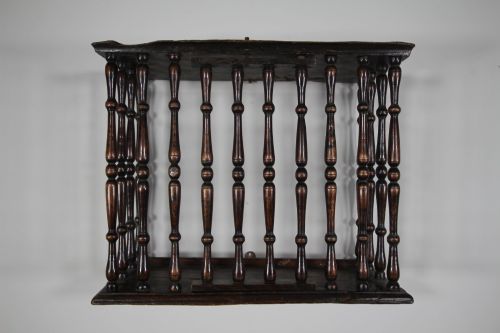



English Oak Wall Cupboard
An english oak wall cupboard brings domestic history directly onto a room's timber panels, offering practical hanging storage shaped by centuries of regional design.
English Oak Wall Cupboard
When searching for an english oak wall cupboard, a buyer encounters pieces designed to utilise awkward angles or save floor space in domestic interiors. The forms span corner cabinets, hanging spice cupboards, mural livery pieces, and small display units.
The material record shows a dominance of oak, supplemented by mahogany crossbanding, fruitwood inlay, and occasional glass panels for display purposes. The chronological scope stretches from the seventeenth century through Georgian and Victorian eras into Edwardian production.
Corner cupboards dominate the available selection, often built with bow fronts or flat sides to fit snugly against domestic wall junctions. Hanging wall cabinets also appear frequently, serving functional roles in kitchens, reception halls, and living spaces.
Materials and Construction
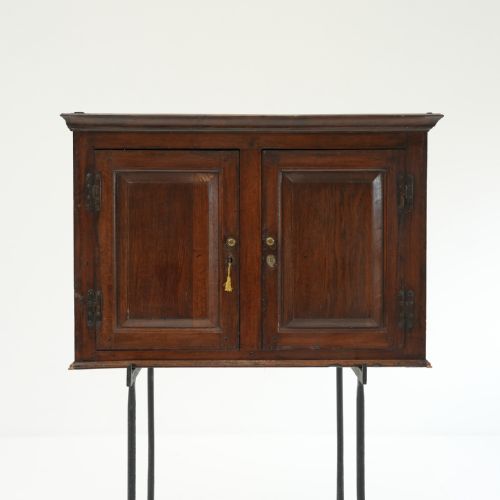
Makers constructed these pieces primarily from solid oak, sometimes incorporating secondary timbers like fruitwood for inlay or mahogany for decorative crossbanding. Brass fittings such as H-hinges, escutcheons, and working locks provide structural integrity and functional hardware.
Surface decoration relies on joinery techniques, carving, and contrasting wood inlay rather than applied pigments, though original paint survives on select examples. Glazed doors utilise timber framing to hold glass panels, ranging from simple panes to astragal configurations.
Listings span periods from the 17th century through the Georgian and Victorian eras, utilising oak, mahogany, glass, and brass.
Assessing Craftsmanship
Quality in an english oak wall cupboard rests on the selection of timber and the precision of the joinery used in its assembly. Grain alignment, the subtlety of fruitwood or mahogany crossbanding, and the crispness of carved details separate standard utility pieces from finer commissions.
The integration of secondary materials, such as well-fitted brass hardware and intact glass panes, marks the distinction between utilitarian storage and refined craftsmanship. Structural stability in hanging mechanisms and the preservation of original backboards further define the higher tier of surviving examples.
The English Oak Wall Cupboard Glossary
- Crossbanding
- A strip of veneer applied to the border of a panel, running perpendicular to the grain of the central wood. This technique adds a decorative frame using contrasting timbers like mahogany.
- Astragal
- A moulded strip of timber dividing panes of glass within a glazed door. These fine mouldings create geometric patterns typical of Georgian cabinetry.
- Mural livery cupboard
- A wall-mounted storage unit originating in earlier centuries, often associated with the seventeenth century. Such pieces held provisions or household items off the floor.
- Bow front
- A cabinet front that curves outward in a convex shape. This form softens the angles of a room, particularly on corner units.
- Escutcheon
- A flat plate of brass surrounding a keyhole. It protects the surrounding wood from wear and adds a decorative metallic accent.
English Oak Wall Cupboard: Frequently Asked Questions
Where were these cupboards placed?
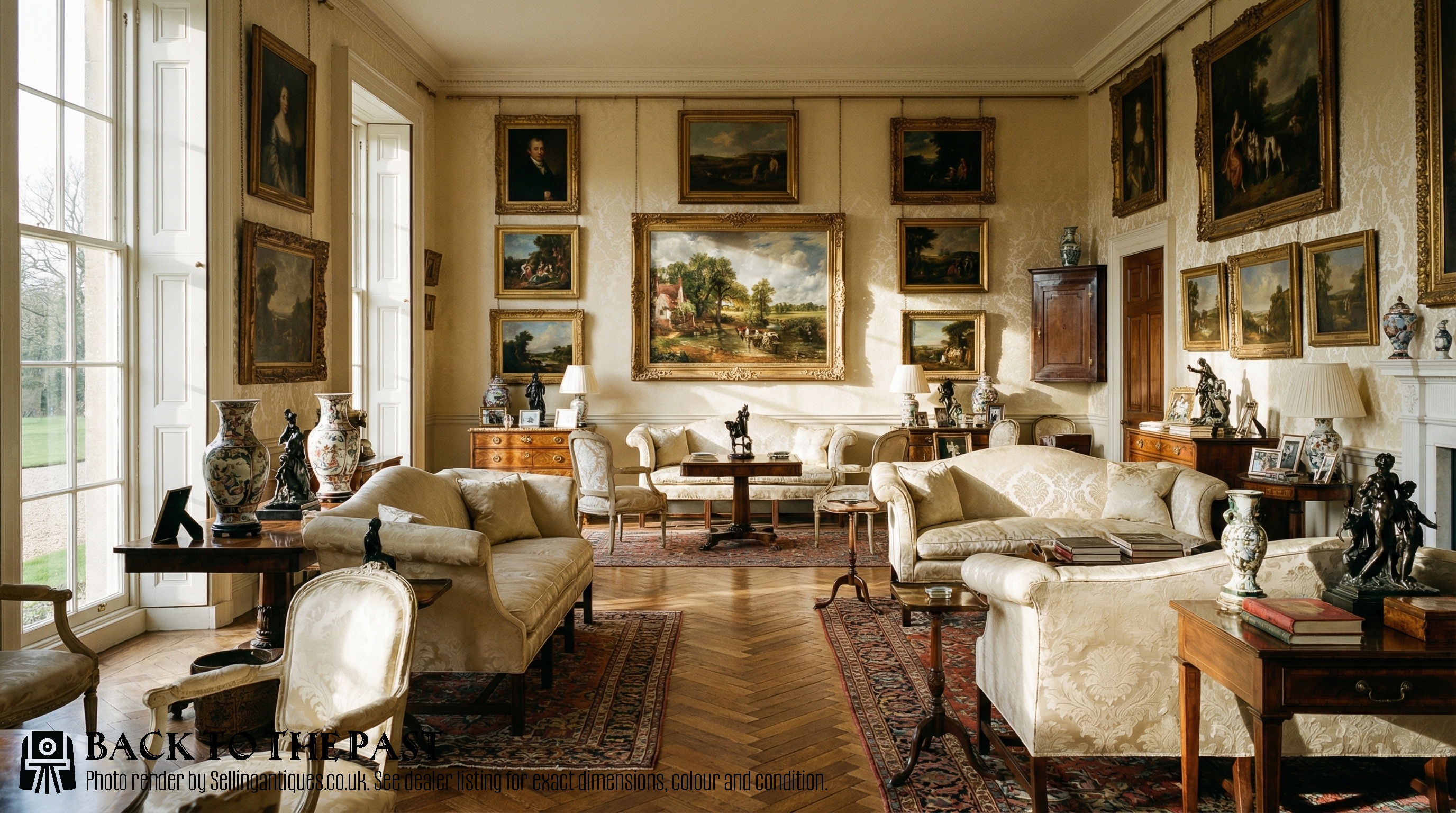
These cabinets were typically hung in corners or along walls in kitchens, reception halls, and living rooms to maximise domestic storage space.
Corner placements allowed rooms to utilise dead angles efficiently while keeping everyday items within arm's reach.
How do I date a cupboard?
Dating relies on observing construction methods, timber choices, and stylistic markers such as Georgian crossbanding or Victorian revival carving.
Hardware styles, like brass H-hinges or escutcheons, also offer clues to the period of manufacture.
Did these pieces have glass doors?
Many examples feature solid timber panels, while others incorporate glass for displaying contents.
Glazed doors often utilise wooden astragal bars to hold individual panes in place.
How are wall cupboards mounted?
Surviving pieces generally feature internal fixing points or sturdy backboards designed to bear the weight of the timber and its contents.
Proper installation requires securing the cabinet directly to wall studs or masonry to ensure stability.