



Mahogany Cellarette Table
These mahogany cellarette table pieces are traditional serving vessels for wine and spirits, prized for their dense timber and clever internal arrangements.
Mahogany Cellarette Table
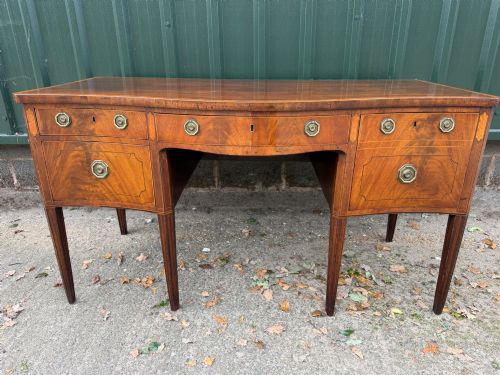
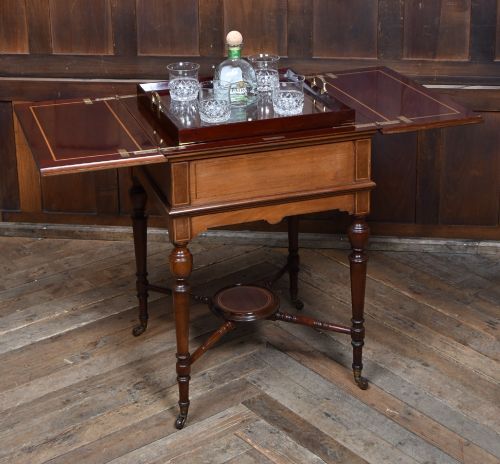
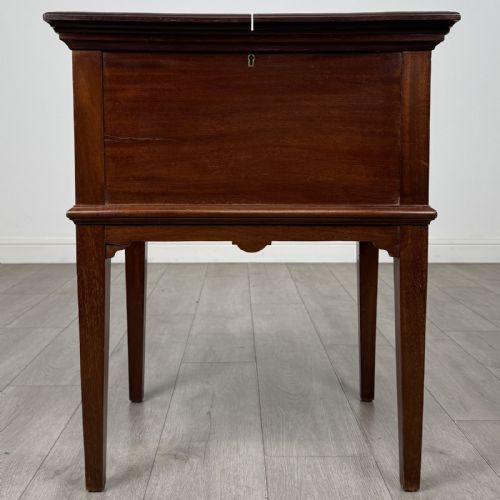
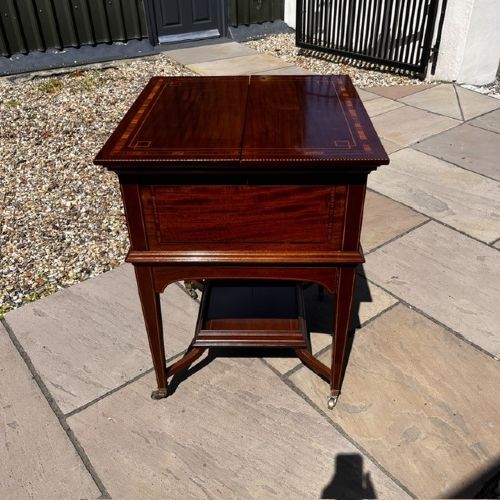
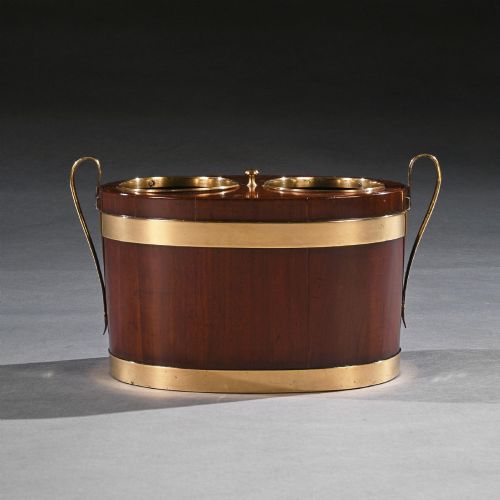
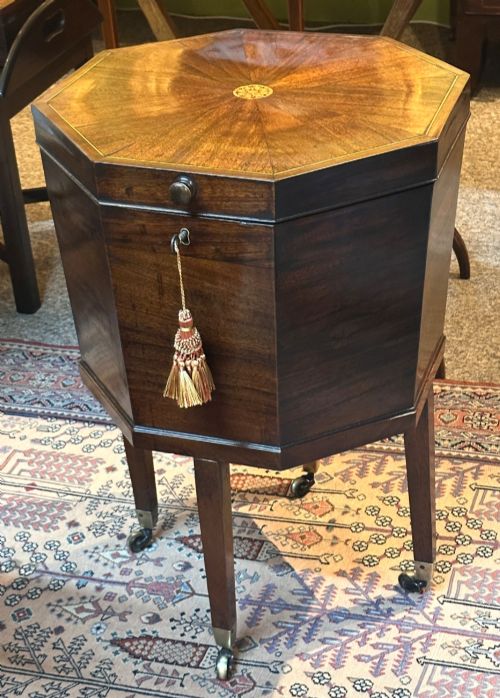
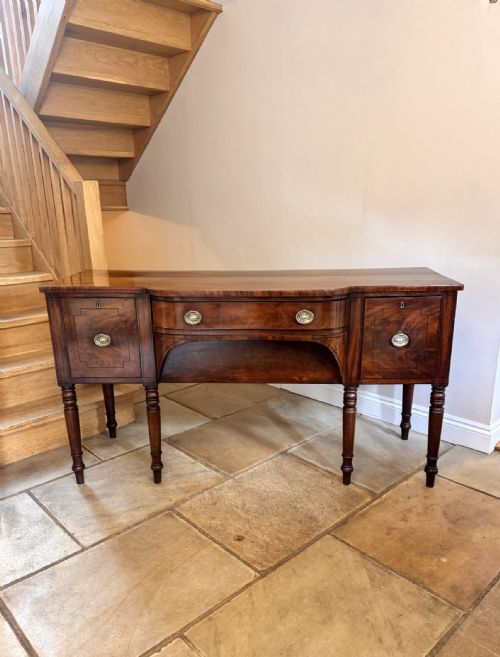
When you search for a mahogany cellarette table, you are looking at substantial wooden containers designed to hold bottles and decanters near the dining table. The pieces appearing here span from the 18th century through the Edwardian period, encompassing forms such as George III wine coolers, sideboards with fitted interiors, and metamorphic tables.
You are most likely to meet George III and Edwardian examples constructed from rich timber, frequently featuring brass banding and internal compartments. Some items combine the traditional cellarette function with side cabinets, whatnots, or drinks tables, reflecting how the form evolved across different eras.
How they were made
Cabinet makers utilised dense timbers like mahogany, frequently enhanced with contrasting veneers such as satinwood and boxwood inlay to delineate panels and edges. The structural integrity relies on traditional joinery, ensuring the heavy weight of stored glass and liquid could be supported safely.
Metal components played a practical structural role, with brass banding securing the staves of oval or octagonal cooler bodies and hinges allowing for metamorphic actions or fitted lids. Zinc linings and metal inserts frequently protected the wood from moisture when ice and cooling water were introduced.
Mahogany Cellarette Table Retail Price Guide 2026
Typical asking prices for mahogany cellarette table among the pieces listed under this phrase on Sellingantiques today, from the lower quarter to the upper quarter. They describe what is for sale here now, not the wider market.
Some models feature hidden compartments designed specifically to keep thirsty guests away from the port.
What varies in quality
The distinction between standard items and the finest examples rests in the selection of the timber grain, such as figured flame mahogany, and the crispness of any inlaid decoration. Superior pieces display meticulous attention to internal fittings, such as original dividers and metal linings that have survived centuries of use.
Proportion and execution define the upper tier of these items, where structural hardware like brass mounts and handles are integrated with precision. Lesser examples may exhibit simpler secondary woods or later alterations to their interior storage compartments.
The Mahogany Cellarette Table Glossary
- Cellarette
- A lockable container or cabinet designed to hold bottles of wine and spirits near the dining table. They frequently incorporate internal dividers or metal linings for cooling.
- Metamorphic
- Describing a piece of furniture designed to transform into another form, such as a table that conceals a cellarette or drinks compartment beneath its top.
- Satinwood
- A durable, hard timber with a natural golden sheen, frequently utilised for decorative stringing and contrasting inlay work on mahogany furniture.
- Brass Banding
- Metal strips fitted around the exterior of wooden wine coolers to reinforce the construction and provide a decorative contrast to the dark timber.
Mahogany Cellarette Table: Frequently Asked Questions
What is a mahogany cellarette table?
It is a specialised piece of antique dining furniture designed to hold and cool wine bottles close to the table. These vessels range from standalone oval coolers to metamorphic tables and sideboards.
They reflect the dining customs of the Georgian and Edwardian periods, combining secure timber storage with decorative metalwork and internal compartments.
How were these tables used originally?
Servants placed bottles inside the lined interior compartments, often packing them with ice or cold water to maintain the temperature of the wine during long meals. The lockable lids kept valuable vintages secure.
Over time, the form adapted into sideboards and drinks cabinets that served a similar function of hospitality and beverage organisation in the dining room.
How do I date a cellarette?
Dating relies on observing the timber selection, hardware style, and construction methods characteristic of periods like George III or the Edwardian era. Earlier 18th-century pieces tend to feature heavy brass banding and solid flame mahogany.
Later Victorian and Edwardian revivals often incorporate lighter satinwood inlay and different secondary timbers that distinguish them from their Georgian predecessors.
How do I fit one into a modern room?
These pieces function effectively as side tables, cocktail stations, or decorative focal points in a living room or dining space. Their rich wood tones complement both traditional and contemporary interiors.
The enclosed storage makes them practical for holding modern bar accessories, glassware, or small items while maintaining a refined aesthetic.