

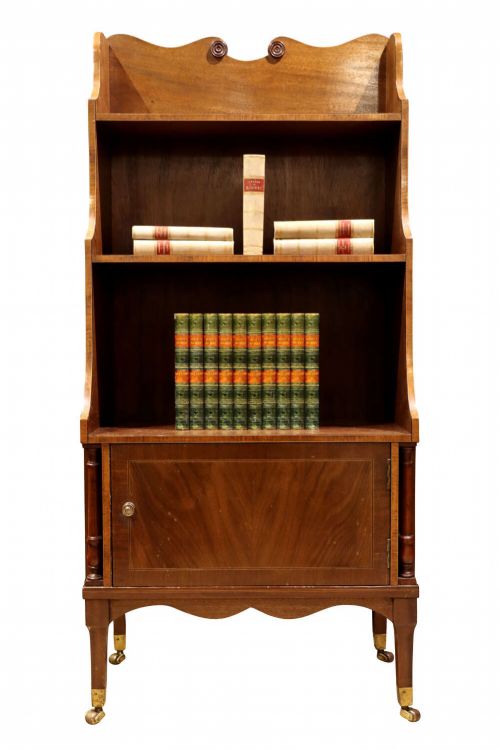


Mahogany Brass Castor Stand
A mahogany brass castor stand combines rich timber with metal hardware, offering a practical piece designed to hold papers or books.
Mahogany Brass Castor Stand
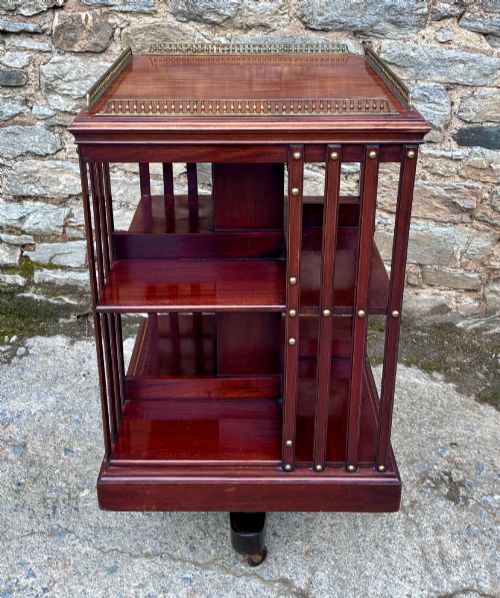
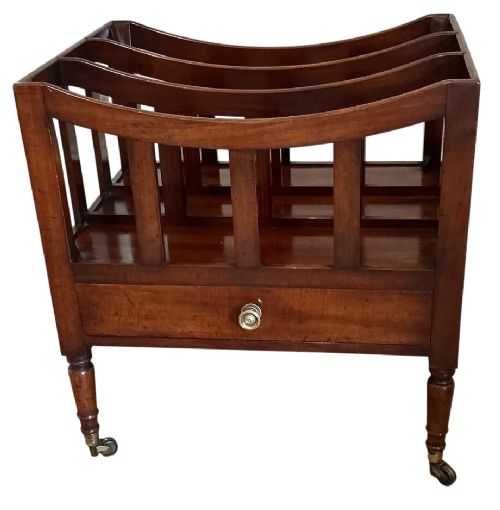
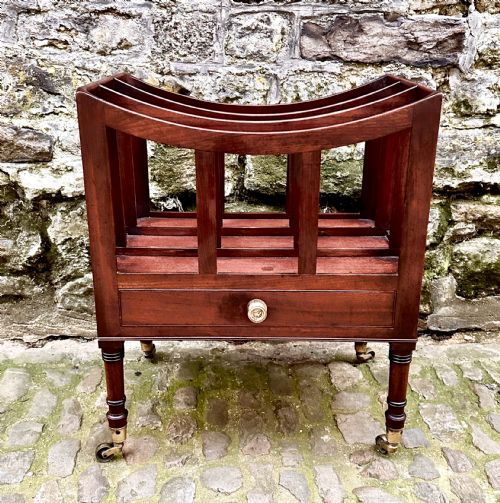
A mahogany brass castor stand encompasses various multi-tiered or partitioned furnishings, most commonly taking the form of a canterbury designed for newspapers or magazines. These items emerge primarily from Georgian, Regency, and Victorian periods, utilising rich timber alongside metal fittings.
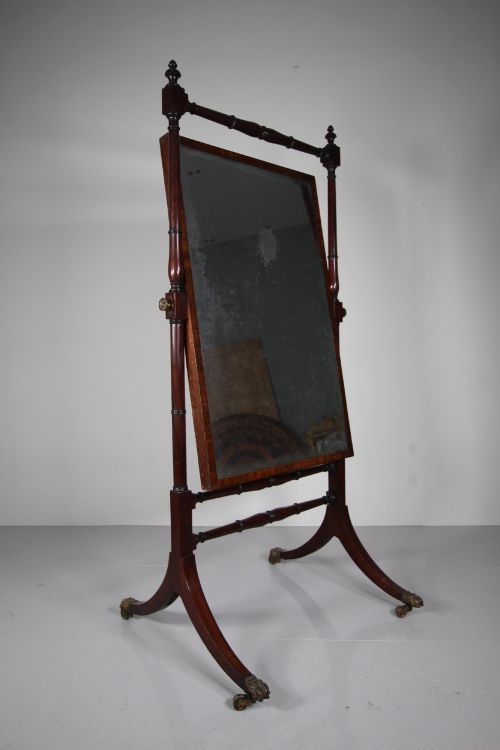
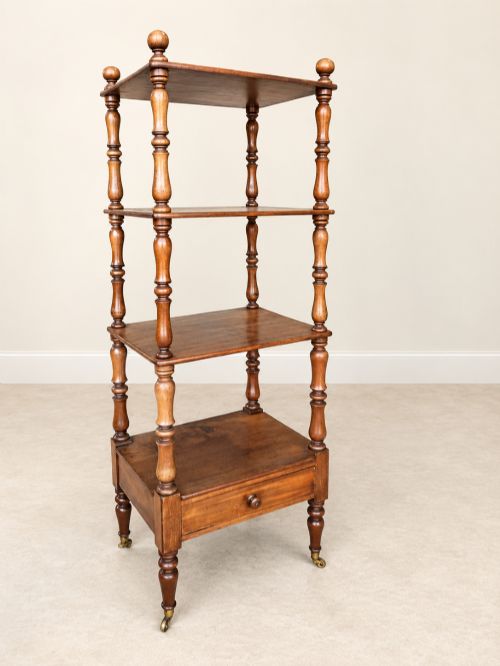
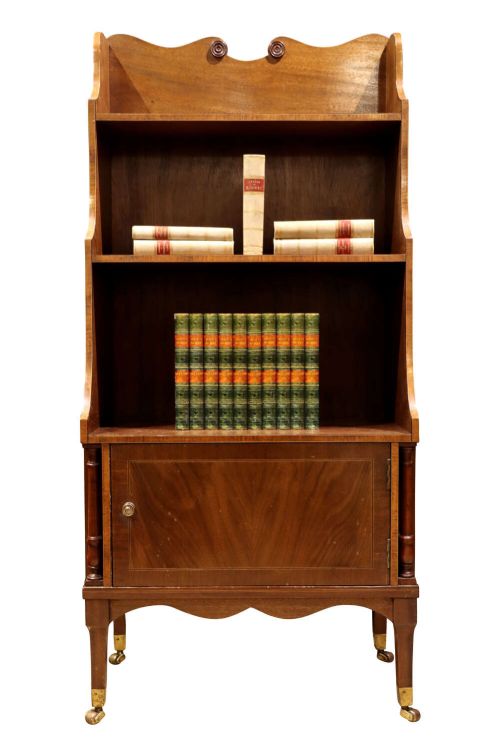
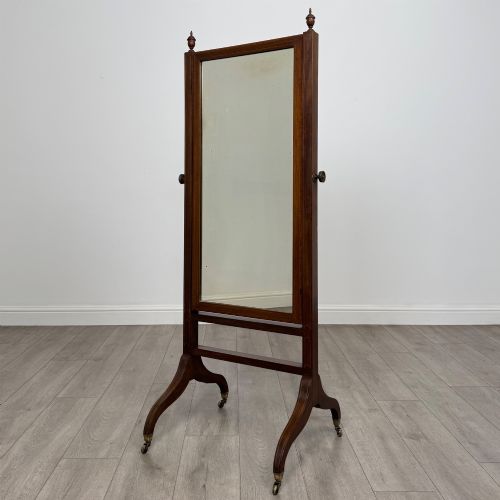
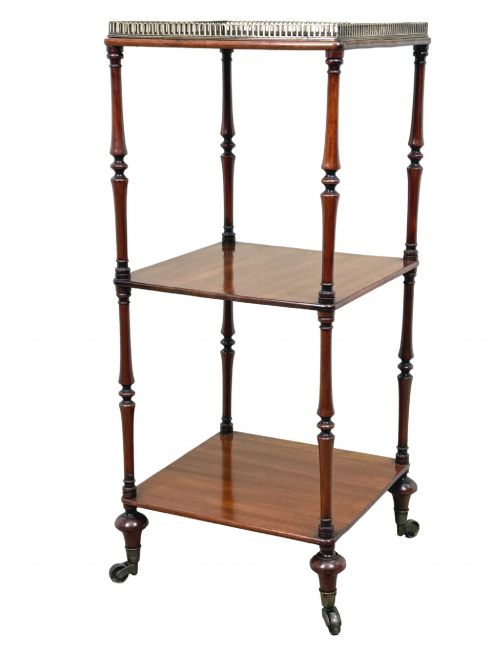
Beyond canterburys, buyers encounter related formats like whatnots, waterfall bookcases, sofa tables, and cheval mirrors sharing the same fundamental vocabulary of materials. Pieces range from straightforward four-division newspaper racks to elaborate ebonised or inlaid cabinets mounted on mobility wheels.
Materials and construction
Makers relied heavily on solid and veneered mahogany, occasionally applying ebonisation or delicate stringing and shell inlay to elevate the visual weight of the timber. Surfaces gained depth through polishing while structural divisions were joined securely to bear the daily handling of books and periodicals.
Mobility relied on metal hardware, specifically brass castors and sabots attached to tapering or sabre legs. Glass occasionally appears alongside timber and metal in specialised items such as mirrors or display pieces.
Mahogany Brass Castor Stand Retail Price Guide 2026
Typical asking prices for mahogany brass castor stand among the pieces listed under this phrase on Sellingantiques today, from the lower quarter to the upper quarter. They describe what is for sale here now, not the wider market.
Early newspaper readers kept their broadsheets tidy in rolling wooden compartments long before the invention of the coffee table.
Assessing craftsmanship
Quality reveals itself in the crispness of timber turnings, the precision of inlay work, and the integration of brass castors into the legs. Superior examples display thoughtful proportions, whether in the delicate slats of a boat-shaped canterbury or the tiered shelves of a waterfall bookcase.
Finer iterations often incorporate secondary woods of equal merit and maintain original brass elements without replacement. The harmony between the dark grain of the mahogany and the gleam of the metal fittings dictates the overall distinction of the object.
Gillows of Lancaster·J.C.Loudon
The Mahogany Brass Castor Stand Glossary
- Canterbury
- A low stand featuring slatted partitions, originally built to hold sheet music or newspapers. These pieces typically rest on castors for easy movement across a room.
- Whatnot
- An open set of multi-tiered shelves used for displaying or storing small objects and books. Examples often incorporate supporting uprights and brass wheel fittings.
- Sabot
- A metal sleeve fitted over the foot of a furniture leg. This brass casing protects the timber base while adding a decorative finish.
- Stringing
- Thin lines of contrasting veneer inlaid into the surface of a piece. Artisans utilise this technique to create delicate geometric borders on tabletops and panels.
Mahogany Brass Castor Stand: Frequently Asked Questions
What is a canterbury used for?
A canterbury serves primarily as a partitioned rack for organising newspapers, magazines, and sheet music near seating areas.
Its compartmented design allows users to keep reading materials neatly separated and readily accessible.
How do I date a mahogany stand?
Dating relies on observing stylistic markers such as sabre legs, brass sabots, and inlaid stringing patterns typical of specific eras.
Georgian and Regency items generally display lighter, more restrained proportions compared to heavier Victorian interpretations.
What is the difference between a canterbury and a whatnot?
A canterbury is a low, compartmentalized rack built specifically for holding publications or music sheets.
A whatnot consists of multiple open shelves arranged vertically for displaying books or decorative objects.
Are the brass castors original?
Checking originality involves inspecting the fixings, wear patterns, and metal composition relative to the timber age.
Genuine period castors show matching patination and secure integration into the legs or sabots.