

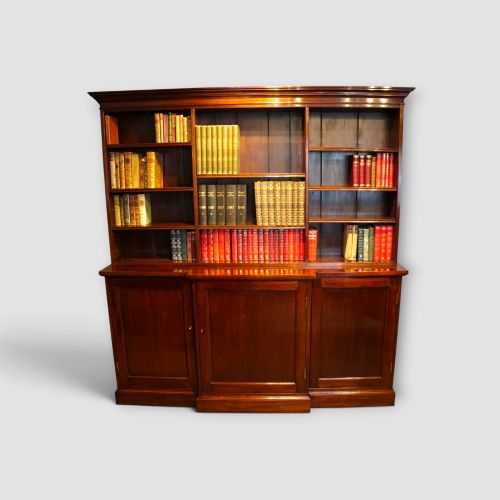
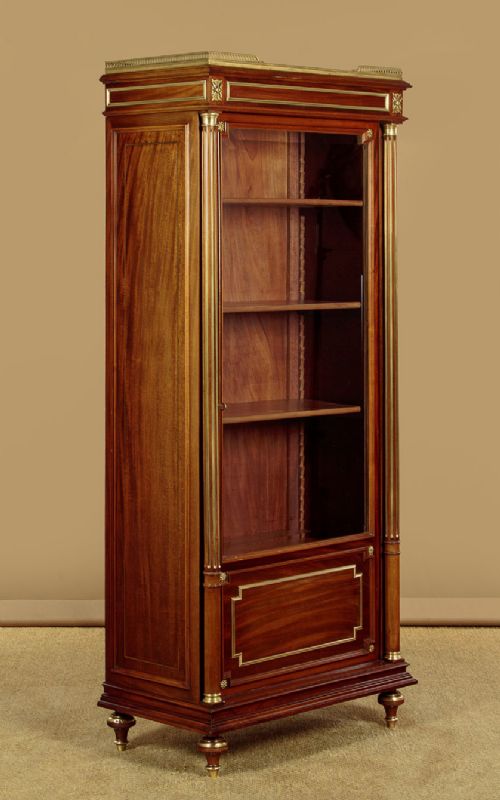
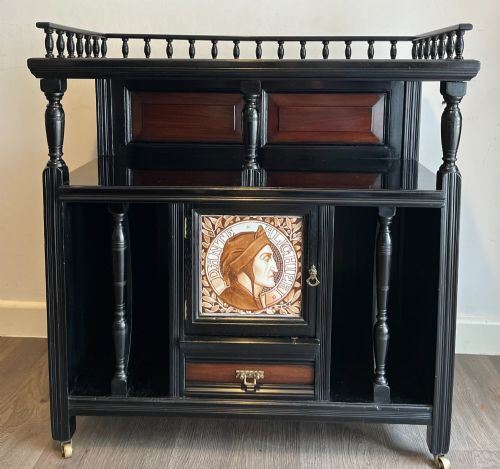
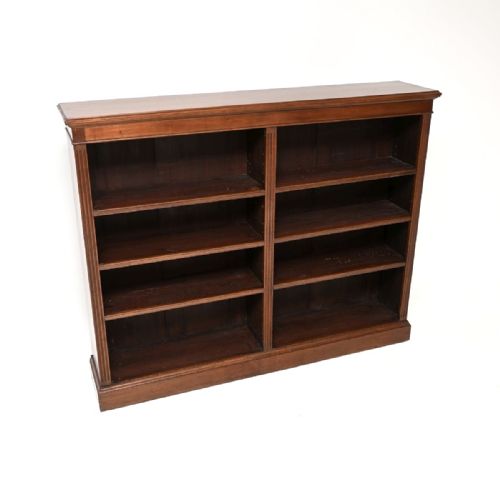
Mahogany Bookshelf Cabinet
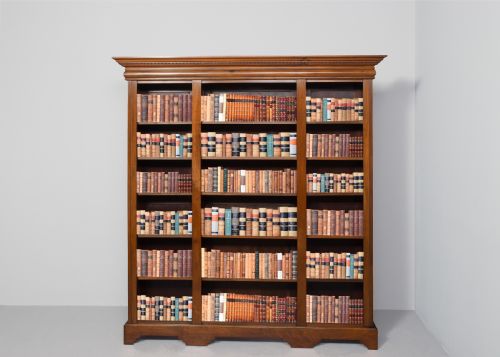
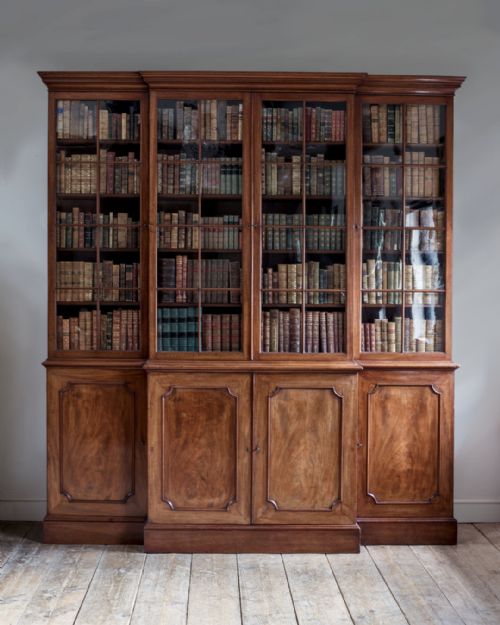
These mahogany bookshelf cabinet pieces combine practical book storage with display space, bringing rich timber grain and classic proportions to any room.
Mahogany Bookshelf Cabinet
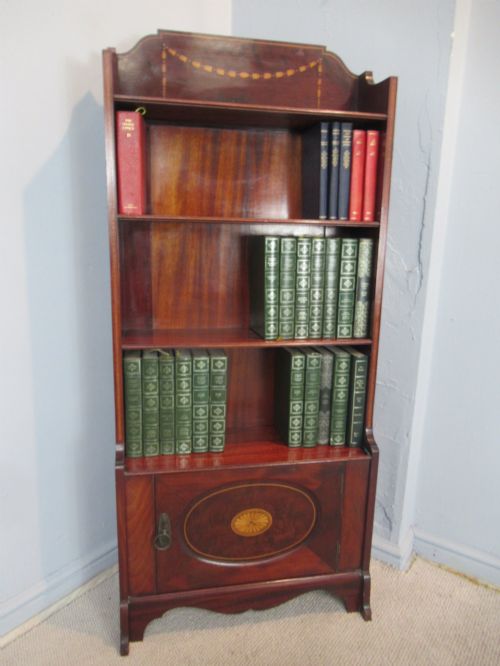
A mahogany bookshelf cabinet unites open shelving for volumes with enclosed cupboard storage beneath, offering a balanced solution for household libraries. These items span periods from the Georgian era through the Victorian and Edwardian decades, reflecting shifting domestic tastes.
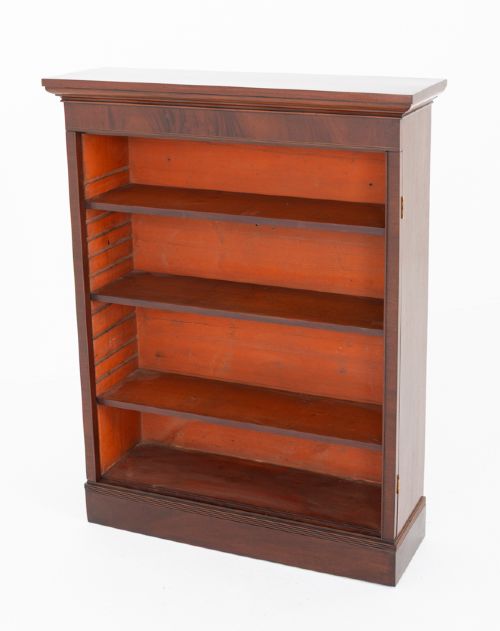
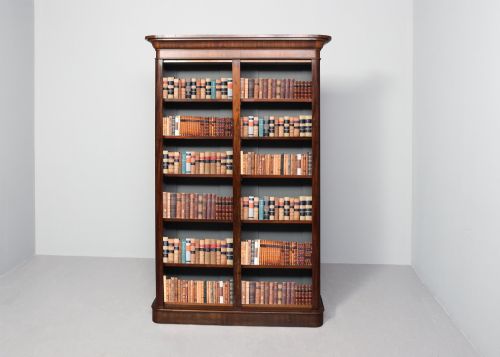
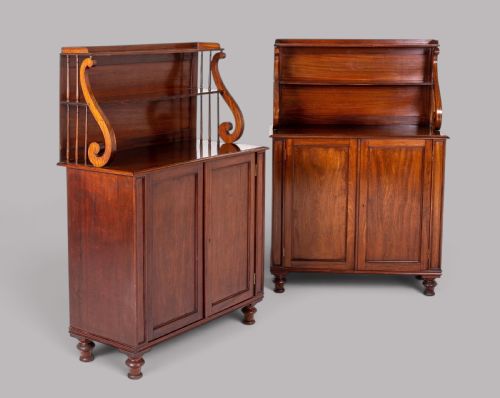
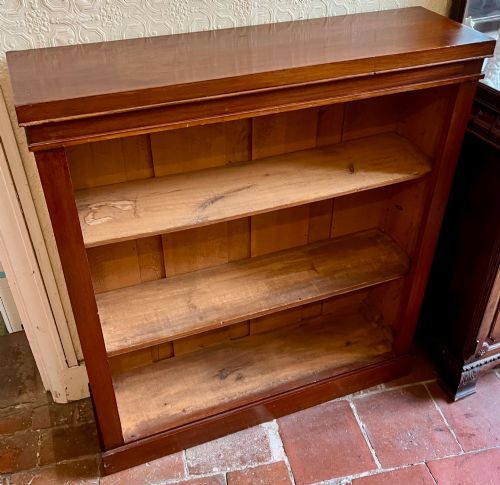
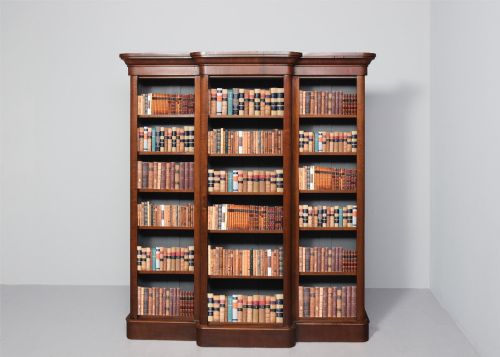
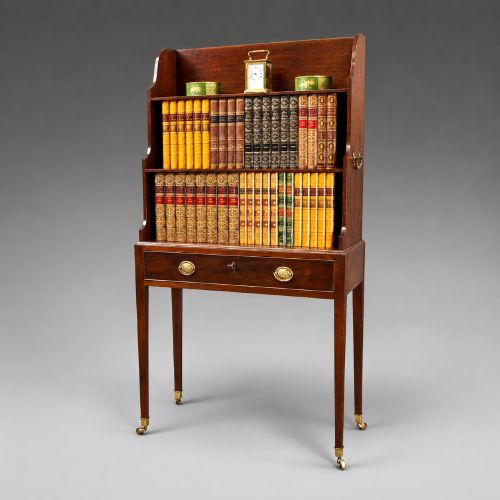
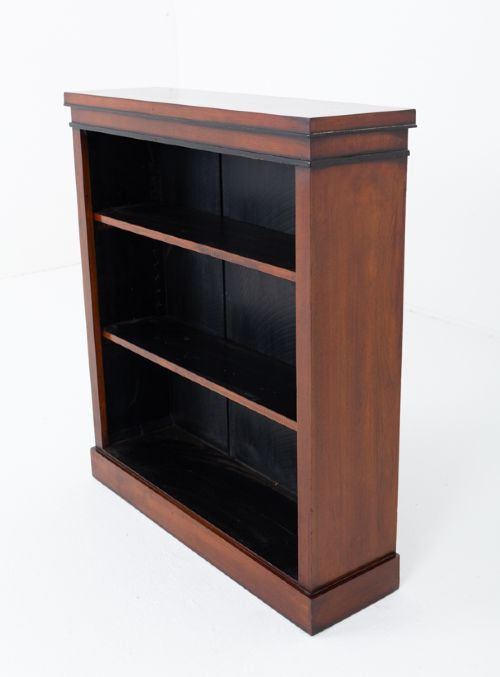
Open bookcase configurations appear frequently alongside breakfront designs and side cabinets with glazed or panelled doors. Pieces range from slim waterfall tiers to large library bookcases built for substantial collections.
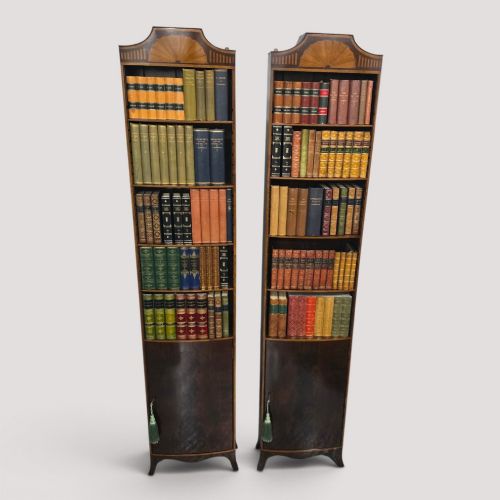
Origins stretch across the nineteenth and early twentieth centuries, encompassing styles such as Regency, French Empire, and Sheraton Revival. Buyers encounter dwarf proportions, narrow formats for tight spaces, and grander breakfront arrangements.
Materials and construction methods
Cabinetmakers utilised solid mahogany and mahogany veneers over secondary timbers like pine, mounting doors and shelves within sturdy frames. Satinwood inlay frequently provides contrasting linear detail around panel borders and friezes.
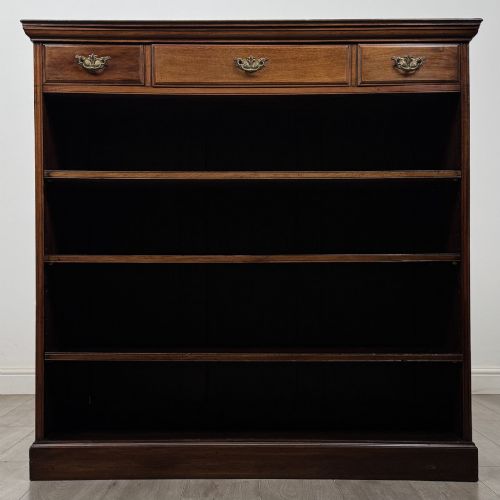
Hardware details include cast brass fittings, handles, and castors that support heavier library pieces. Ormolu mounts appear on French Empire and select nineteenth-century examples to accent corners and architectural mouldings.
Mahogany Bookshelf Cabinet Retail Price Guide 2026
Typical asking prices for mahogany bookshelf cabinet among the pieces listed under this phrase on Sellingantiques today, from the lower quarter to the upper quarter. They describe what is for sale here now, not the wider market.
Some revolving bookcases let you reach your entire library with a gentle spin from your armchair.
Markers of construction quality
The refinement of timber selection separates standard items from exceptional ones, particularly where figured mahogany grain meets delicate satinwood stringing. Superior examples display careful timber matching across expansive breakfront doors and sides.
Proportion and structural integration define the best pieces, whether in the joinery of adjustable shelving or the crispness of carved top edges and bracket feet. Secondary woods and interior fittings reveal the care taken by the original cabinetmaker.
The Mahogany Bookshelf Cabinet Glossary
- Waterfall bookcase
- A tiered shelving unit where each upper shelf is narrower than the one below, creating a stepped profile.
- Breakfront
- A cabinet design where the central section projects forward from the flanking outer sections.
- Satinwood inlay
- A contrasting light-coloured wood inserted into recesses in the mahogany surface to form decorative borders.
- Ormolu
- Gilded bronze applied as decorative mounts and hardware on nineteenth-century cabinets.
- Gallery
- A raised wooden or brass rail running along the top edge of a cabinet or bookcase to keep items secure.
Mahogany Bookshelf Cabinet: Frequently Asked Questions
How do I style a mahogany bookshelf cabinet?
Pair the rich reddish-brown timber tones with neutral wall colours to let the grain and inlay stand out. Mix vertical book groupings with small decorative objects on open shelves.
Keep enclosed lower cupboards for heavier volumes or items you prefer to keep out of sight. Ensure the scale matches your room dimensions, especially when placing narrow or dwarf variations.
What is the difference between an open bookcase and a cabinet version?
Open bookcases feature accessible shelving from top to bottom, making them ideal for everyday reading material and display. Cabinet versions incorporate lower wooden or glazed doors for concealed storage.
Some hybrid designs combine open upper tiers with a cupboard base or include raised galleries at the top.
How do I date a mahogany bookcase?
Examine the overall style markers, hardware, and structural construction methods. Georgian and Regency pieces often display simpler architectural lines or delicate satinwood inlay.
Victorian and Edwardian examples introduce breakfront proportions, adjustable shelving mechanisms, and varied cornice details.
Are these cabinets suitable for small rooms?
Many variations are specifically built in narrow or dwarf formats designed to fit compact spaces without overwhelming the floor plan. Slim waterfall bookcases and low side cabinets offer vertical storage while maintaining an open feel.
Check the exact height and depth dimensions listed for each piece before placement.