

Mahogany Bedroom Table
A mahogany bedroom table provides a stable surface and useful storage beside the bed or dressing area, bringing traditional timber warmth to the room.
Mahogany Bedroom Table
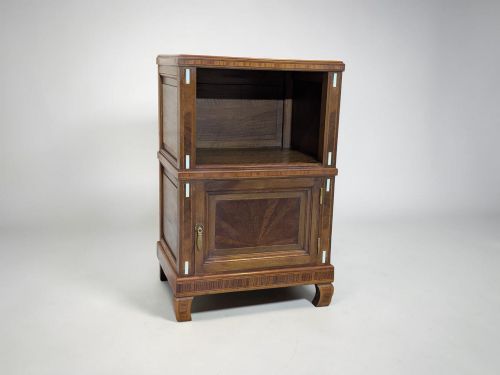
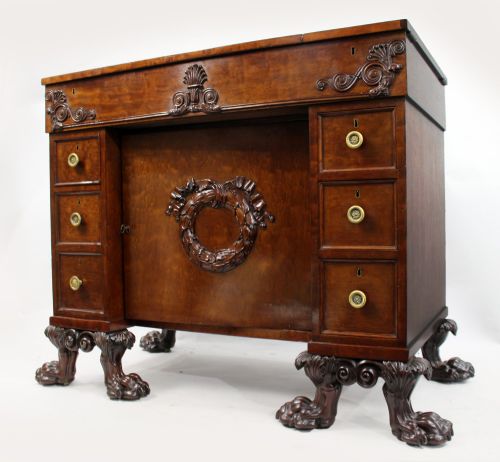
When you search for a mahogany bedroom table, you encounter a variety of forms designed for nightly convenience and personal grooming, originating mainly from the Georgian, Victorian, and Edwardian periods.
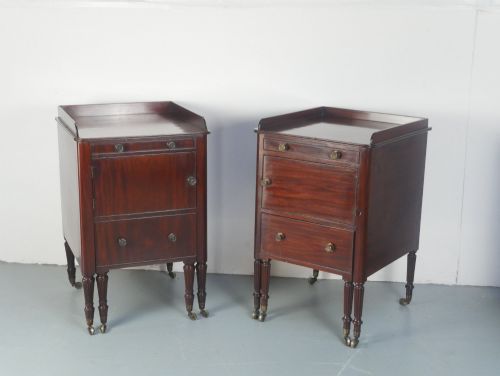
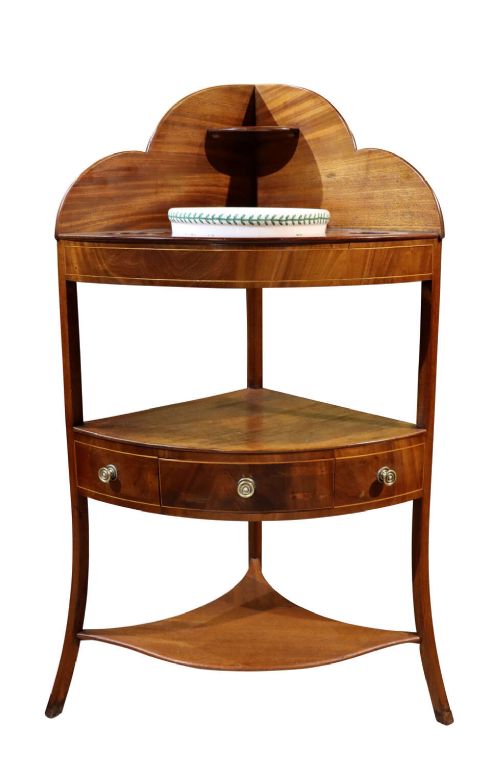
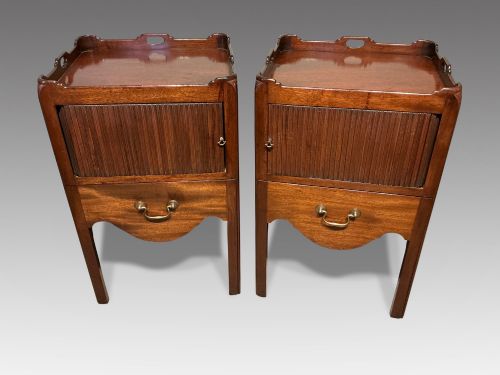
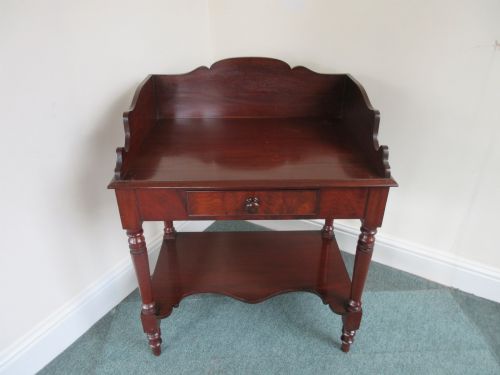
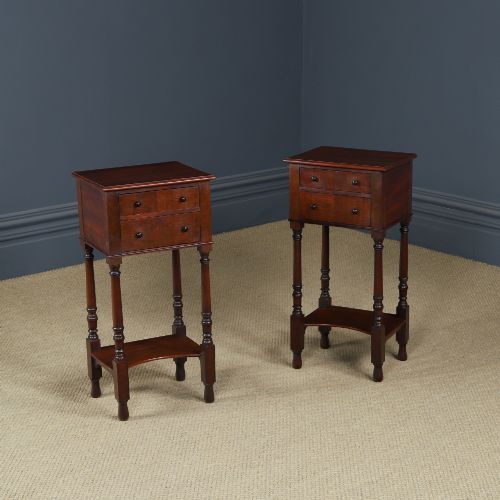
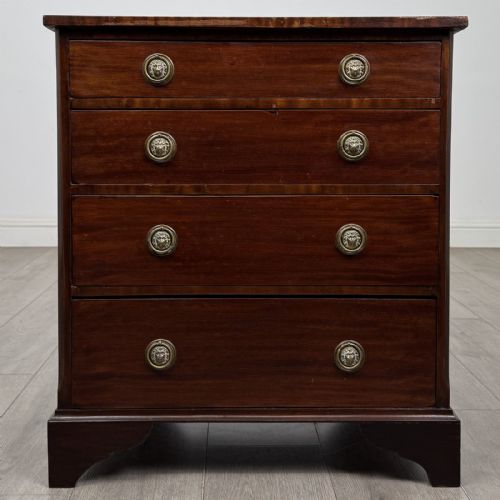
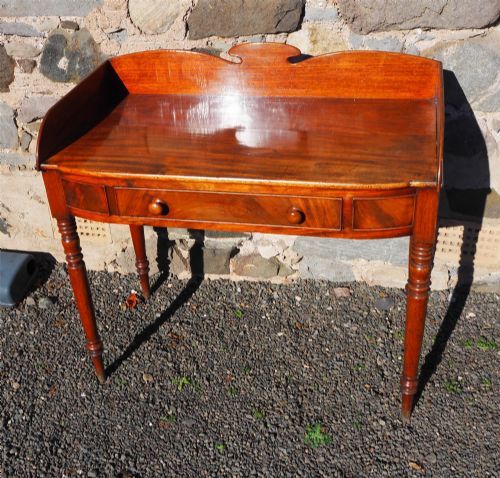
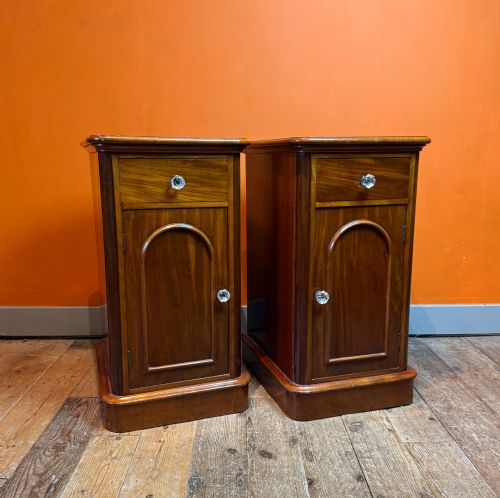
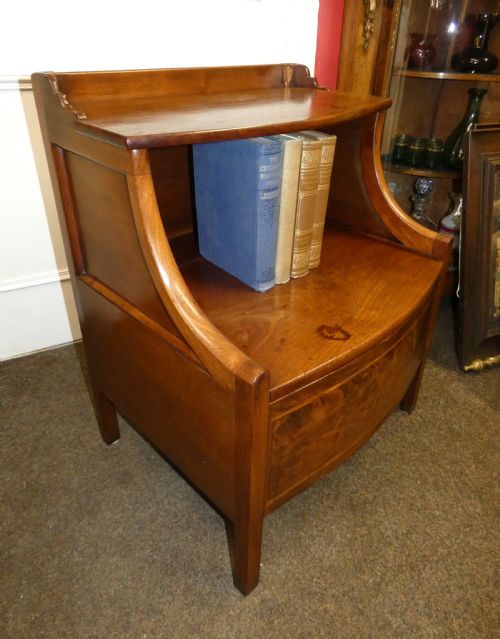
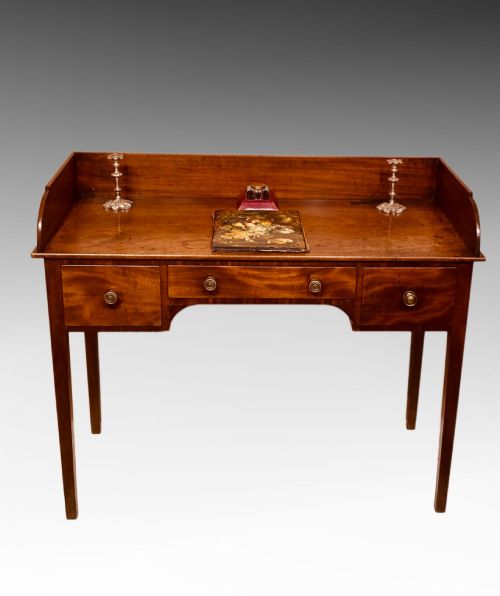
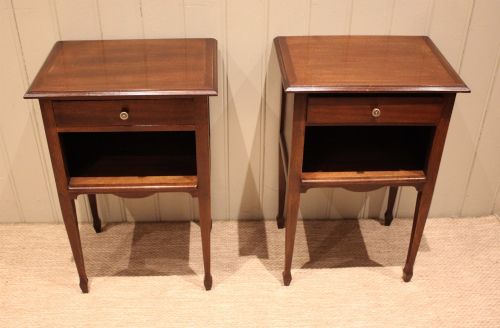
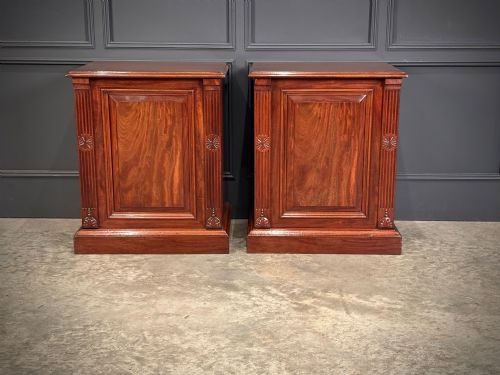
The most common versions on this page are bedside cabinets, cupboards, and chests, alongside larger dressing tables, washstands, and occasional tray top night commodes.
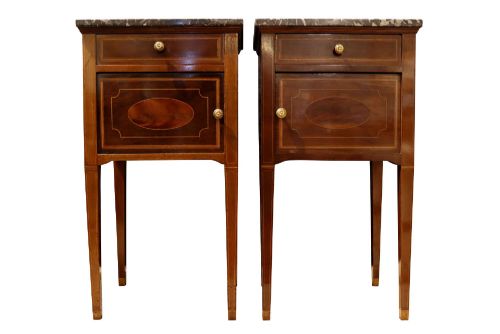
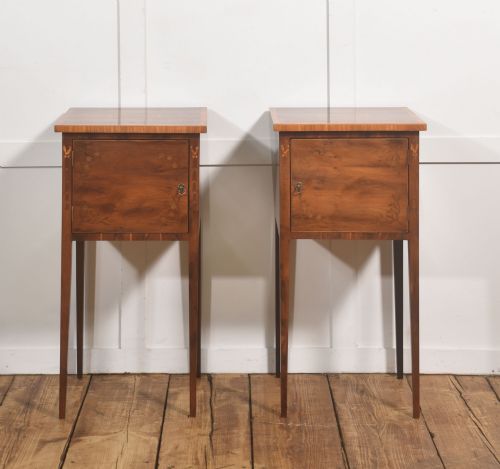
These pieces reflect stylistic influences ranging from the clean lines of the Regency era to the detailed marquetry of Sheraton Revival and the inlaid panels of the Edwardian years.
Construction and Materials
Cabinet makers utilised solid mahogany and flame mahogany veneer over supportive timber carcases, often selecting figured grains for drawer fronts and top surfaces.
Detailing relied on contrasting stringing and inlay using boxwood and satinwood, paired with durable brass handles, cast hardware, and occasionally marble or glass inserts for functional surfaces.
Mahogany Bedroom Table Retail Price Guide 2026
Typical asking prices for mahogany bedroom table among the pieces listed under this phrase on Sellingantiques today, from the lower quarter to the upper quarter. They describe what is for sale here now, not the wider market.
Several night commodes retain their internal compartments, built back when midnight trips downstairs required a sturdy wooden box rather than modern plumbing.
Assessing Quality
The calibre of a piece rests on the selection of timber veneers, where highly figured flame mahogany and precise boxwood or satinwood inlay denote superior craftsmanship.
Structural integrity reveals itself in the weight and proportion of the timber, the hand-cut joinery of the drawers, and the preservation of original brass fittings and gallery tops.
Flashman & Co
The Mahogany Bedroom Table Glossary
- Tray top
- A raised rim around the upper edge of a table or commode designed to prevent items from rolling off. This feature appears frequently on Georgian and 19th-century nightstands.
- Marquetry
- Decorative patterns formed by fitting together thin slices of wood veneer and other materials. Craftsmen used this technique to create floral or geometric motifs on cabinet doors and tops.
- Satinwood
- A pale, lustrous timber native to India and Sri Lanka, utilised widely for contrasting inlay and banding on late-period cabinets.
- Pot cupboard
- A small bedside cabinet originally constructed to enclose a chamber pot. They frequently feature a single door above a concealed lower section.
Mahogany Bedroom Table: Frequently Asked Questions
What is a mahogany bedroom table used for?
These tables served various domestic purposes in sleeping quarters, primarily holding chamber pots, wash basins, or personal items close to the bed.
Over time, smaller cupboards and chests evolved into dedicated bedside storage for books, lighting, and night-time essentials.
How do I distinguish Georgian from Victorian tables?
Georgian examples often display restrained proportions, bracket feet, and subtle cockbeading around drawer edges, reflecting earlier 18th-century design.
Victorian pieces tend to be heavier in scale, incorporating carved scrollwork, mahogany veneers, and occasionally marble tops.
Are these tables usually found as pairs?
While many bedside cupboards and chests appear as matched pairs from the 19th century, single dressing tables and washstands were standalone items.
Pairs of bedside cabinets are particularly sought after for balancing twin bed arrangements in larger rooms.
How should I care for antique mahogany?
Keep the timber away from direct heat sources and strong sunlight to prevent the mahogany veneer from drying out or fading over time.
Apply natural beeswax periodically and buff gently with a soft cloth to maintain the lustre of the polished surface.