


Mahogany Bedroom Mirror
A mahogany bedroom mirror brings warmth and functional elegance to a room, offering rich timber frames and clear glass designed for daily dressing.
Mahogany Bedroom Mirror
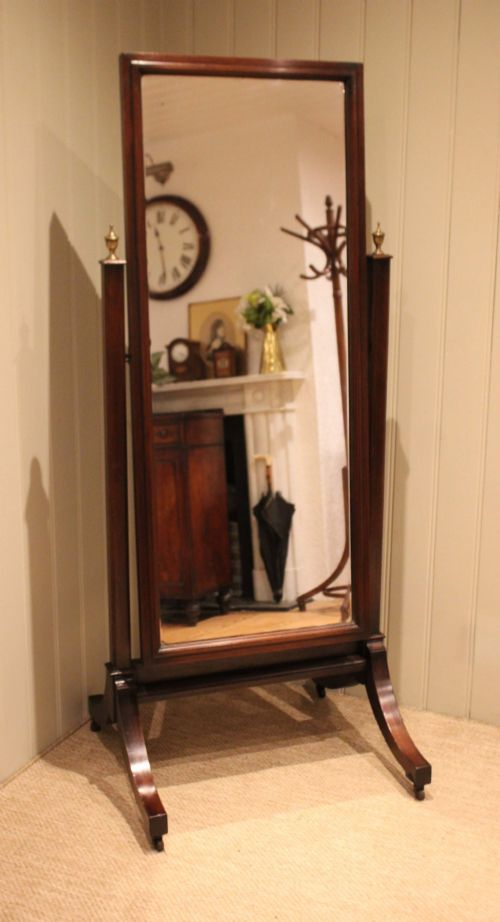
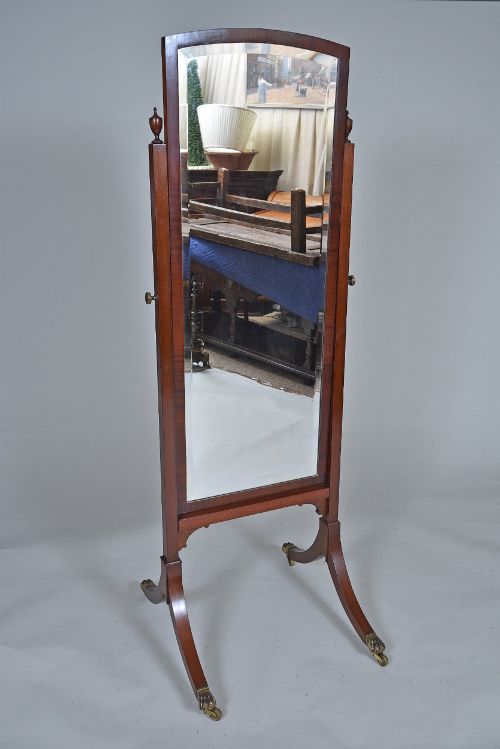
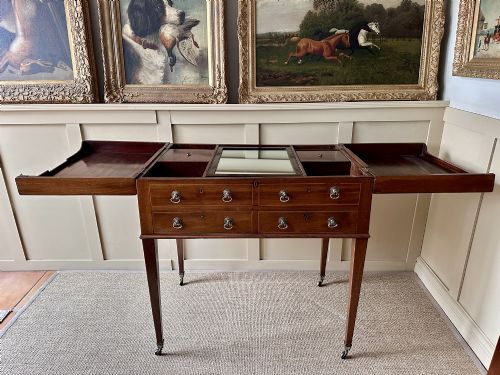
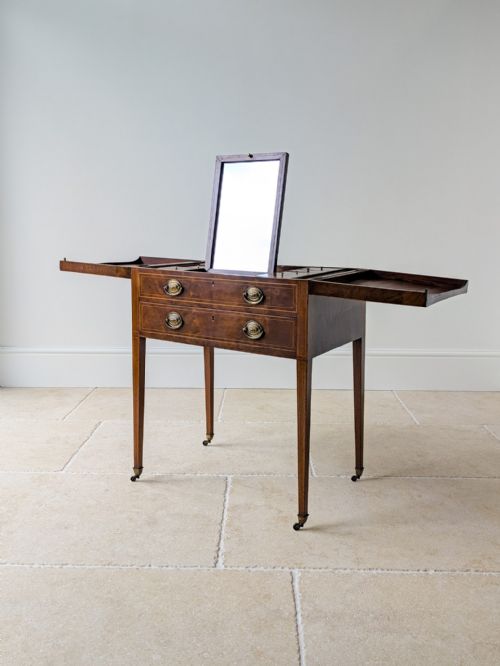
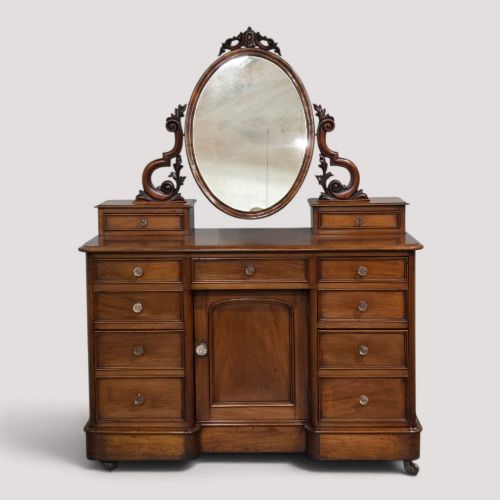
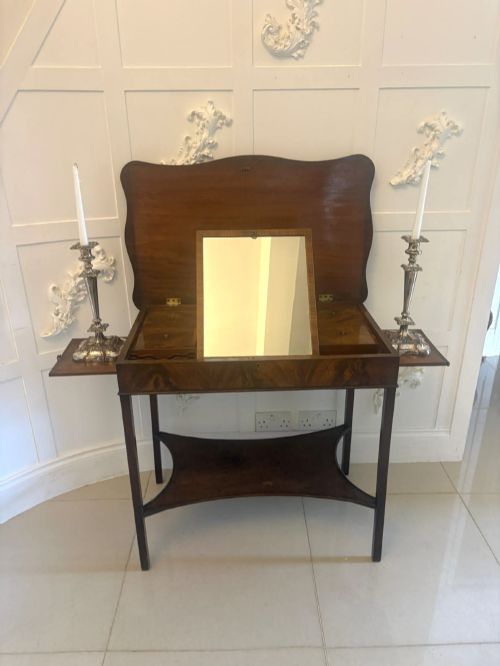
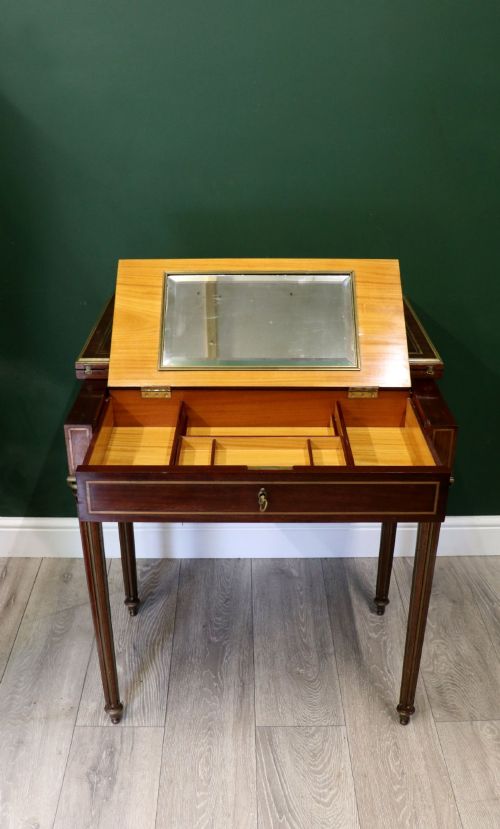
When you search for a mahogany bedroom mirror, you encounter pieces designed for personal grooming and dressing from the Georgian, Victorian, and Edwardian periods. These items range from small toilet mirrors meant for tabletops to large freestanding cheval mirrors and mirrors incorporated into larger dressing tables and washstands.
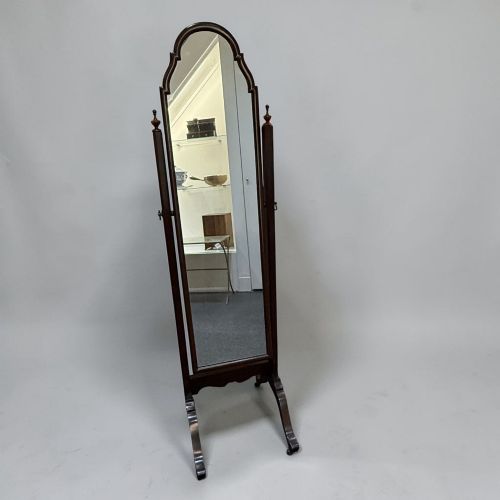
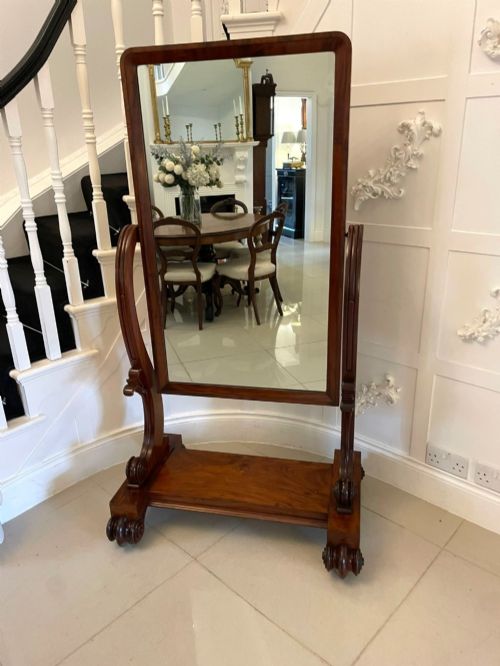
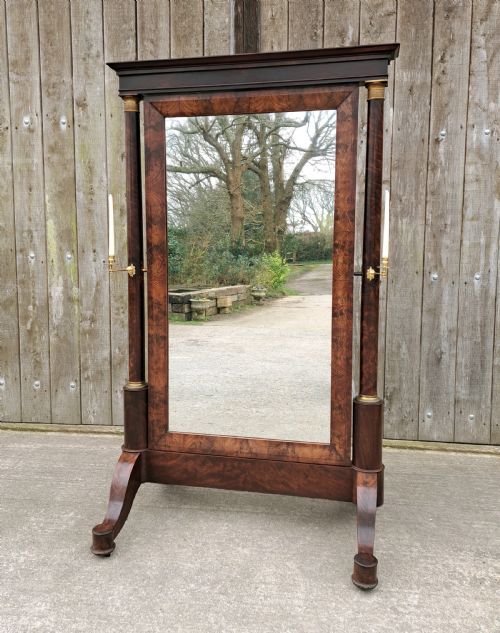
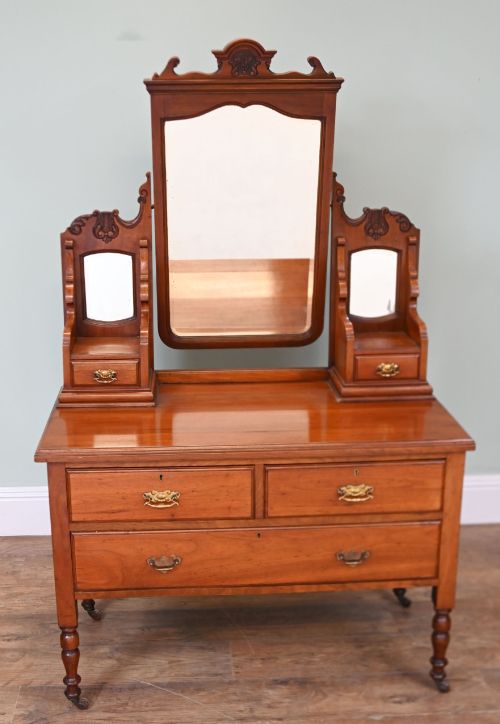
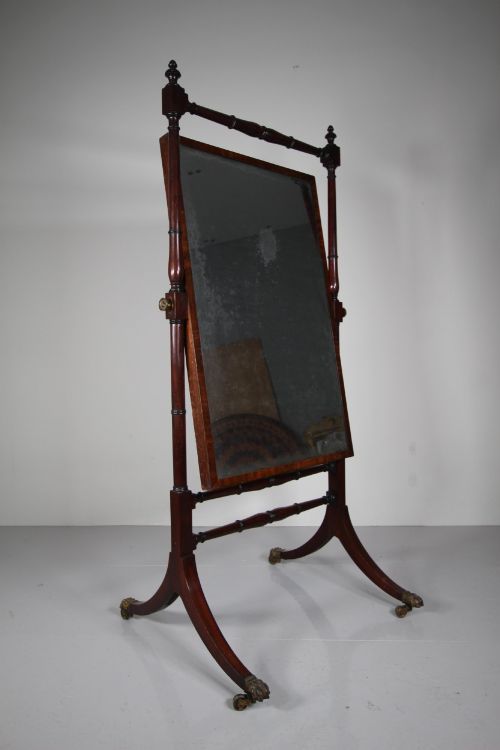
The version you are most likely to meet on this page is the Victorian or Edwardian cheval mirror, which stands on a frame allowing the glass to tilt. Alongside these floor-standing examples, smaller Georgian and Victorian dressing table mirrors appear frequently, often resting on shaped box bases fitted with small drawers.
Originating across Britain and occasionally drawing on French designs such as Louis XVI Revival or French Empire styles, these items reflect changing domestic routines. They served as essential furniture in bedrooms, dressing rooms, and boudoirs, combining practical reflection with the rich reddish-brown tones characteristic of mahogany.
Materials and construction methods
Makers utilised solid mahogany and flame mahogany veneer over supportive secondary timbers, achieving deep grain patterns and smooth surfaces through careful polishing. Brass hardware, including pivots, hinges, and castors, appears regularly to support the movement of tilting mirror frames and heavy floor-standing structures.
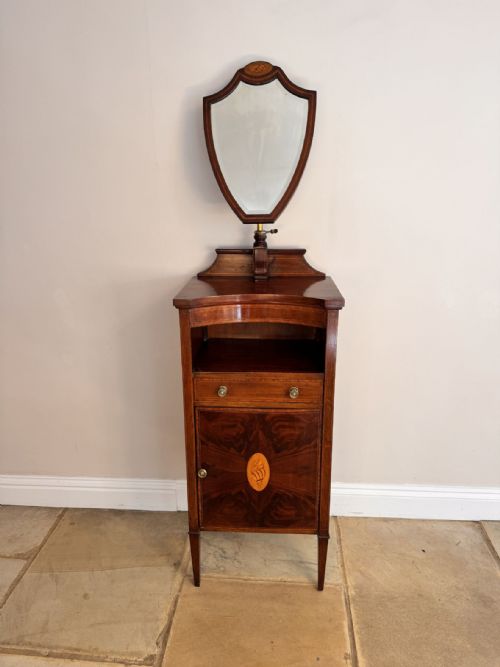
Decorative touches such as satinwood inlay and carved details highlight the craftsmanship of the period workshops. Mirror glass of the era was set securely into rebated frames, often accompanied by structural supports like bracket feet, shaped side arms, and occasional small shelving units.
Mahogany Bedroom Mirror Retail Price Guide 2026
Typical asking prices for mahogany bedroom mirror among the pieces listed under this phrase on Sellingantiques today, from the lower quarter to the upper quarter. They describe what is for sale here now, not the wider market.
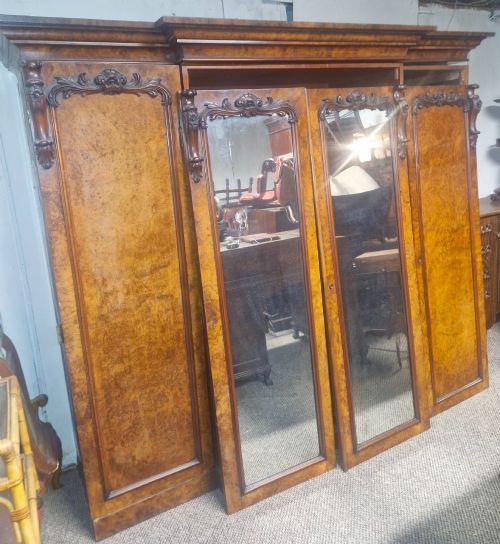
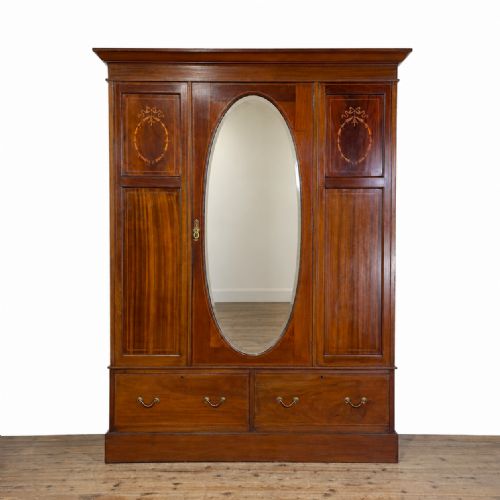
Listings span from the Georgian period through the Victorian and Edwardian eras, showcasing forms ranging from compact toilet mirrors to tall cheval frames and combination wardrobes.
Distinctions in construction and finish
The standard of a mahogany bedroom mirror depends on the depth and selection of the timber veneer, the crispness of any carved or inlaid decoration, and the stability of the framing. Superior pieces employ dense, well-figured mahogany paired with robust internal framing that prevents warping over time.
Hardware quality also separates standard examples from finer ones, with substantial brass pivots and original castors indicating higher workshop standards. The clarity of the mirror glass and the precision of the joinery at the joints and corners further demonstrate the original maker's skill.
Flashman and Co·Edwards and Roberts
The Mahogany Bedroom Mirror Glossary
- Cheval mirror
- A large freestanding mirror supported on a vertical frame with pivoting side supports, allowing the glass to tilt. This form became popular for full-length viewing in nineteenth-century bedrooms.
- Toilet mirror
- A smaller mirror designed to sit atop a dressing table, chest of drawers, or washstand. These often feature integrated small drawers or a sloping box base.
- Flame mahogany veneer
- A thin slice of timber cut from the fork of the mahogany tree where branches meet the trunk, producing a distinctive flickering flame pattern. Cabinet makers applied this to prominent surfaces for visual impact.
- Satinwood inlay
- A decorative technique where contrasting light-coloured satinwood is inserted into recesses cut into the darker mahogany surface. It creates geometric or floral borders on Edwardian and late Victorian pieces.
- Brass castors
- Small wheel attachments fixed to the base of freestanding furniture legs to ease movement. They are commonly found on the feet of heavy floor-standing cheval mirrors.
Mahogany Bedroom Mirror: Frequently Asked Questions
What is a cheval mirror?
A cheval mirror is a tall, freestanding dressing mirror supported by a frame with vertical pivots. This design allows the glass to tilt forward or backward for full-length viewing.
Such pieces usually stand on sturdy feet or legs, sometimes fitted with castors for easy repositioning within a bedroom or dressing room.
How do I date a mahogany mirror?
Dating relies on observing the overall style, construction methods, and secondary woods used in the frame. Georgian pieces tend to feature simpler lines and box bases with bracket feet, while Victorian and Edwardian examples often incorporate richer veneers, heavier framing, or inlaid satinwood.
Hardware details like brass pivot screws and the thickness of the frame backing also provide clues to the period of manufacture.
Where should I place a dressing mirror?
These mirrors suit bedrooms, dressing rooms, and hallways, where they function both as practical items for daily grooming and as decorative furniture. Freestanding cheval versions work well against empty wall spaces to reflect natural light around the room.
Tabletop toilet mirrors sit comfortably on top of chests of drawers, side cabinets, or dedicated dressing tables.
How were dressing mirrors used historically?
Historically, these mirrors formed part of the daily routine for personal hygiene, shaving, and dressing in private chambers. Smaller tabletop versions provided a close-up reflection for applying cosmetics or adjusting hair, while larger floor-standing models allowed individuals to check their entire outfit.
They were essential fixtures in middle- and upper-class homes throughout the eighteenth and nineteenth centuries.