






Lustre Pottery Bowl
A lustre pottery bowl catches the light with its metallic sheen, offering rich colour and historic ceramic artistry for your home.
Lustre Pottery Bowl
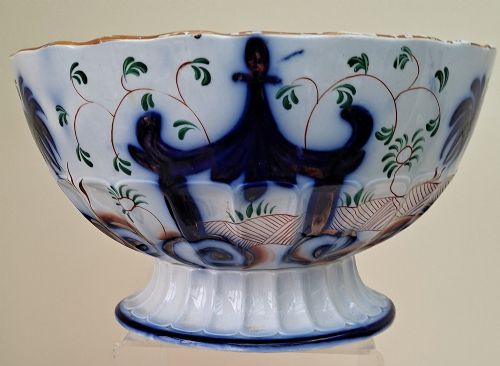
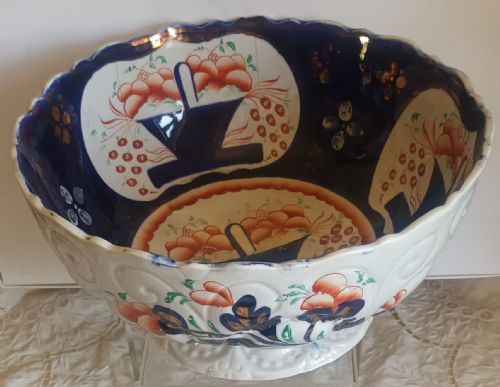
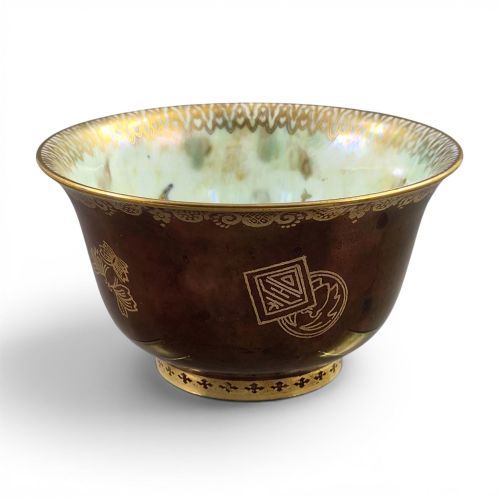
When you search for a lustre pottery bowl, you encounter earthenware and porcelain vessels finished with a metallic glaze that creates an iridescent surface. The pieces available span several eras, from early Persian Islamic works to Victorian Gaudy Welsh patterns and Edwardian Wedgwood designs.
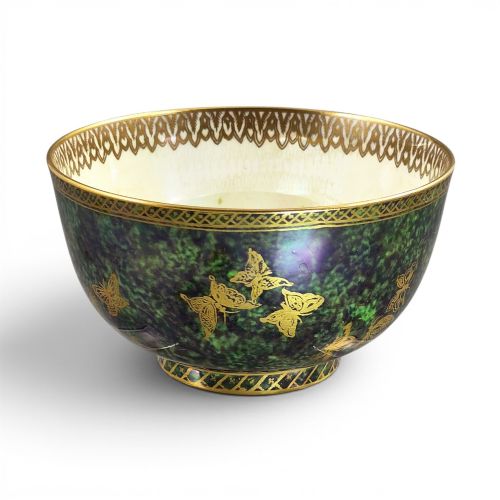
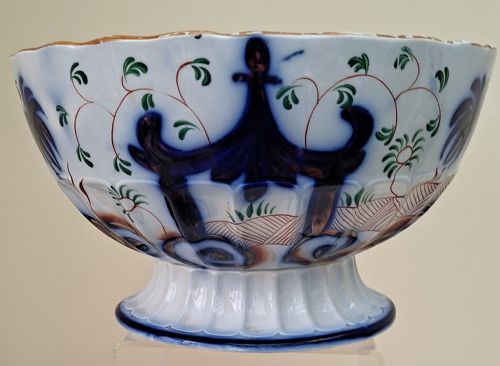
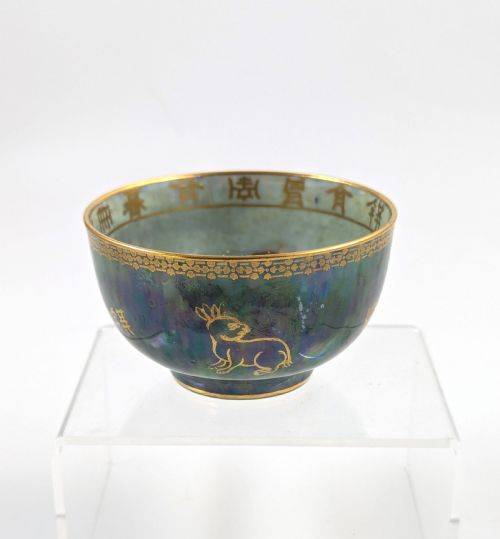
You are most likely to meet 19th century footed bowls and early 20th century decorative bowls on this page. These range from vibrant Victorian folk art and Sunderland pieces to intricate fairy and dragon motifs by major makers.
Form follows function across the selection, moving from large decorative bowls and footed basins to miniature sets. Each period brings its own aesthetic, whether it is the geometric lines of Art Deco or the intricate storytelling of Persian Seljuk pottery.
Materials and Technique
Potters form these vessels using earthenware, bone china, or porcelain, shaping them into footed bowls, basins, and large decorative pieces. Artisans then apply a metallic glaze or gold leaf, introducing copper lustre, enamel, and specialised lustre glazes to achieve the characteristic reflective finish.
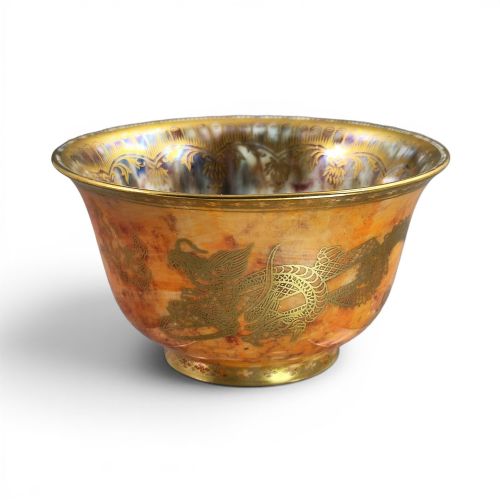
The firing process demands precise kiln control to bond the metallic elements onto the ceramic body without losing the brilliance of the design. Persian makers utilised early glazing techniques, while later English potteries built upon these methods to produce deep ruby, green, and mottled orange tones.
Lustre Pottery Bowl Retail Price Guide 2026
Typical asking prices for lustre pottery bowl among the pieces listed under this phrase on Sellingantiques today, from the lower quarter to the upper quarter. They describe what is for sale here now, not the wider market.
Some Edwardian bowls transport you into a whimsical world of fairies, dragons, and fluttering butterflies.
Assessing Quality and Execution
Quality rests upon the crispness of the transfer or hand-painted pattern and the depth of the metallic iridescence across the glaze. Pieces with complex pictorial narratives, such as detailed figures or fairy motifs, demand a higher level of ceramic skill than plain geometric designs.
The preservation of the metallic sheen and the purity of the underlying earthenware or porcelain dictate the standing of a piece. Finer examples display even application of the lustre glaze without dull patches or heavy firing blemishes.
Wedgwood·Maling·Shelley·Daisy Makeig-Jones·James Hodgkiss
The Lustre Pottery Bowl Glossary
- Earthenware
- A porous pottery body fired at lower temperatures, commonly used for traditional bowls and basins before glazing.
- Lustre Glaze
- A metallic surface treatment applied to ceramics to produce an iridescent, reflective sheen reminiscent of precious metals.
- Bone China
- A type of porcelain incorporating animal bone ash, resulting in a strong, bright white body suited for delicate Edwardian pieces.
- Gaudy Welsh
- A style of 19th century British pottery characterised by vibrant hand-painted cobalt blue, copper lustre, and pink enamel floral motifs.
- Persian Islamic
- A historical ceramic tradition known for early tin glazes, metallic overglazes, and intricate figural or calligraphic decoration.
Lustre Pottery Bowl: Frequently Asked Questions
How do I care for a lustre pottery bowl?
Clean your bowl gently with a soft, dry cloth to protect the metallic glaze from abrasive damage.
Keep these ceramic pieces away from direct moisture and harsh detergents to preserve the delicate enamel and gold leaf details.
What periods do these bowls come from?
The selection includes early examples from the 12th and 13th centuries, alongside 19th century Victorian and Edwardian pieces.
Later items extend into the 1920s and 1930s, showcasing Art Nouveau and Art Deco stylistic shifts.
How were lustre bowls used historically?
Many served as decorative centerpieces or display vessels to showcase rich metallic glazes in wealthy homes.
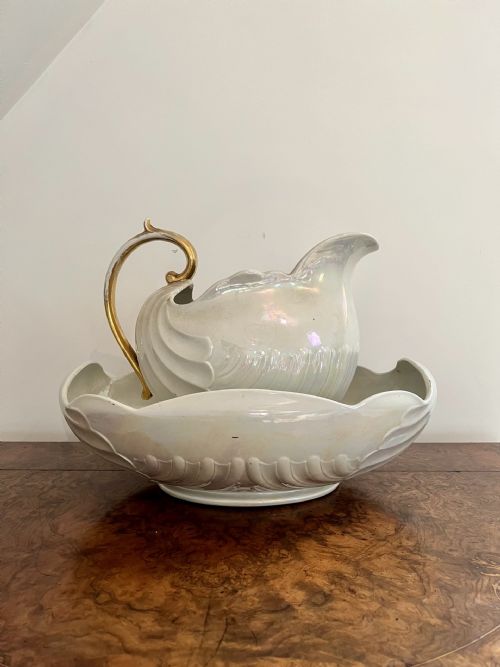
Others functioned as practical wash basins, toilet basins, and everyday tableware within domestic settings.
How do I identify Persian lustre pottery?
Look for characteristic early earthenware bodies decorated with metallic overglazes depicting figures, horses, and riders.
These pieces typically date from the pre-16th century era, showing distinct Persian Seljuk and Islamic artistry.