





Lustre Glazed Porcelain
Lustre glazed porcelain pieces bring metallic sheen and vibrant colour to decorative bowls and vases, catching the eye of every collector.
Lustre Glazed Porcelain
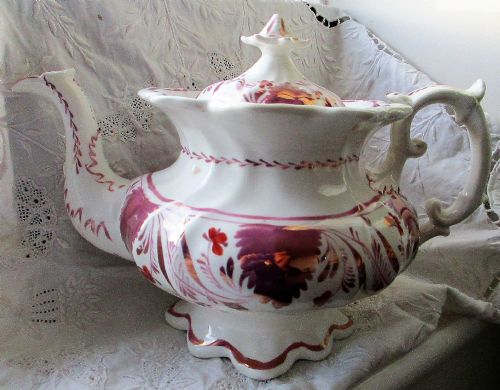
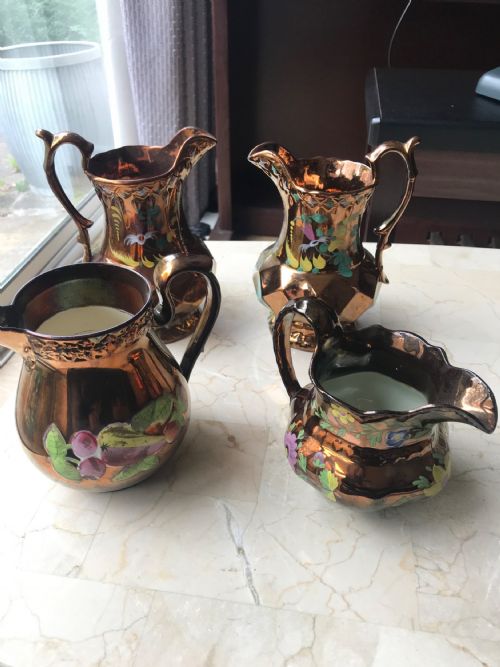
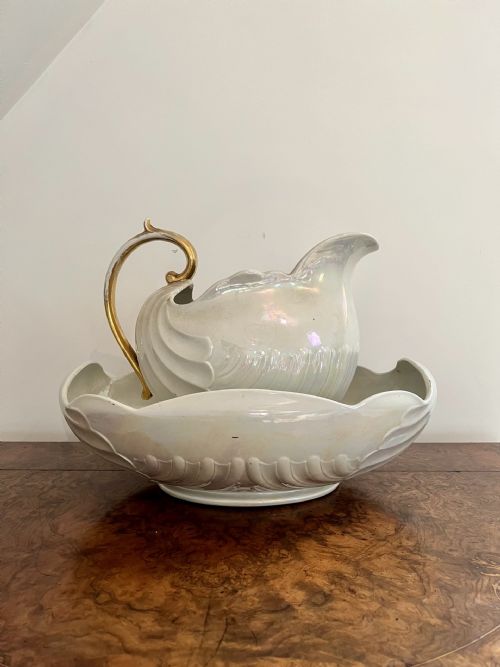
When you search for lustre glazed porcelain, you encounter decorative bowls, vases, figurines, and jugs that display an iridescent metallic sheen over ceramic surfaces. These items range from Victorian Staffordshire examples to Edwardian and Art Deco creations.
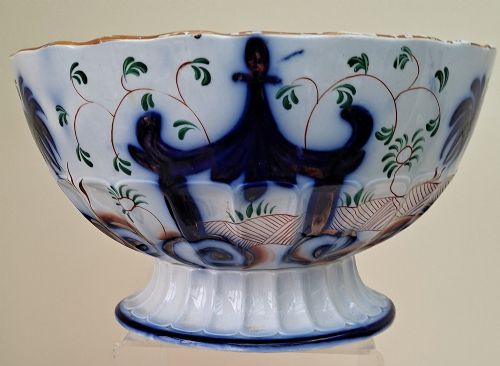
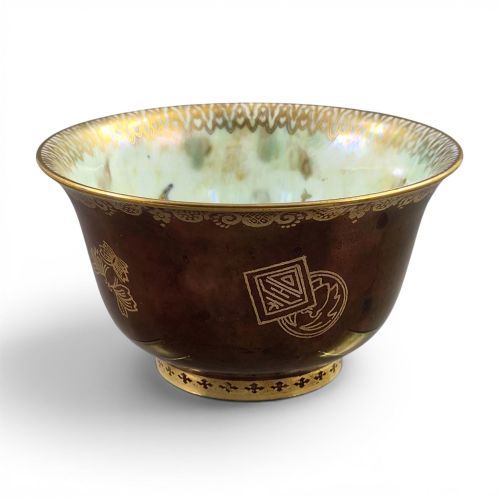
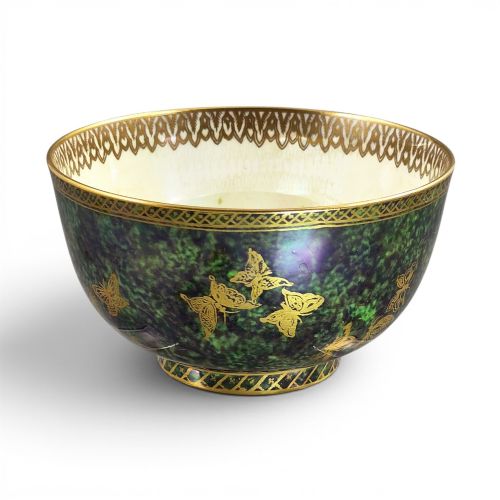
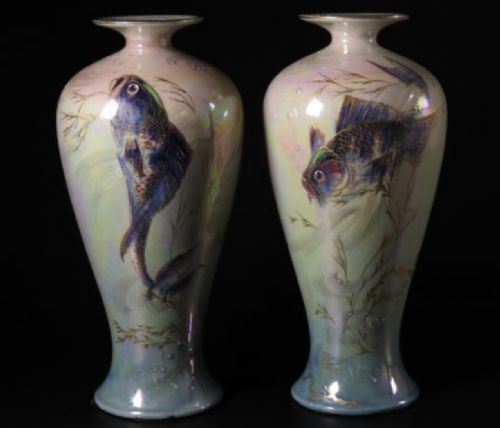
You meet footed bowls, octagonal bowls, and handled mugs featuring intricate designs such as dragons, butterflies, and fish. The selection spans the nineteenth century up to nineteen twenty, capturing major stylistic shifts.
Makers such as Wedgwood and Shelley dominate this category, producing distinctive wares finished with rich glaze effects and gold leaf details. These pieces serve primarily as decorative focal points within a room.
Production methods and materials
Potters utilised porcelain, bone china, and earthenware as the foundational body for these items, applying metallic compounds to achieve the distinctive reflective finish. Artisans combined these glazes with hand-painted details and gold leaf embellishments.
Techniques involved firing metallic salts onto the ceramic surface in a reduction kiln to create the iridescent optical effect. Staffordshire potters and factory designers layered copper and other lustre agents over hand-decorated fruit and animal motifs.
Lustre Glazed Porcelain Retail Price Guide 2026
Typical asking prices for lustre glazed porcelain among the pieces listed under this phrase on Sellingantiques today, from the lower quarter to the upper quarter. They describe what is for sale here now, not the wider market.
Listings feature items from the nineteenth century, Edwardian period, and nineteen twenties, executed in porcelain, bone china, and earthenware.
Judging the quality of lustre wares
The sophistication of the painted design and the depth of the iridescent finish determine the standing of an individual piece. Superior examples exhibit precise hand-painted motifs, such as intricate dragons or detailed fish, combined with crisp gilding.
The clarity of the glaze and the complexity of the form distinguish standard production items from masterworks. Pieces designed by notable figures command attention through superior composition and technical execution in the kiln.
Wedgwood·Shelley·Staffordshire·Daisy Makeig-Jones·Walter Slater
The Lustre Glazed Porcelain Glossary
- Lustre Glaze
- A ceramic finish containing metallic elements that produces an iridescent, reflective surface upon firing. This technique creates the signature metallic sheen seen on bowls and vases.
- Bone China
- A type of soft-paste porcelain incorporating animal bone ash, offering high strength and translucency. Potters frequently utilised this material for fine decorative tableware and jugs.
- Gold Leaf
- Hammered sheets of gold applied to ceramic surfaces for decorative accentuation. Artisans used this material to highlight rims, handles, and painted motifs.
- Earthenware
- Porous pottery fired at relatively low temperatures, often coated in glaze to ensure impermeability. This material forms the sturdy base for many nineteenth-century Staffordshire figures and jugs.
- Footed Bowl
- A vessel raised upon a distinct base or pedestal. This form allows intricate lustre patterns around the exterior to remain fully visible.
Lustre Glazed Porcelain: Frequently Asked Questions
How do I care for lustre glazed porcelain?
Keep these decorative items away from harsh cleaning agents and direct sunlight to preserve the delicate metallic glaze and gold leaf details.
Dust them gently with a soft, dry cloth rather than washing them in water to protect the historic ceramic surface.
What periods do these pieces come from?
The inventory spans the nineteenth century through the Edwardian era and into the nineteen twenties, covering Victorian, Art Nouveau, and Art Deco styles.
Most notable designer pieces date from the nineteen tens and nineteen twenties.
How were lustre bowls used historically?
These decorative bowls and jugs served primarily as ornamental display pieces in parlours and drawing rooms rather than for daily dining.
Their striking metallic finishes were meant to catch the gaslight or daylight in a Victorian or Edwardian home.
How can I identify a Wedgwood Fairyland lustre piece?
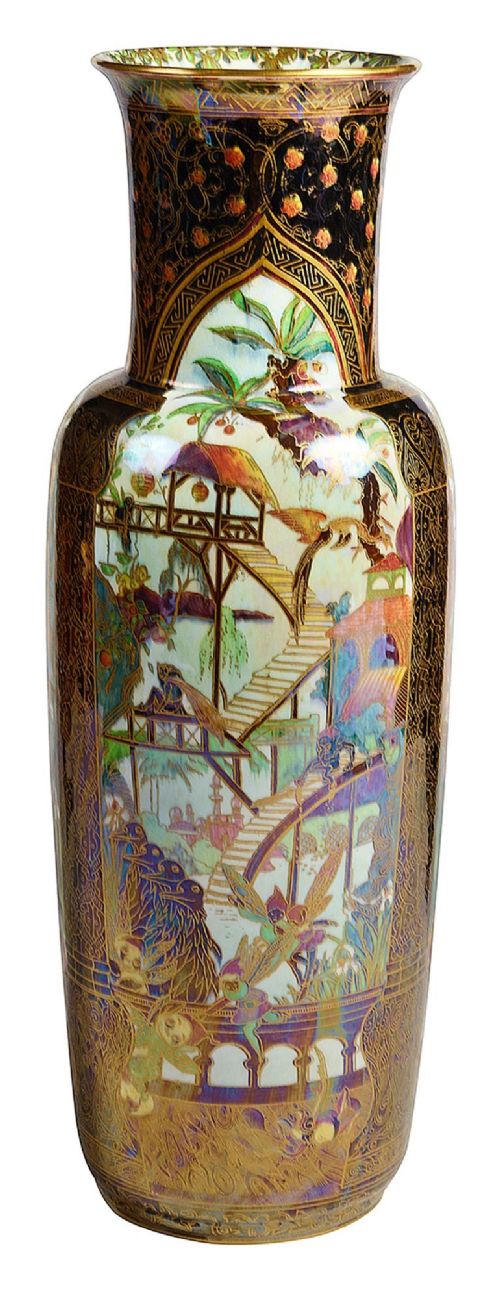
Look for intricate fantastical motifs such as dragons, fairies, and floating figures rendered in vibrant ruby, green, or mottled orange lustre glazes.
Designer Daisy Makeig-Jones masterminded these imaginative patterns during the early twentieth century.