




Lustre Glaze Pottery
Lustre glaze pottery carries metallic sheens that catch light across centuries, from Persian bowls to Victorian jugs.
Lustre Glaze Pottery
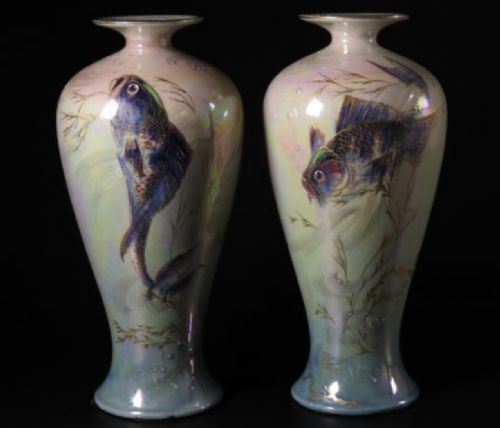
Lustre glaze pottery encompasses ceramic vessels and figures finished with a metallic sheen that reflects light in shifting colours. When you search for lustre glaze pottery, you encounter everything from early Middle Eastern bowls to Staffordshire jugs and Art Deco vases.
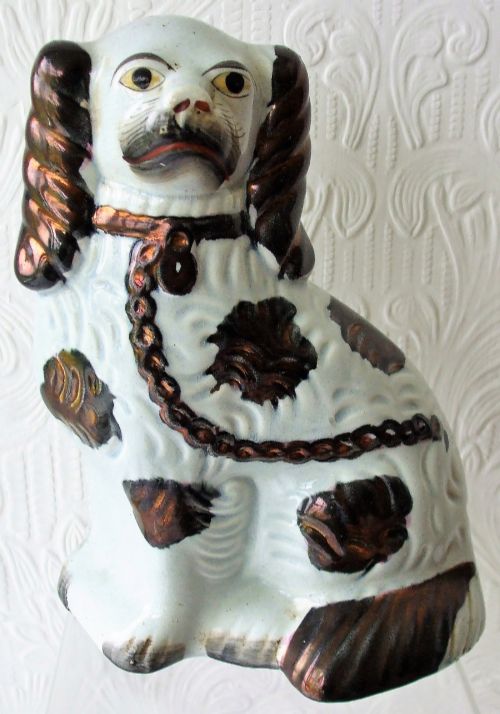
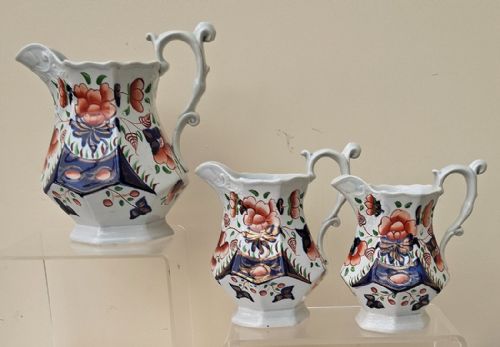
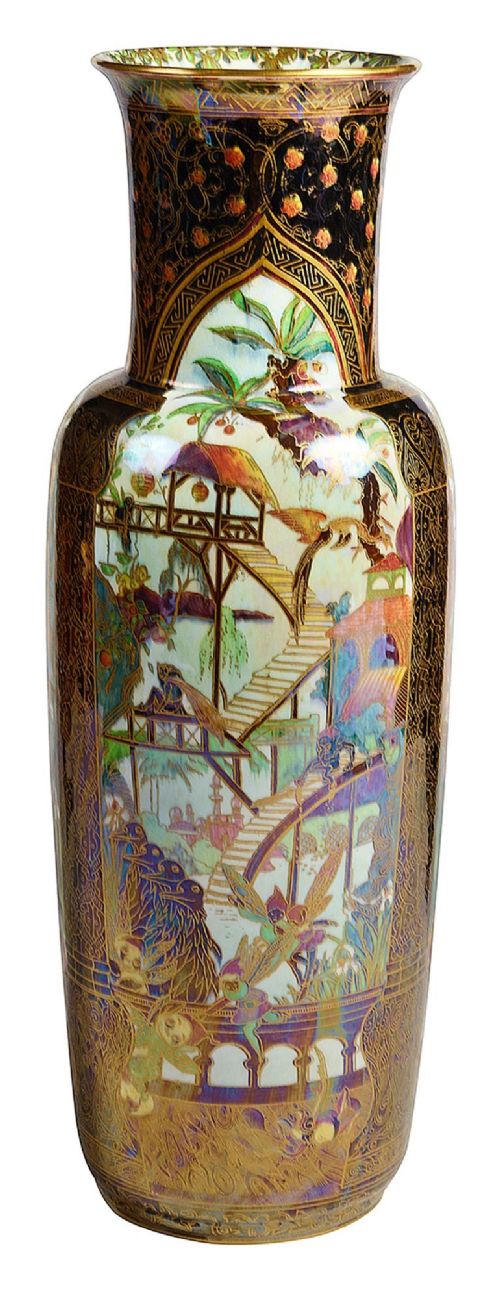
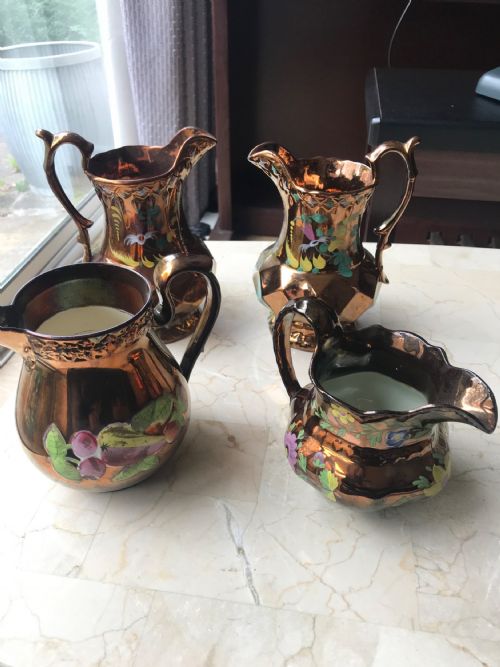
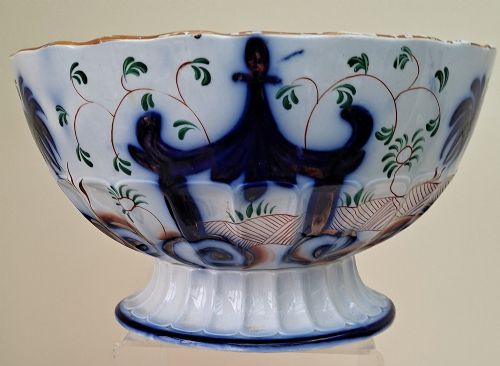
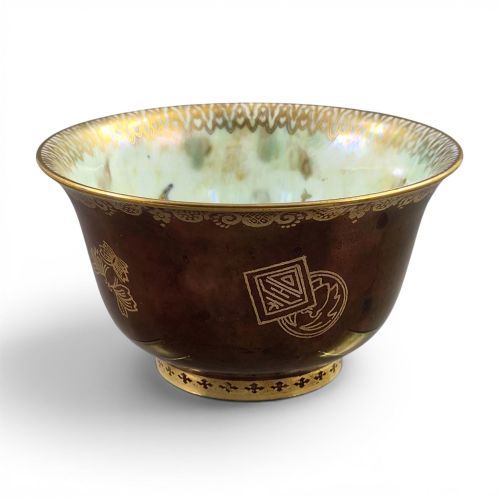
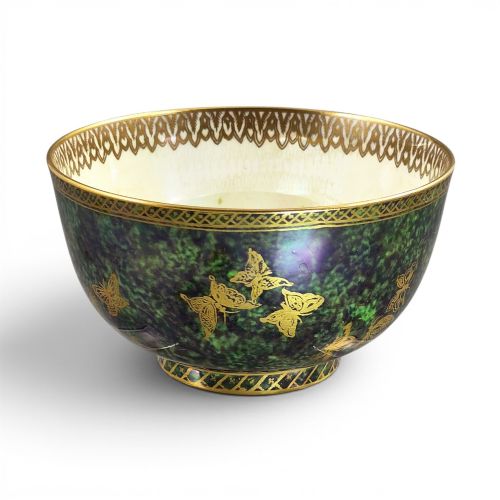
The pieces appearing on this page span several centuries, including Victorian copper lustre jugs, Edwardian Fairyland pieces, and earlier earthenware. Forms range from decorative bowls and vases to figurative sculptures and commemorative jugs.
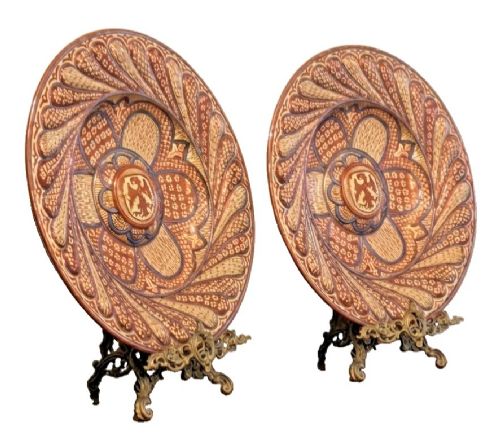
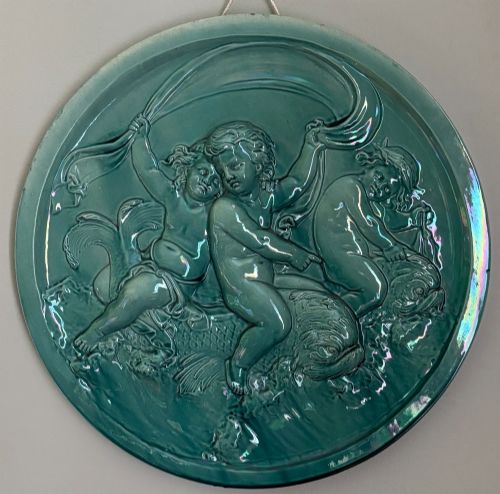
English earthenware and porcelain dominate the selections, alongside Persian pieces from earlier periods and continental works from makers such as Zsolnay and Clement Massier. Collectors choose them for the interplay of metallic oxides and ceramic grounds.
How they were made
Potters applied metallic glazes containing silver or copper over fired ceramic bodies, then subjected the pieces to a secondary reduction firing. This process deposits a thin metallic film onto the glaze surface, creating the characteristic iridescent shine.
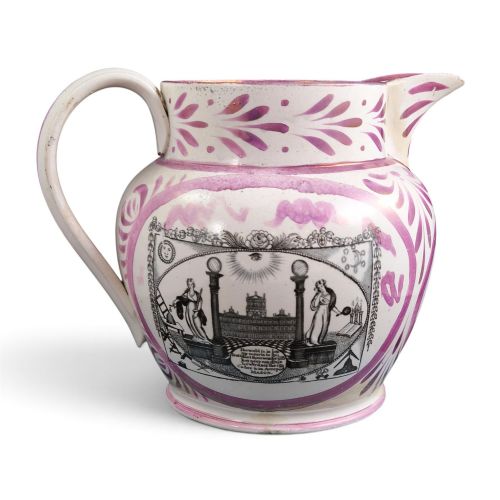
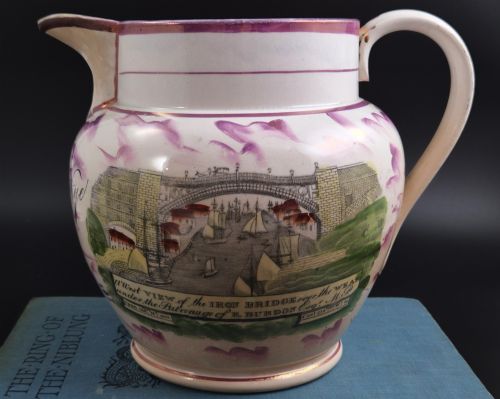
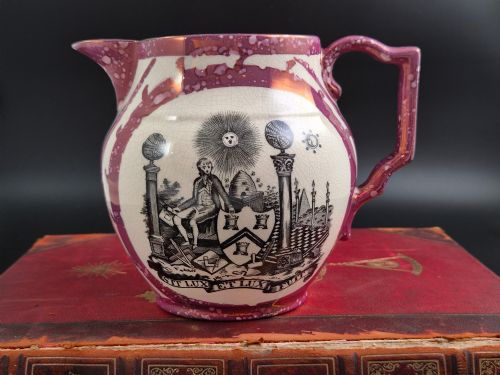
Makers such as Wedgwood and Shelley utilised earthenware and porcelain as bases for hand-decorated motifs, incorporating enamel colours and gold leaf. Some works involve transfer-printed scenes, such as the masonic emblems and maritime views found on nineteenth-century Sunderland jugs.
Lustre Glaze Pottery Retail Price Guide 2026
Typical asking prices for lustre glaze pottery among the pieces listed under this phrase on Sellingantiques today, from the lower quarter to the upper quarter. They describe what is for sale here now, not the wider market.
Designers such as Daisy Makeig-Jones and Walter Slater are represented alongside major factories including Wedgwood and Zsolnay.
What varies in quality
Quality rests on the depth and control of the metallic sheen, alongside the crispness of hand-painted or transfer-printed details. Master designers like Daisy Makeig-Jones achieved intricate layering in Fairyland patterns that simple commercial wares lack.
The harmony between the base ceramic form and the lustre finish determines the visual success of a piece. Early Persian bowls display a different technical mastery compared to mass-produced Staffordshire copper lustre dogs, where hand-decorated fruit motifs vary in artistic execution.
Wedgwood·Shelley·Zsolnay Pecs·Clement Massier·Royal Lancastrian
The Lustre Glaze Pottery Glossary
- Lustre glaze
- A ceramic finish containing metallic elements that produce an iridescent, reflective surface upon secondary firing. This technique dates back to medieval Islamic pottery before European factories adopted it.
- Copper lustre
- A type of metallic glaze yielding a warm, reddish-brown copper appearance. It became popular in nineteenth-century Staffordshire for jugs and decorative figures.
- Pink splash lustre
- A decorative technique involving pink or purple metallic speckles distributed across a white or cream earthenware ground. Sunderland potteries utilised this method extensively for commemorative maritime jugs.
- Earthenware
- Porous pottery fired at lower temperatures, commonly used as the body for English lustre jugs and bowls. It requires glazing to become impervious to liquids.
- Creamware
- A refined earthenware developed in the eighteenth century with a pale yellowish-cream tone. Factories like Wedgwood utilised it as a smooth canvas for variegated lustre finishes.
Lustre Glaze Pottery: Frequently Asked Questions
How do I clean lustre pottery?
Dust ceramic lustre pieces gently with a soft, dry cloth to protect the delicate metallic surface from abrasion.
Avoid immersion in water or chemical cleaning agents, as moisture and harsh detergents can damage the historic glaze over time.
Are these pieces safe for food use?
Historic lustre glaze pottery is intended for display rather than culinary use.
Many older ceramic glazes contain metallic compounds that are unsuitable for modern food and beverage consumption.
How do I date copper lustre jugs?
Examine the weight, handle shape, and base construction of the earthenware body to estimate the period of manufacture.
Nineteenth-century Staffordshire pieces often feature applied handles and hand-decorated bands of colour that distinguish them from later reproductions.
What is Sunderland lustre?
Sunderland lustre refers to earthenware vessels produced in northeast England featuring distinct pink splash patterns and transfer-printed imagery.
These jugs frequently depict local landmarks like the Iron Bridge over the Wear alongside masonic or maritime themes.