

Low Walnut Coffee Table
A low walnut coffee table brings warmth and rich grain to a room, grounding the space with centuries of refined timber craft.
Low Walnut Coffee Table
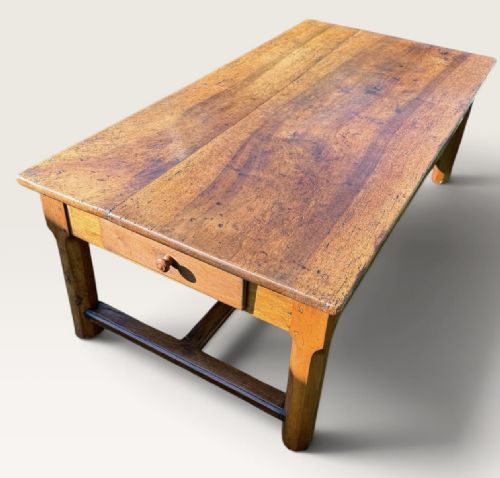
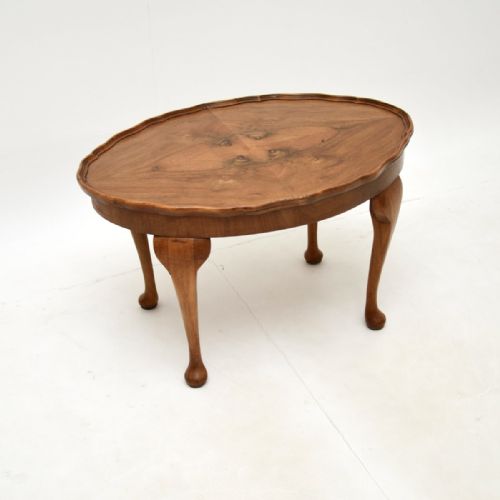
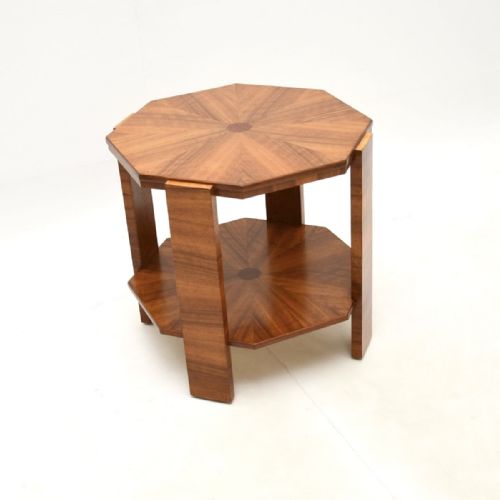
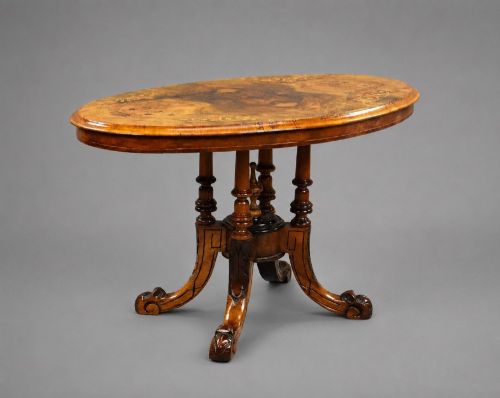
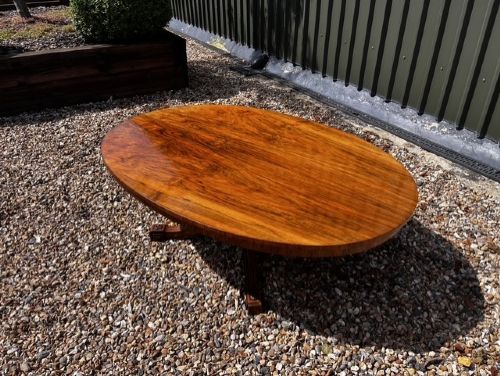
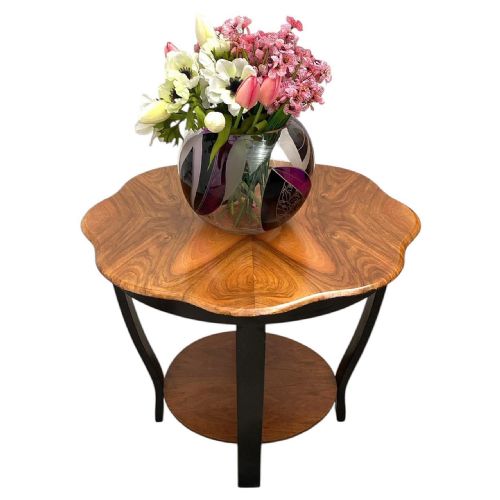
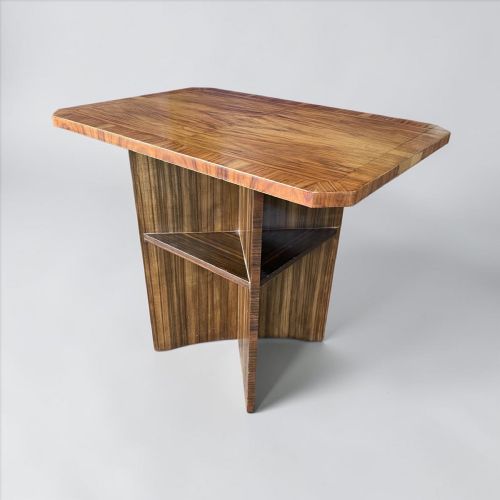
When searching for a low walnut coffee table, collectors encounter pieces spanning from the eighteenth century through the Victorian era and into Art Deco design. Many of these forms originated as taller occasional, centre, or wine tables that were subsequently lowered to suit modern seating heights. Others arrived as purpose-built low tables from the early twentieth century, showing distinct geometric lines or revived historical proportions.
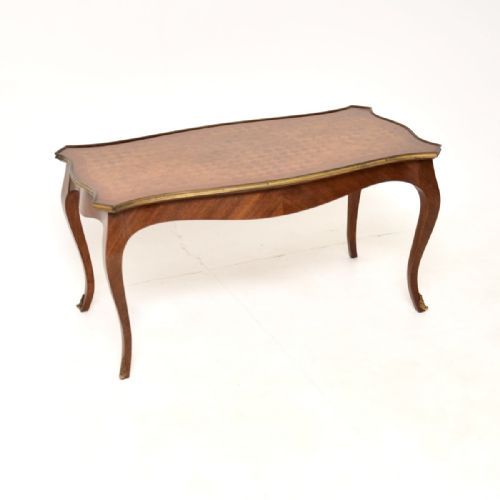
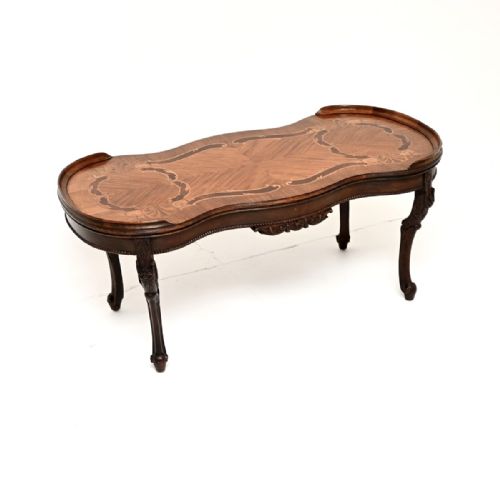
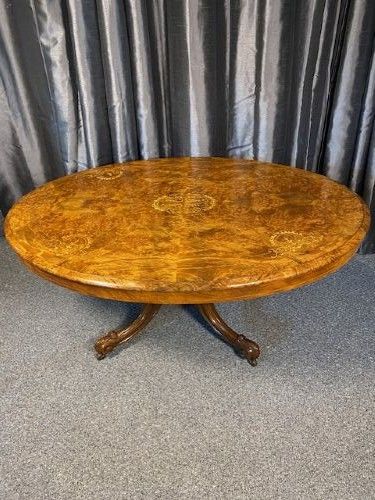
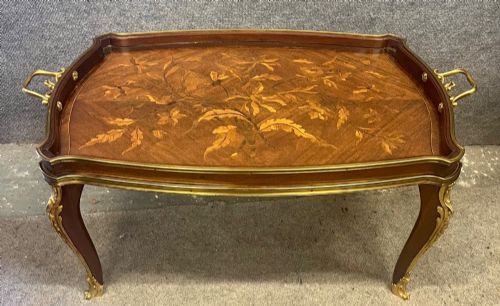
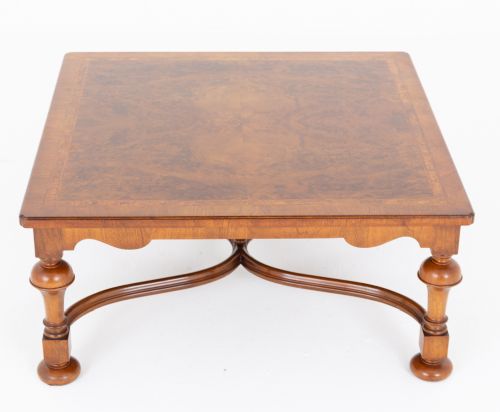
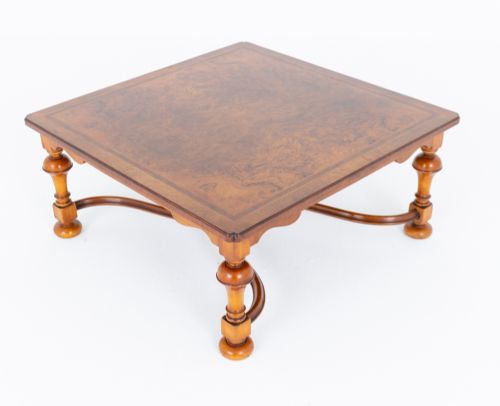
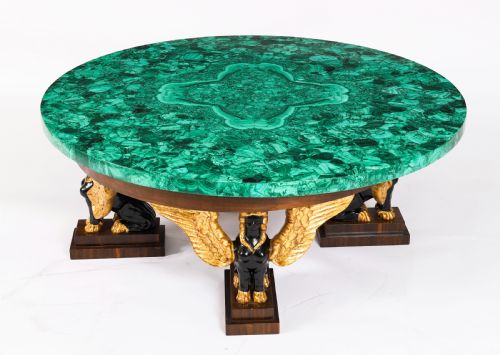
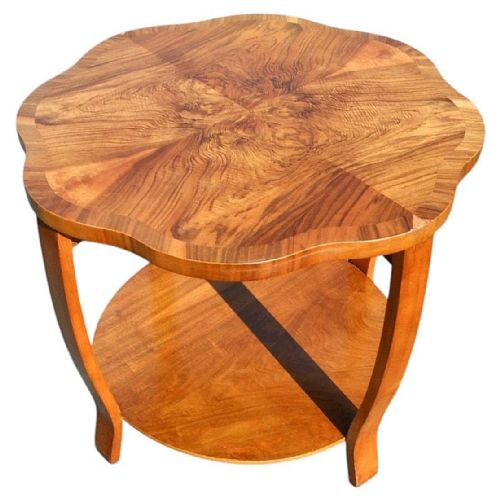
The selection ranges from simple circular occasional tables to elaborate French inlaid parquetry and marquetry designs with ormolu mounts. Burr walnut surfaces appear frequently, offering swirling, highly figured grain patterns that catch the light. Buyers also find nests of tables, pie crust edges, and two-tier configurations suited to everyday living.
How they were made
Cabinetmakers utilised solid timber and decorative walnut veneer laid over secondary woods to create complex grain patterns without warping. Burr walnut sections were sliced from growths on the tree, yielding intricate, swirling figures that required meticulous hand application.
Inlaid pieces incorporate contrasting woods, brass stringing, and marquetry motifs set directly into the surface. Ormolu mounts, giltwood accents, and marble inserts appear on continental examples, secured with traditional joinery rather than modern adhesives.
Listings feature walnut coffee tables spanning from the eighteenth century through Victorian craftsmanship to Art Deco designs.
What varies in quality
The distinction between ordinary pieces and exceptional examples rests upon the selection and matching of the veneer. Top-tier tables display symmetrical, book-matched grain across the top surface, where the pattern mirrors itself precisely from one half to the other.
The finesse of the secondary details separates workshop standards. Crisp carving on cabriole legs, neat parquetry work, and solid brass mounts that sit flush against the timber indicate superior cabinetmaking.
Holland and Sons·Gillow and Co·Waring and Gillow·C W Burns
The Low Walnut Coffee Table Glossary
- Burr walnut
- A veneer cut from the gnarled growth on a walnut tree. It produces highly prized, swirling patterns rich in depth and movement.
- Marquetry
- The art of applying small pieces of veneer to a structure to form decorative patterns. Artisans use various tinted woods to picture flowers, landscapes, or geometric designs.
- Ormolu
- Gilt bronze mounts applied to furniture. This decorative hardware gained favour on French tables during the nineteenth and early twentieth centuries.
- Parquetry
- Geometric patterns formed by small pieces of wood fitted together. Squares, triangles, and diamonds create repeating tiled designs across the tabletop.
- Pie crust edge
- A raised, carved tabletop edge resembling pastry crimping. Cabinetmakers shaped these borders from solid timber on round occasional tables.
Low Walnut Coffee Table: Frequently Asked Questions
How do I spot a converted table?
Look closely at the lower section of the legs and the proportions of the underframe. Converted pieces often show altered leg terminals or internal stretcher heights that appear slightly out of balance.
Examine the underside of the top for filled dowel holes or repositioned block fixings. These modifications reveal where an earlier taller frame was reduced in height to serve as a modern coffee table.
Are Art Deco tables solid walnut?
Art Deco pieces generally rely on finely figured walnut veneers applied over stable structural timbers like mahogany or oak. This technique prevented warping while showcasing dramatic grain patterns.
Solid walnut was reserved for turned legs, carved borders, or smaller structural elements. The visible surfaces receive the decorative veneer focus typical of the period.
How do I care for walnut veneer?
Keep antique walnut away from direct sunlight and heat sources to prevent the timber from drying out and the veneer from lifting. Maintain a stable indoor climate to protect the polish.
Dust regularly with a soft, dry cloth and apply a quality beeswax sparingly when the finish appears dry. Avoid silicone-based sprays that damage historic French polish.
What defines a Queen Anne style table?
Queen Anne style tables feature smooth curves, distinct cabriole legs, and pad feet without heavy carving. The silhouette emphasises graceful, flowing lines derived from eighteenth-century proportions.
Revival pieces from the early twentieth century capture this same restrained elegance. They rely on the warmth of burr walnut grain rather than ornamental flourishes for visual impact.