


Low Rustic Bench
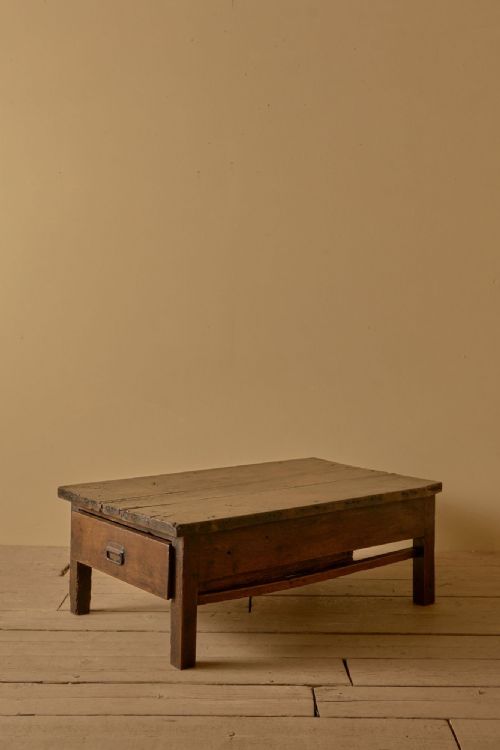
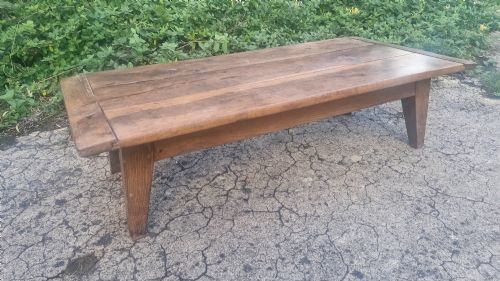
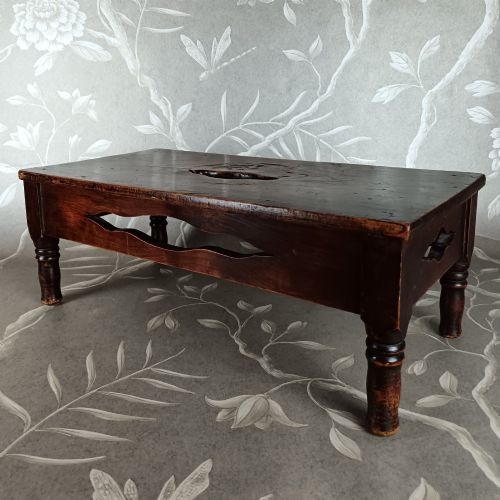
A low rustic bench brings practical surface space and unpretentious character to a room through simple timber construction.
Low Rustic Bench
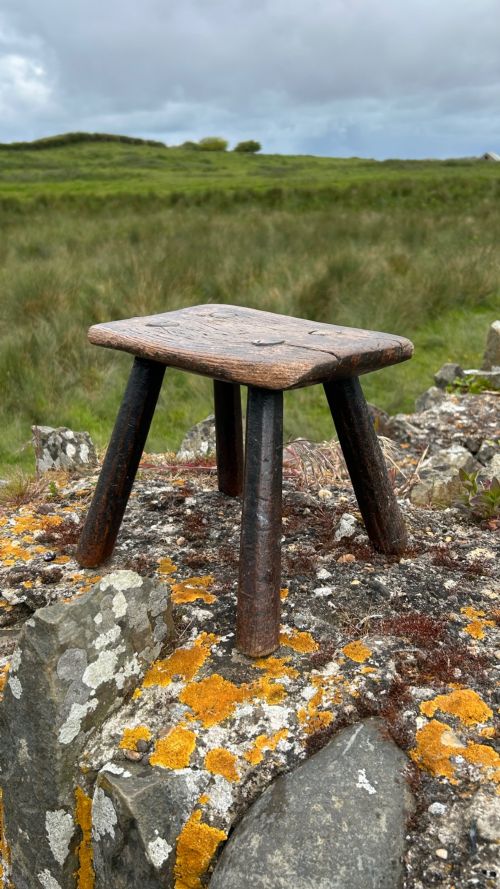
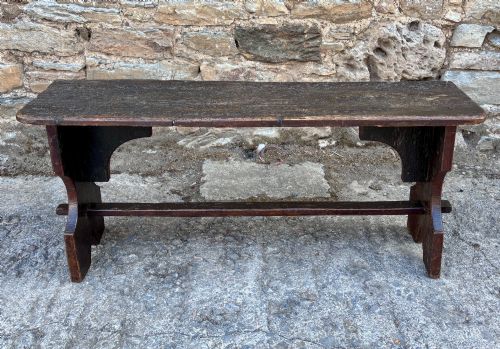
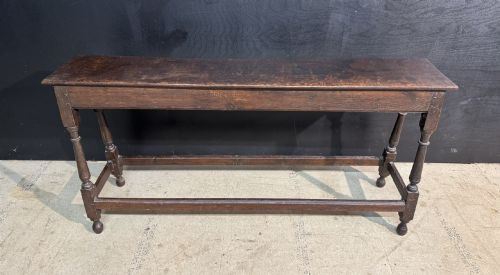
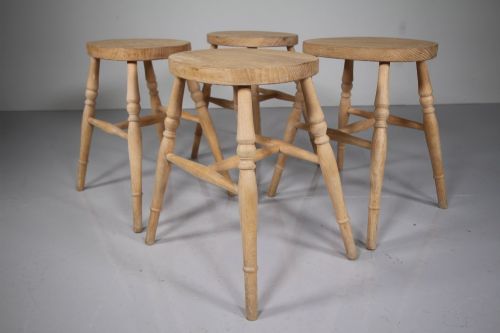
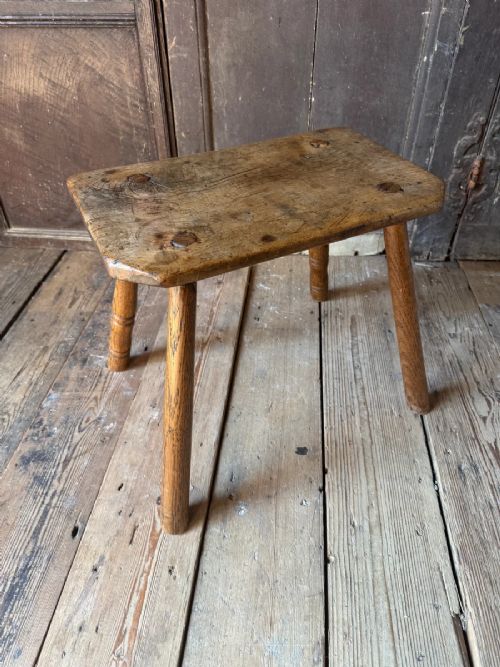
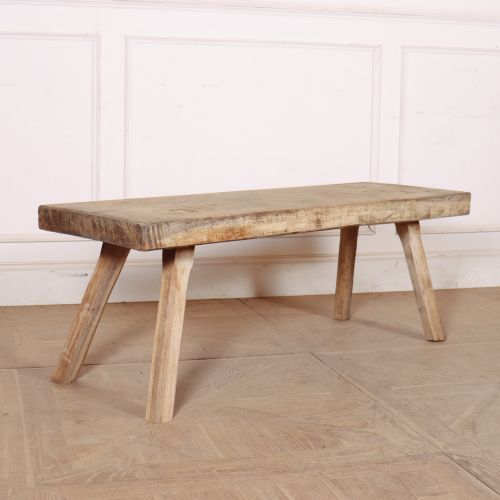
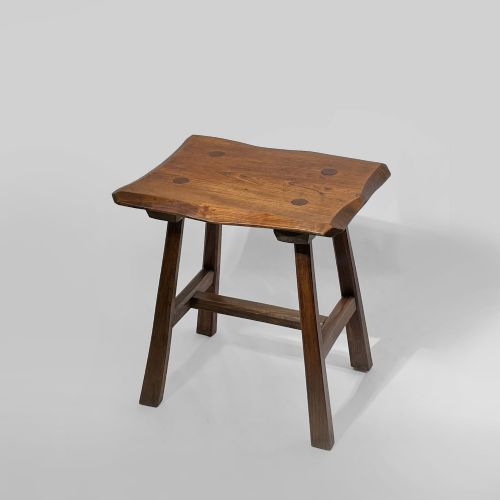
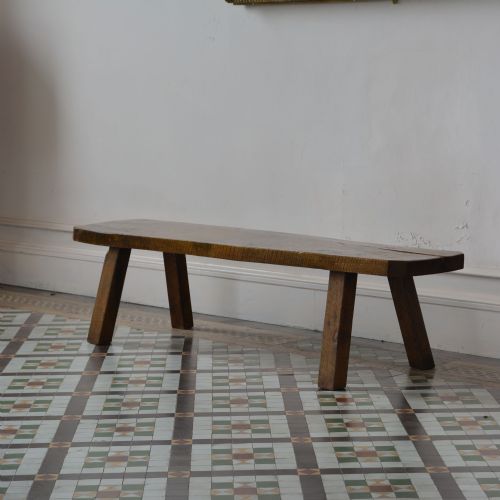
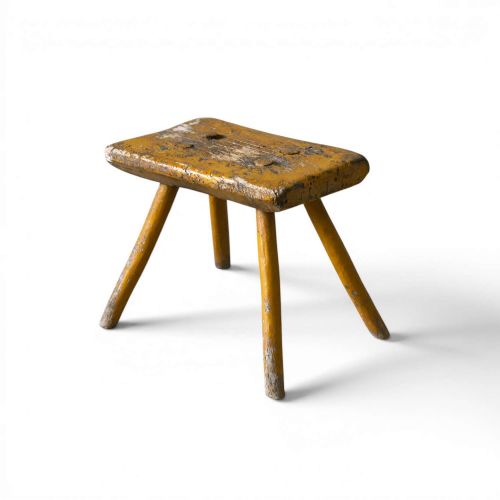
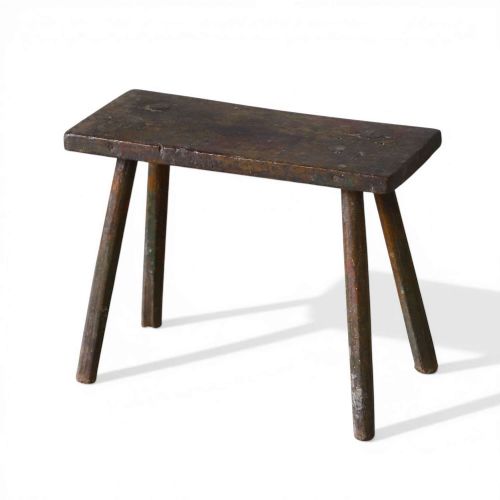
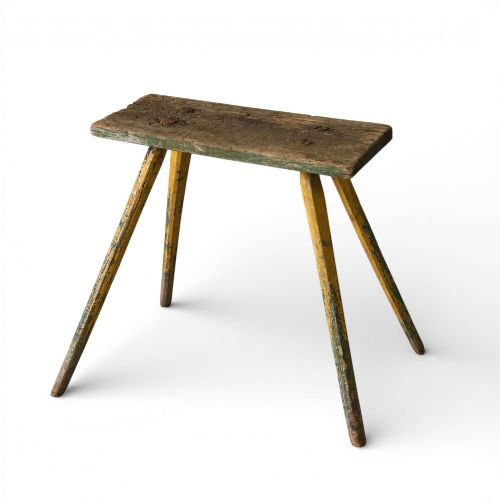
A low rustic bench comprises straightforward seating and low tables shaped by vernacular traditions across Britain, Europe, and Asia. These pieces often originate as utilitarian workshop or farm items such as pig benches, milking stools, and cheese press tables.
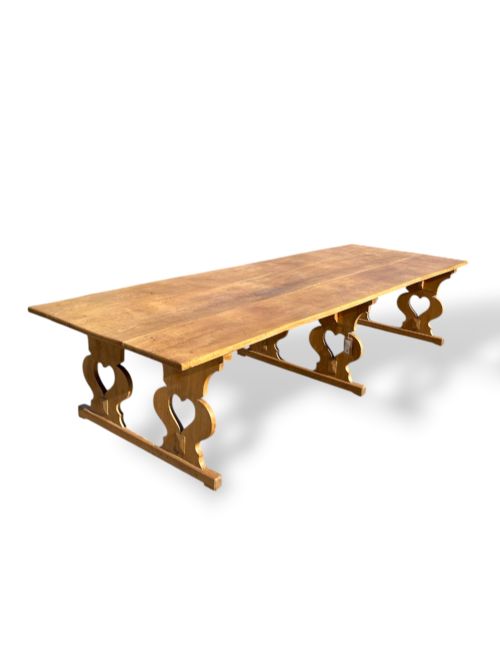
Buyers seeking this phrase encounter solid timber forms ranging from compact three-legged stools to long boards resting on trestles. The selection leans heavily towards nineteenth-century examples alongside eighteenth-century and early twentieth-century survivals.
Many items function equally well as coffee tables or low occasional surfaces in contemporary interiors. Their appeal lies in honest construction and unadorned utility rather than formal cabinet-making.
How they were made
Construction relies on sturdy domestic and imported hardwoods and softwoods including oak, elm, pine, sycamore, ash, and fruitwood. Carpenters and rural joiners selected timber for local availability and sheer durability under heavy daily use.
Joints typically employ straightforward pegging, mortise and tenon construction, or simple wedge-inserted legs driven straight through thick plank tops. Surfaces frequently retain tool marks, adze scars, and layers of original paint such as ochre or green.
Low Rustic Bench Retail Price Guide 2026
Typical asking prices for low rustic bench among the pieces listed under this phrase on Sellingantiques today, from the lower quarter to the upper quarter. They describe what is for sale here now, not the wider market.
Recorded forms range from Hungarian pig benches and Eastern European milking stools to French provincial low tables and English joint stools.
What varies in quality
Quality rests in the integrity of the timber, the honesty of the wear, and the balance of the proportions. Thick plank tops that have survived centuries without excessive splitting command greater attention from discerning buyers.
Surface patination sets superior examples apart, particularly where scrubbed finishes or genuine original paint remain intact. The rhythm of hand-cut joints and structural stability without modern intervention define the better specimens.
The Low Rustic Bench Glossary
- Pig bench
- A low wooden bench traditionally used in agricultural settings for butchery or farm work, now repurposed as a coffee table. These pieces feature long, narrow proportions and thick solid tops.
- Milking stool
- A small, low seat, often with three splayed legs for stability on uneven ground. They appear frequently in various regional vernacular styles.
- Joint stool
- A joined or assembled wooden stool built with mortise and tenon framing rather than turned legs driven into a seat. They represent more formal seventeenth and eighteenth-century carpentry.
- Trestle table
- A table structure consisting of horizontal beams supported by two or more vertical frames or trestles. This form provides sturdy support for heavy plank surfaces.
- Patina
- The surface sheen and colour developed over decades through handling, waxing, and ageing. It serves as a visual indicator of genuine historic use.
Low Rustic Bench: Frequently Asked Questions
What is a low rustic bench used for today?
These pieces serve primarily as low coffee tables, window seats, or occasional display surfaces in living spaces. Their modest height and long proportions suit placement in front of low sofas.
They also function as standalone accent pieces in hallways or bedrooms where natural wood texture adds warmth to a room.
How do I care for antique pine and hardwood benches?
Maintain timber surfaces by applying natural beeswax sparingly to nourish the wood and protect the grain. Avoid placing antique benches near direct heat sources or in areas with fluctuating humidity to prevent splitting.
Clean the surface using a soft, dry cloth rather than wet solutions that might damage original painted finishes or dry patination.
What makes a pig bench different from a standard bench?
Pig benches were originally built for agricultural utility, featuring exceptionally thick plank tops and narrow widths designed for heavy-duty farm tasks. Their utilitarian purpose resulted in robust framing and unpretentious joinery.
Today, these specific proportions make them ideal narrow coffee tables for tighter room layouts.
How can I tell the period of a rustic wooden bench?
Dating relies on examining tool marks, timber species, joint construction, and the presence of historic wear patterns. Eighteenth-century pieces often display hand-sawn surfaces and pegged joints, while nineteenth-century versions incorporate broader regional variations.
Original paint layers and surface oxidation also provide clues to the approximate age of the piece.