


Low Rectangular Coffee Table
A low rectangular coffee table grounds a room, bringing surface space low down where nineteenth-century timbers and twentieth-century brass meet daily life.
Low Rectangular Coffee Table
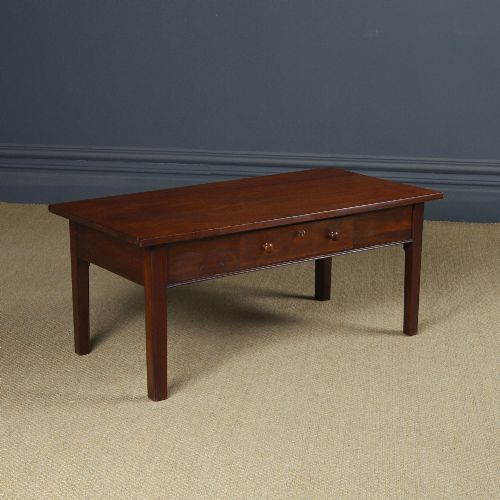
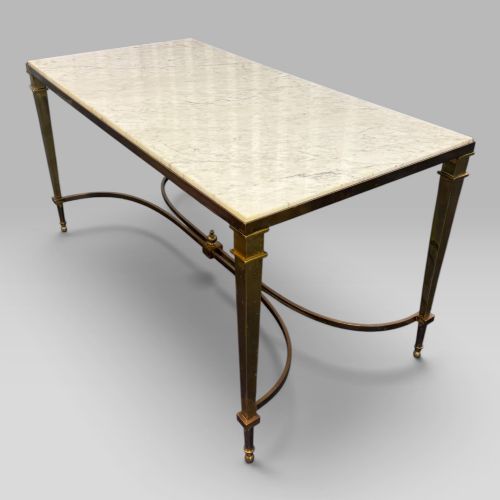
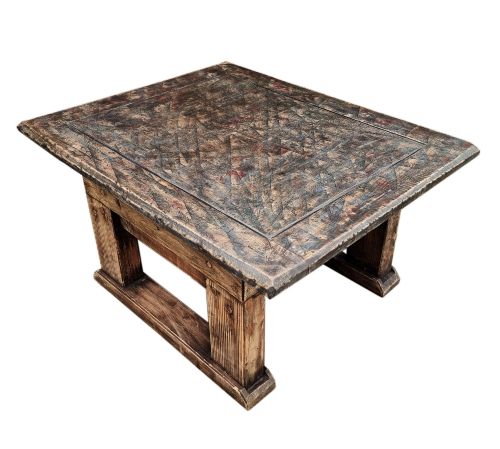
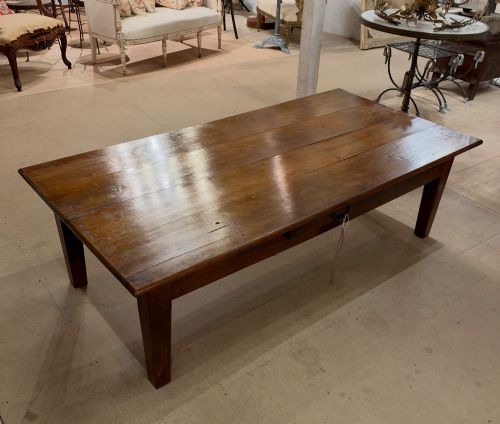
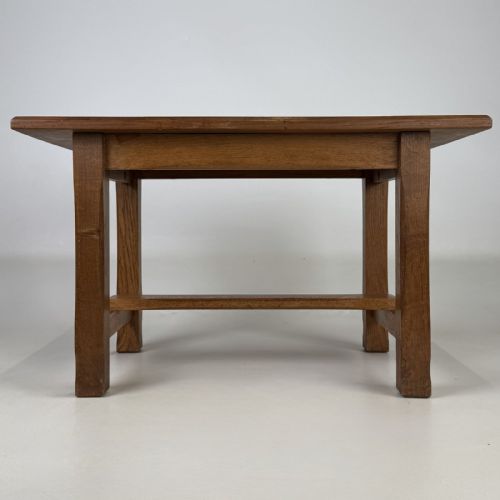
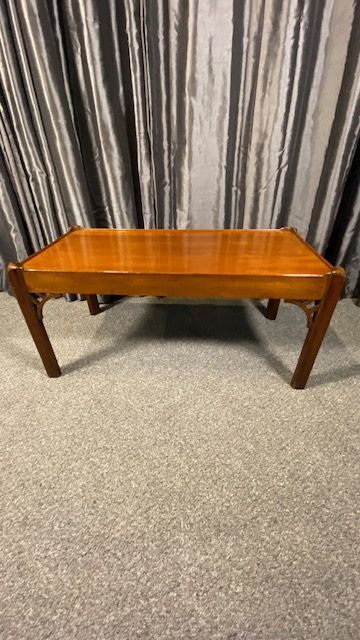
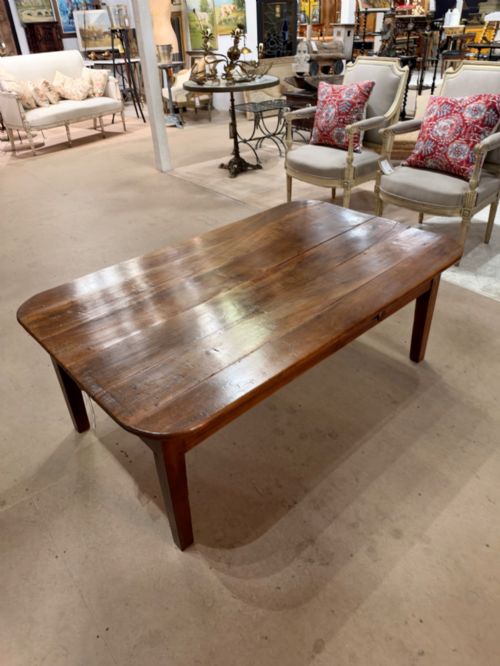
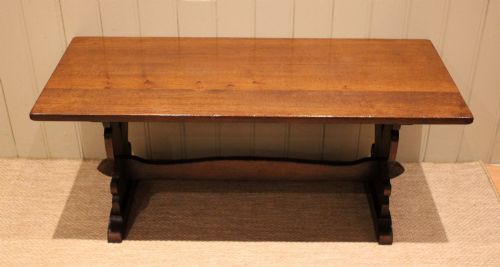
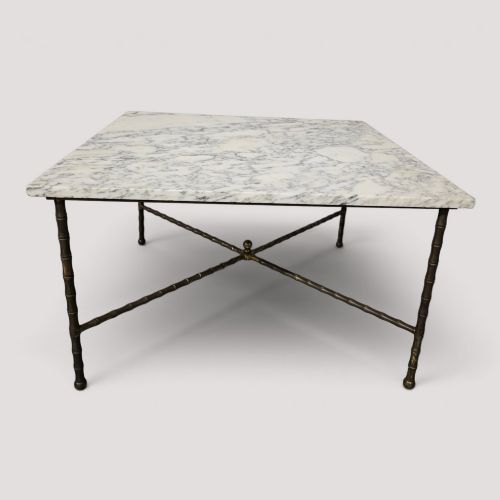
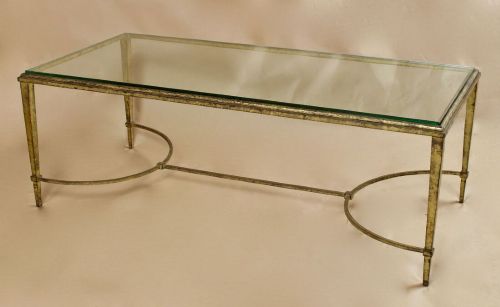
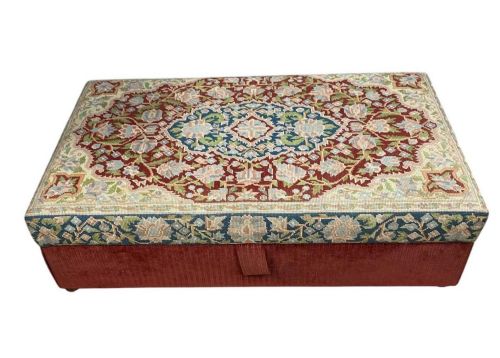
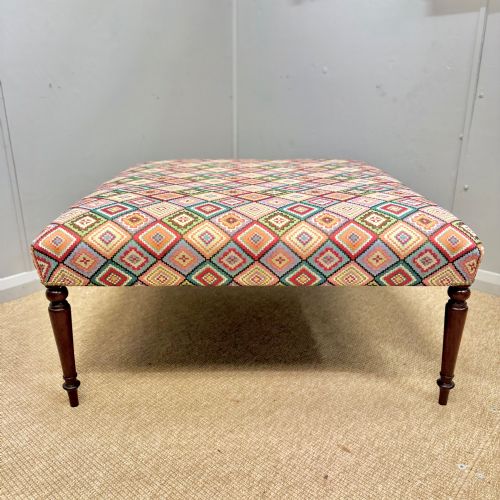
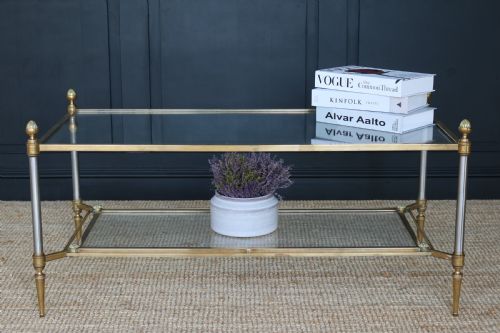
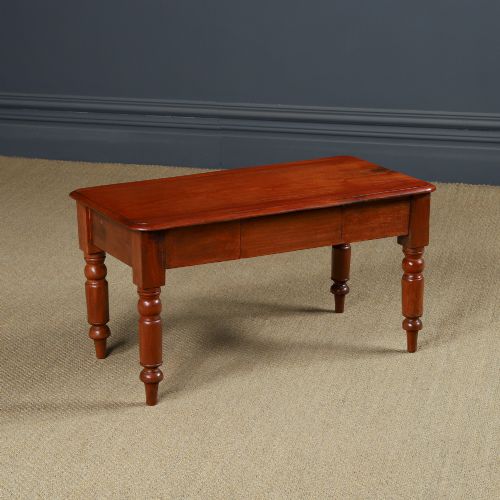
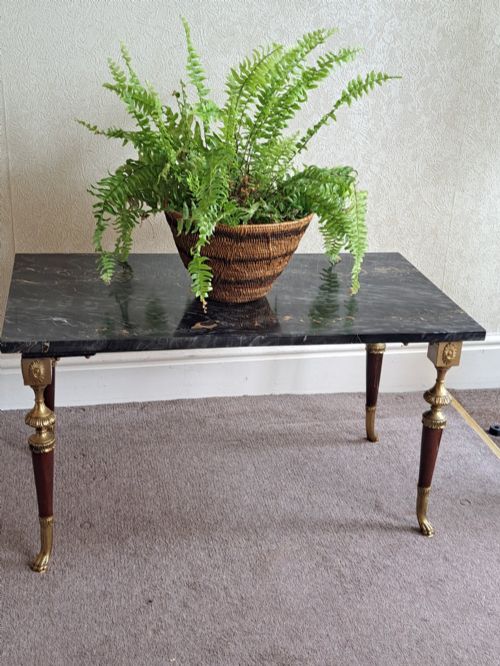
A low rectangular coffee table brings together repurposed footstools, low occasional tables, and purpose-built low furniture drawn from nineteenth-century and twentieth-century traditions. You will encounter scrubbed elm planks, Victorian mahogany adaptations, and twentieth-century brass-framed designs with glass or marble tops.
The materials span dense hardwoods like mahogany, rosewood, and oak alongside lighter pine, fruitwood, and exotic padouk. Many pieces originate as nineteenth-century footstools, ottomans, or centre tables lowered for modern living, retaining their original joinery and proportions.
Origins stretch across English country houses, French salons, and Chinese workshops, uniting diverse cultural aesthetics under a single low silhouette. Whether you select a rustic farmhouse board or a polished walnut surface, each piece balances utility with historical presence.
How they were made
Cabinetmakers utilised traditional timber joinery, fashioning frames in solid mahogany, oak, walnut, and rosewood using mortise and tenon techniques. Surfaces often display careful grain selection, from burr walnut figuring to plain scrubbed elm planks.
Metal and stone were integrated by twentieth-century makers, combining brass, chrome, and wrought iron with inset marble slabs or glass panels. Earlier conversions adapted upholstered nineteenth-century stools and ottomans, retaining cane seats or carved wooden underframes.
Low Rectangular Coffee Table Retail Price Guide 2026
Typical asking prices for low rectangular coffee table among the pieces listed under this phrase on Sellingantiques today, from the lower quarter to the upper quarter. They describe what is for sale here now, not the wider market.
Periods represented span the Victorian era, the nineteenth century, and twentieth-century decades up to the 1950s and beyond.
What varies in quality
Quality rests in the integrity of the timber and the honesty of the proportion, separating purpose-made early tables from later height-adjusted conversions. A heavier gauge of brass or a thick slab of marble elevates a twentieth-century frame, while tight, uncompromised joinery defines better nineteenth-century examples.
Patina dictates visual success, where decades of handling leave a warm, tactile skin across oak, mahogany, and elm. Lesser pieces may suffer from unsympathetic surface stripping or unstable alterations made to meet modern height demands.
Maison Jansen·Maison Ramsay·Romeo Rega·Heals
The Low Rectangular Coffee Table Glossary
- Patina
- The surface sheen and soft wear accumulated on wood and metal over generations of use. This natural ageing gives antique timber its distinctive warmth and character.
- Padouk
- A heavy, durable tropical hardwood prized for its rich reddish-brown colour and stability. It appears frequently in Asian-influenced low furniture.
- Etagere
- A set of open shelves or tiers designed for display, often seen in brass-framed twentieth-century side and coffee tables. This French form provides multiple horizontal surfaces within a compact footprint.
- Burr walnut
- Timber taken from a tree growth or burr, yielding swirling, highly decorative grain patterns. Cabinetmakers sliced this wood into fine veneers for high-status occasional tables.
- Fretwork
- Open ornamental woodwork cut in geometric or lattice patterns, frequently inspired by Chinese designs. It adds architectural detail to aprons and panels.
Low Rectangular Coffee Table: Frequently Asked Questions
Are these tables converted from older items?
Many low rectangular coffee tables began life as nineteenth-century footstools, ottomans, or standard-height occasional tables before being adapted to a lower profile.
Craftsmen often adjusted the legs or utilised antique panels, such as Chinese fretwork, to create functional furniture for modern seating arrangements.
How do I care for a marble top?
Marble surfaces require prompt wiping of acidic liquids like wine or lemon juice to prevent etching into the polished stone.
Use coasters and neutral soap with water for cleaning, avoiding harsh chemical sprays that strip the natural lustre.
How do I distinguish Victorian from twentieth-century pieces?
Victorian examples generally rely on solid mahogany, rosewood, or elm with hand-cut joinery and deep, time-worn patination.
Twentieth-century pieces frequently introduce mixed media like brass, chrome, and plate glass, often reflecting specific twentieth-century design movements.
Will a rustic elm table suit a modern room?
A rustic elm or scrubbed pine table provides a tactile, earthy contrast against contemporary upholstery and smooth plastered walls.
The natural grain and honest construction ground a minimalist space without overwhelming the room's proportions.