


Low Occasional Table
A low occasional table brings practical surface space and period character within reach of seating, uniting utility with craft.
Low Occasional Table
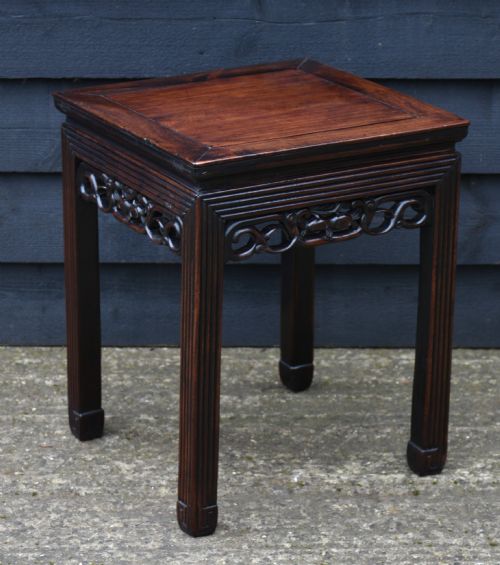
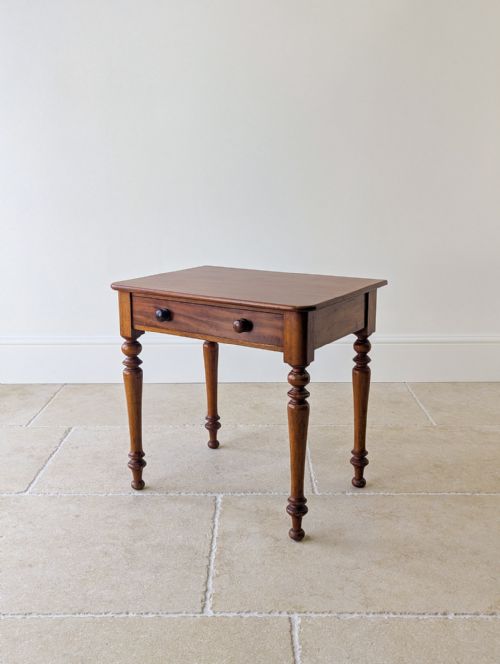
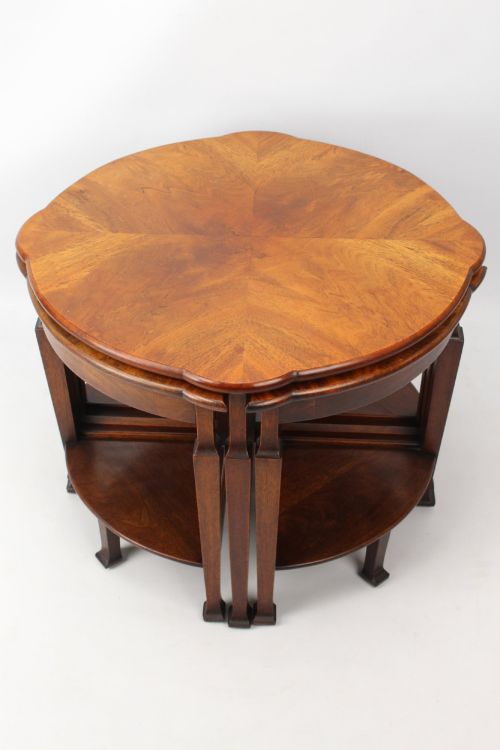
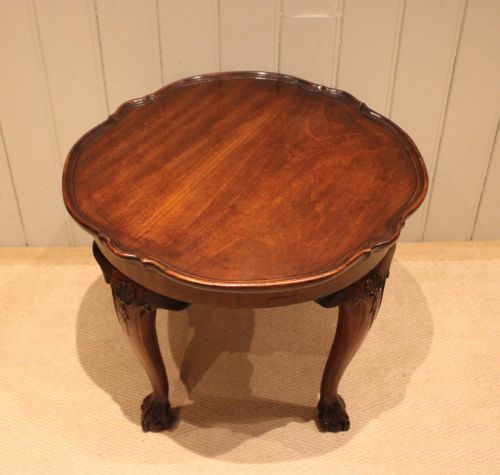
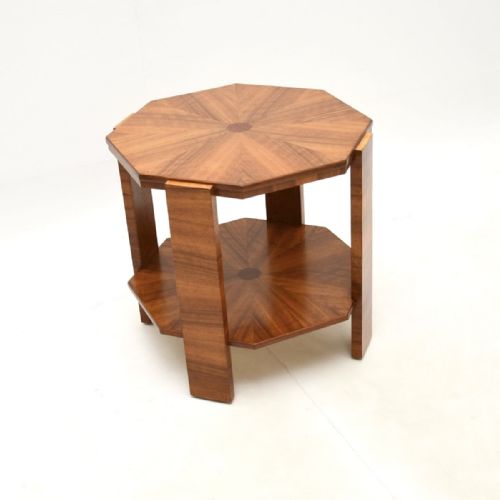
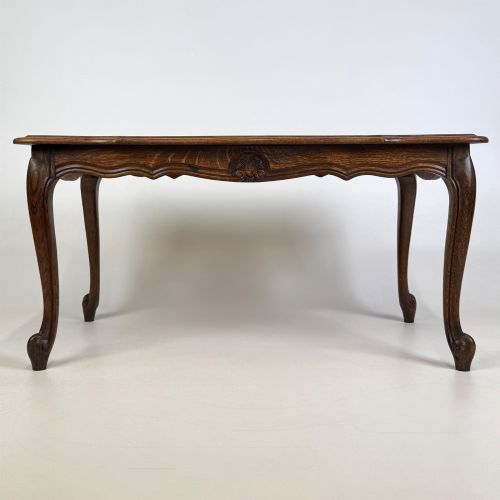
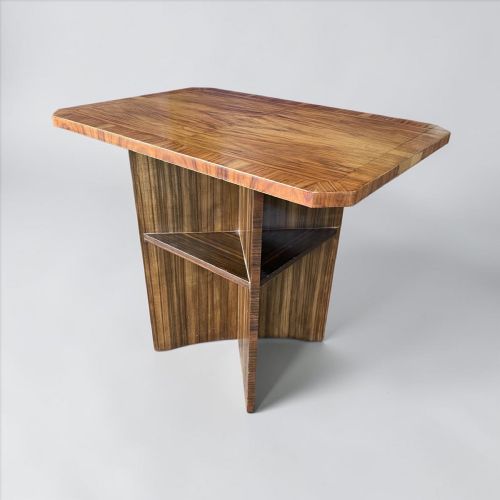
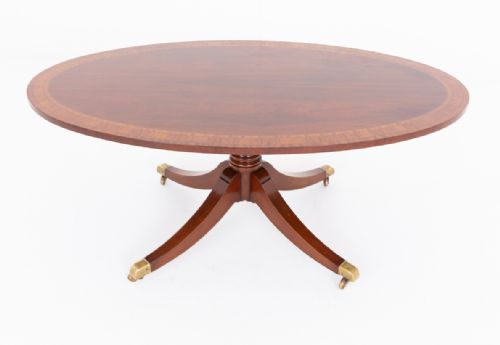
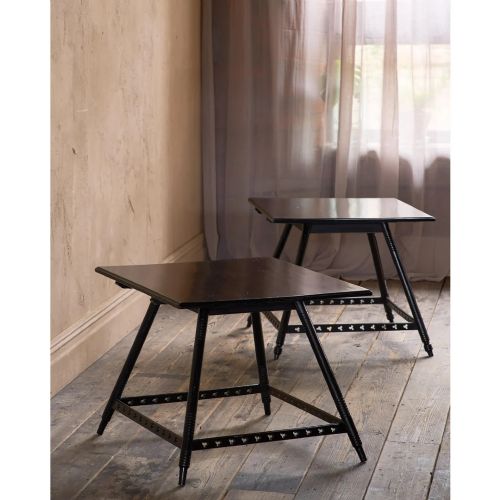
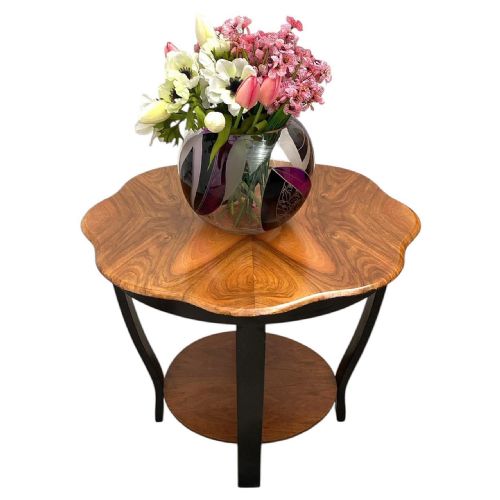
The selection ranges from Georgian and Victorian oak and mahogany examples to sleek Art Deco walnut designs and French provincial pieces. These tables frequently adapt traditional forms, such as lowered wine tables or shortened side tables, to suit contemporary living heights.
How they were made
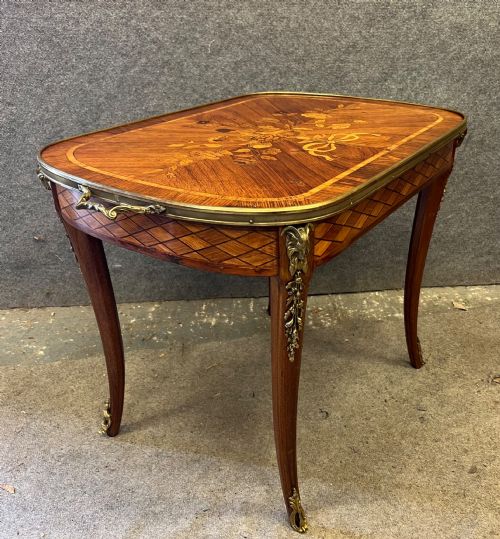
Cabinetmakers utilised solid timbers such as oak, mahogany, and walnut, often applying decorative veneers including burr walnut, oyster walnut, and figured walnut to visible surfaces. Marquetry, inlay, and brass mounts appear frequently on French and English pieces to add ornamental detail.
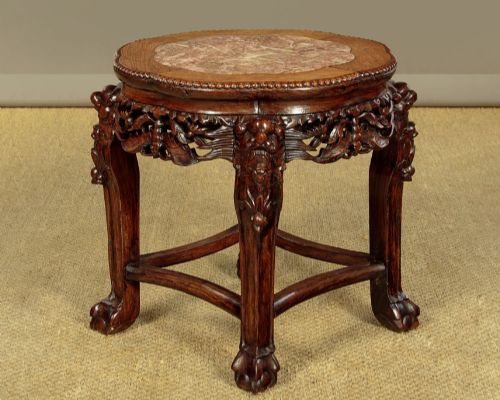
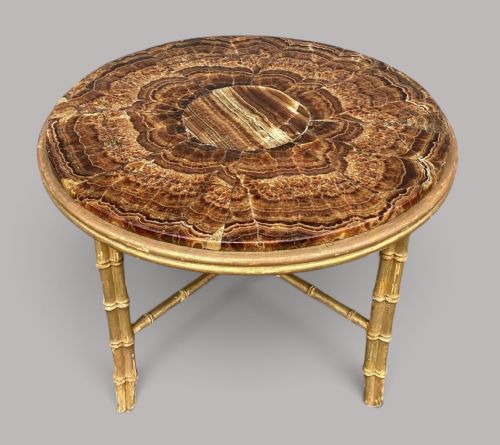
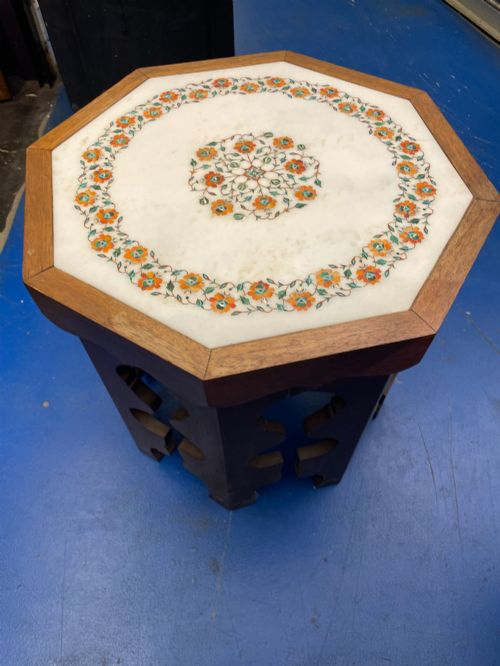
Construction techniques evolved from traditional joined and pinned frames in earlier centuries to sophisticated veneering and steam-bending during the Art Deco period. Marble and onyx inserts also feature across specific European and Asian designs, set directly into timber frames.
Low Occasional Table Retail Price Guide 2026
Typical asking prices for low occasional table among the pieces listed under this phrase on Sellingantiques today, from the lower quarter to the upper quarter. They describe what is for sale here now, not the wider market.
Listings feature low occasional tables spanning the eighteenth, nineteenth, and twentieth centuries, constructed from walnut, oak, and mahogany.
What varies in quality
The standard of timber selection and veneer matching dictates the visual impact of each piece, particularly on walnut and mahogany surfaces where grain patterns take centre stage. Superior examples display thoughtful book-matching and careful preservation of original patination.
Gillows of Lancaster·Waring and Gillow
The Low Occasional Table Glossary
- Pie crust
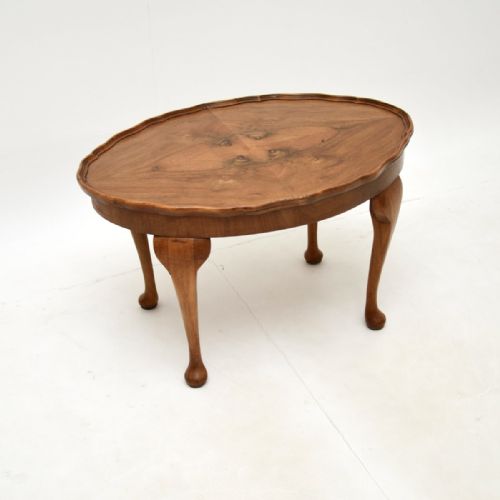
- A raised, carved tabletop edge shaped in undulating curves reminiscent of pastry crusts. This decorative flourish is frequently found on eighteenth and twentieth-century occasional tables.
- Ormolu
- Gilt bronze mounts applied to furniture, popular in French decorative arts. These metal ornaments enhance the corners, aprons, and legs of high-status tables.
- Japannery
- European imitation of East Asian lacquering techniques, used to decorate furniture surfaces with raised motifs and metallic finishes. It appears on select domestic tables from the early twentieth century.
Low Occasional Table: Frequently Asked Questions
What is a low occasional table used for?
These pieces function primarily as coffee tables, lamp stands, or side tables positioned near seating areas. Their lowered proportions make them ideal for holding drinks, books, and decorative objects within easy reach.
Historically, many started life as taller tables, wine tables, or writing desks before being shortened to suit modern seating arrangements. Others were built specifically as low proportions for specific domestic tasks.
How do I date a wooden occasional table?
Dating relies on examining the timber species, construction methods, tool marks, and overall stylistic characteristics. Georgian pieces often display hand-cut dovetails and solid oak or mahogany construction, whereas Art Deco examples favour figured walnut veneers and streamlined silhouettes.
Secondary woods used inside drawers or underneath frames also offer clues to origin and period. Comparing the decorative vocabulary, such as inlay styles or leg turning, against known historical periods narrows down the decade of manufacture.
Are these tables sturdy enough for daily use?
Traditional occasional tables are constructed from solid hardwoods like oak, mahogany, and walnut, built to withstand generations of domestic service. Solid joinery ensures they remain stable for everyday placement of household items.
Tables featuring delicate veneers or inlaid surfaces require slightly more care to protect the decorative top from moisture and heavy impact. Using coasters and appropriate placement preserves both the finish and the structural integrity.
How do I clean and maintain a vintage wood table?
Maintenance involves dusting with a soft, dry cloth and occasionally feeding the timber with a quality beeswax to nourish the polish. Avoiding direct sunlight and excessive heat prevents the wood from drying out and the veneers from lifting.
Harsh chemical cleaners should be avoided entirely, as they strip the historic patina and damage the original finish. Minor spills require immediate blotting to protect both solid wood and veneered surfaces.