





Late Victorian Lamp Stand
A late victorian lamp stand provides a stable pillar for period lighting, bringing steady metal or timber support to sitting rooms.
Late Victorian Lamp Stand
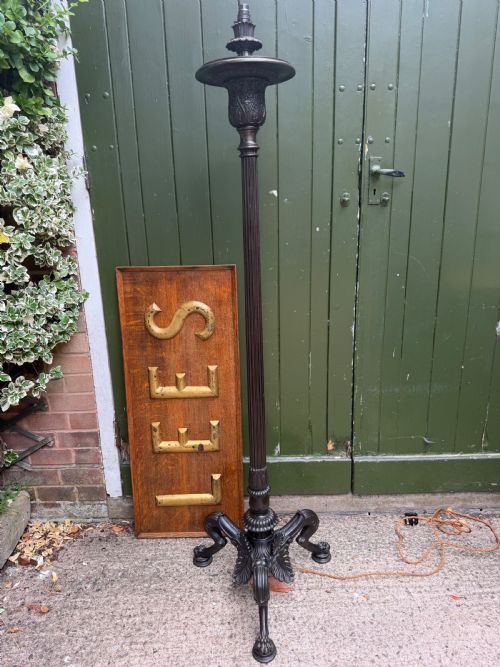
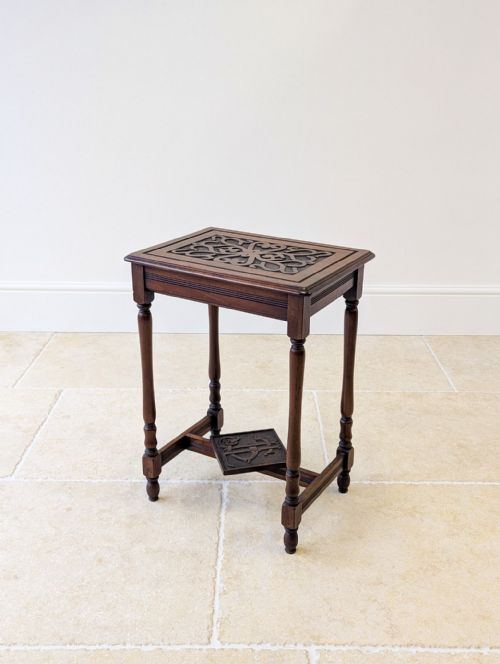
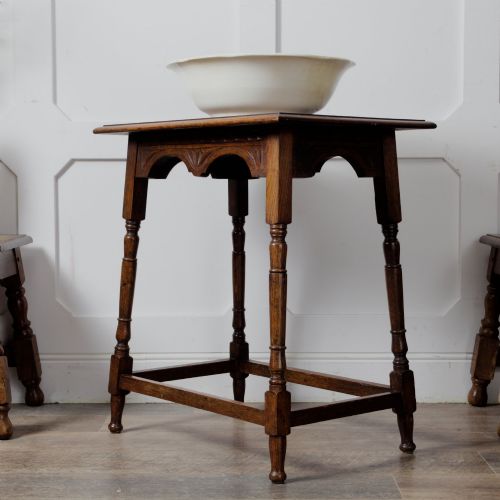
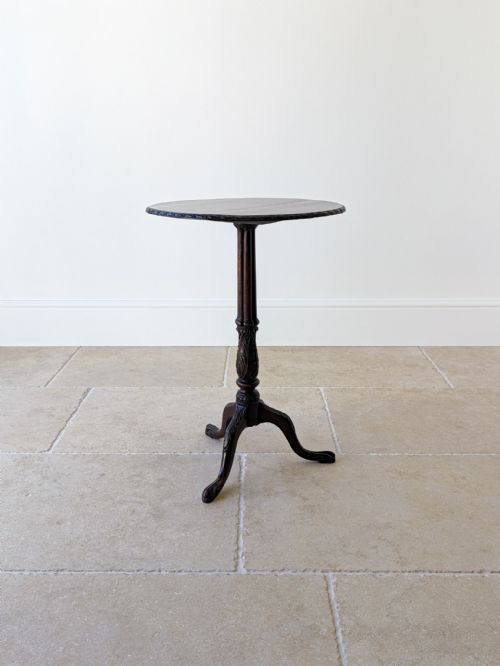
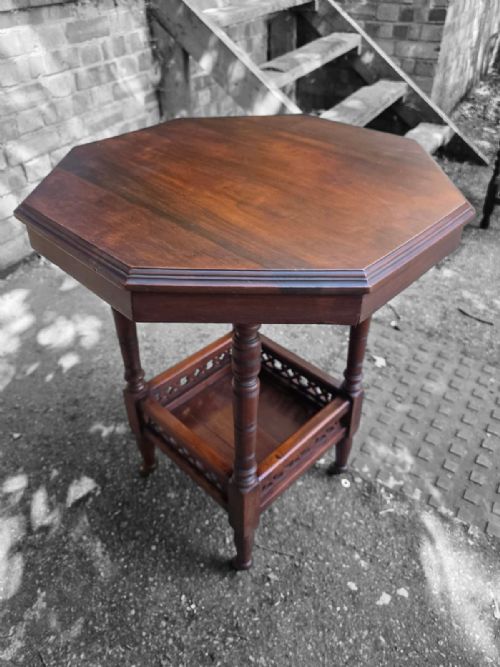
When you search for a late victorian lamp stand, you find vertical floor lamps and heavy-based standards made to hold oil fonts or early electric fittings. The surviving pieces encompass tall brass columns, telescopic metal shafts, and occasional tables adapted to hold lamps.
The objects stem predominantly from the late nineteenth century, sitting around the eighteen-eighties and eighteen-nineties. Alongside standard floor lamps, the selection includes side tables and occasional stands utilised for holding smaller table lamps.
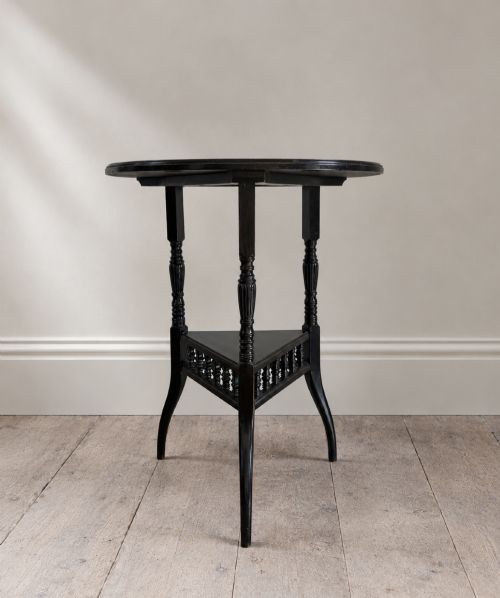
The dominant forms rely on brass, copper, and mahogany, reflecting the material preferences of the Victorian era. Workshops also produced pieces in walnut, oak, and ebonised hardwood, incorporating styles from the Arts and Crafts movement and Aesthetic Movement.
How they were made
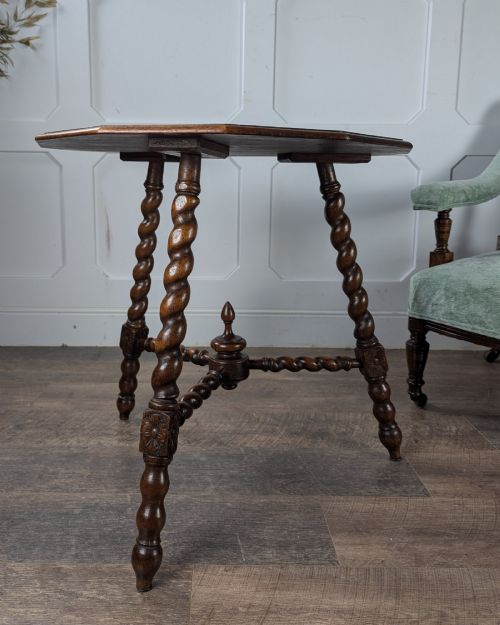
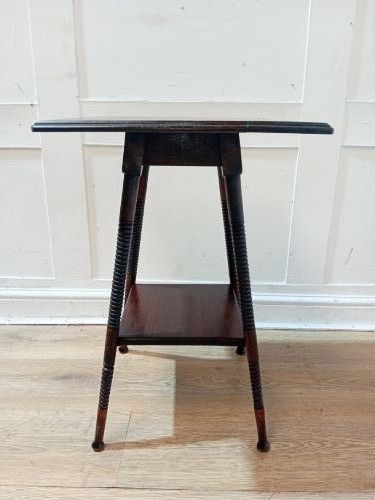
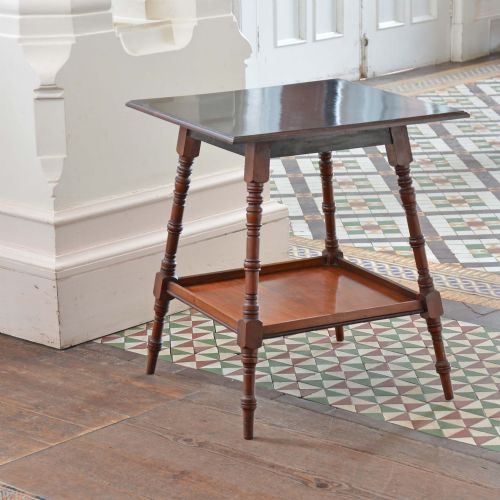
Makers utilised cast brass and solid hardwoods such as mahogany and oak, turning timber on lathes to create barley twist or bobbin legs. Metal standards often featured telescopic mechanisms of brass and copper, allowing height adjustments for oil lamps.
Joinery techniques relied on sturdy dowelling and tripod base constructions to keep tall vertical shafts balanced. Surface decoration involved hand-carving, ebonising, and applying brass plating or gilding to metal columns.
Listings feature woods like mahogany, walnut, oak, and bamboo alongside metals such as brass, copper, and bronze patinated cast-iron.
What varies in quality
The standard of a piece rests on the weight of its metal base and the precision of its adjustable mechanisms. Heavier cast-brass columns and solid timber frames offer better stability than lighter, hollow assemblies.
Detailing distinguishes finer examples, visible in crisp hand-carving on oak and mahogany surfaces rather than shallow machine moulding. The integrity of extending brass shafts and original weighted iron bases also marks the tier of a standard lamp.
EW Godwin·William Birch·Liberty and Co·Leonard Wyburd
The Late Victorian Lamp Stand Glossary
- Telescopic
- An extending shaft mechanism that allows a standard lamp to adjust in height. This engineering feature is common in brass floor lamps from the late nineteenth century.
- Corinthian Column
- A classical column design featuring ornate acanthus leaf capitals at the top. Makers frequently utilised this architectural style for heavy brass lamp standards.
- Occasional Table
- A small, movable side table used for general purposes including lamp placement. These versatile surfaces appear frequently alongside floor-standing standards in period interiors.
- Ebonised
- Timber treated with a dark stain or finish to imitate ebony. This technique was popular in Aesthetic Movement and late Victorian furniture design.
- Bobbin Turned
- Furniture legs or supports shaped on a lathe to resemble a string of wooden bobbins or spools. The method creates a tactile, repeating decorative profile.
Late Victorian Lamp Stand: Frequently Asked Questions
How tall are standard lamps?
Most floor-standing brass and timber standards reach over five feet, designed to project light down over seating.
Telescopic versions allow adjustments to suit specific ceiling heights and room layouts.
Were these made for electricity?
Original late nineteenth-century pieces were engineered for oil reservoirs and burners, utilising heavy brass fonts and copper vessels.
Later conversions adapted these upright stands to take electrical wiring and modern lamp bulbs.
How do I keep brass polished?
Unlacquered brass develops a natural oxidation over decades, which many collectors prefer to leave undisturbed.
Gentle dusting with a soft cloth protects the metal without stripping away the historic patina.
Can I use an occasional table as a lamp stand?
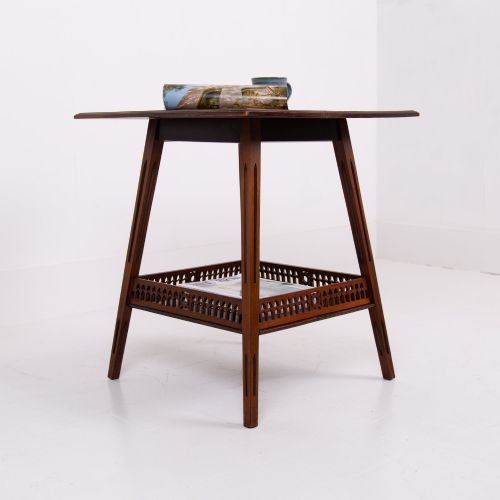
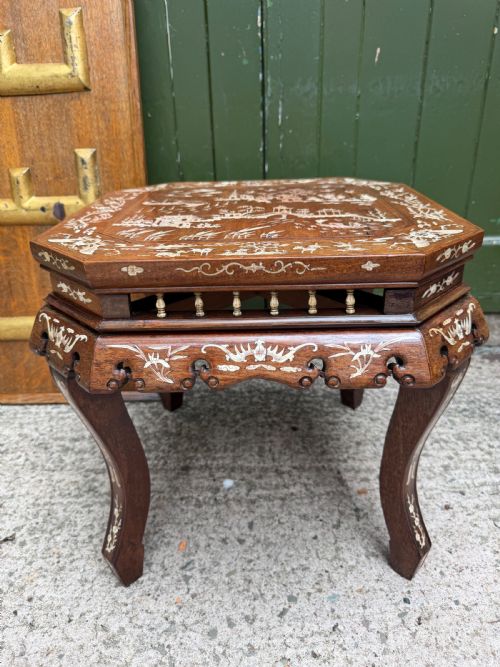
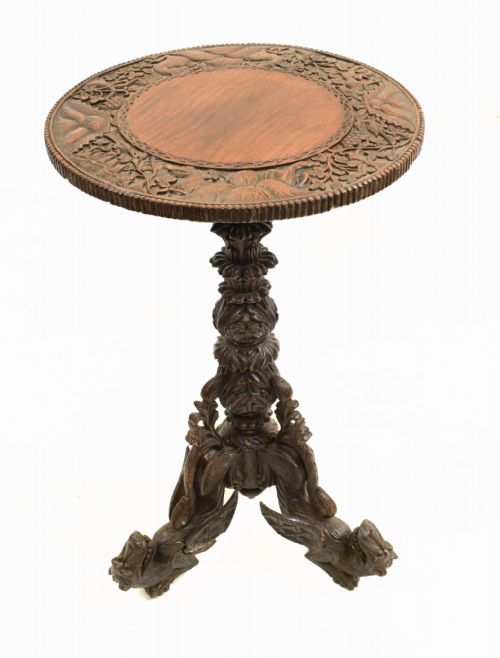
Low round and octagonal tables in mahogany, walnut, and bamboo serve reliably as sturdy bases for table lamps.
These compact surfaces hold smaller Victorian lighting fixtures while adding period timber tone to a room.