
Low Credenza Cabinet
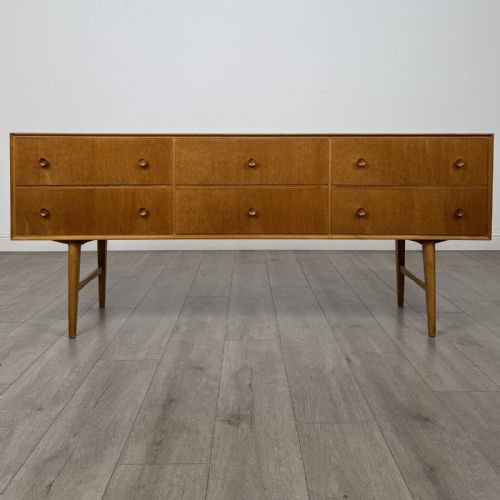
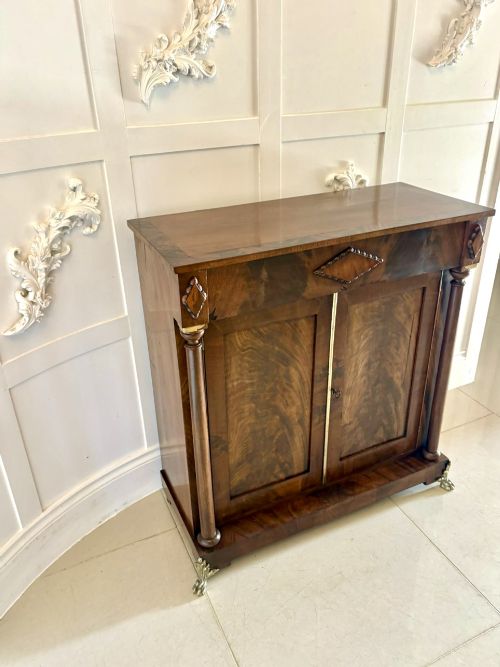
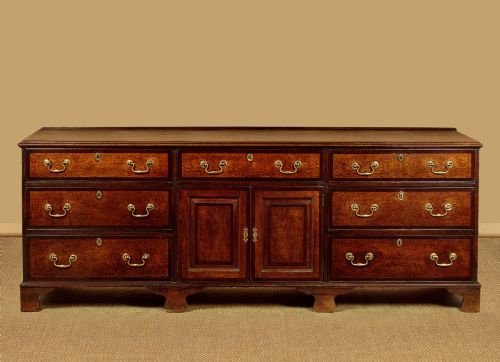
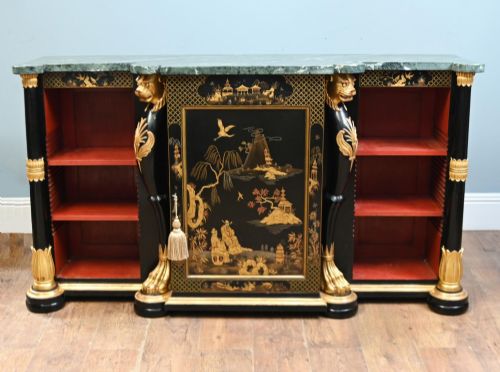
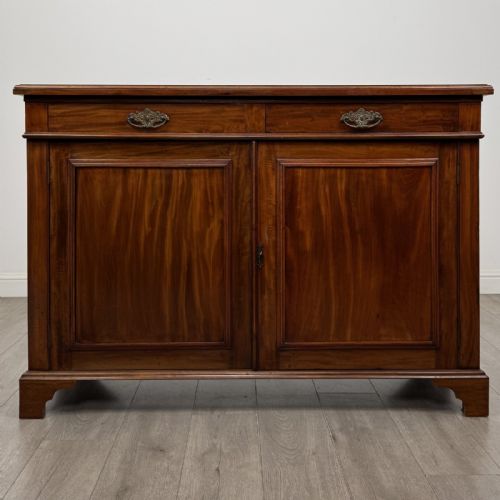
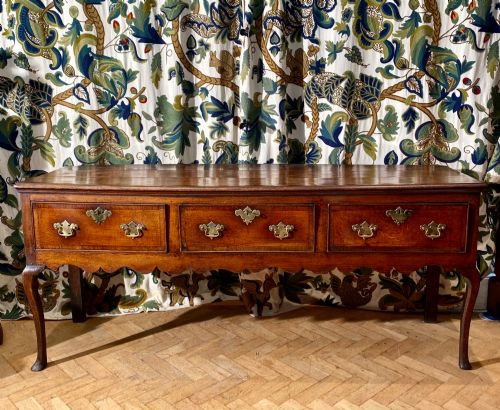
A low credenza cabinet brings substantial storage and distinct period timber into a room, spanning styles from Regency mahogany to Edwardian oak.
Low Credenza Cabinet
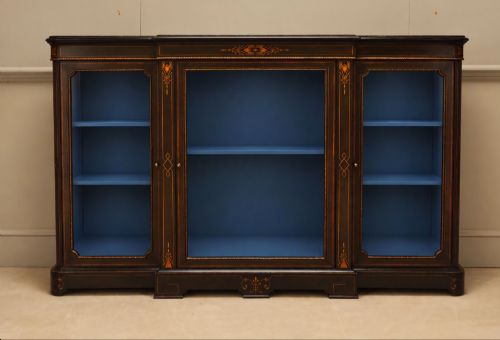
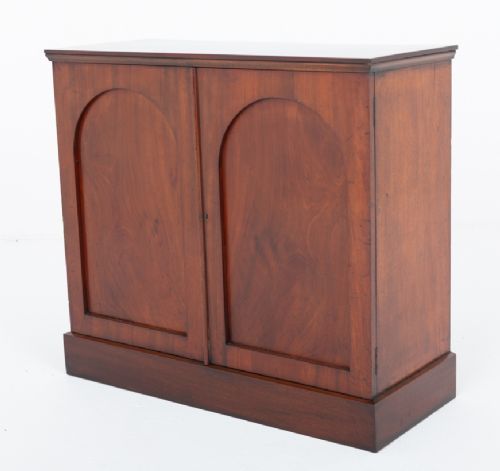
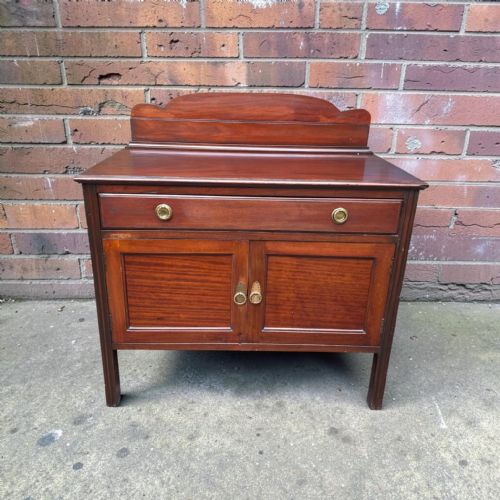
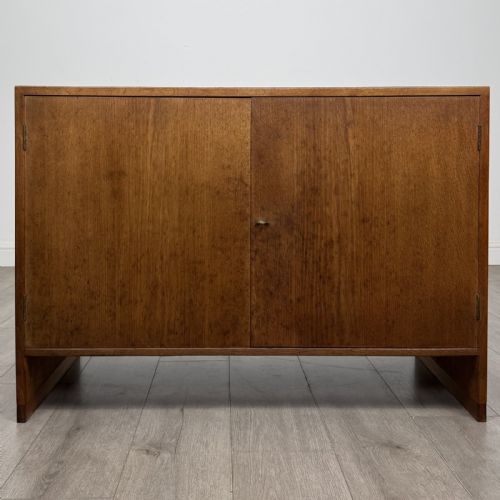
A low credenza cabinet functions primarily as a low-slung storage piece or sideboard, drawing on forms recorded across the Georgian, Regency, Victorian, and Edwardian periods. These pieces appear as side cabinets, chiffoniers, dwarf secretaire cabinets, and dresser bases rather than strictly modern media units.
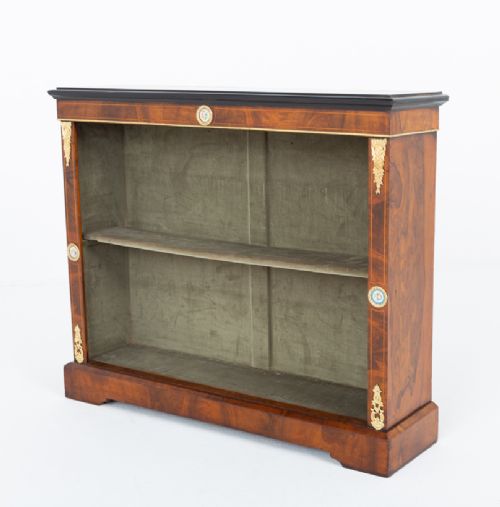
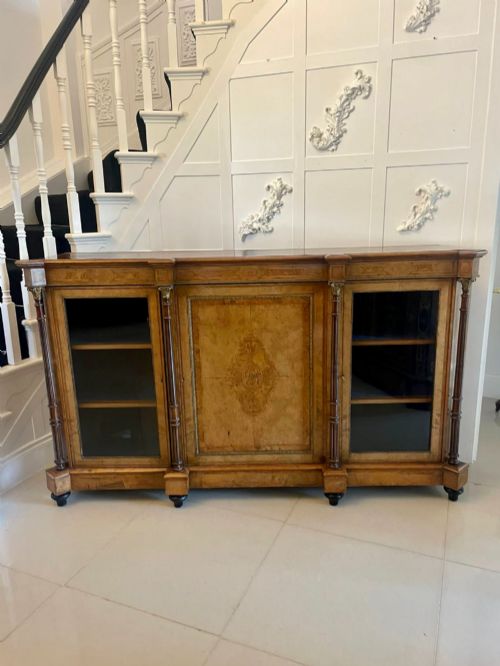
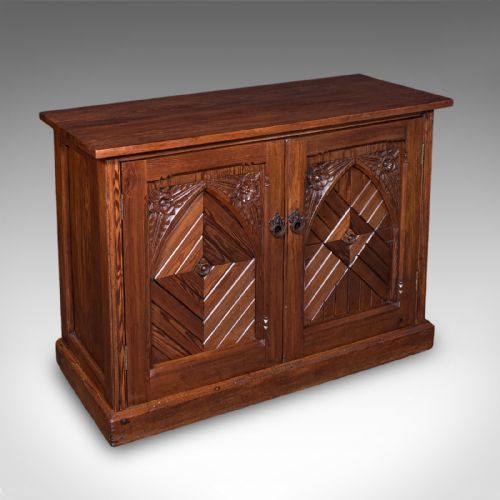
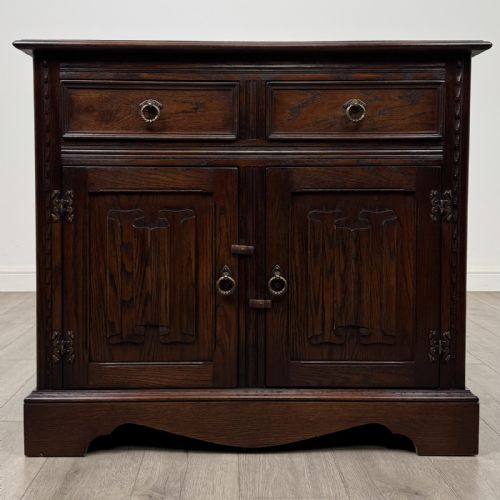
The materials span mahogany, rosewood, burr walnut, and various oaks, reflecting the preferences of cabinet makers from the early nineteenth century through the nineteen-thirties. Buyers encounter everything from formal Regency rosewood with brass inlay to rustic pine and golden oak cupboards.
Origins range across English workshops, French provincial houses, and Swedish studios, presenting diverse proportions while maintaining the low profile central to this grouping.
How they were made
Construction relies heavily on dense hardwoods such as mahogany, rosewood, and oak, often enhanced by decorative veneers like burr walnut or flame mahogany over secondary timbers. Cabinet makers utilised solid planks for structural elements, applying careful joinery to doors, drawers, and dresser bases.
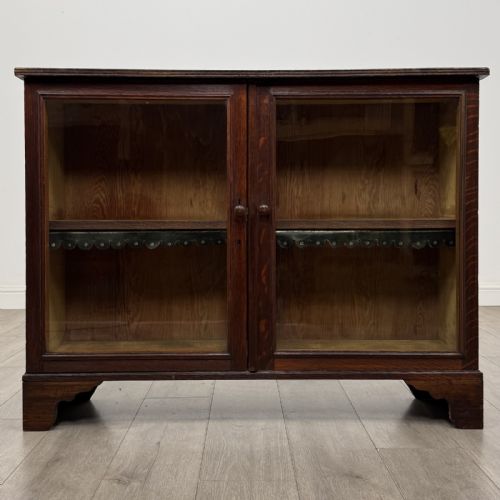
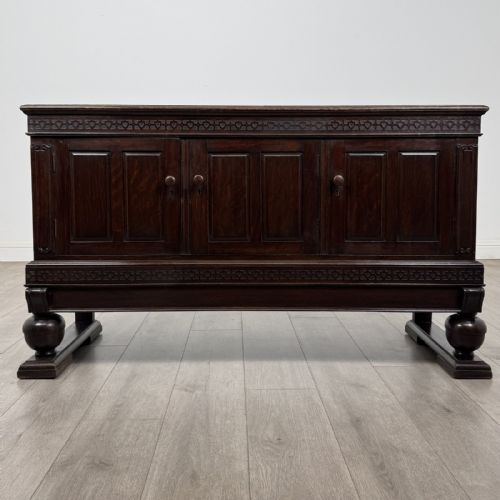
Surface ornamentation incorporates brass inlay, bronze mounts, marquetry, and linenfold carving, alongside simpler waxed or painted finishes found on country pine and kitchen pieces. Glass panels appear in bookcase doors, while ebony stringing provides contrast on Regency and Victorian surfaces.
Listings feature oak, mahogany, rosewood, walnut, and pine across periods spanning the Georgian era to the nineteen-thirties.
What varies in quality
The standard of timber selection and veneer matching dictates much of the distinction between pieces, with choice cuts of burr walnut or flame mahogany marking out superior examples. Fine grain continuity across drawer fronts and doors separates ambitious workshop output from utilitarian storage.
Execution of detail, from crisp carving and tight brass inlay to the integration of specialised maker elements, defines the upper tier of these cabinets. The integrity of original hardware, locks, and internal shelving further influences the standing of an individual piece.
Gillows·Whytock and Reid
The Low Credenza Cabinet Glossary
- Chiffonier
- A low sideboard or cabinet with enclosed shelving below, frequently topped with a superstructure or bookcase in Regency and Victorian interiors.
- Dresser base
- A sturdy low table or cabinet featuring drawers and cupboards, traditionally utilised in kitchens and dining rooms for food preparation and storage.
- Marquetry
- The art of applying pieces of veneer to a structure to form decorative patterns, often seen on Victorian burr walnut surfaces.
- Linenfold
- A style of wood carving that mimics folded fabric or linen, commonly found on Edwardian oak cupboards.
- Breakfront
- A cabinet design where the central section projects forward from the flanking outer sections, creating architectural depth.
Low Credenza Cabinet: Frequently Asked Questions
What is a low credenza cabinet used for?
These cabinets provide surface display space and enclosed storage for books, tableware, and household items, keeping a room tidy while maintaining a low visual profile.
Historically placed in dining rooms, morning rooms, and parlours, they adapt easily to modern living spaces as sideboards or credenzas.
How do I date a low credenza cabinet?
Dating relies on observing timber choices, construction techniques, and stylistic markers such as Regency brass inlay or Edwardian linenfold carving. Hardware, secondary woods, and drawer dovetailing also offer clear chronological clues.
Comparing a piece against documented examples from specific decades helps narrow its period of origin.
Are these cabinets made of solid wood?
Many cabinets combine solid structural frames in oak, mahogany, or pine with decorative veneers applied to primary surfaces like burr walnut and rosewood. High-grade pieces use fine hardwoods throughout, while country and utility versions rely on solid pine or oak.
Examination of interior panels and carcass edges reveals the underlying construction method.
How do I care for antique wood finishes?
Maintenance involves applying appropriate beeswax or polish to nourish aged timber and protect waxed or French polished surfaces from moisture and direct sunlight. Regular dusting with a soft cloth prevents accumulation in carved details and joints.
Avoiding extreme temperature swings ensures the wood and veneers remain stable over time.