

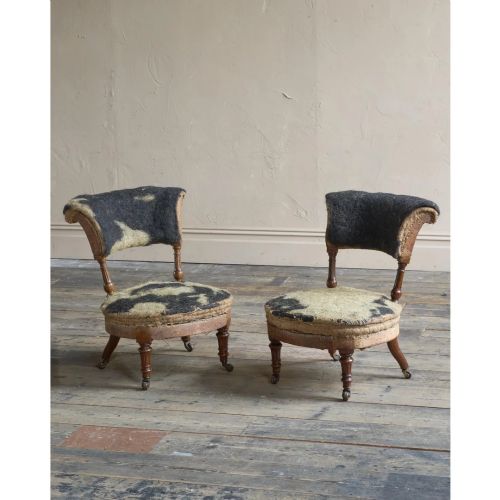
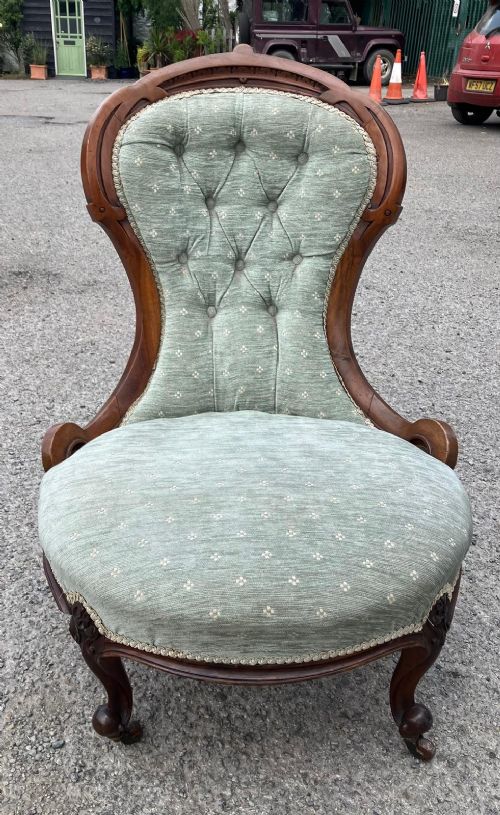
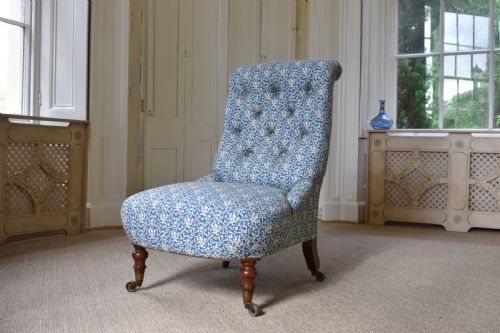
Low Bedroom Seating
Low bedroom seating comprises compact chairs and stools designed for dressing rooms and chambers, offering low profiles and upholstered comfort.
Low Bedroom Seating
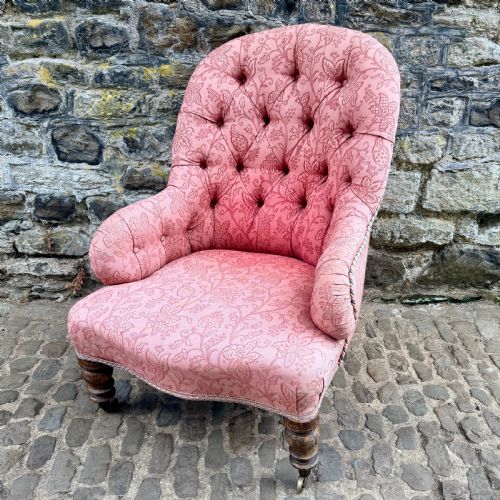
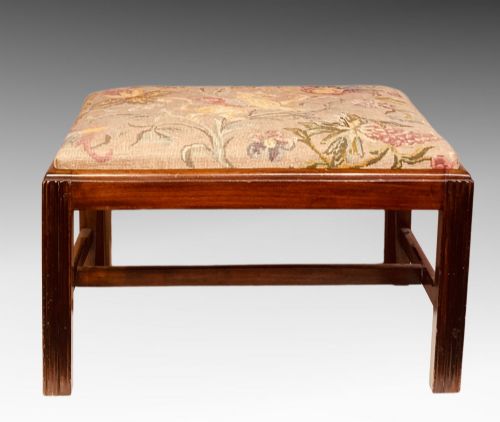
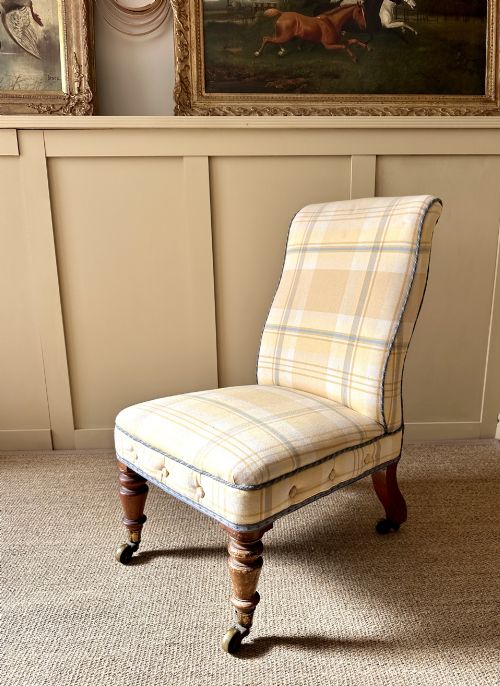
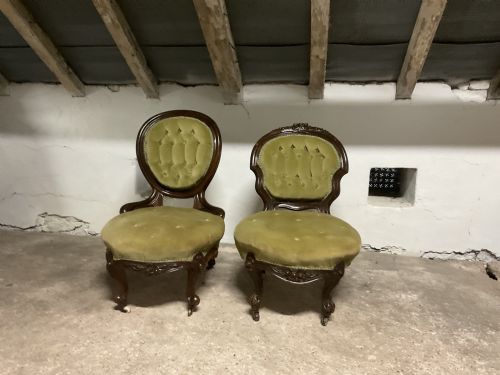
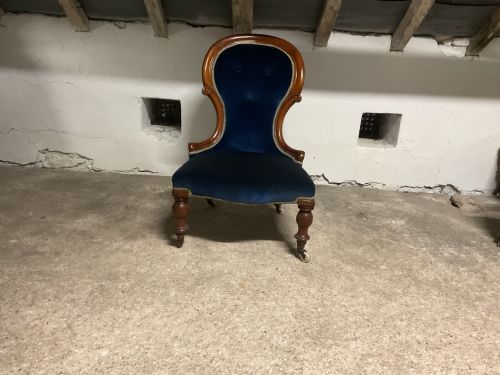
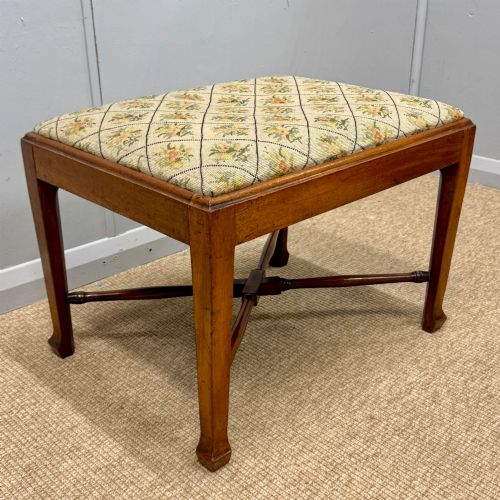
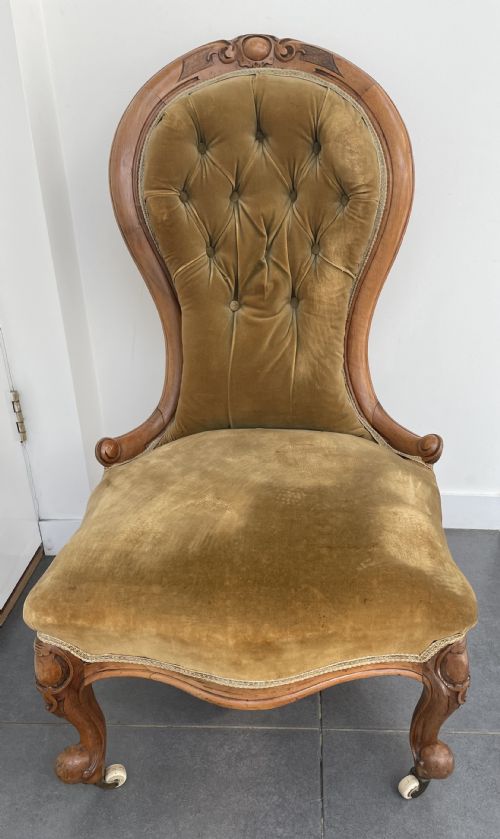
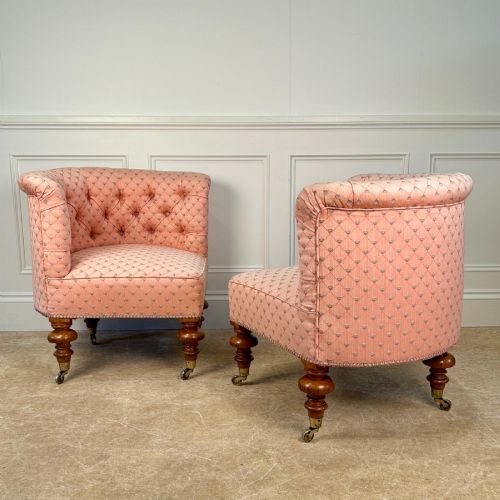
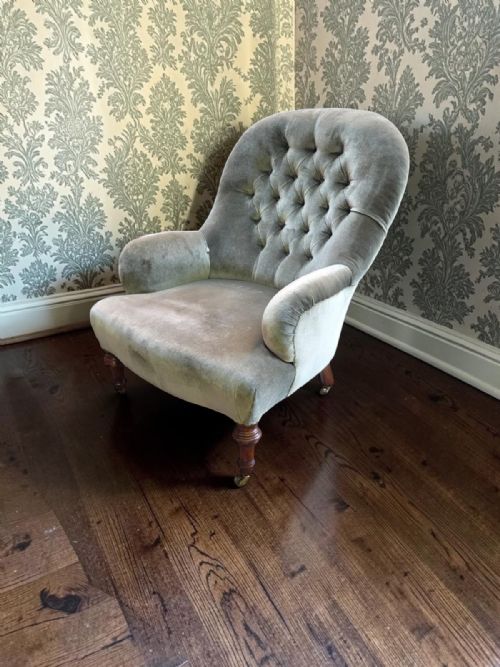
Low bedroom seating encompasses a variety of compact forms designed for dressing rooms, bedrooms and private chambers. The selection focuses heavily on nursing chairs, slipper chairs and dressing table stools intended for seated tasks near the floor or vanity. These pieces emerge across the nineteenth century and into the twentieth century, spanning Victorian, Edwardian and Art Deco periods.
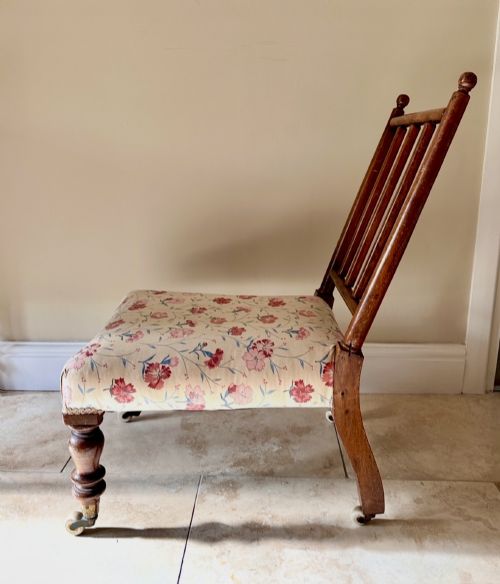
Victorian examples dominate the offerings, frequently rendered in walnut or mahogany with button backs, low seats and turned legs. Alongside these, Edwardian and later pieces introduce styles such as Arts and Crafts, Aesthetic Movement and Georgian Revival. Buyers encounter forms ranging from simple bobbin-framed chairs to elaborately carved rosewood and giltwood frames.
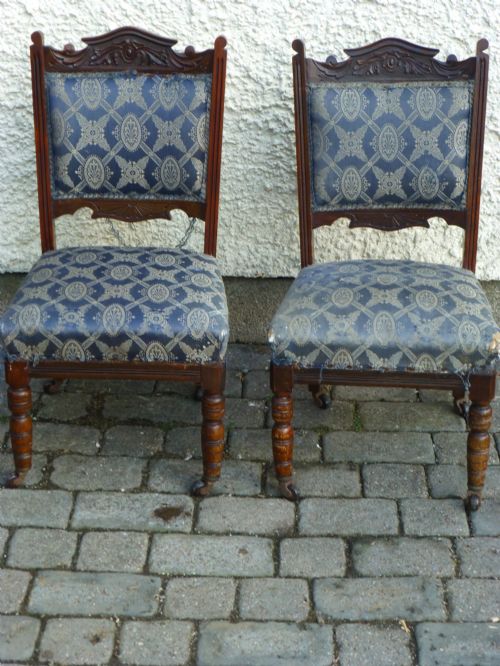
Specialised variants such as prayer chairs, salon chairs and tub back armchairs expand the category beyond standard nursing seats. Many items arrive upholstered in velvet, fabric, leather or needlepoint, while others remain stripped or ready for re-upholstery. Pairs appear alongside single items, offering matching seating for twin dressing areas or larger chambers.
Materials and construction methods
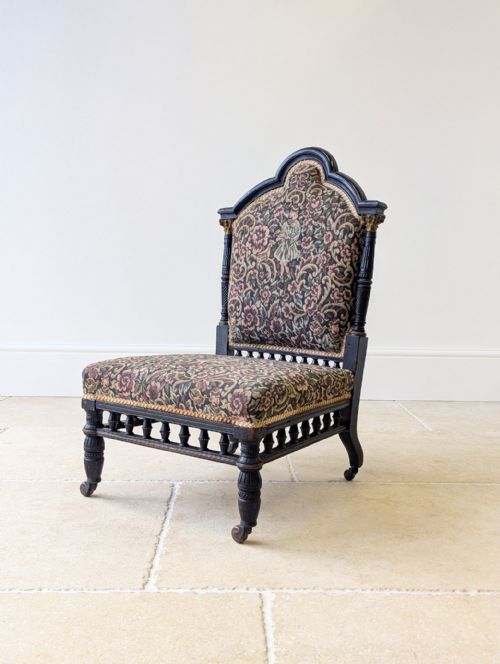
Frames rely predominantly on hardwoods including mahogany, walnut, oak and rosewood, selected for structural strength within compact dimensions. Ebonised finishes, giltwood and carved details appear across nineteenth-century examples to satisfy prevailing aesthetic tastes. Joinery combines traditional turning, spoon-back carving and cross-stretcher bracing to support the low-slung proportions.
Upholstery incorporates traditional stuffing and springing finished with velvet, fabric, leather, silk or needlepoint textiles. Brass elements and ceramic castors frequently support the legs of Victorian and Edwardian chairs, allowing movement across carpets and wooden floors. Frame materials extend to metal and occasional cane bergere panels depending on the specific period and design style.
Listings feature nineteenth-century and early twentieth-century pieces, spanning Victorian, Edwardian, and Art Deco periods in walnut, mahogany, and velvet.
Distinctions in craftsmanship and condition
Quality reveals itself in the crispness of timber carving, the integrity of frame joinery and the selection of primary hardwoods such as walnut and mahogany. Superior pieces display thoughtful proportions, balanced spoon-backs and refined turning on the legs rather than utilitarian assembly. Maker stamps and documented workshop attributions elevate historical interest significantly.
The state of preservation and upholstery readiness influences the practical value of each piece. Items retaining period leather, needlepoint or button-backed velvet demonstrate original character, whereas frames designated for re-upholstery invite custom textiles. The robustness of the internal frame structure remains paramount regardless of surface finish or decorative embellishment.
Howard And Sons·Gillows·Harry And Lou Epstein
The Low Bedroom Seating Glossary
- Nursing chair
- A low-seated chair traditionally designed to allow women to nurse infants comfortably near a fireplace. These chairs feature shortened legs and supportive upholstered backs.
- Slipper chair
- An upholstered bedroom chair characterised by its low seat and absence of arms, originally intended for putting on shoes or slippers. The compact form sits close to the floor.
- Bergere
- A closed-upholstered armchair featuring wooden frames with cane or wicker panels set into the sides and back. This French style offers a lighter visual weight in bedroom settings.
- Prayer chair
- A low devotional chair featuring an elevated, padded top rail designed for kneeling during prayer. They date primarily from the Victorian era and utilise walnut or mahogany frames.
- Spoon-back
- An upholstered chair back shaped in a concave, oval contour resembling the bowl of a spoon. This nineteenth-century design conforms naturally to the human spine.
- Cross-stretcher
- A structural brace forming an X-shape between the legs of a chair or stool to increase stability. It often incorporates a central boss or decorative turning.
Low Bedroom Seating: Frequently Asked Questions
What is a nursing chair?
A nursing chair is a low-seated Victorian chair designed for comfort while nursing children or dressing. They feature shortened legs and supportive upholstered backs.
These chairs sit lower to the ground than standard parlour seating, making them particularly useful in bedrooms and dressing rooms.
How do I choose a slipper chair?
Slipper chairs suit bedrooms because their armless profiles and low seats fit easily beneath dressing tables or in tight corners. Look for sturdy hardwood frames and proportions that match your space.
Consider whether you prefer an antique frame with original upholstery or a piece ready for recovering in modern fabric.
Where were dressing stools placed?
Dressing stools stood primarily in Victorian and Edwardian bedrooms and dressing rooms in front of vanity tables. They provided convenient, movable seating for grooming and primping.
Their compact size allowed them to slide neatly out of sight beneath dressing tables when not in use.
How do I identify Victorian bedroom chairs?
Victorian bedroom chairs typically feature walnut or mahogany frames, turned wooden legs, and upholstered seats or button backs. Common styles include spoon-backs and low nursing chairs.
Details like brass castors, carved woodwork, and Aesthetic Movement ebonising help narrow down the specific decade of manufacture.