


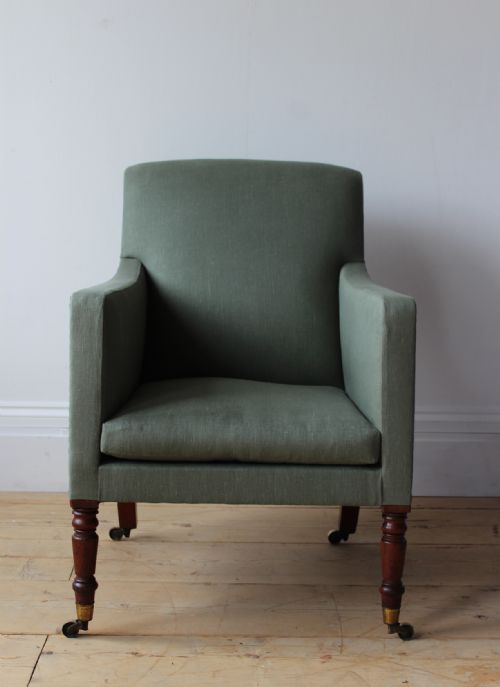
Low Back Library Chair
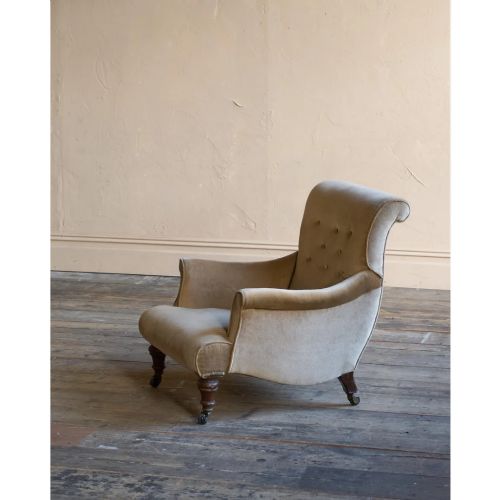
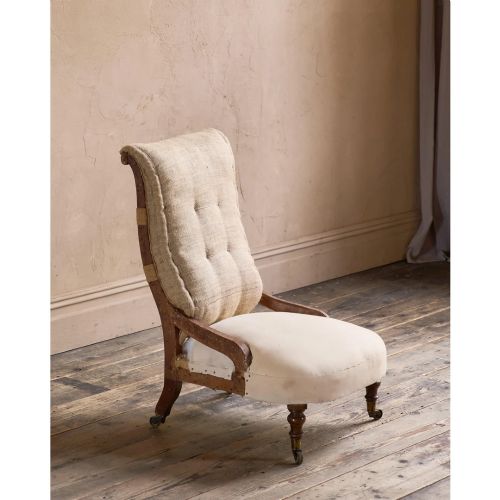
These low back library chair pieces combine sturdy timber frames with deep upholstery, offering a comfortable seat for reading and study.
Low Back Library Chair
A low back library chair provides a sturdy and supportive seat designed for long hours of reading at a desk or table. These pieces appear most frequently from the nineteenth century and the Victorian period, taking the form of armchairs, desk chairs, and reading chairs.
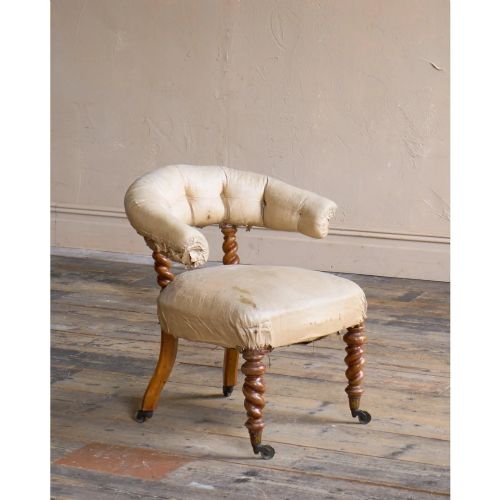
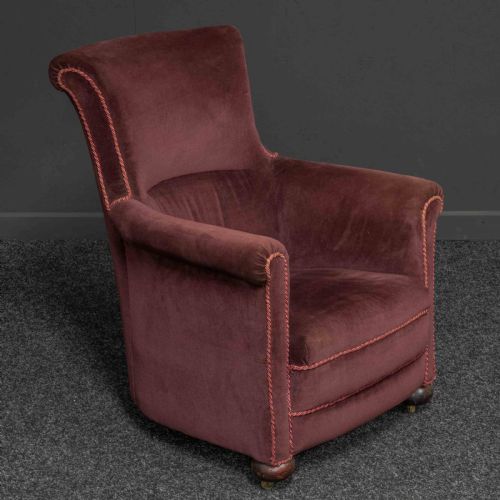
The selection includes timber frames shaped as open armchairs, club armchairs, and occasional desk chairs. Makers such as Howard and Sons and C. Hindley and Sons contributed notable designs to this tradition.
Construction and materials
Carpenters built the structural frames using dense hardwoods such as mahogany, walnut, oak, and beech. These timbers provided the necessary strength for daily use in studies and libraries.
Upholsterers layered traditional stuffing inside calico, hessian, and velvet, sometimes finishing the seats with button backs and tan hide. Cast brass fittings and castors often completed the lower sections of these chairs.
Some nineteenth-century readers clearly required deep buttoning and velvet to endure lengthy volumes.
Judging quality in a low back library chair
Quality rests upon the integrity of the timber frame and the precision of the joinery beneath the upholstery. A superior chair retains its original structural rigidity without excessive movement in the arms and joints.
The refinement of the carving and the quality of the textile covering distinguish finer examples. Pieces bearing maker stamps or attribution to notable workshops command greater attention from collectors.
Howard and Sons·C. Hindley and Sons·Gillows
The Low Back Library Chair Glossary
- Calico
- A plain-woven cotton fabric often used as an initial upholstery layer beneath outer decorative textiles. It provides a tight base for buttoning and stuffing.
- Hessian
- A coarse woven fabric made from jute fibres, traditionally utilised inside upholstered furniture for webbing and internal support.
- Spoon back
- An upholstered chair back shaped in a concave oval resembling the bowl of a spoon, designed to fit the human spine.
- Smokers bow
- A robust wooden armchair with a curved continuous back rail, commonly found in Windsor or Captain's chair formats.
Low Back Library Chair: Frequently Asked Questions
What is a low back library chair?
A low back library chair is a supportive seat designed for reading, writing, and working at a desk. These pieces combine wooden frames with upholstered seats and armrests.
They emerged strongly during the nineteenth century and the Victorian era, offering comfort and durability for domestic libraries and studies.
How do I date a library chair?
Dating relies on examining the timber species, construction methods, and upholstery materials. Nineteenth-century examples often feature mahogany, walnut, or beech combined with hessian and calico webbing.
Maker stamps and specific stylistic details such as button backs or turned wooden legs help narrow down the period of manufacture.
Where should I place these chairs?
These chairs suit studies, home offices, and living rooms where comfortable seating is required near tables or bookshelves. Their compact low backs allow them to fit neatly beneath or beside desks.
Pairing them with traditional reading spaces highlights their historical function as scholarly and domestic seating.
What fabrics were used originally?
Original upholstery materials included velvet, tan hide, and calico or hessian for internal support. Velvet offered a soft decorative finish, while hide provided durable surfaces for heavy use.
Underneath the visible textile, layers of traditional stuffing were secured to webbing within the wooden frame.