



Louis XVI Accent Chairs
Louis xvi accent chairs offer classic seating forms that bring formal French elegance to a modern interior.
Louis XVI Accent Chairs
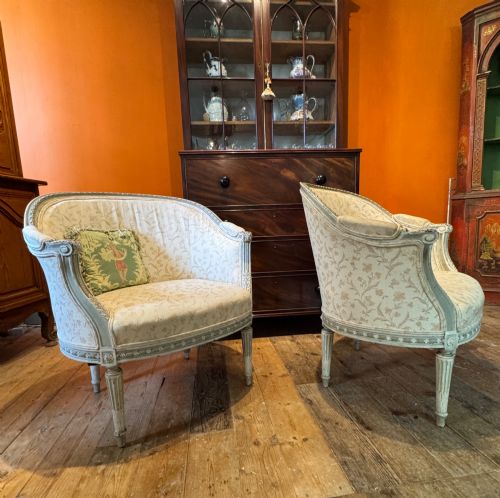
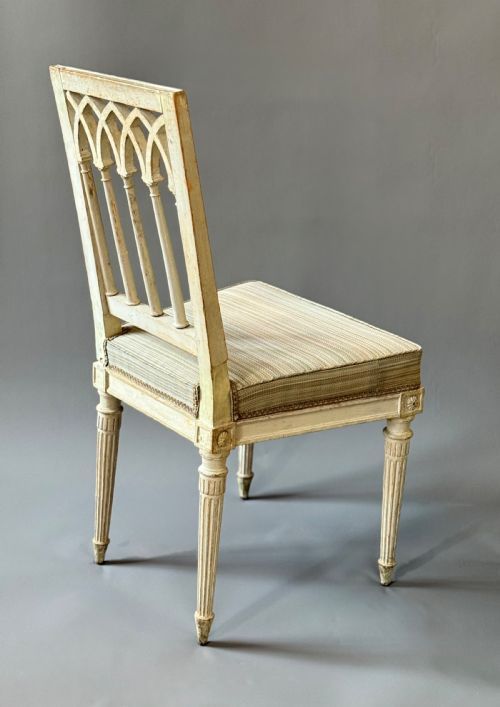
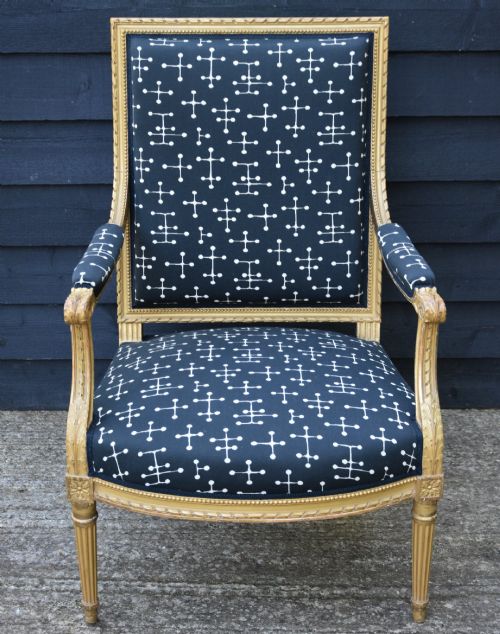
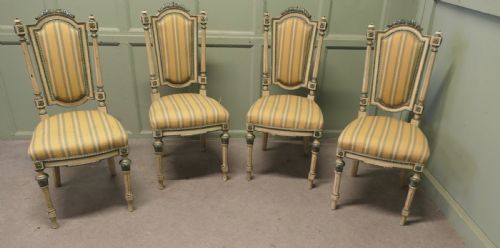
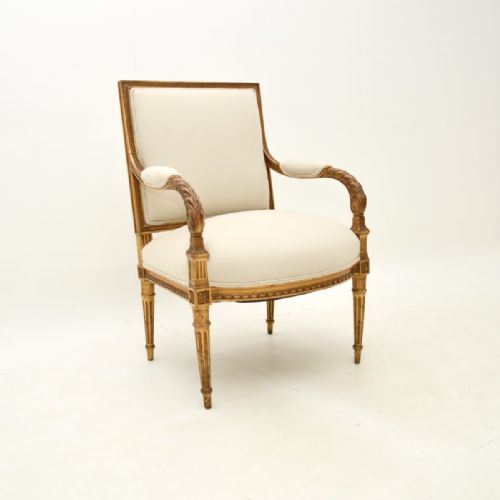
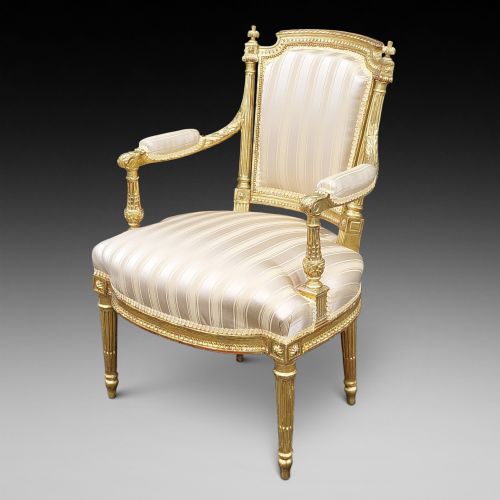
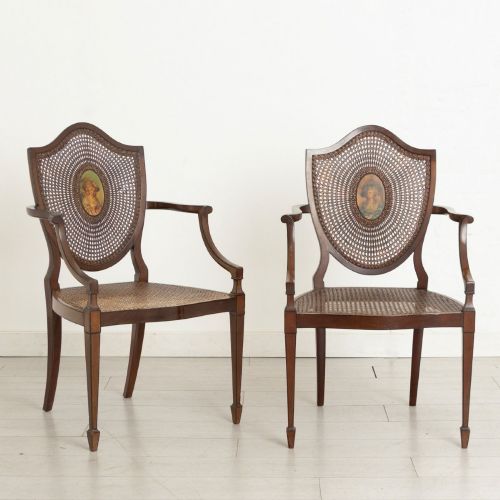
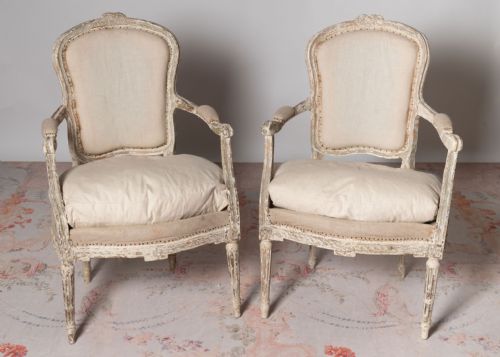
When you search for louis xvi accent chairs, you encounter seating designed for formal rooms, originating from various periods including the eighteenth century alongside later nineteenth and early twentieth century revivals. The listings here present diverse forms such as armchairs, bergères, side chairs, salon chairs, and nursing chairs.
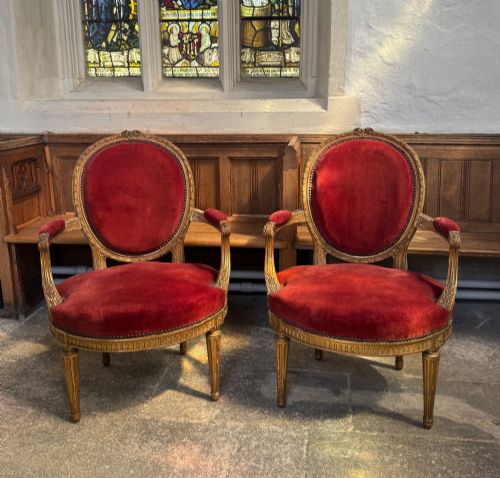
The dominant aesthetic draws upon French neoclassical design, appearing in styles labelled as Louis XVI, French chateau, and neo-classical. These seats frequently manifest as matched pairs or larger sets, constructed for drawing rooms, salons, and bedchambers.
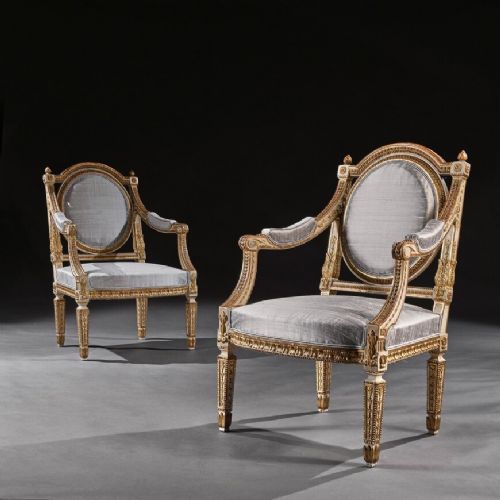
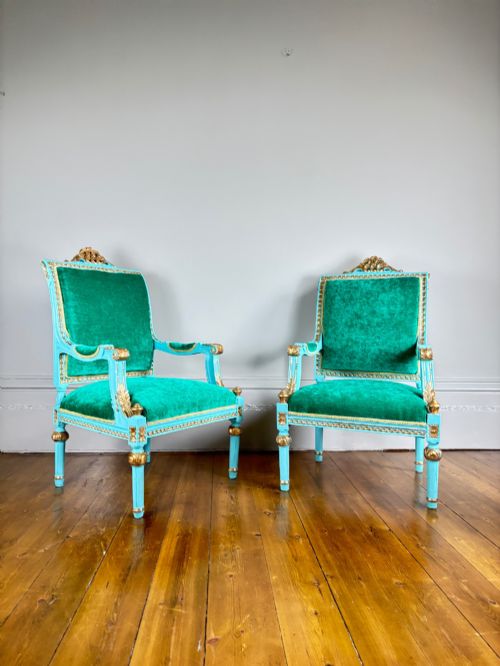
Most examples hail from continental Europe, predominantly France, reflecting historical craftsmanship traditions. Buyers meet both giltwood finishes and painted wood surfaces upholstered in various fabrics and velvets.
How they were made
Carpenters shaped structural frames from hardwoods such as beech and walnut, employing traditional joinery to ensure stability. Carved ornamentation adorns the wooden components, reflecting the neoclassical vocabulary of straight lines and classical motifs.
Finishing techniques involve either applying gold leaf to create giltwood surfaces or employing paint finishes, sometimes preserved in original condition. Upholstery methods encompass traditional padding covered in textiles like blue velvet or needlepoint tapestry panels.
The documented periods span the eighteenth century, the Victorian era, the Edwardian period, and the early twentieth century up to the nineteen-twenties.
What varies in quality
The depth and crispness of the wood carving distinguish different tiers of execution, separating standard production from finer craftsmanship. Hand-carved details on walnut or beech frames display greater definition than simpler cast or moulded elements.
The preservation of original surface finishes, whether paint or giltwood, plays a significant role in character and integrity. Intact original upholstery panels or period textile choices also influence the overall cohesion of the piece.
The Louis XVI Accent Chairs Glossary
- Fauteuil
- An open-framed armchair with upholstered back and armrests, typically featuring exposed wooden structural elements. This form originated in France during the seventeenth century and remained popular through neoclassical revivals.
- Bergère
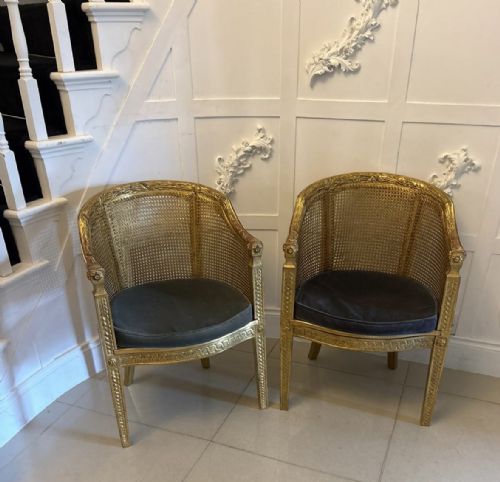
- An enclosed armchair featuring upholstered sides filled in with padded upholstery or cane panels. These chairs offer a deeper, more enclosed seat than standard open armchairs.
- Giltwood
- Wood that has been coated with a thin layer of gold leaf or gilt powder. This finish was widely utilised on formal seating to create a reflective, luxurious appearance.
- Medallion chair
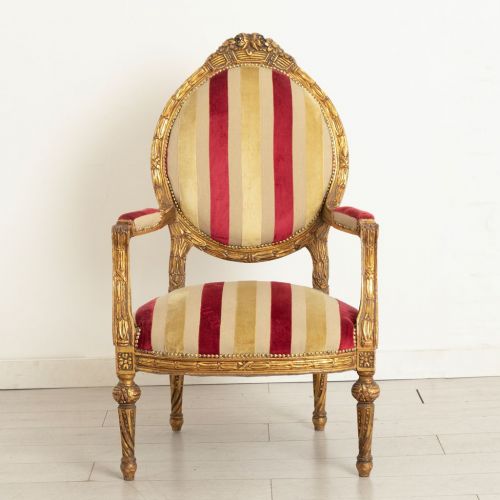
- A chair featuring an oval or circular upholstered backrest framed in carved wood. This distinct geometric back shape is a hallmark of the neoclassical style.
- Neoclassical
- An artistic movement drawing inspiration from the classical art and culture of ancient Greece and Rome. In furniture, it manifests in straight tapered legs, symmetry, and classical ornamentation.
Louis XVI Accent Chairs: Frequently Asked Questions
Where should I place a louis xvi accent chair?
These chairs suit formal reception spaces, drawing rooms, or bedrooms where their distinct silhouette adds traditional character. Pairs function effectively flanking a fireplace or console table.
Single armchairs can serve as reading seats in corners or studies, provided the room's scale complements the traditional French proportions.
How do I identify a revival piece from an earlier period?
Examination of the wood construction, tool marks, and wear patterns helps determine the age of the frame. Eighteenth-century originals exhibit hand-tooling consistent with period joinery.
Nineteenth and twentieth-century revival pieces often display machine assistance or different ageing characteristics on the giltwood and painted surfaces.
Are these chairs comfortable for daily use?
Most antique seating was designed with upright posture in mind, reflecting the formal manners of the period. Bergère models with enclosed upholstered sides offer a slightly more relaxed sit than stiff salon chairs.
Upholstery support varies depending on whether the internal webbing and padding retain their original firmness or have been restored.