




Louis XV Pendule Clock
A louis xv pendule clock brings flamboyant French Rococo curves and rich gilding to a mantelpiece, offering both intricate mechanical timekeeping and grand interior ornament.
Louis XV Pendule Clock
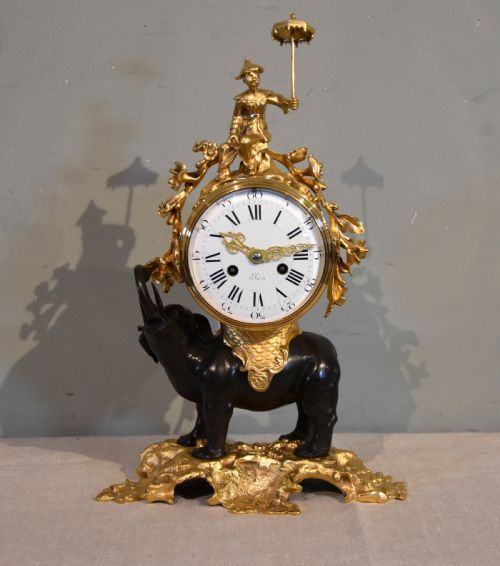
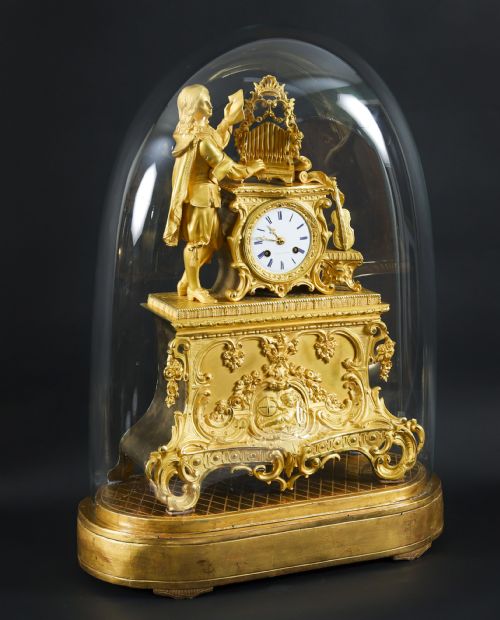
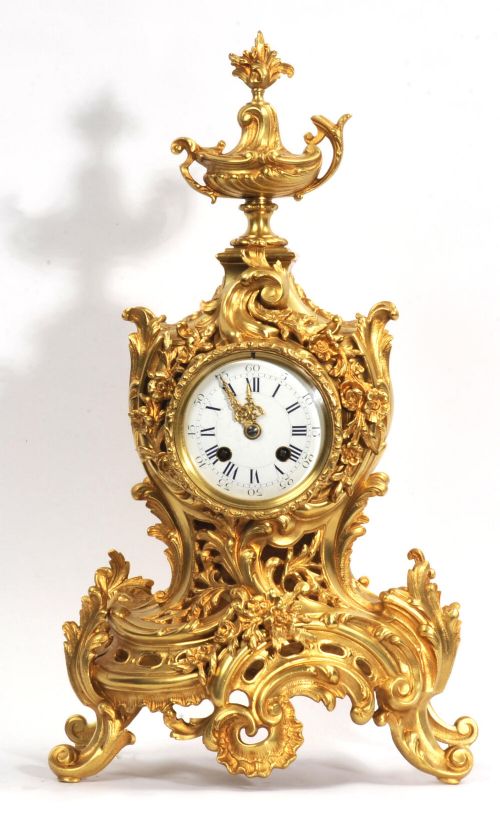
A louis xv pendule clock represents the pinnacle of ornate French horology, taking the form of mantel clocks and wall clocks shaped by the Rococo style and its later nineteenth-century revivals. Buyers seeking this phrase encounter elaborate mantel pieces alongside grander cartel wall clocks and occasional floor-standing variations.
The objects span from genuine mid-eighteenth-century examples originating around seventeen fifty down to nineteenth-century interpretations produced during the Victorian era and the Second Empire. These later revivals capture the spirit of the original Louis Quinze period through spirited asymmetry and C-scroll motifs.
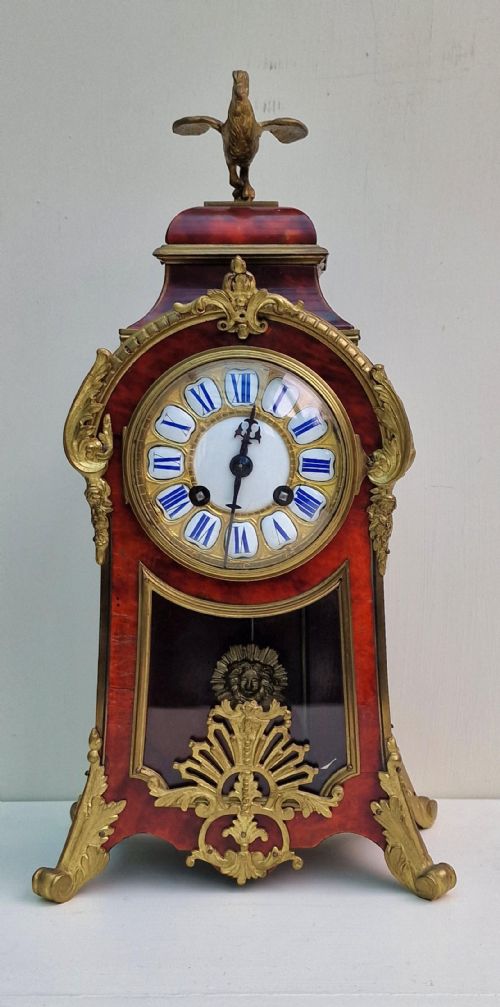
Most items on this page lean heavily into the nineteenth-century revival periods, utilising traditional forms to recreate the luxurious aesthetic of French court interiors. Whether cast in bronze or inlaid with tortoiseshell, each piece functions as a decorative centrepiece embodying continental craftsmanship.
How they were made
Craftsmen built these clocks using cast metals, most notably ormolu and gilt bronze, which provided the lustrous surfaces characteristic of the French Rococo style. Artisans also incorporated patinated bronze to create textural contrast against the bright gilding of scrollwork and figurative mounts.
Many bodies combine timber frames with tortoiseshell or faux tortoiseshell veneer, whilst others showcase porcelain panels sourced from Sevres factories. Enamel dials featuring delicate numerical markings were fitted into the metallic housings to complete the functional face of the clock.
Louis XV Pendule Clock Retail Price Guide 2026
Typical asking prices for louis xv pendule clock among the pieces listed under this phrase on Sellingantiques today, from the lower quarter to the upper quarter. They describe what is for sale here now, not the wider market.
Listings feature pieces spanning from seventeen fifty through the nineteenth century, utilising gilt bronze, tortoiseshell, enamel, and Sevres porcelain.
What varies in quality
The refinement of the casting and chiselling defines the upper tier of these clocks, where bronze mounts display crisp, deep relief rather than soft, blurred edges. Superior examples integrate their porcelain or tortoiseshell elements seamlessly into the overall architectural rhythm.
Makers of distinction, such as Leroy Paris or Miroy Frères, elevated the standing of a clock through signed movements and superior dial painting. Lesser pieces rely on generic decorative casting with less attention to the precision of the surface finishing.
Leroy Paris·Miroy Frères
The Louis XV Pendule Clock Glossary
- Ormolu
- Gilded bronze produced by applying a mixture of mercury and gold to a cast bronze base, then heating it to drive off the mercury. This technique creates a durable, golden finish seen on many French mantel clocks.
- Rococo Revival
- A nineteenth-century design movement that re-interpreted the asymmetry, natural motifs, and scrolling forms of the original eighteenth-century Louis XV style. It dominates the later pieces found in this category.
- Cartel clock
- A wall-mounted clock housed in an ornamental case made of metal, wood, or tortoiseshell. These pieces often feature elaborate scrollwork and are designed to hang directly from a wall bracket.
- Sevres porcelain
- Soft-paste or hard-paste porcelain produced by the royal French manufactory, frequently incorporated into clock cases as painted panels or decorative dials. It adds colourful pictorial elements to the gilt bronze mounts.
- Patinated bronze
- Bronze treated with chemical solutions to darken the surface and create a specific brown or greenish tone. Makers used this alongside bright ormolu to achieve visual depth in figurative and floral casts.
Louis XV Pendule Clock: Frequently Asked Questions
What is a pendule clock?
A pendule clock is a French term for a pendulum-regulated clock, usually designed as an ornate mantel timepiece during the eighteenth and nineteenth centuries.
These pieces prioritise decorative presence alongside timekeeping, often featuring elaborate gilt bronze cases that reflect contemporary interior fashions.
How do I identify a revival period piece?
Nineteenth-century revival pieces often display mechanical standardisation and heavier casting methods compared to their eighteenth-century predecessors.
Examining the internal movement, the composition of the bronze, and the style of the enamel dial helps distinguish an eighteen-eighties copy from a seventeen-fifty original.
Where should I place a cartel clock?
Cartel clocks are wall-hung timepieces designed to be secured directly to structural walls using appropriate fixings for their substantial weight.
They serve as focal points in reception rooms, benefiting from placement at eye level where the details of the gilt bronze case can be appreciated.
What materials are common in these clocks?
Gilt bronze, ormolu, and patinated bronze form the primary metallic structures, frequently combined with enamel dials and glass panels.
Some examples incorporate organic materials like tortoiseshell veneer or ceramic components such as Sevres porcelain panels to enhance the visual texture.