

Long Rustic Wooden Table
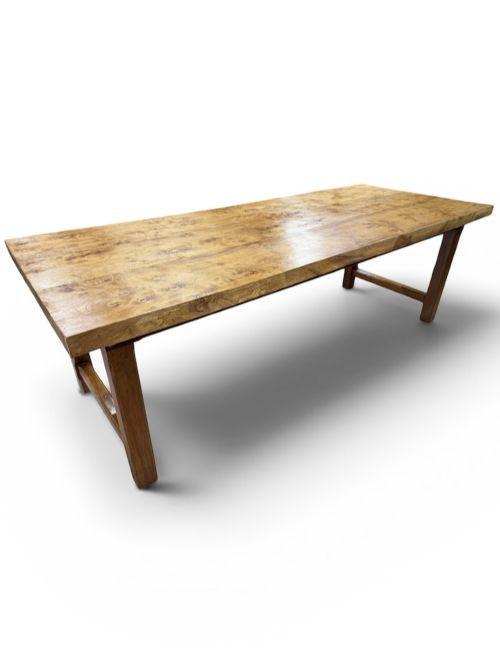
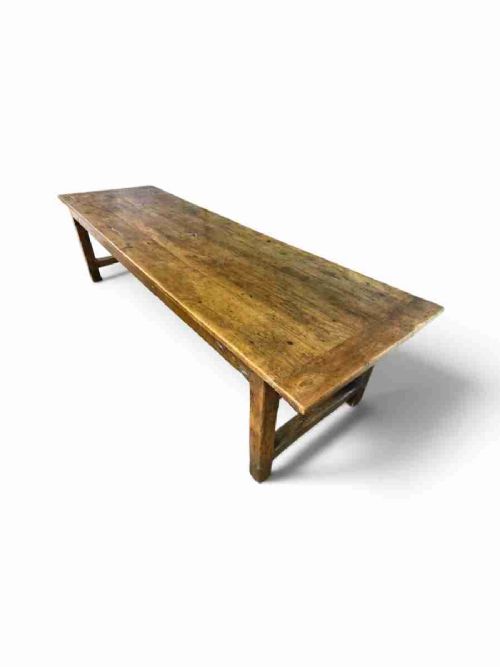
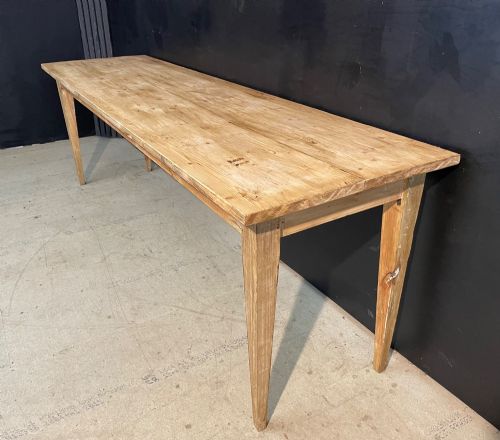
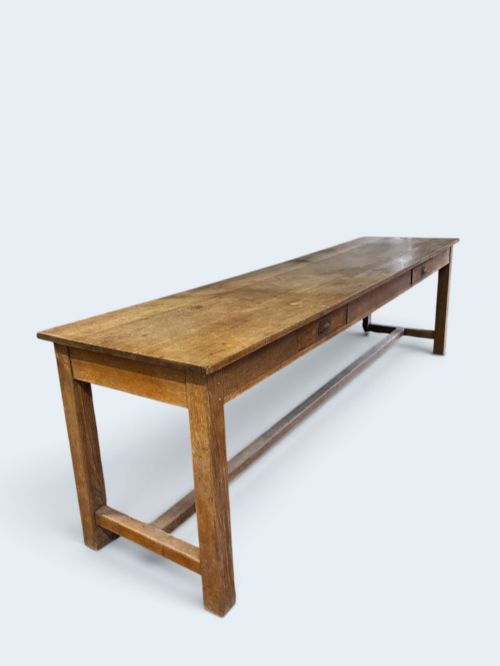
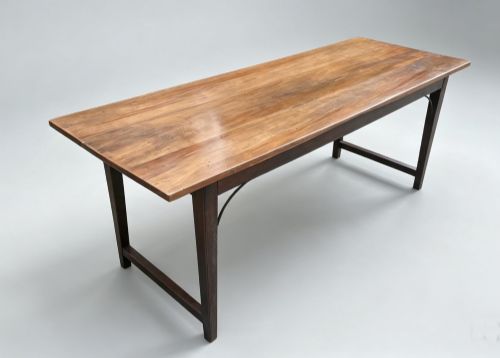
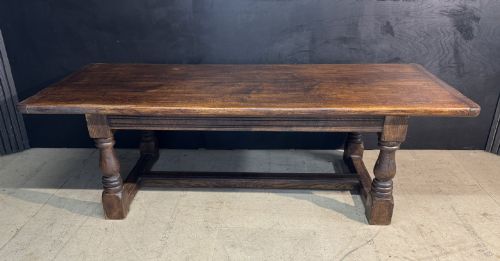
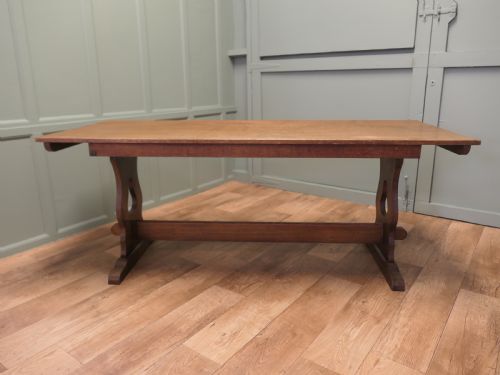
A long rustic wooden table anchors a room with hard-wearing timber and centuries of honest domestic service.
Long Rustic Wooden Table
A long rustic wooden table serves as the primary gathering place in country kitchens, sculleries, and dining rooms. When searching for a long rustic wooden table, buyers encounter substantial dining, refectory, and serving forms designed for heavy daily use.
These boards originate from various periods including the eighteenth century, nineteenth century, and early twentieth century. English, French, Italian, and Swedish workshops produced these utilitarian surfaces for practical tasks before they entered modern homes.
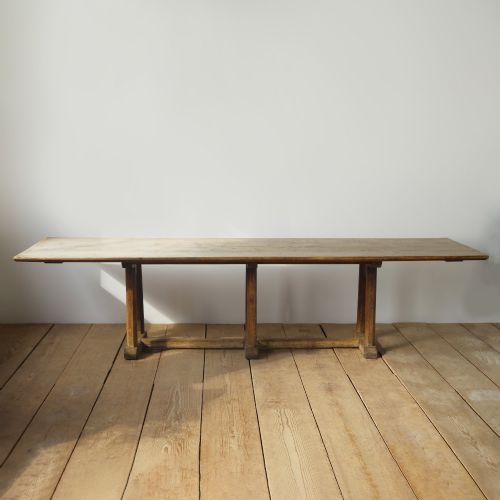
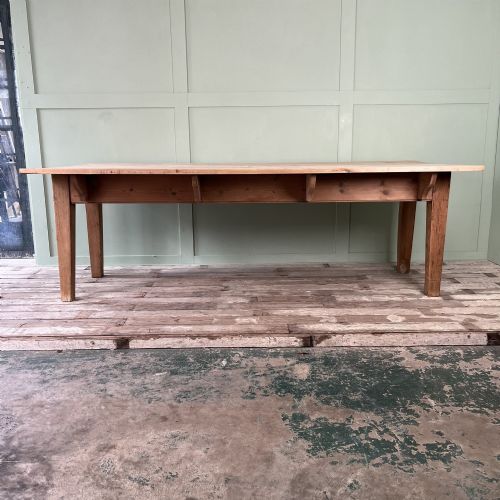
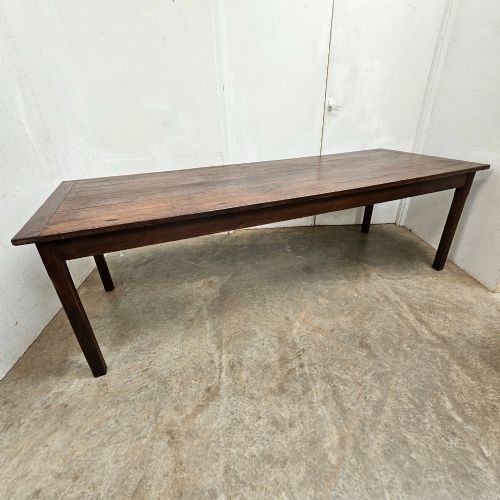
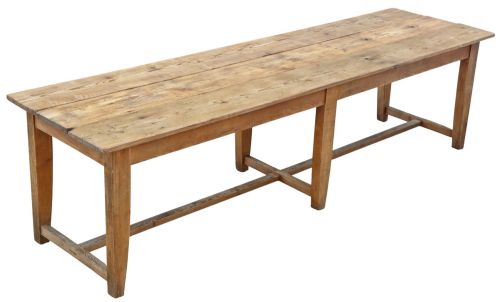
Most examples span several feet to accommodate large gatherings, constructed with sturdy legs in trestle, refectory, or four-legged farmhouse formats. Pine and oak appear most frequently, accompanied by fruitwood, cherrywood, and walnut.
Materials and Construction
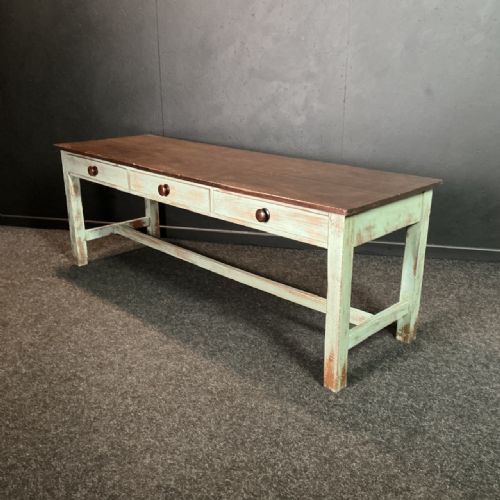
Carpenters built these tables using solid native timbers like oak, pine, elm, and fruitwood, often joining thick planks with wooden pegs or iron brackets. Scrubbed pine, polished oak, and painted finishes display the natural grain or historic surface treatments applied by makers.
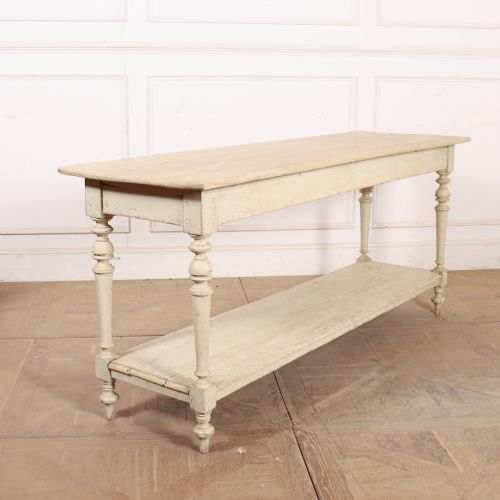
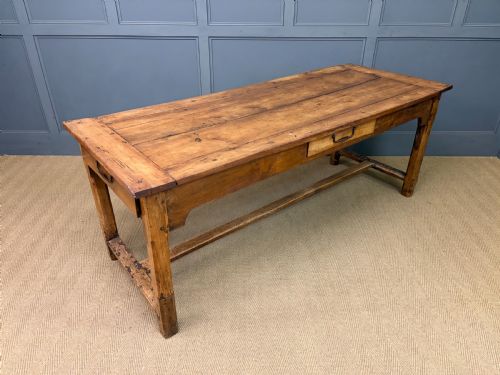
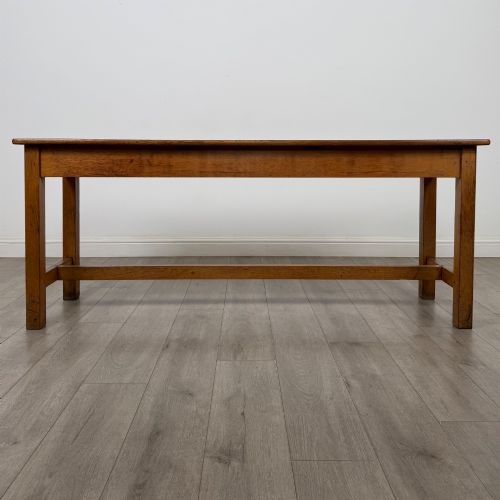
Construction methods prioritize utility, utilising heavy stretchers, trestle bases, and deep aprons to support long spans of timber without sagging under weight. Some variants incorporate drawers for storage or potboards beneath the main surface for utility.
Listings feature oak, pine, and fruitwood surfaces spanning the eighteenth to the twentieth centuries.
Judging Quality and Character
Quality rests in the integrity of the timber selection and the proportion of the base to the top boards. Thick, single-plank oak or cherry surfaces with deep patination stand apart from lighter, assembled tops.
The honesty of the wear dictates the visual weight of the piece, where historic scrubbed surfaces or original paint show genuine domestic history rather than applied distress. Original stretchers and tight joinery ensure structural stability across extended lengths.
The Long Rustic Wooden Table Glossary
- Refectory table
- A long, narrow dining table traditionally used in monastic or communal dining halls. These forms often feature low side stretchers and substantial wooden legs.
- Scullery table
- A utilitarian work table historically placed in the service rooms of large houses for food preparation and washing. They frequently include scrubbed pine tops and occasional drawers.
- Harvest table
- A narrow wooden table designed to be moved outdoors for seasonal farm workers' meals or used indoors for storage. They typically offer great length with slender proportions.
- Potboard
- A lower slatted shelf fitted between the legs of a serving table to hold pots and heavy kitchen utensils. This addition provides extra stability to the frame.
- Trestle table
- A table supported by two or more vertical frames connected by a horizontal beam. This design maximises legroom along the length of the board.
Long Rustic Wooden Table: Frequently Asked Questions
How do I clean a rustic wooden table top?
Wash the surface gently with warm soapy water and a soft cloth, avoiding harsh chemical cleaners that strip the historic finish.
Dry the timber thoroughly afterwards to prevent moisture from raising the grain or staining the aged wood.
Can I use a pine table for daily dining?
Pine tables were built for heavy domestic labour and handle daily family meals with ease. Softwood surfaces accumulate marks over time, which adds to their historic character.
Use placemats and coasters to protect against excessive moisture rings while letting the natural patina develop.
What is the difference between a refectory and a farmhouse table?
Refectory tables are typically longer and narrower, originally designed for communal dining with recessed legs and longitudinal stretchers. Farmhouse tables usually feature four corner legs and occasionally include practical storage drawers.
Both forms utilise heavy timber construction suited for large gatherings.
How do I protect old wood from drying out?
Apply natural beeswax or a dedicated furniture balm periodically to nourish dry timber and maintain a soft lustre. Avoid placing these tables near direct heat sources or in intense sunlight.
Consistent indoor humidity prevents the historic oak or pine planks from splitting.