
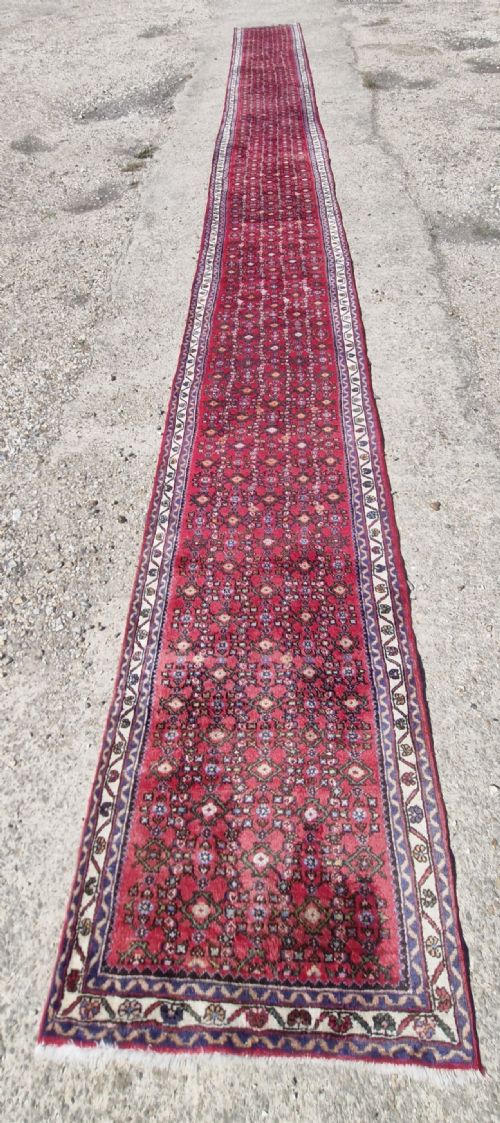
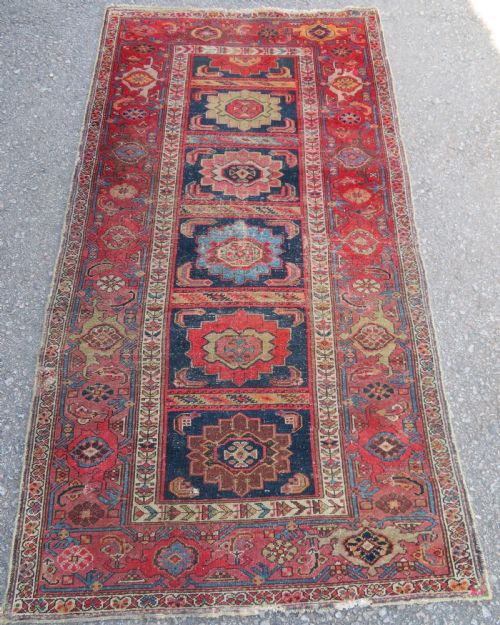
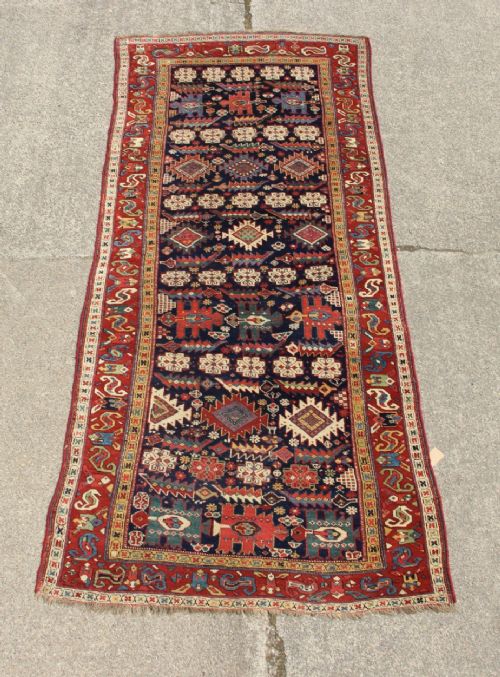

Long Persian Runner Rug
A long persian runner rug brings linear character and woven history to a hallway, drawing the eye along corridors with traditional motifs and tribal patterns.
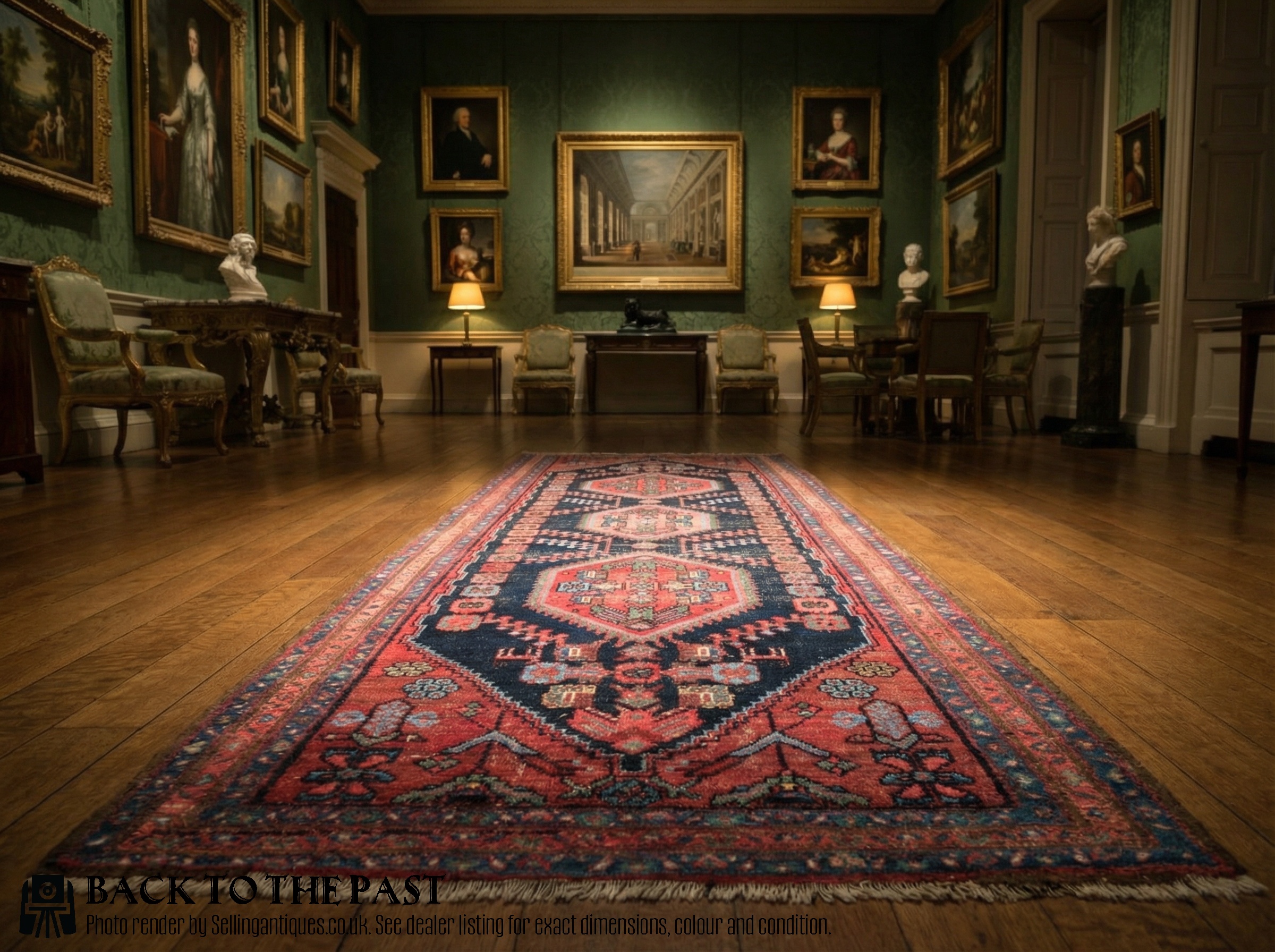
Long Persian Runner Rug
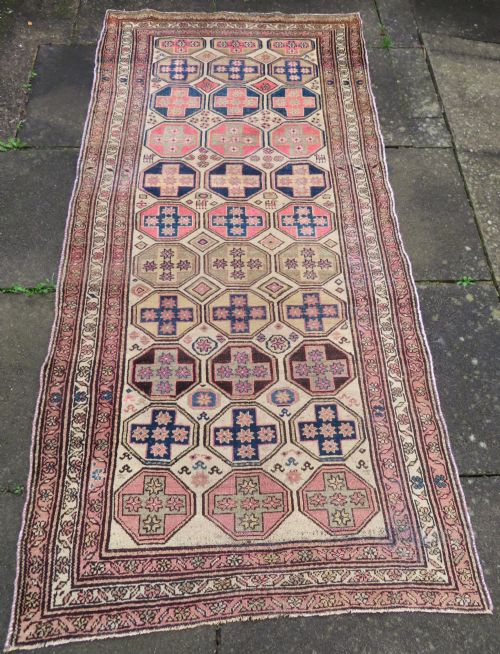
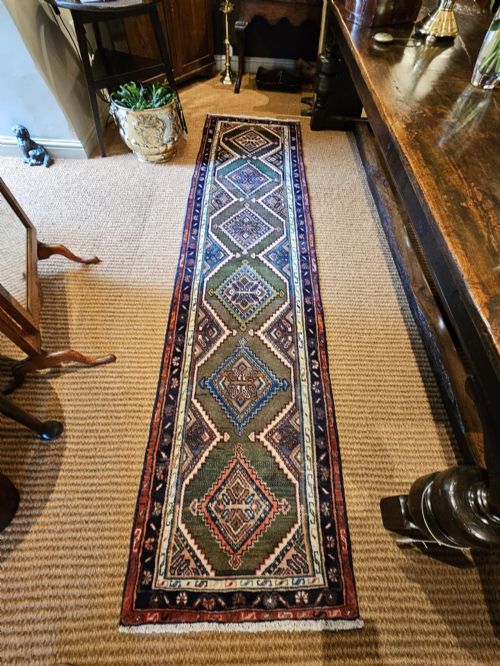
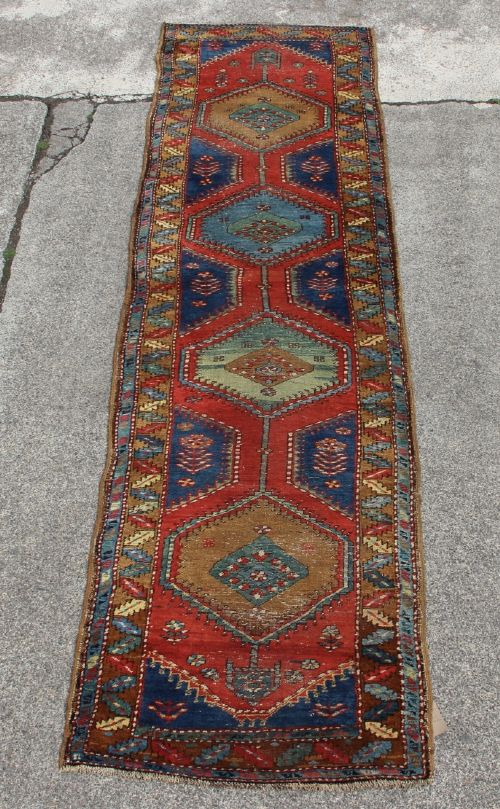
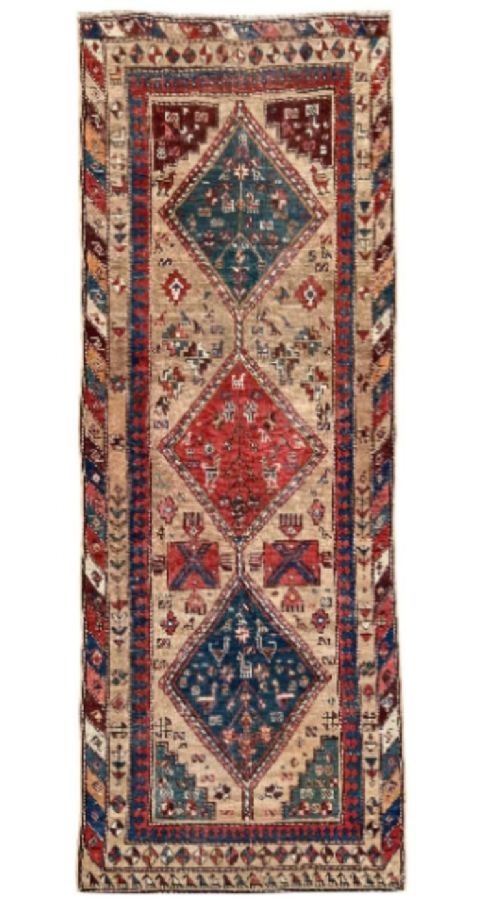
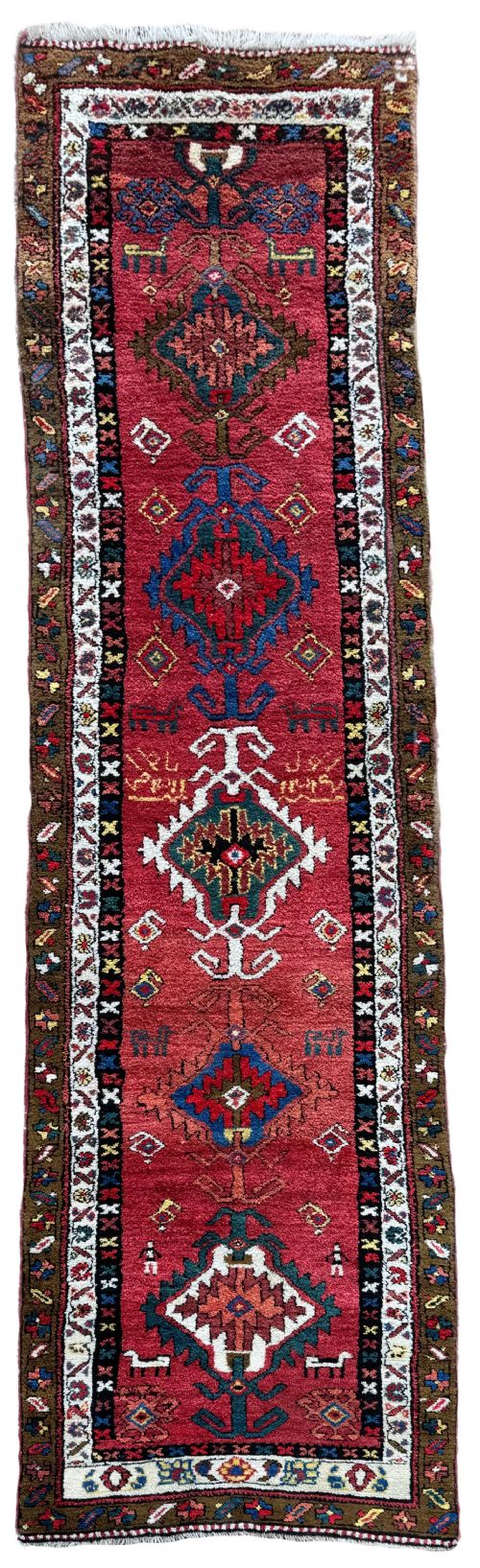
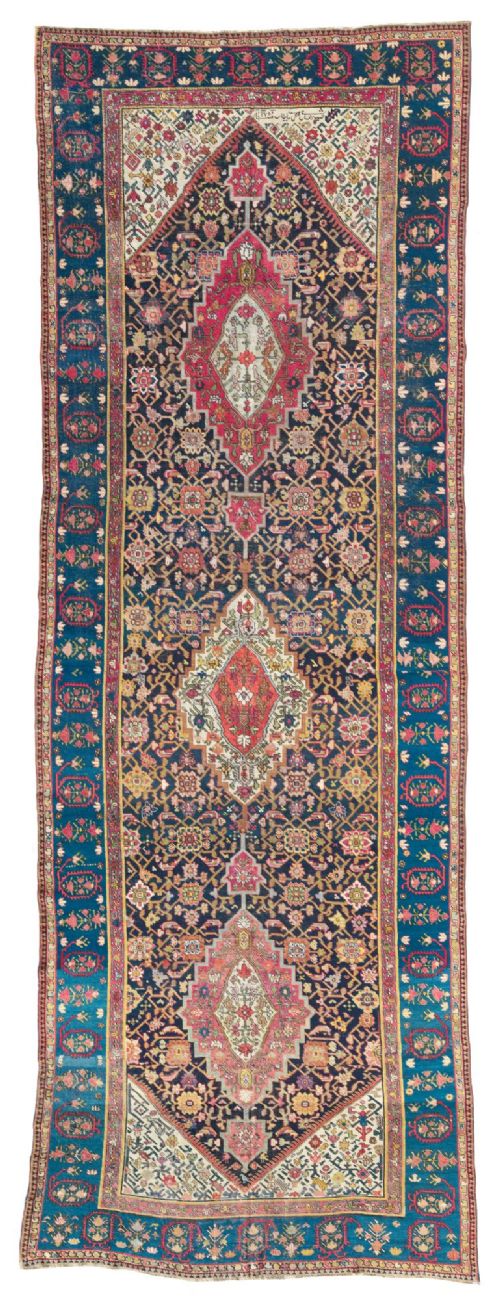
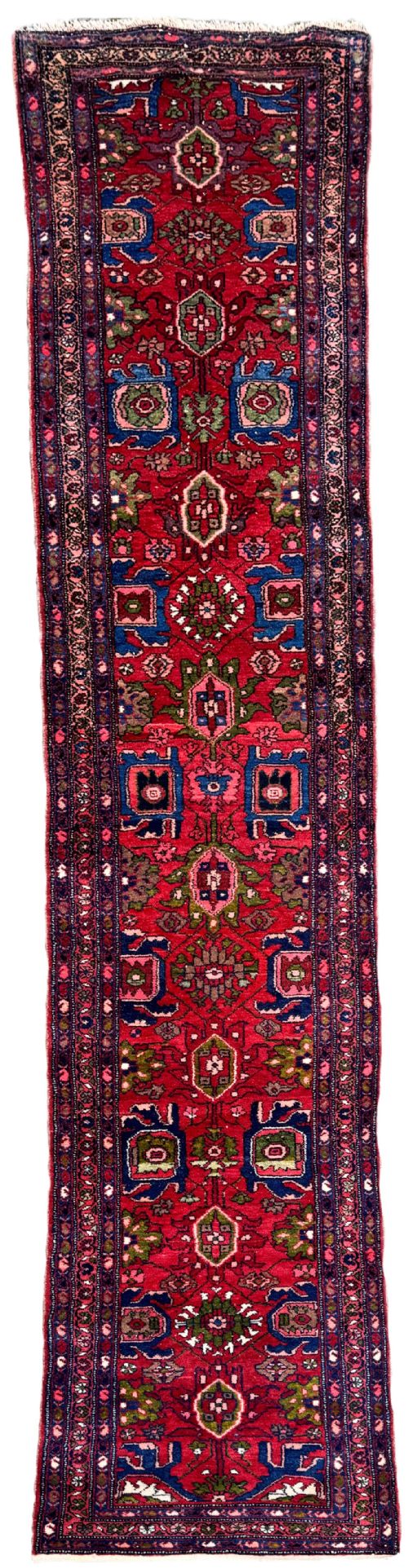
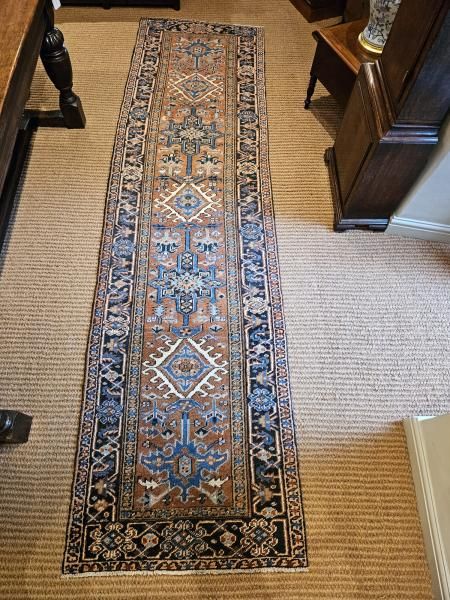
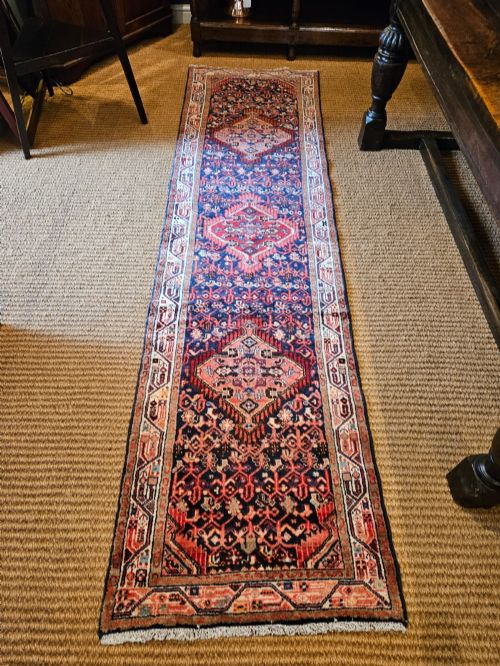
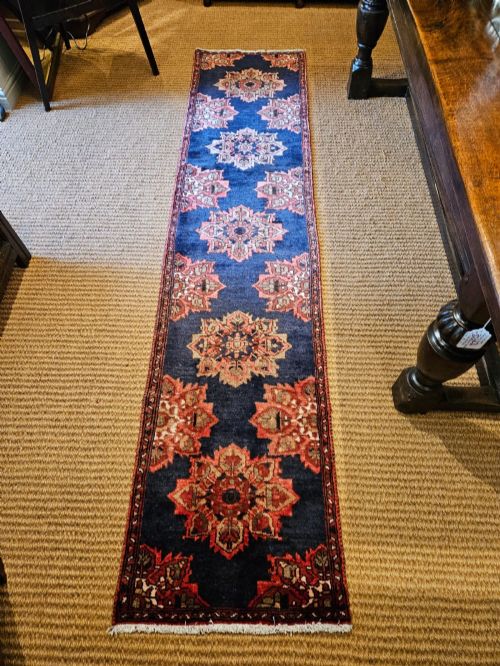
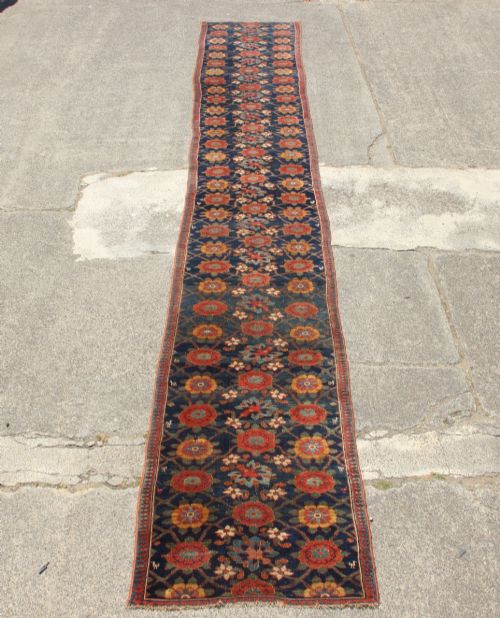
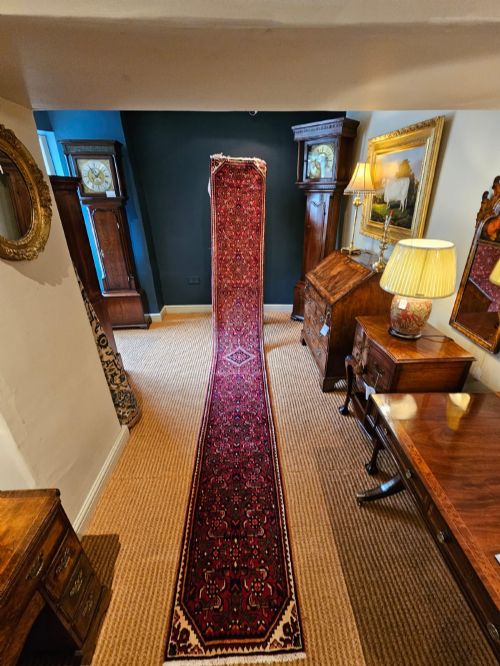
A long persian runner rug serves narrow spaces such as hallways, landings and long corridors, offering durable flooring with an elongated format. These pieces originate from various regional traditions including Heriz, Hamadan, Kurdish, and Bidjar, spanning the nineteenth and early twentieth centuries.
Buyers meet examples featuring geometric medallions, floral fields, and repeating tribal patterns woven on wool foundations. The formats range from modest lengths to substantial room-dividing carpets stretching past five metres.
Materials and construction methods
Weavers constructed these runners using wool pile knotted onto cotton or wool foundations, often employing hand-spun yarn that creates natural variations in texture and colour absorption. Traditional workshops utilised natural dye stuffs derived from plants and minerals to achieve deep indigo blues, madder reds, and olive greens.
The density of the knotting varies according to origin, with village and tribal pieces showing bolder, spontaneous designs while city workshops produced precise, tightly packed compositions.
Listings feature pieces dated from the mid-nineteenth century through the 1960s, constructed with wool, cotton, and hand-spun wool.
Assessing quality and character
Quality rests in the integrity of the foundation, the crispness of the drawing, and the depth of the wool. Pieces with high knot counts and well-preserved borders command attention for their structural durability and visual balance.
The character of the dye palette and the vitality of the tribal or traditional design dictate the visual success of the runner, separating standard utility pieces from exceptional examples.
The Long Persian Runner Rug Glossary
- Kelleh
- A large format rectangular rug or runner, typically longer than it is wide but broader than a standard corridor runner.
- Mina Khani
- A traditional repeating geometric floral pattern distributed evenly across the field of the rug.
- Bidjar
- A Persian town known for producing heavy, densely knotted carpets with robust wool foundations often called the iron rugs of Iran.
- Heriz
- A region in northwest Persia famous for bold geometric medallions and strong, architectural corner designs.
- Gabbeh
- A coarse, thick tribal rug featuring sparse, abstract designs woven primarily by nomadic groups for daily use.
Long Persian Runner Rug: Frequently Asked Questions
Where should I place a long runner rug?
These narrow formats suit hallways, long corridors, and wide landing spaces where they add warmth and protect high-traffic flooring.
They also work effectively in galley kitchens or alongside large beds to anchor the floor space.
How do I clean an antique wool runner?
Regular gentle vacuuming without a rotating brush roll keeps dust from settling into the wool pile. Professional textile cleaning is necessary for deep washing to preserve the natural dyes.
Water and harsh detergents should be avoided to prevent dye migration and fibre degradation.
How do I date an older Persian runner?
Dating relies on examining the types of wool, the chemical or natural origins of the dyes, and the stylistic conventions of the weave. Structural evidence such as selvage finish and foundation materials also point toward nineteenth or early twentieth-century production.
Comparison with documented examples from known tribal and village traditions helps narrow the decade of manufacture.
Are tribal rugs durable for daily use?
Traditional village and tribal pieces utilise sturdy hand-spun wool that withstands regular foot traffic. The resilient lanolin present in untreated wool helps resist dirt and wear over decades of use.
Using an appropriate underlay prevents slipping and cushions the foundation against hard subfloors.