



Long Hall Carpet
A long hall carpet grounds a corridor with woven history, bringing enduring warmth and character to narrow spaces through traditional regional patterns.
Long Hall Carpet
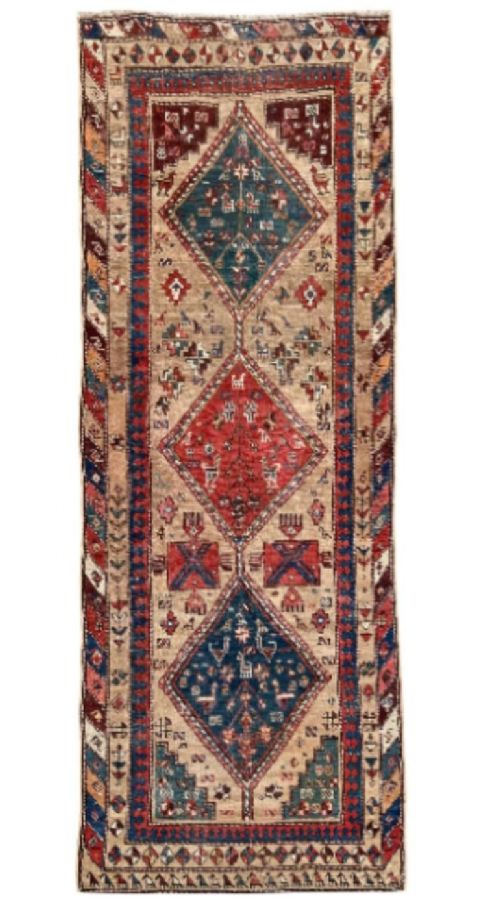
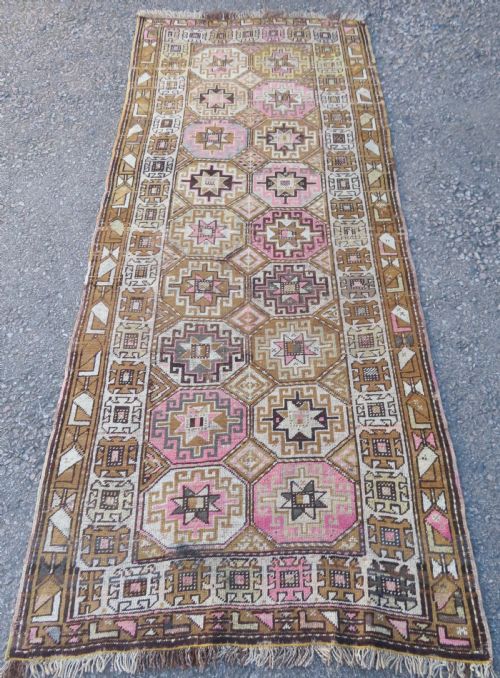
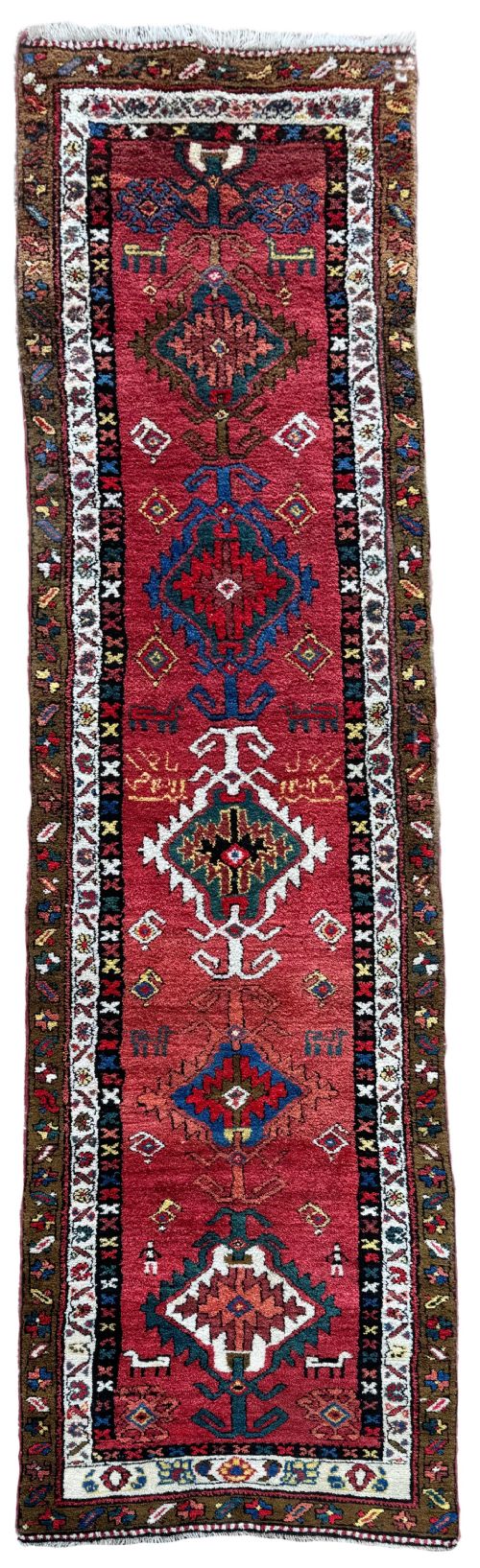
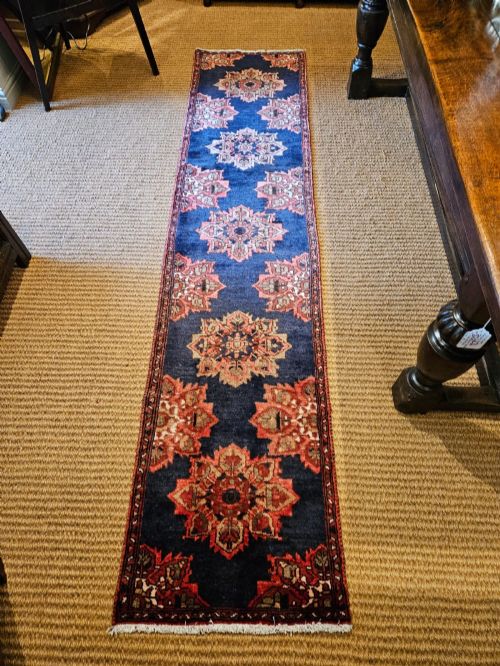
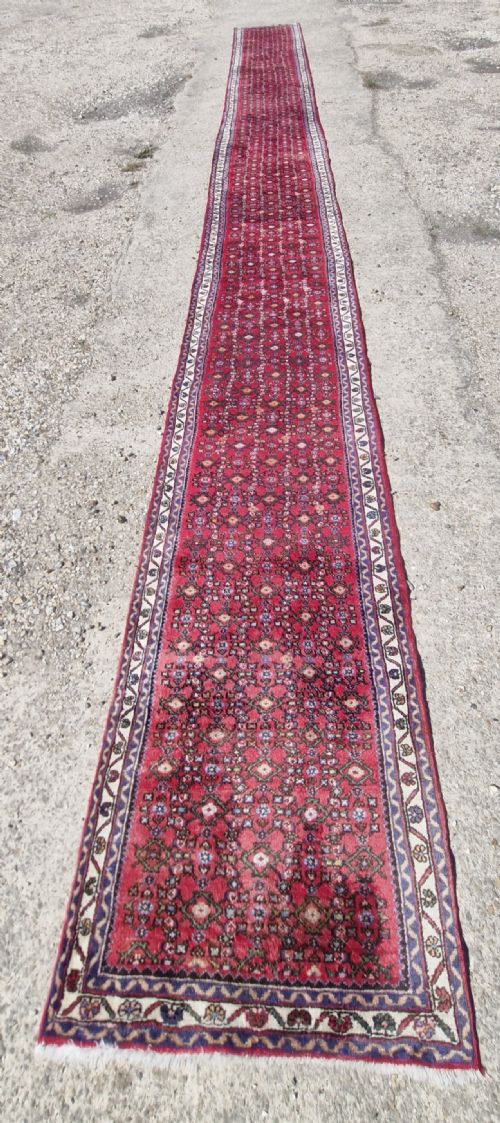
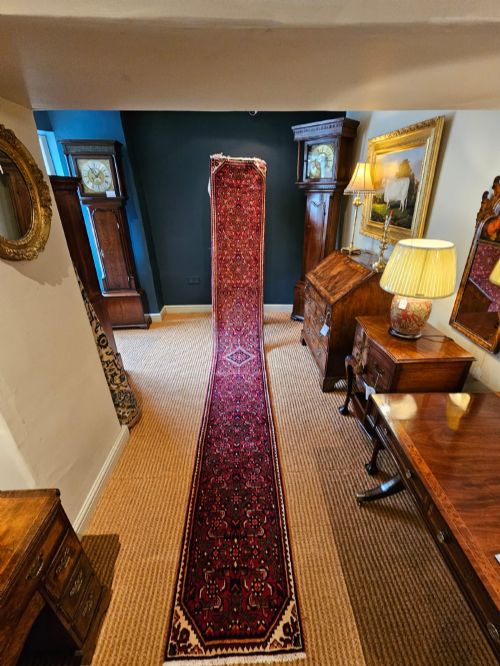
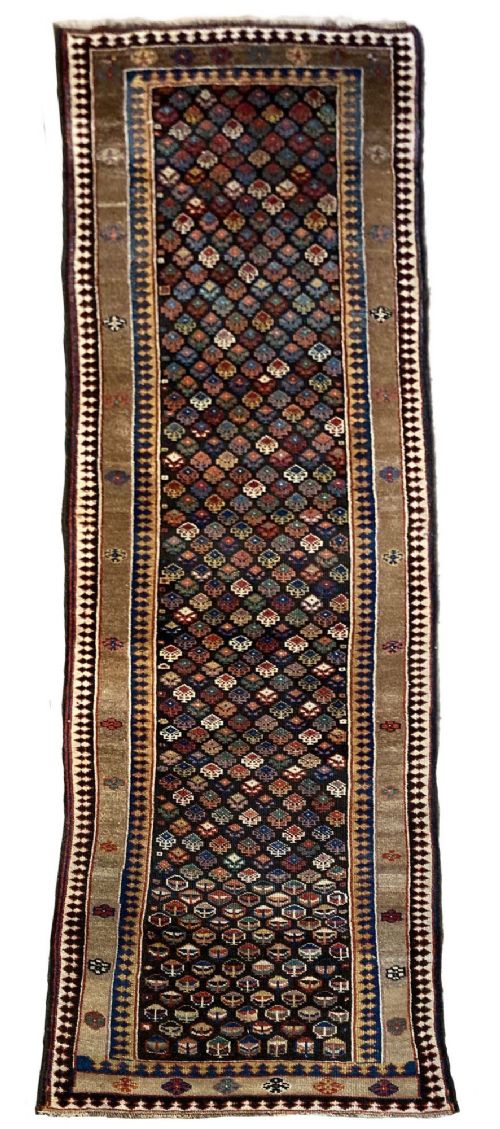
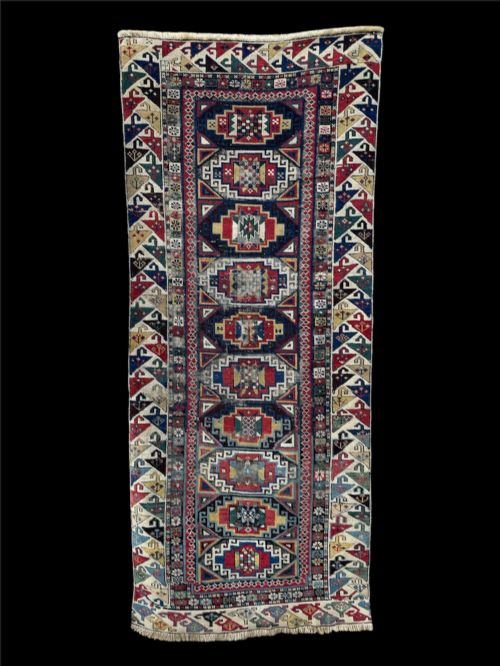
A long hall carpet serves as a functional and decorative runner designed specifically for corridors, landings and extended passageways. You are most likely to encounter antique Persian and Caucasian examples, spanning from the nineteenth century into the mid-twentieth century, shaped in elongated proportions.
These floor coverings appear in various regional styles, including Heriz, Kurdish, Hamadan, and Shirvan weaves. Each piece brings distinct tribal or traditional village motifs to domestic architecture, utilising narrow dimensions to bridge rooms together.
Makers fashioned these textiles to withstand heavy foot traffic while providing visual rhythm down long corridors. The surviving examples demonstrate diverse lengths, from standard hallway sizes to exceptionally extended formats stretching past thirty feet.
How they were made
Weavers constructed these runners predominantly using hand-spun wool for the pile, set against sturdy cotton or wool foundations. Camel hair also appears in selected pieces, contributing natural tones and robust durability to the underlying structure.
Traditional looms supported the knotting techniques required to produce dense, resilient piles capable of enduring decades of domestic use. Artisans relied on natural dyes extracted from regional plants and minerals to create the deep blues, reds and earth tones recorded in the evidence.
Long Hall Carpet Retail Price Guide 2026
Typical asking prices for long hall carpet among the pieces listed under this phrase on Sellingantiques today, from the lower quarter to the upper quarter. They describe what is for sale here now, not the wider market.
What varies in quality
Knot density and structural tightness dictate the longevity and refinement of the weave, separating simpler utility runners from masterworks. Finer examples display crisper geometric or floral delineation, reflecting greater artisan skill in translating traditional motifs onto narrow formats.
The integrity of the foundation and the uniformity of the wool pile determine how well a runner ages under foot. Superior pieces retain balanced proportions and rich dye saturation across their entire extended length without distortion.
The Long Hall Carpet Glossary
- Runner
- A long, narrow carpet format specifically proportioned for hallways, stairs and corridors. These pieces measure significantly longer than they are wide.
- Pile
- The upright yarn loops or cut ends that form the soft surface of a carpet. It provides both cushioning and protection for the structural foundation beneath.
- Heriz
- A style of Persian carpet originating from the Azerbaijan region, known for bold geometric medallions and robust structural integrity. These runners often feature large-scale graphic motifs.
- Caucasian
- A descriptive term for rugs woven in the Caucasus region, celebrated for striking tribal geometry and vibrant primary palettes. Shirvan and Karabagh are notable sub-categories.
- Boteh
- An ancient teardrop or almond-shaped motif representing a floral spray or cypress tree. This symbol frequently recurs across Persian and Caucasian regional weaving traditions.
Long Hall Carpet: Frequently Asked Questions
How do I clean a long hall carpet?
Regular gentle vacuuming without a beater bar removes trapped grit before it damages the wool fibres.
Professional specialist cleaning is recommended for deep washing to preserve the natural dyes and historical structure.
Can I use an antique runner on stairs?
These textiles were originally woven for flat floors rather than the sharp bends of staircase installations.
Placing them along straight corridors or landings protects the foundation from unnecessary stress and folding fatigue.
How do I secure a hallway runner?
A breathable, high-friction underlay prevents the carpet from sliding on hardwood or tiled hallway surfaces.
This protective layer also cushions the wool pile against hard subfloors, reducing premature wear.
What causes fading in old wool runners?
Extended exposure to direct sunlight gradually lightens natural vegetable dyes over decades of use.
Rotating the carpet periodically ensures even exposure and balanced ageing along the entire length.