



London Sterling Silver Bowl
A London sterling silver bowl brings centuries of assay office heritage straight to your table, offering refined craftsmanship in solid precious metal.
London Sterling Silver Bowl
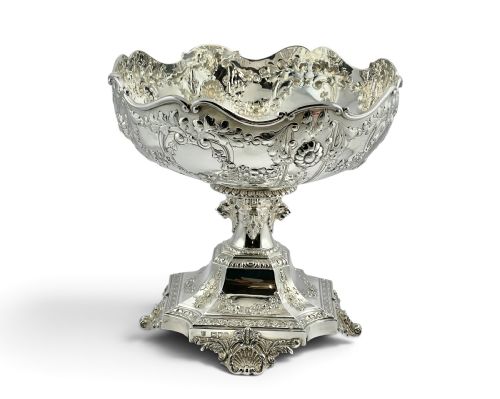
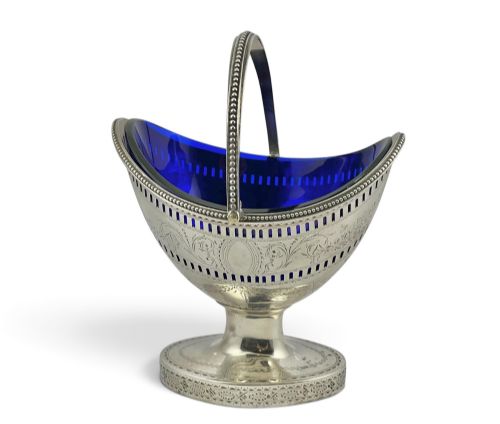
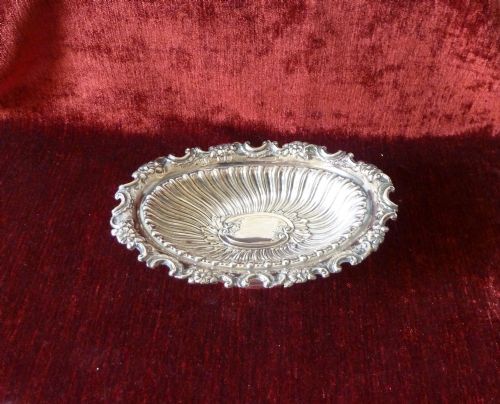
A london sterling silver bowl encompasses a broad array of historic forms, from Georgian sugar basins and Victorian bon bon dishes to Edwardian pedestal vessels and butter dishes. These pieces reflect the skilled work of goldsmiths operating under the jurisdiction of the London assay office across multiple centuries.
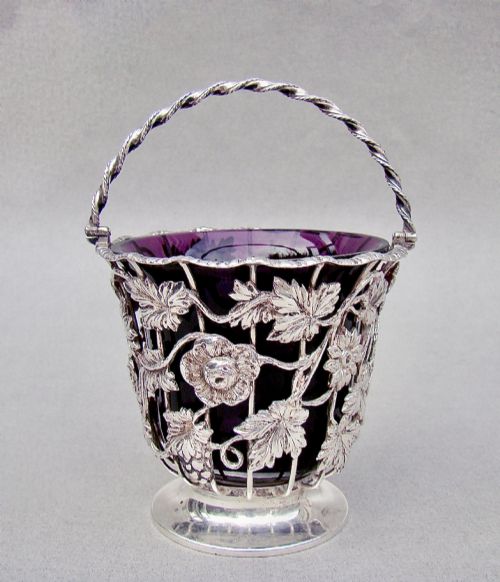
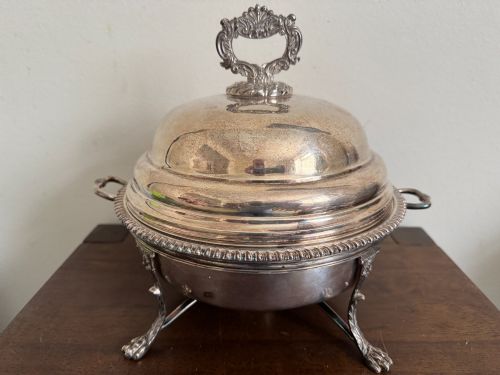
Buyers will encounter items spanning the 18th, 19th, and 20th centuries, including distinct periods such as Victorian, Edwardian, Georgian, and Art Deco. Forms range from simple pierced baskets and trinket dishes to elaborate tazzas and lidded supper dishes.
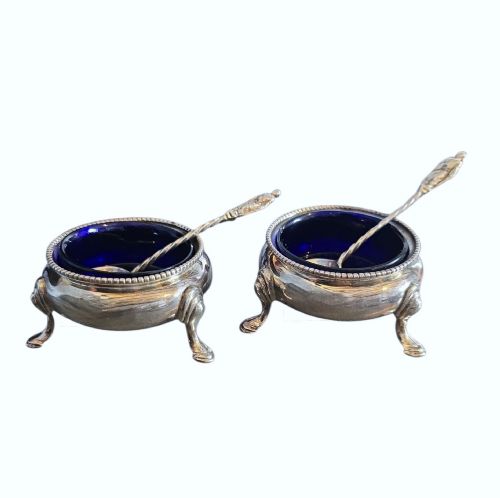
The practical function of these items varies according to their original domestic use, serving variously as sugar bowls, butter dishes, nut dishes, and decorative table bowls. Many survive alongside associated spoons or stands, while others remain as standalone decorative bowls and baskets.
Materials and construction methods
The primary material across these pieces is sterling silver, frequently accompanied by variants such as solid silver, silver gilt, and vermeil. Makers also integrated auxiliary materials like leather, velvet, and silk in fitted cases for items such as butter dishes.
Construction techniques involve traditional silversmithing methods including hammering, piercing, and casting. Pieces from the Arts and Crafts era often display visible hammer marks, whereas Georgian and Victorian examples favour smooth polished surfaces, chased decoration, or intricate pierced openwork.
London Sterling Silver Bowl Retail Price Guide 2026
Typical asking prices for london sterling silver bowl among the pieces listed under this phrase on Sellingantiques today, from the lower quarter to the upper quarter. They describe what is for sale here now, not the wider market.
The recorded object types range from sugar bowls and butter dishes to quaich cups, tea strainers, and dish rings.
Distinguishing quality in silver bowls
Quality separates the standard production items from exceptional workshop output through the crispness of the chasing, the precision of the piercing, and the structural integrity of handles and supports. Pieces featuring hand-hammered surfaces or complex structural forms require advanced silversmithing skill.
The presence of clear, legible hallmarks and the reputation of the maker significantly influence the standing of a piece. Well-preserved original gilding, intact structural elements, and matching components elevate a bowl's standing within its period.
Goldsmiths and Silversmiths Company·William Comyns·James Hennell·Walter Brind·George Fox·Robert Hennel·Carringtons of London
The London Sterling Silver Bowl Glossary
- Sterling silver
- A silver alloy containing 92.5 percent pure silver and 7.5 percent other metals, usually copper, chosen to provide durability while maintaining high purity. This standard is authenticated by official assay office hallmarks.
- Hallmark
- A series of official marks stamped on items to indicate the standard of silver, the assay office, the maker, and the year of manufacture. London items typically display the leopard's head symbol.
- Tazza
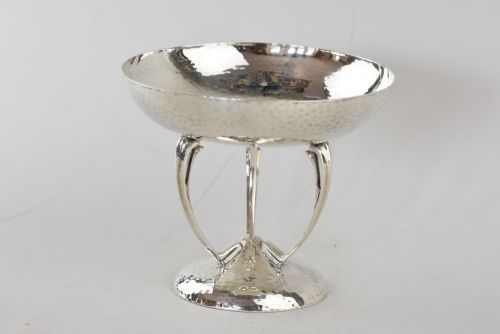
- An ornate shallow cup or bowl mounted on a stem and foot, often used for serving small items or for display. These pieces frequently showcase decorative hammering or pierced borders.
- Porringer
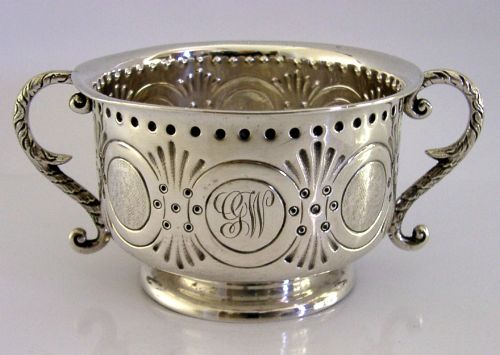
- A small, deep bowl with one or two flat horizontal handles, originating in the seventeenth century for porridges or broths. Later examples served decorative or sweetmeat functions.
- Pierced
- A technique where metal is cut through to create openwork decorative patterns such as lattices, scrolls, or foliage. This work demands precise hand-sawing and filing by the silversmith.
London Sterling Silver Bowl: Frequently Asked Questions
What periods do these silver bowls cover?
The available pieces span multiple historic eras, notably the Georgian, Victorian, and Edwardian periods, stretching from the seventeenth century through to the twentieth century. Each era brings distinct decorative idioms and silversmithing techniques.
Assay office date letters stamped onto the silver allow collectors to pinpoint the exact year of production alongside the reigning monarch's profile mark.
How do I care for sterling silver?
Maintenance requires gentle cleaning with specialised silver cloths or non-abrasive liquid polishes designed specifically for precious metals. Avoid harsh chemical dips that can strip desirable patination from antique chased details.
Storing pieces away from direct sunlight and high humidity prevents premature tarnishing and protects any integrated materials like velvet or silk linings.
What is the difference between a tazza and a standard bowl?
A tazza is elevated on a central foot or pedestal stem, lifting the vessel above the surface of the table for display or serving. Standard bowls sit directly on a flat base or three small legs.
Both forms utilise solid sterling silver, but the tazza format emphasises height and architectural presence.
Are these silver bowls meant for daily use?
While originally created for domestic dining, sugar service, or presentation, antique silver bowls can serve modern display and entertaining functions. Many handle dry foods, sweets, or function as decorative desk accessories.
Care should be taken with delicate pierced work or gilded interiors to preserve the antique finish during handling.