




London Silver Bowl
These london silver bowl examples range from Georgian supper dishes to Arts and Crafts tazzas, bringing solid silver craftsmanship and period design to the table.
London Silver Bowl
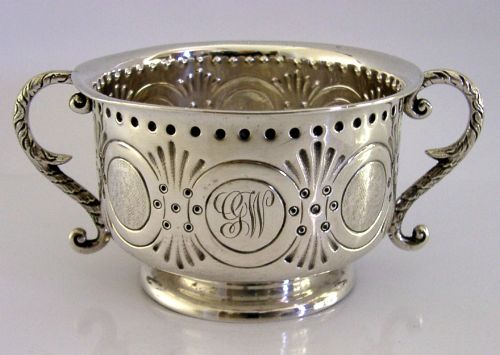
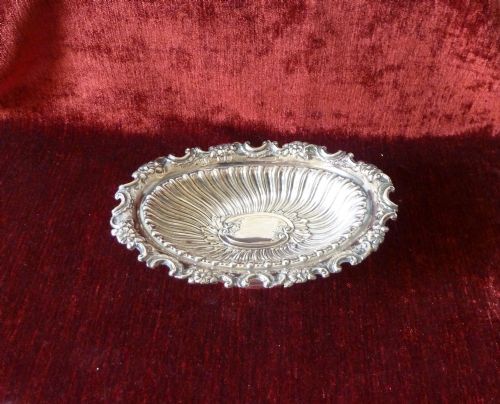
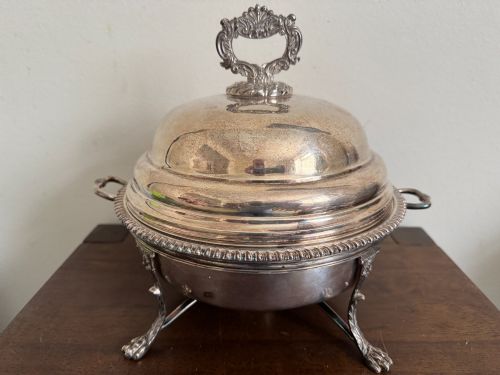
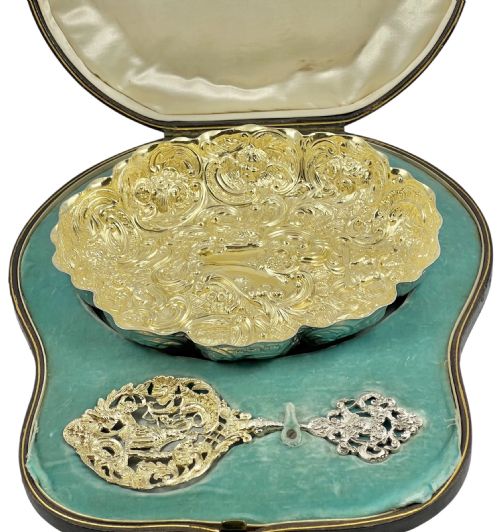
When searching for a london silver bowl, buyers encounter a diverse selection of hollowware spanning several centuries. The evidence shows forms ranging from sugar bowls and pedestal bowls to decorative dishes and butter dishes.
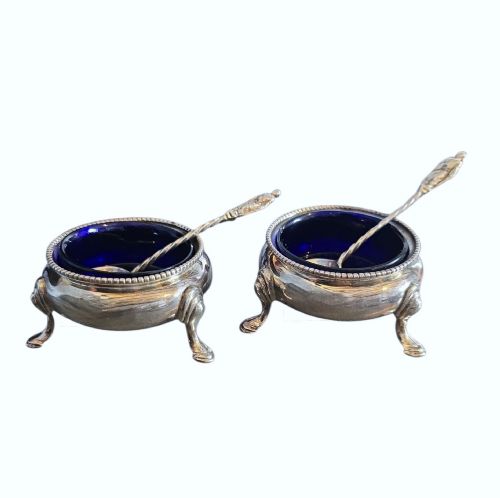
Victorian and Edwardian sugar bowls and salt cellars appear frequently among the listings, often accompanied by blue glass liners, spoons, or matched cream jugs. These domestic pieces reflect the dining and social habits of their respective periods.
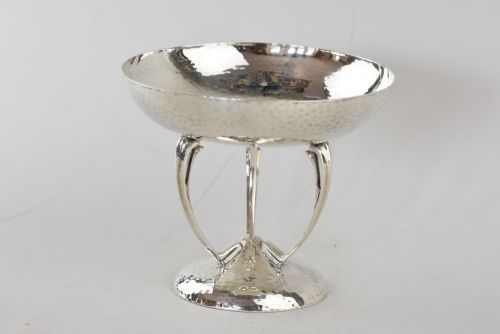
Earlier Georgian items, such as supper dishes and soup ladles, sit alongside later Arts and Crafts tazzas and Art Deco trophy cups. This variety demonstrates how silversmiths adapted form and ornamentation across the decades.
What varies in quality in london silver bowl pieces
Quality differences emerge in the weight of the metal, the crispness of chased or pierced decoration, and the presence of original fitted components. Pieces featuring hand-hammered surfaces or maker attribution show distinct artistry compared to standard production items.
The survival of associated elements, such as matching spoons, fitted cases, or intact cobalt glass liners, influences the desirability of a piece. The distinction lies in how well the form, maker mark, and period characteristics align.
London Silver Bowl Retail Price Guide 2026
Typical asking prices for london silver bowl among the pieces listed under this phrase on Sellingantiques today, from the lower quarter to the upper quarter. They describe what is for sale here now, not the wider market.
The documented periods span from seventeenth-century works through Georgian, Regency, Victorian, Edwardian, and 1930s Art Deco examples.
Beare Falcke·Goldsmiths and Silversmiths Company·William Comyns·Lawrence Coles·Daniel Cary·Walter Brind·Archibold Knox·George Fox·Robert Hennel
The London Silver Bowl Glossary
- Sterling silver
- An alloy consisting of silver and other metals, traditionally standardised for durability and quality. It forms the primary material base for the vast majority of these items.
- Silver gilt
- Silver that has been coated with a thin layer of gold on its surface. This technique provides a rich interior or exterior finish on bowls and dishes.
- Tazza
- A small tabletop vessel or cup set upon a foot or pedestal, used for serving food or display. Arts and Crafts examples often feature hammered surfaces and multiple legs.
- Porringer
- A small, handled vessel used in earlier centuries for porridges, soups, or liquids. Examples from the late seventeenth century demonstrate early form evolution.
- Salt cellar
- A small container used to hold salt at the dining table, frequently paired with glass liners and miniature spoons. Victorian sets often include multiple matching vessels.
London Silver Bowl: Frequently Asked Questions
What periods do these silver bowls cover?
The pieces span from the seventeenth century through the Georgian, Victorian, Edwardian, and Art Deco eras. Each period brings distinct stylistic traits to the form.
Catalogued items reflect design shifts from early porringers to later Arts and Crafts tazzas and trophy cups.
Are liners and spoons usually included?
Many salt cellars, sugar bowls, and butter dishes retain their original components, such as cobalt glass liners or matching spoons. Cased sets also appear with fitted interiors.
Checking individual listings confirms whether supplementary items like sifter spoons accompany the primary vessel.
How are pieces dated?
Dating relies on official London assay office hallmarks stamped directly onto the silver. These marks record the specific year of testing alongside maker initials.
Additional dating clues come from the stylistic category, whether Georgian, Regency, Victorian, or Edwardian.
How do I care for silver bowls?
Routine maintenance involves gentle cleaning with appropriate silver polish to preserve the surface without removing the underlying hallmarks. Storing items away from moisture prevents tarnishing.
Pieces with delicate additions like velvet, silk, or glass liners require specific handling tailored to those materials.