



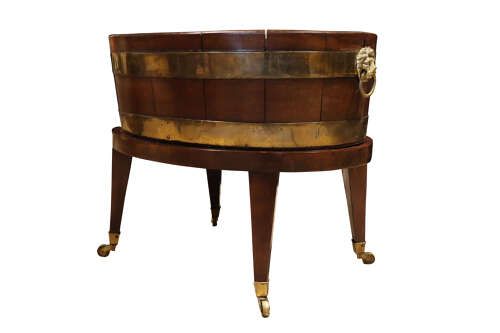


Lion Mask Jardiniere
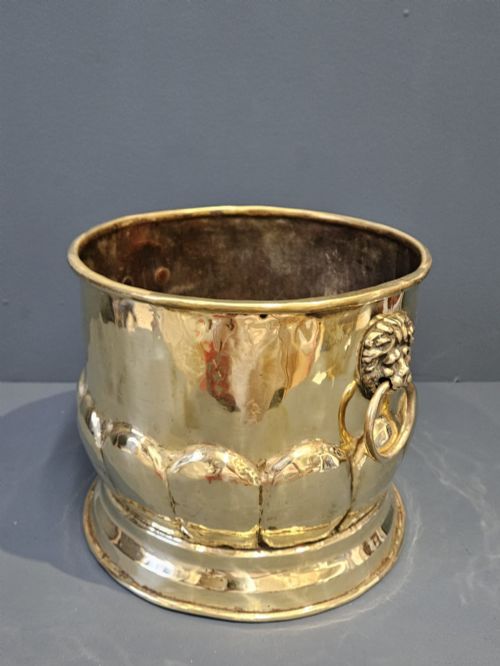
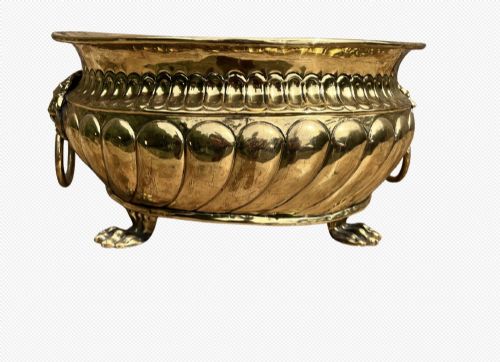
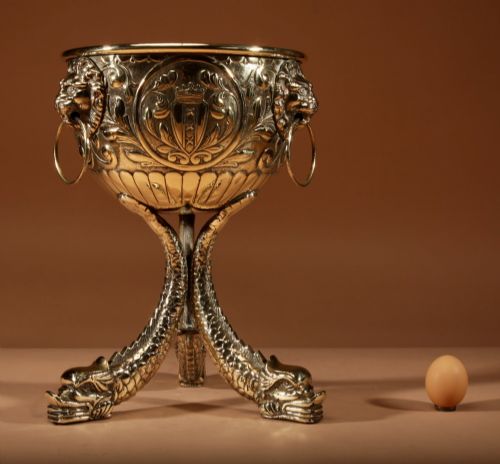
These lion mask jardiniere pieces bring classical presence to a room, cast or hammered with fierce feline mounts.
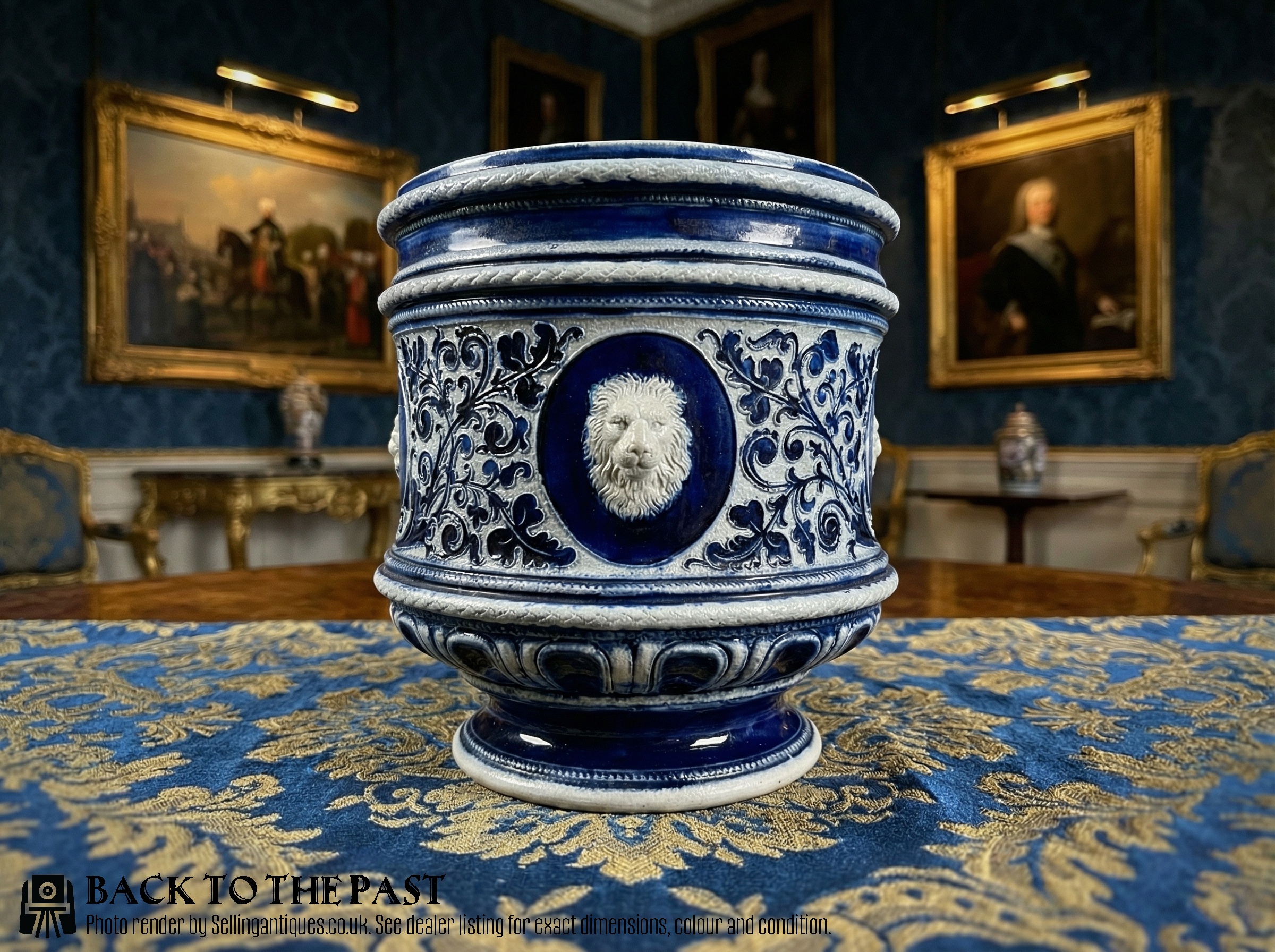
Lion Mask Jardiniere
A lion mask jardiniere serves primarily as a decorative plant vessel, though historical forms double as wine coolers or log buckets. When you search for a lion mask jardiniere, you encounter vessels designed to hold heavy planters or cut greenery within domestic interiors and conservatories.
The pieces appearing on this page span the eighteenth, nineteenth, and early twentieth centuries, drawing upon Victorian, Regency, Gothic Revival, and French Empire styles. Brass and copper dominate the selection, alongside mahogany, glazed ceramic, stone, and bronze.
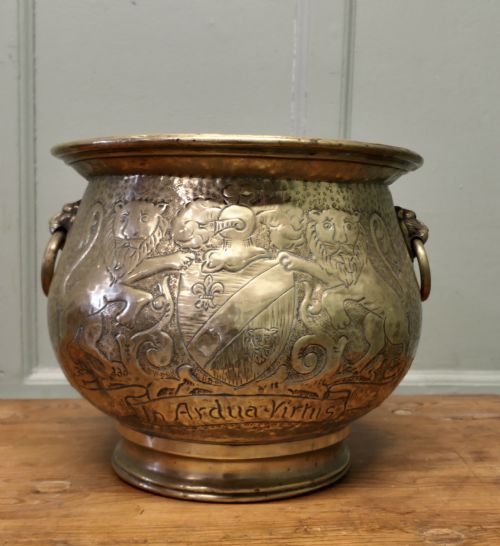
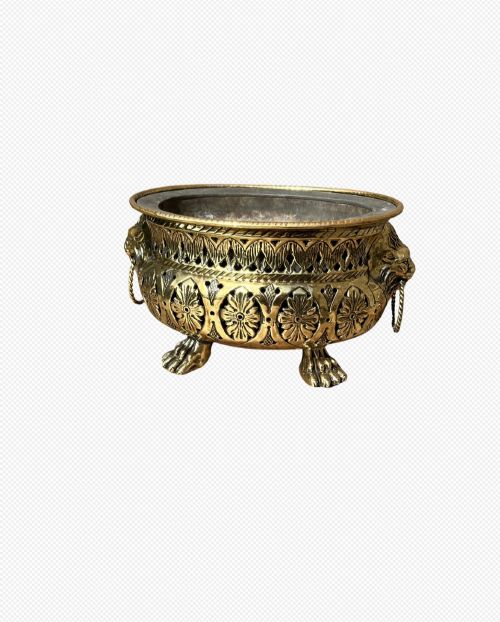
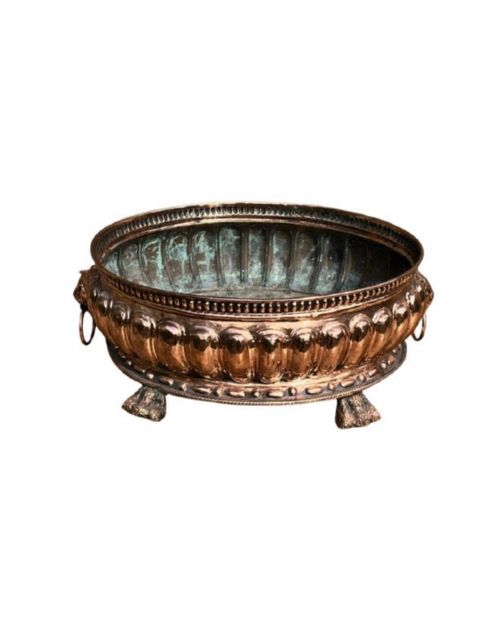
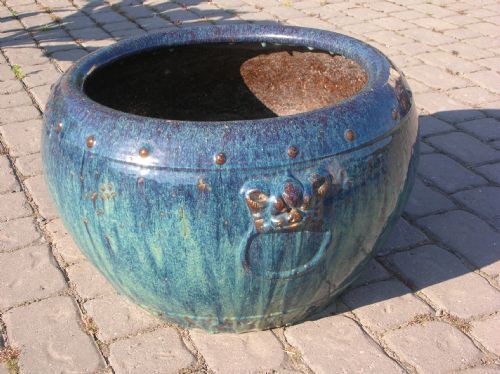
Metal vessels frequently feature embossed repoussé work, pierced rims, or cast ring handles held in the mouths of lions. Ceramic examples include salt-glazed stoneware and majolica, showing how potters adopted the classical motif.
How They Were Made
Metal examples rely on sheet brass or copper shaped by hammering, spinning, or coopered construction with riveted seams. Artisans applied surface decoration through repoussé chasing, pressing designs from the reverse, while heavier mounts were cast separately and attached.
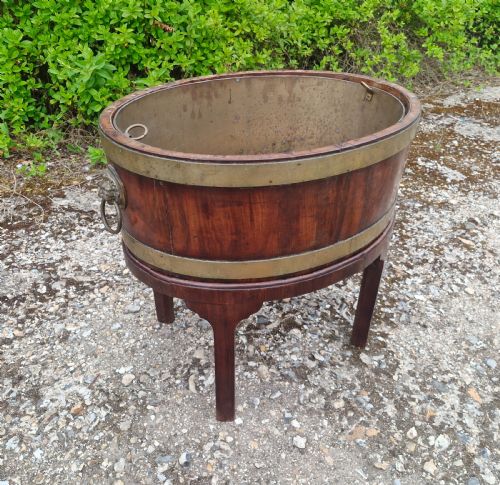
Wooden variants utilise coopered staves of mahogany bound with brass hoops, translating barrel-making techniques into refined domestic vessels. Ceramic pieces involve moulded clay fired and glazed, sometimes paired with metal liners or handles.
Lion Mask Jardiniere Retail Price Guide 2026
Typical asking prices for lion mask jardiniere among the pieces listed under this phrase on Sellingantiques today, from the lower quarter to the upper quarter. They describe what is for sale here now, not the wider market.
Listings feature brass and copper predominantly, alongside mahogany, glazed ceramic, stone, and bronze across multiple centuries.
What Varies in Quality
The structural integrity of the vessel, including the thickness of the metal gauge and the original presence of interior liners or ring handles, dictates the calibre of the piece. Fine joinery in mahogany pieces and rich glaze application on ceramics distinguish the higher tier.
Minton
The Lion Mask Jardiniere Glossary
- Repoussé
- Metalworking technique where the design is hammered into relief from the reverse side. This method creates tactile, three-dimensional surface patterns on brass and copper vessels.
- Majolica
- Opaque tin-glazed earthenware notable for vibrant coloured lead glazes. Minton and other potteries utilised this technique for decorative Victorian planters.
- Coopered
- Wood construction method using tapered staves bound together with metal hoops, traditionally used for casks and adapted for mahogany planters. This technique ensures watertight strength.
- Dinanderie
- Medieval term revived for various objects made of brass, copper, or bronze, particularly embossed and cast vessels. The term spans utilitarian and decorative metalwork.
- Verdigris
- Green patina formed naturally on copper or brass through atmospheric oxidation. Collectors often value this aged surface layer for its historical authenticity.
Lion Mask Jardiniere: Frequently Asked Questions
Were these always used for plants?
Historical examples frequently served multiple domestic functions, operating as wine coolers, cellarettes, or log buckets alongside plant holders. The waterproof metal or ceramic construction made them adaptable for cooling bottles or containing fuel.
Over time, changing interior fashions repurposed these vessels, shifting them between the hearth, the dining room, and the conservatory depending on household needs.
How do I protect furniture from moisture?
Most antique metal and ceramic vessels require a modern plastic or metal liner to catch drainage water and prevent dampness from reaching wooden surfaces. Original liners are uncommon and often replaced with contemporary equivalents for practical daily use.
Placing a protective saucer or felt pad underneath heavy stone or metal pieces further safeguards polished tabletops and floorboards from scratching.
How do I tell Victorian brass from older periods?
Victorian pieces often display machine-assisted finishing, heavier gauge sheet brass, and distinct revival styles like Gothic or Renaissance ornamentation. Eighteenth-century examples tend to show hand-beaten irregularities and simpler, more restrained proportions.
Examining the construction methods, such as the type of rivets, seams, and handle attachments, reveals the manufacturing era.
Can these be used outdoors?
Bronze, lead, and heavy stone versions withstand exterior conditions well and suit garden settings or conservatories. Brass and copper pieces left outside will react to moisture and weather, developing a fast patina.
Interior ceramic and mahogany vessels require shelter from frost and dampness to preserve their glazes and wood structures against irreversible damage.