
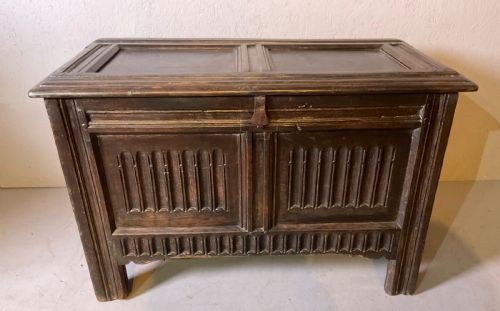


Linenfold Oak Carving
Linenfold oak carving brings historic textile texture into timber panels, appearing on chests, bureaus and architectural fragments that anchor a room with Tudor and revival character.
Linenfold Oak Carving
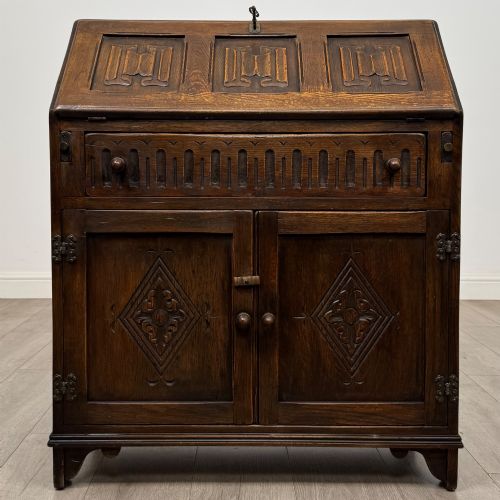
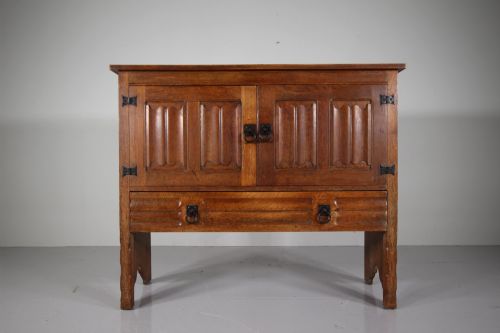
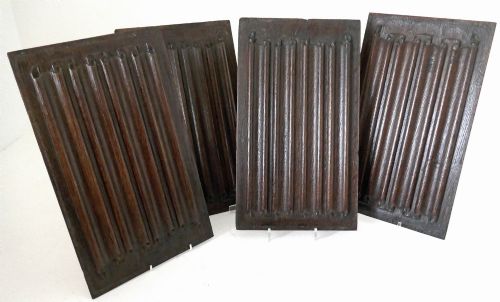
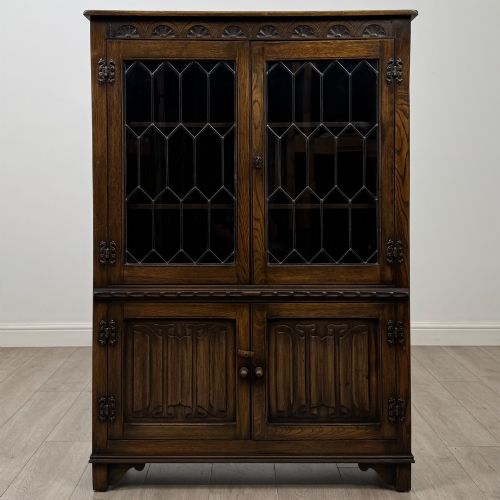
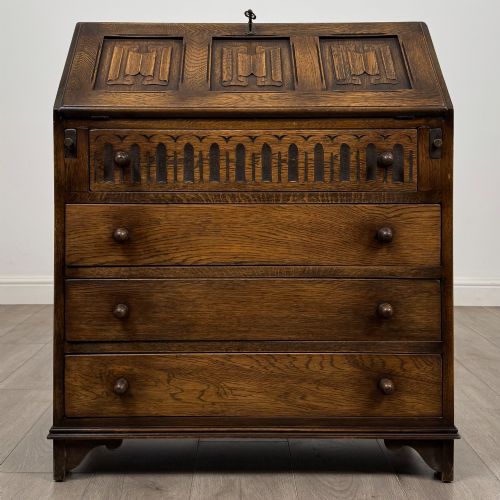
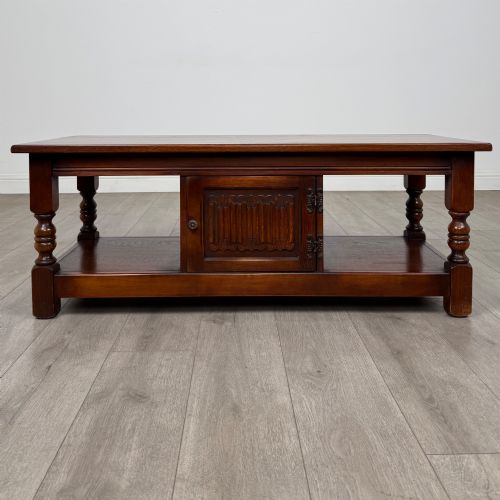
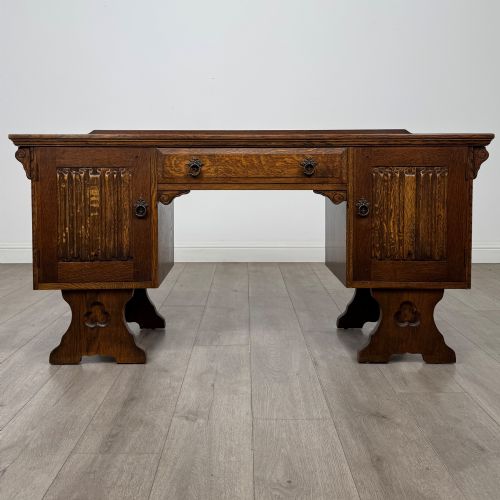
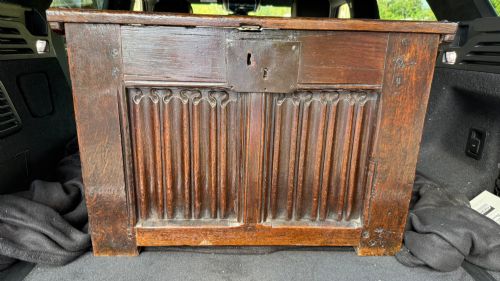
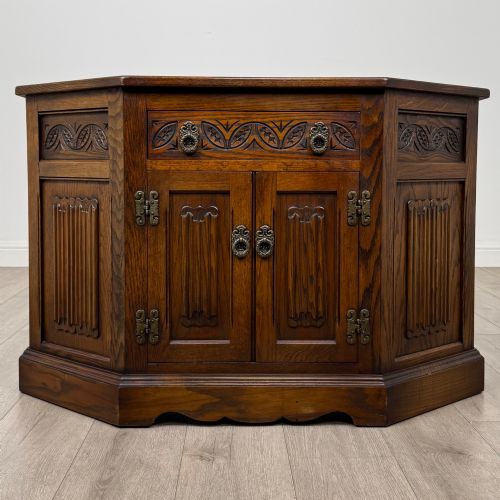
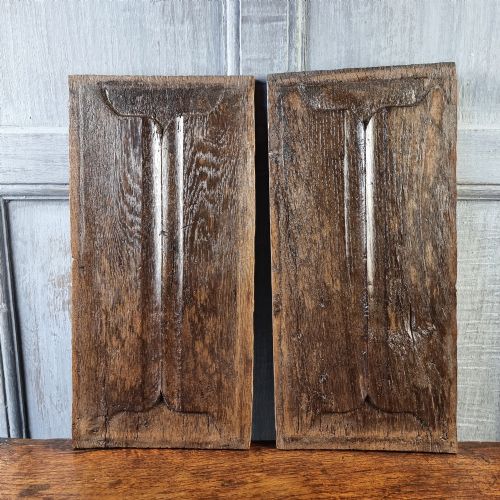
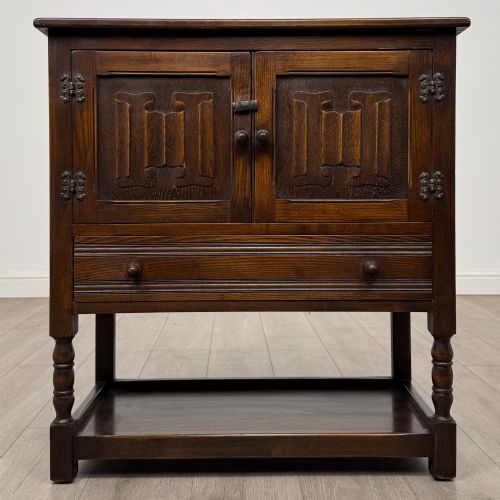
Linenfold oak carving represents a distinctive form of relief ornamentation designed to imitate folded cloth, most commonly seen on surface panels of furniture and architectural woodwork. When searching for linenfold oak carving, buyers encounter everything from sixteenth-century coffers and individual panels to twentieth-century revival bureaus, display cabinets and hallrobes.
The material palette is predominantly solid oak, often paired with iron, brass or wrought iron hinges and handles. Pieces span multiple centuries, ranging from early Tudor examples down to Edwardian and later revival items produced in the nineteenth and twentieth centuries.
How they were made
Makers shaped solid oak using hand gouges and chisels to carve the undulating vertical folds that mimic starched linen or parchment. Panels were then fitted into frame and panel construction to allow the timber to expand and contract naturally with seasonal humidity changes.
Iron and brass hardware such as hinges, latches and handles were incorporated to secure doors and lids on larger items like cupboards, coffers and writing bureaus.
Listings feature solid oak across centuries of production, spanning sixteenth-century coffers, Victorian bookcases and Edwardian writing bureaus.
What varies in quality
The crispness and depth of the carved folds distinguish finer panels from softer, more shallowly worked surfaces. Crisp relief and balanced proportions indicate confident workmanship, whether executed in the sixteenth century or during later revival periods.
The integrity of the timber and the retention of original structural elements, such as matching panels and period hardware, also determine the standing of individual pieces across bureaus, cupboards and coffers.
The Linenfold Oak Carving Glossary
- Linenfold
- A style of wood carving that mimics vertical folds of fabric or parchment. It is frequently found on panels of sixteenth-century coffers and later revival furniture.
- Coffer
- A heavy wooden chest used for storage, often constructed from solid oak with hinged lids. Many early examples display carved panels on the front elevation.
- Parchemin
- A decorative panel carving style related to linenfold that resembles folded parchment rather than heavy cloth. It appears on large nineteenth-century panels.
- Gothic Revival
- An architectural and decorative style drawing inspiration from medieval design. This aesthetic heavily influenced nineteenth-century bookcases, buffets and cabinets.
- Bureau
- A sloping desk used for writing, typically incorporating storage drawers or cupboards beneath. Edwardian examples often utilise this form alongside carved linenfold decoration.
Linenfold Oak Carving: Frequently Asked Questions
How old are these carved panels?
Pieces span a broad chronological range from the sixteenth century through to the Edwardian period and the nineteen-thirties. Early examples date directly to the Tudor era, whilst revival pieces emerged centuries later during Victorian and twentieth-century revivals.
Examining the construction methods and the timber patination helps distinguish genuine sixteenth-century work from later revival interpretations found in the listings.
Where was linenfold carving used?
Craftsmen applied this decorative motif primarily to vertical wooden surfaces where flat panels required visual texture. It appears on the structural panels of coffers, cupboards, writing bureaus and wall panels.
Smaller architectural fragments and individual panels also survive independently, having been removed from larger historic interiors over the centuries.
How do I care for solid oak furniture?
Solid timber responds well to stable indoor environments away from direct heat sources and dramatic humidity fluctuations. Regular dusting with a dry cloth keeps the surface clean without needing heavy polishes.
Feeding the oak occasionally with a traditional wax maintains the natural lustre of the timber and protects the carved recesses of the linenfold.
What is the difference between Tudor and revival pieces?
Sixteenth-century items carry the direct marks of early hand tool technology and centuries of organic wear and patination. Revival pieces produced during the nineteenth and twentieth centuries adopt the same historic motifs using later workshop practices.
Both categories utilise solid oak and traditional joining techniques, but archival age and early construction details separate the original period items from later interpretations.