


Light Wood Dressing Table
A light wood dressing table brings pale grain and useful mirrored surfaces to the bedroom, offering an enduring place for morning routines.
Light Wood Dressing Table
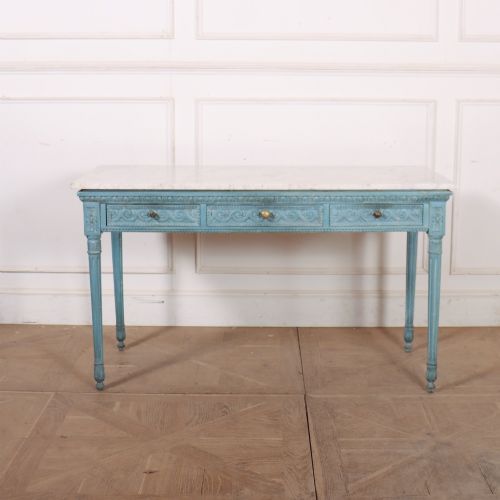
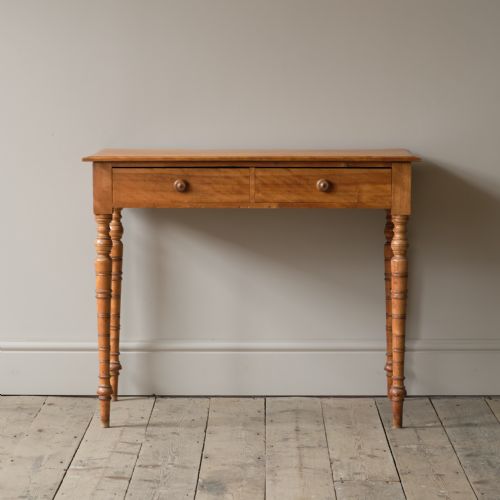
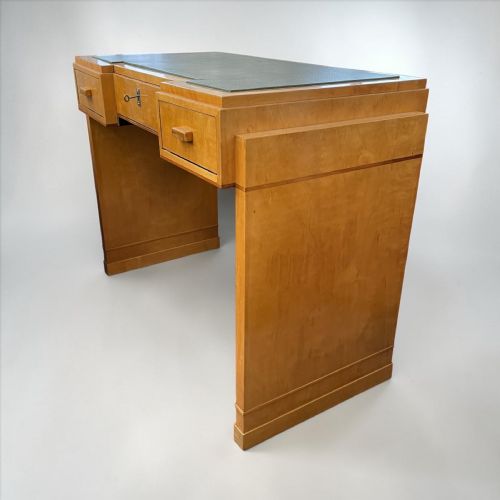
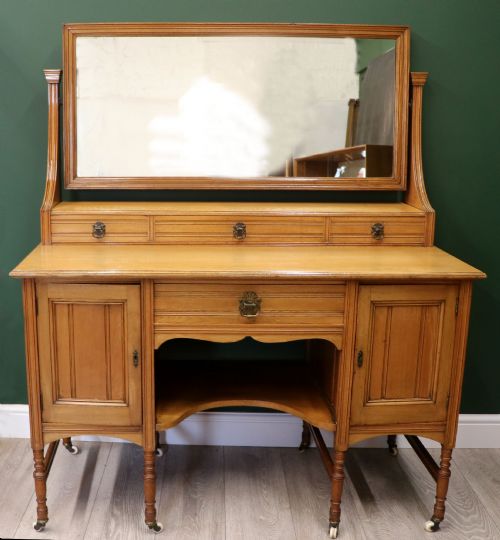
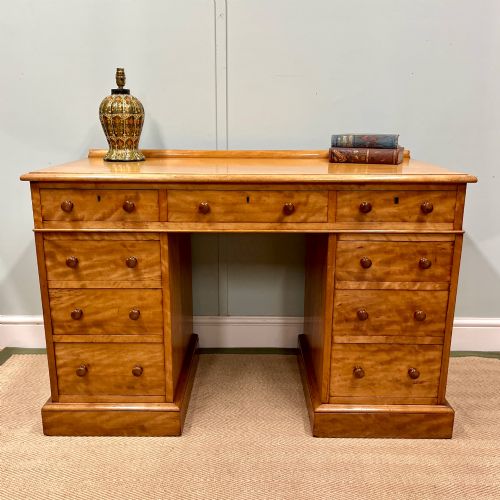
A light wood dressing table turns pale timber into a functional bedroom centrepiece, often pairing a low chest or table base with an adjustable mirror. These pieces emerge from periods spanning the Victorian era through to the 1930s Art Deco movement.
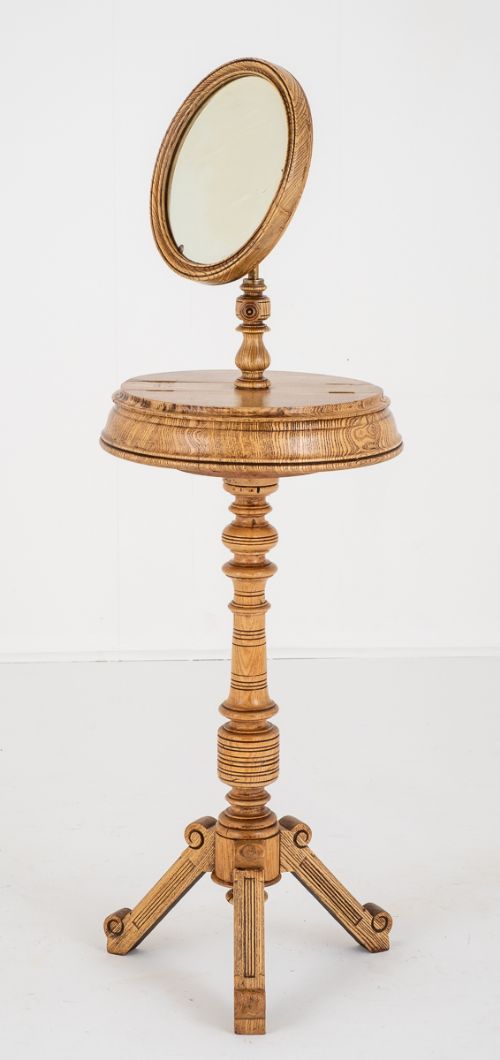
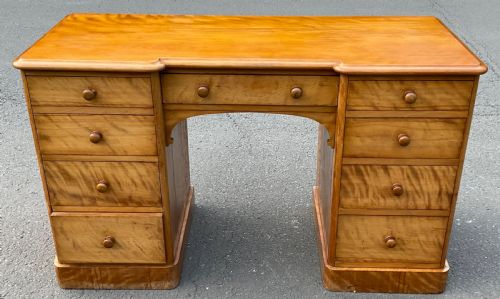
The most common examples encountered on this page rely on satin birch, birch, and light walnut, frequently styled with clean geometric lines or period carvings. Alongside dedicated dressing tables, buyers will find related forms such as vanity mirrors, writing desks, and shaving stands executed in pale woods.
Makers ranged from notable workshops like Heal and Son and Harry and Lou Epstein to unattributed regional cabinetmakers. Each piece reflects the distinct aesthetic preferences of its decade, whether that is mid-nineteenth-century grain patterning or modernist 1930s curves.
Assessing quality and craftsmanship
Quality rests in the selection of timber figures, where symmetrical book-matched veneers on drawer fronts elevate a piece above plain surfaces. The skill of the cabinetmaker shows in the neatness of dovetail joints within the drawers and the smooth movement of writing slides or pedestals.
The integrity of the original hardware, glass plates, and surface finish determines the standing of a piece within its period. Desirable examples retain their matching mirrors and integrated stools, showing careful proportion and balanced design without heavy alterations.
Listings feature pale timbers such as satin birch, birch, light walnut, and birds eye maple across Victorian and Art Deco eras.
Heal and Son·Harry and Lou Epstein·Betty Joel
The Light Wood Dressing Table Glossary
- Satin Birch
- A pale, highly reflective hardwood with a characteristic golden sheen and subtle figuring. Cabinetmakers during the nineteenth century favoured it for high-end bedroom suites and desks.
- Birds Eye Maple
- Timber marked by small, swirling knots that resemble tiny eyes across the grain. This decorative veneer appears frequently on early twentieth-century case furniture.
- Art Deco
- A design style dominant around 1930 characterised by streamlined geometric forms, sleek surfaces, and modernist symmetry. Pieces from this era often feature bold curves and striking wood veneers.
- Vanity Mirror
- A tabletop or stand-alone glass unit designed for grooming, usually mounted on pivoting side brackets. They form a key component of many antique dressing setups.
- Biedereeer
- A Central and Northern European style focusing on clean lines and utilitarian comfort rather than excessive ornamentation. Birch was a primary timber choice for this aesthetic.
Light Wood Dressing Table: Frequently Asked Questions
How do I date a light wood dressing table?
Dating relies on stylistic clues, construction methods, and the specific timber tones popular in each decade. Victorian pieces often display turned supports and rich satin birch, whereas 1930s examples show modernist geometric lines and streamlined veneers.
Examining the drawer construction, such as hand-cut versus machine-cut dovetails, along with the type of mirror glass and hardware, helps narrow down the manufacturing period further.
Are mirrors on these dressing tables original?
Original mirror glass frequently shows light foxing, minor silvering loss, or subtle age spots that confirm its period origin. Replacement plates tend to look exceptionally clear and lack these natural signs of ageing.
The mounting brackets and wooden frames surrounding the glass should also match the construction style and wood species of the main dressing table base.
How should I care for satin birch surfaces?
Satin birch and other light woods respond best to regular dusting with a soft, dry cloth to prevent grit accumulation. Avoiding direct sunlight protects the pale grain from darkening or fading unevenly over time.
Periodic application of a quality microcrystalline wax helps nourish the timber and guards against moisture without building up heavy, dull layers.
Did these dressing tables come with matching stools?
Some suites included low stools upholstered in period fabrics to match the geometry of the dressing table. Surviving matching seating remains uncommon because stools endured heavy daily wear and were frequently separated from the main desk.
When a matching stool does accompany the piece, it shares the same timber species, leg styling, and finish as the dressing table.