


Epstein Cloud Furniture
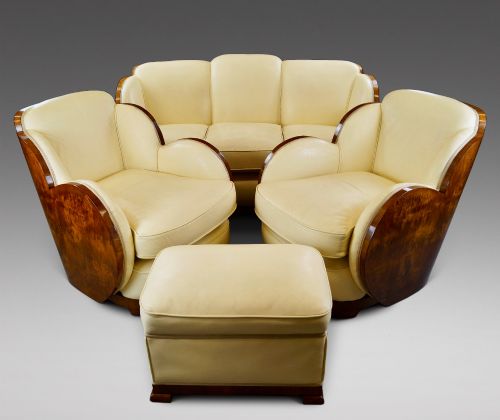
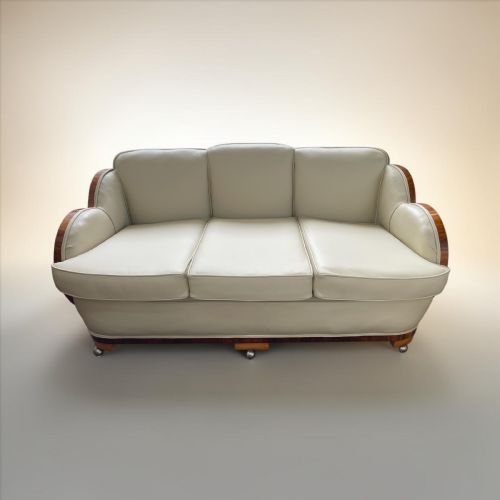
Epstein cloud furniture represents striking 1930 Art Deco design that brings sculptural presence and statement seating to any interior.
Epstein Cloud Furniture
Epstein cloud furniture embodies the dramatic, rounded forms of the 1930 Art Deco movement through lounge suites, sofas, and side chairs. These pieces offer deep, enveloping seating profiles designed to anchor a room with substantial presence.
Buyers encounter distinct forms ranging from large three-seater sofas to dining suites, sideboards, cocktail cabinets, and dressing tables. The side chairs and sideboards translate the signature volumetric curves into cabinetwork and dining furniture.
Originating from the 1930 period, these pieces demonstrate the quintessential British interpretation of Art Deco luxury. The selection on this page centres firmly on these robustly upholstered seating designs and matching walnut cabinetry.
How Epstein cloud furniture was made
Makers utilised rich burr walnut and walnut veneer applied over sturdy wooden frames to achieve the sweeping, curved silhouettes characteristic of the style. Glass and brass details frequently complement the polished wood surfaces on tables and storage pieces.
Upholstered items like sofas and side chairs combined traditional sprung interiors with deep leather coverings to create the plump, cloud-like contours. Bakelite elements occasionally appear in smaller fittings, reflecting the modern material palette of the thirties.
Listings span exclusively across the 1930 period, featuring walnut, burr walnut, leather, glass, and brass.
What varies in quality
The sophistication of the burr walnut figuring determines the visual impact of the cabinet pieces, with symmetrical grain patterns commanding greater attention. Exceptional pieces maintain crisp transitions between the upholstered cushions and the exposed wooden framing.
The integrity of the internal joinery and the resilience of the original leather upholstery separate standard production from superior examples. Finely executed veneer work ensures the curved surfaces retain a smooth, continuous reflection without distortion.
Harry and Lou Epstein
The Epstein Cloud Furniture Glossary
- Burr walnut
- A prized wood veneer harvested from tree growths, displaying intricate, swirling grain patterns. It provides the decorative surface finish on many 1930 cabinet pieces.
- Art Deco
- The dominant design style of the 1930s characterised by streamlined forms, geometric symmetry, and luxurious materials. This aesthetic defines the entire range of cloud furniture.
- Veneer
- A thin layer of superior wood applied over a stable secondary timber base. This technique allowed makers to display dramatic grain across curved furniture surfaces.
- Bakelite
- An early synthetic plastic utilised for small fittings and decorative accents. Its durable nature suited the modernist hardware of the period.
Epstein Cloud Furniture: Frequently Asked Questions
What is Epstein cloud furniture?
Epstein cloud furniture refers to 1930 Art Deco pieces defined by soft, rounded upholstery and flowing wooden curves. The style includes large sofas, lounge suites, and dining sets designed by Harry and Lou Epstein.
These pieces use generous proportions and deep cushioning to create a distinctive silhouette. They represent a pinnacle of British Art Deco interior design.
How do I identify a genuine piece?
Authentic pieces date from the 1930 period and feature characteristic forms such as volumetric sofas and burr walnut cabinetry. Attribution often points directly to the workshop of Harry and Lou Epstein.
Examine the construction for period materials like walnut veneer, leather, and brass. The combination of sweeping upholstered curves and high-gloss wood finishes is key to the design.
How do I care for walnut veneer?
Walnut veneer requires protection from direct sunlight and excessive moisture to prevent fading and warping. Regular dusting with a soft, dry cloth preserves the polished finish.
Avoid placing hot items directly on the wooden surfaces of sideboards or tables. Occasional treatment with appropriate furniture wax maintains the depth of the grain.
Where were these pieces used?
These striking items were designed for sophisticated interwar reception rooms, dining spaces, and bedrooms. Lounge suites and cocktail cabinets served as focal points for entertaining guests.
Dressing tables and bedside cabinets brought the same sculptural elegance into private spaces. Their substantial scale suited the spacious interiors of the 1930s.