
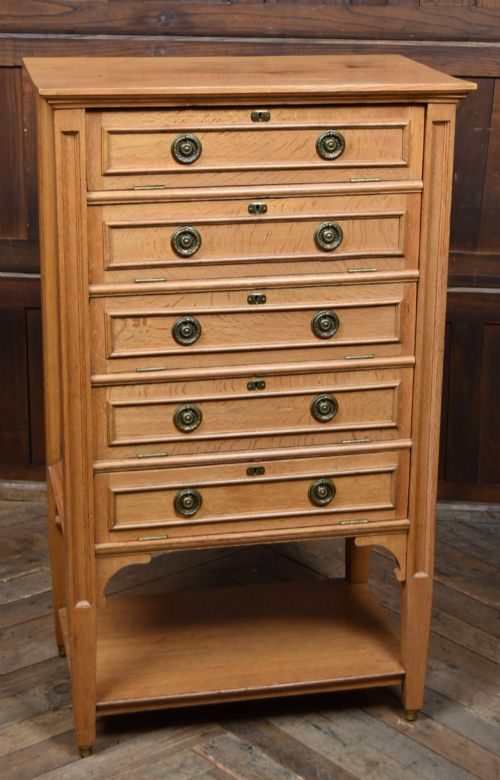
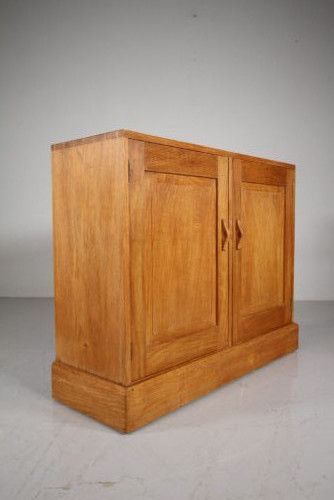
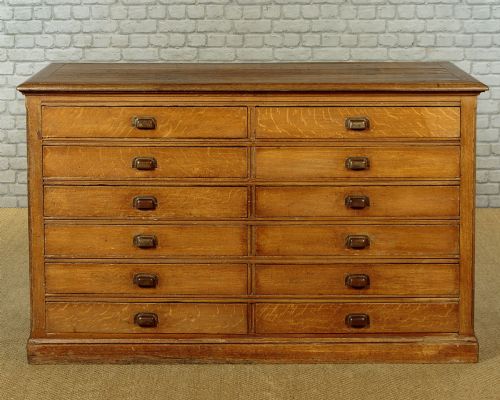
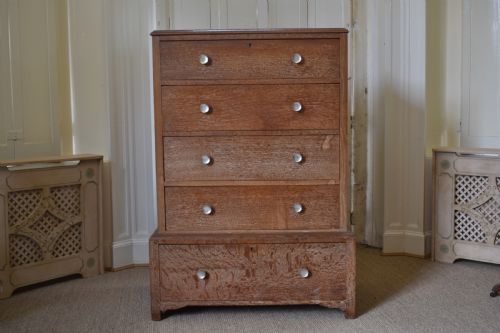

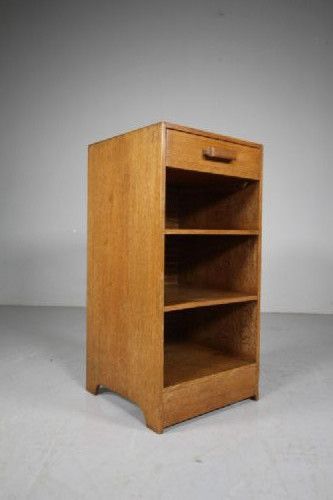
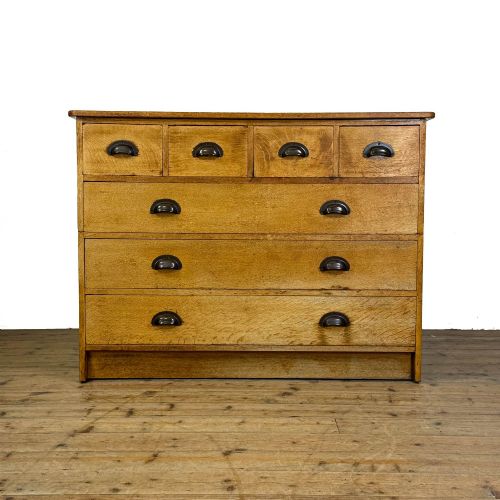


Light Oak Storage Cabinet
A light oak storage cabinet brings warmth and useful organisation to a room without darkening the corner.
Light Oak Storage Cabinet
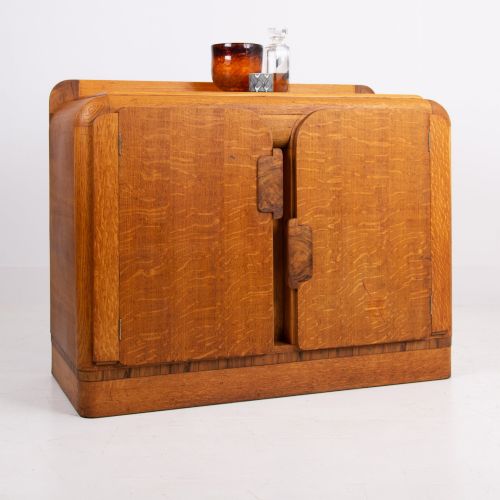
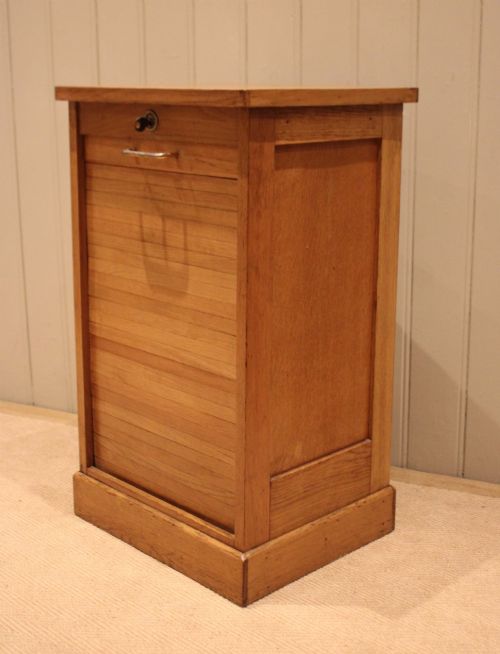
A light oak storage cabinet provides practical storage through a variety of forms including filing cabinets, sideboards, cupboards, and chests of drawers. You will frequently meet pieces dating from the Edwardian period through to the 1930s, alongside nineteenth-century examples.
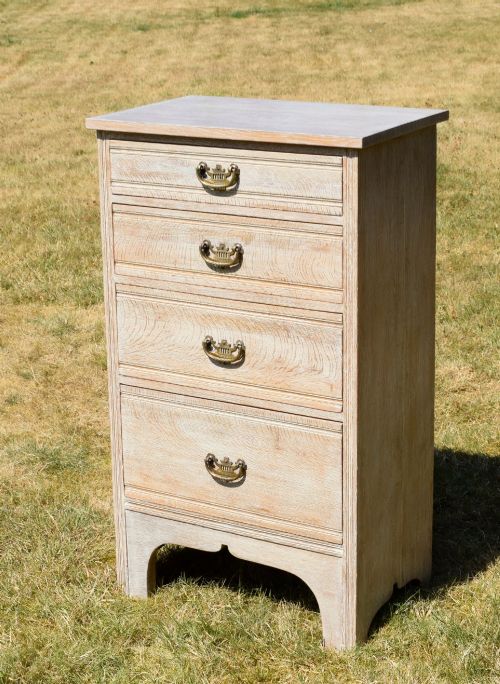
The selection ranges from small bedside cabinets and tall chests to large plan chests and French provincial cupboards. These items serve everyday storage needs while displaying the varied grain and pale tone characteristic of light, limed, bleached, or golden oak.
How they were made
Cabinet makers utilised solid oak and applied finishes such as liming and bleaching to achieve the characteristic pale appearance seen across Edwardian, Art Deco, and 1930s pieces. Construction often incorporates traditional joinery alongside functional brass or metal hardware.
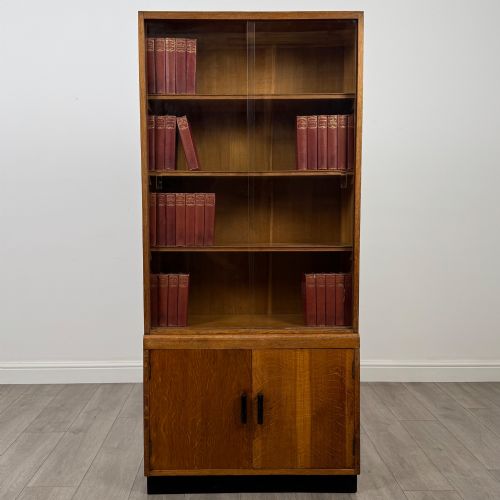
Glass panels appear in display cabinets and bookcases, while robust wrought iron details reinforce heavy cupboards and safes. The combination of sturdy timber and metal fittings ensures durable construction across filing cabinets and sideboards.
One exceptional nineteenth-century cabinet was cleverly fashioned directly from a closed wooden bed front in rural Brittany.
What varies in quality
The standard of a light oak storage cabinet rests upon the refinement of its proportions, the selection of the timber grain, and the integrity of its period construction. Pieces originating from known workshops or specific design movements often display greater attention to detail in their hardware and joinery.
Finer examples maintain harmonious lines across larger forms like banks of drawers and sideboards, whereas simpler utility items prioritise straightforward function. The subtlety of the limed or bleached finish also contributes to the visual appeal of the piece.
Gomme·Heals of London
The Light Oak Storage Cabinet Glossary
- Limed oak
- Timber treated with a specialised finish that leaves a whitish pigment in the grain. This technique highlights the porous texture of the wood.
- Plan chest
- A wide, shallow multi-drawer cabinet designed originally for storing architectural plans or maps. They provide generous flat storage.
- Arts and Crafts
- A design movement valuing handcraftsmanship and simple forms over mass production. Pieces from this tradition emphasise honest construction.
- Sideboard
- A long piece of furniture featuring cupboards and drawers used traditionally for storage in dining areas. They often include decorative carving or mirror backs.
- Cotswold School
- An English craft movement associated with traditional woodworking techniques. Pieces reflect a sturdy and unpretentious aesthetic.
Light Oak Storage Cabinet: Frequently Asked Questions
How do I date a light oak cabinet?
Dating relies on observing stylistic markers such as Edwardian proportions, Art Deco geometric lines, or 1930s modernist simplicity. Construction methods and hardware types also offer clear chronological clues.
Examining the specific timber finish, whether limed, bleached, or golden, helps place the piece within its manufacturing era.
Where should I place a storage cabinet?
These cabinets suit living rooms, studies, and hallways where both surface display and concealed storage prove useful. Smaller bedside versions fit compact bedroom spaces.
Larger sideboards and plan chests require adequate floor space to let their proportions breathe without crowding the room.
Are limed oak finishes original?
Many period pieces from the early twentieth century feature limed or bleached oak treatments applied by makers to lighten heavy timber. The presence of these finishes corresponds with Arts and Crafts and 1930s design trends.
Careful inspection of the wood surface reveals how the pigment settles naturally into the grain over decades of age.
How do I clean light oak furniture?
Maintain the pale tone of the timber using a dry or slightly damp cloth without harsh chemical polishes. Regular dusting prevents particle buildup in the grain.
Protect the surface from excessive moisture and direct sunlight to preserve the original limed or bleached finish.