
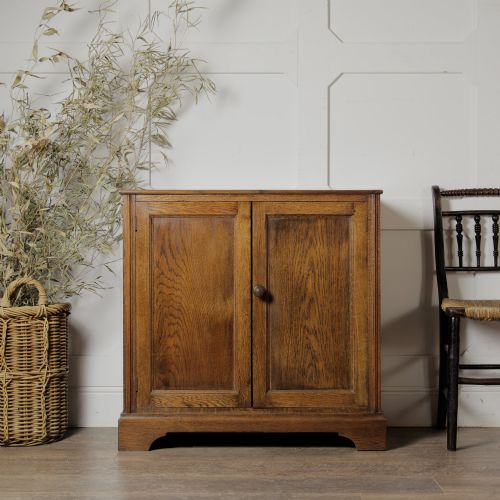
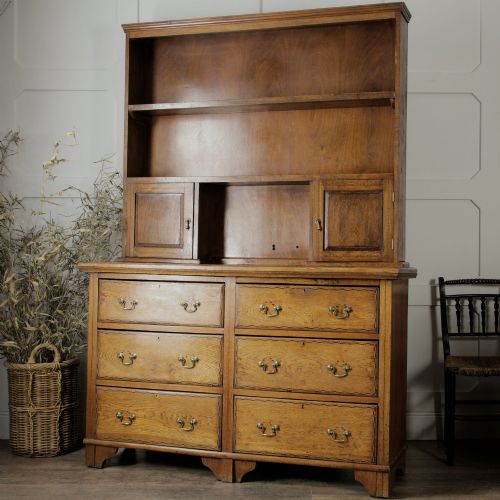
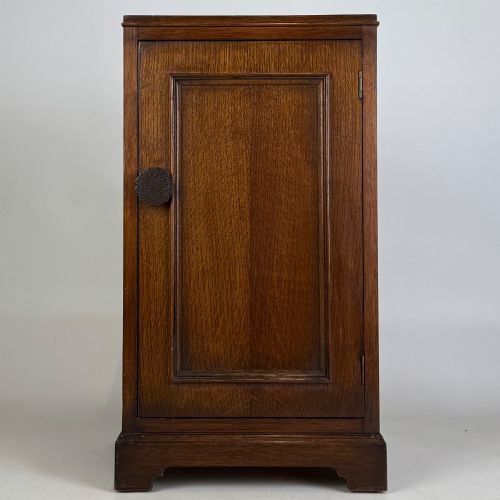
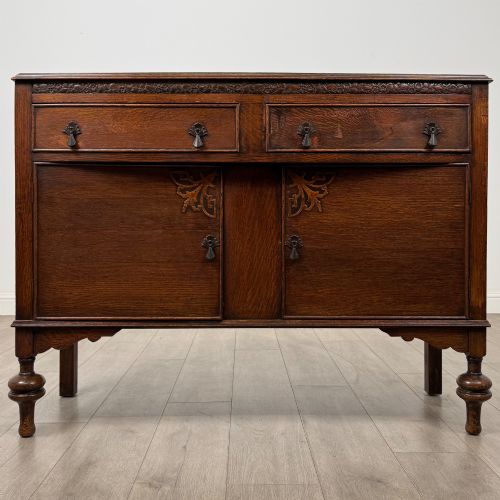
Arts Crafts Storage Cabinet
An arts crafts storage cabinet brings honest construction and utility into daily life, offering sturdy storage across periods like the Edwardian era and 1930s.
Arts Crafts Storage Cabinet
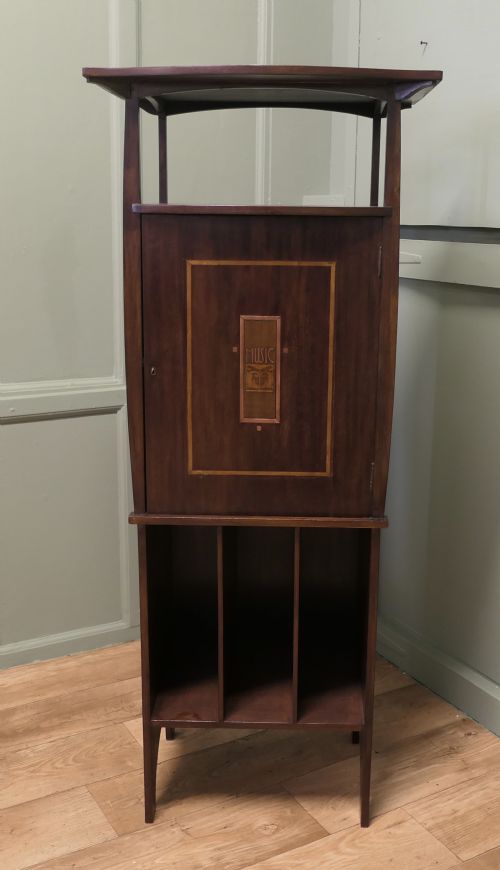
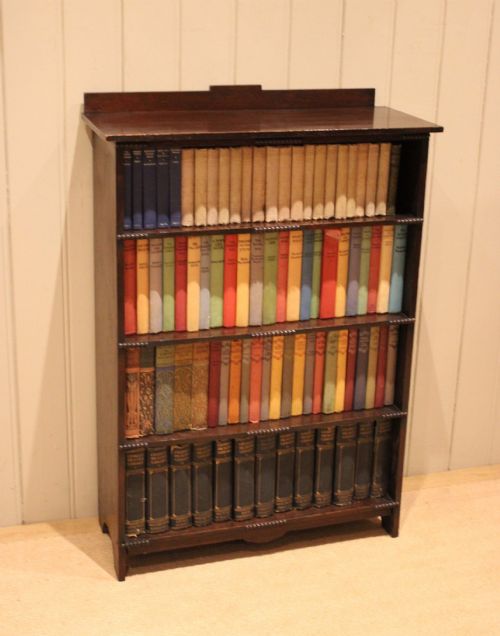
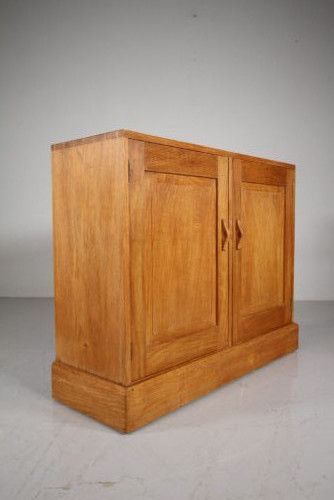
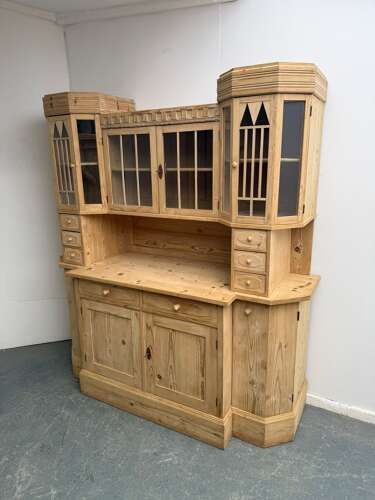
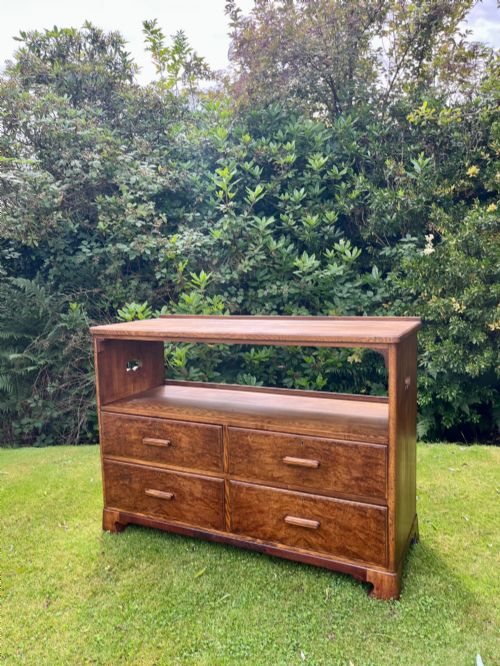
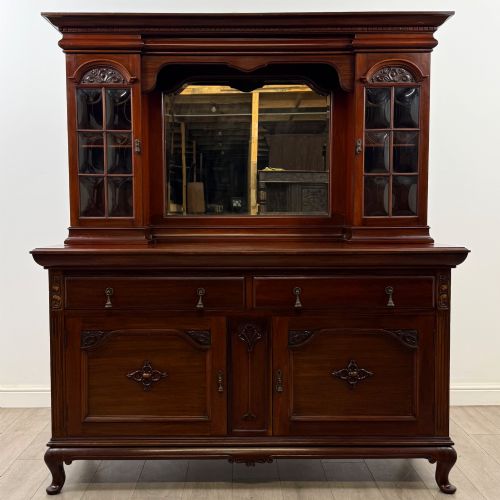
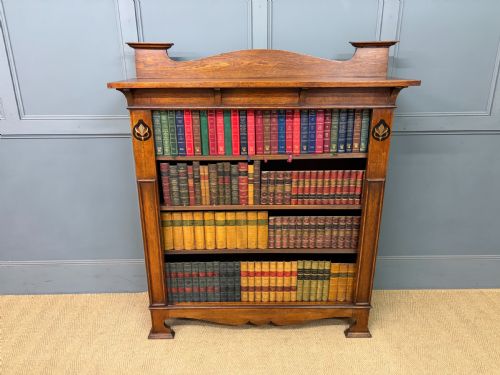
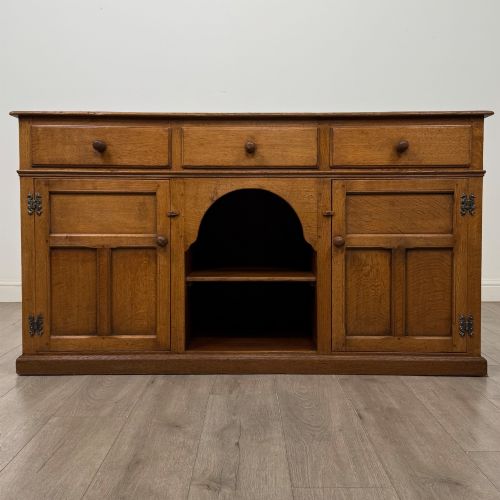
When someone hunts for an arts crafts storage cabinet, they encounter a diverse array of utilitarian furniture designed with simplicity and function at the fore. These pieces span utility forms such as cupboards, dressers, sideboards, bookcases, and music cabinets originating from the Victorian period through to the 1930s.
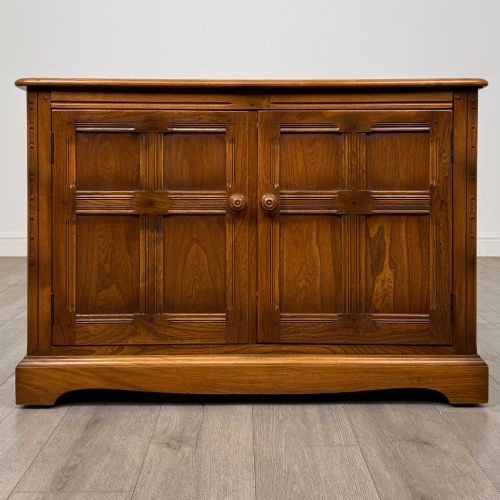
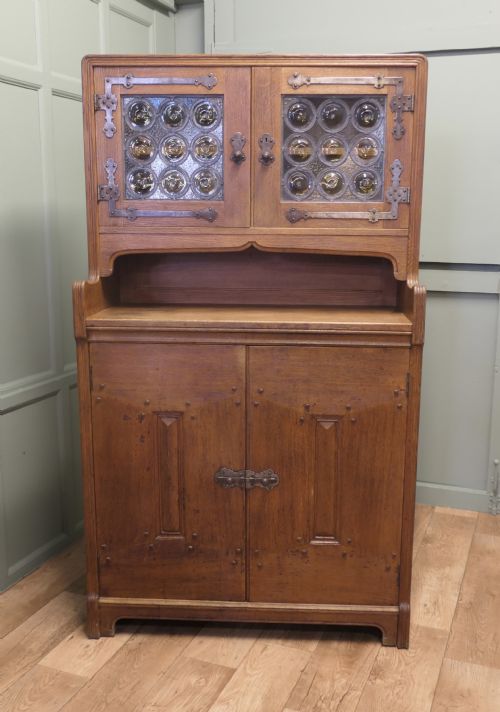
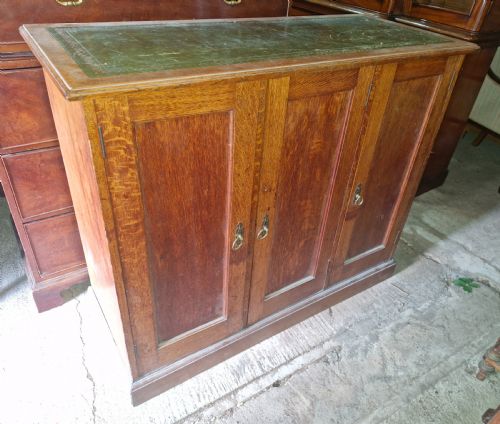
The version most commonly met on this page is constructed from solid oak, reflecting the dominant material choice of the Arts and Crafts movement and Edwardian makers. Alongside oak, examples surface in pine, mahogany, walnut, teak, and elm, taking shapes from low cupboards to tall wardrobes and specialised display units.
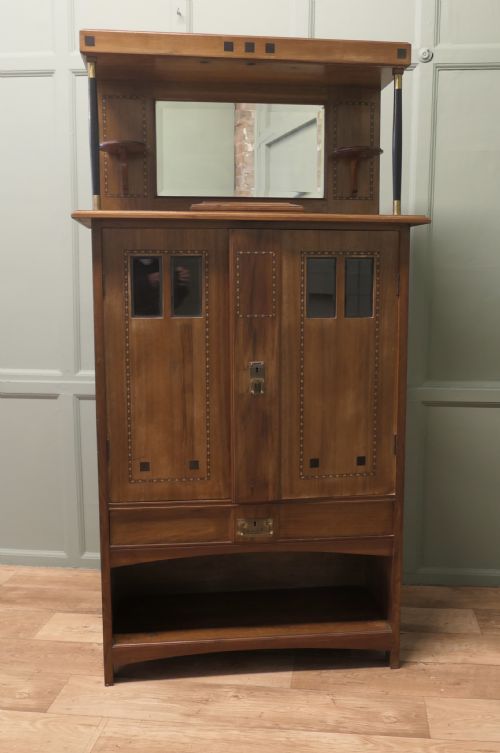
Makers and designers working in this idiom ranged from Cotswold School craftsmen to major firms like JS Henry, Whytock and Reid, and Heal's. Pieces often incorporate regional characteristics, such as Scottish design influences or Cotswold traditions, bridging domestic utility with distinct stylistic movements like Secessionist and Art Nouveau.
Materials and construction methods
Makers relied heavily on solid oak, golden oak, and honey oak, complemented by secondary timbers like pine and mahogany, utilising visible grain and sturdy joinery rather than excessive ornamentation. Metalwork details in brass and iron appear on hinges, handles, and pulls, adding functional integrity to doors and drawers.
Glazed panels, tiled surfaces, and carved elements introduce texture and visual interest to storage pieces like bookcases, dressers, and tile-top cabinets. Waxed and polished finishes protect the wood while highlighting natural properties, maintaining the unpretentious ethos central to the style.
Listings feature oak, mahogany, walnut, pine, teak, and elm across periods spanning the Victorian era, Edwardian years, and the 1930s.
Assessing craftsmanship and execution
Quality in these cabinets rests upon the selection of timber, such as choice golden or solid oak, and the integrity of the joinery employed by the workshop or maker. Pieces bearing stamps from notable figures like Peter Waals or attributed to specific designers display superior hand-detailing and thoughtful proportion.
GM Elwood·JS Henry·Whytock and Reid·Peter Waals·Heal s
The Arts Crafts Storage Cabinet Glossary
- Cotswold School
- A design movement rooted in the Arts and Crafts philosophy emphasising hand-craftsmanship and vernacular traditions. Furniture from this circle typically highlights honest joinery and local materials.
- Dresser Base
- The lower portion of a kitchen or dining dresser, often featuring cupboards and drawers beneath a flat top surface. These serve as versatile sideboards or storage units.
- Tile-Top Cabinet
- A storage piece incorporating ceramic tiles into the upper surface or door panels, frequently seen in Arts and Crafts execution. The tiles introduce colour and heat resistance to domestic utility furniture.
- Haberdashery Cabinet
- A multi-drawer unit originally utilised in retail shops for storing small items of clothing or sewing supplies. Collectors value them for organising modern belongings.
Arts Crafts Storage Cabinet: Frequently Asked Questions
What defines an arts crafts storage cabinet?
These cabinets are defined by unpretentious utility, sturdy construction, and materials like solid oak, drawing on design philosophies from the late nineteenth and early twentieth centuries.
They prioritize functional storage through cupboards, drawers, and shelving while maintaining the aesthetic integrity of the Arts and Crafts movement.
How do I date an oak storage cabinet?
Dating relies on observing stylistic markers, hardware, and construction methods associated with periods from Victorian times through the 1930s.
Details like Secessionist influences, Cotswold School craftsmanship, or specific stamps help place pieces within eras such as the Edwardian period or the interwar years.
Where were these cabinets used in the home?
They served multiple domestic roles across rooms, functioning as kitchen dressers, hallway wardrobes, bedside cupboards, and living room bookcases.
Their adaptable storage designs made them suitable for organising everything from books and linens to tableware and clothing.
How do I care for a waxed oak cabinet?
Maintaining these pieces involves regular dusting with a soft cloth and occasional application of appropriate beeswax to nourish the timber.
Avoiding direct sunlight and excessive moisture preserves the original waxed or polished finish applied by the maker.