
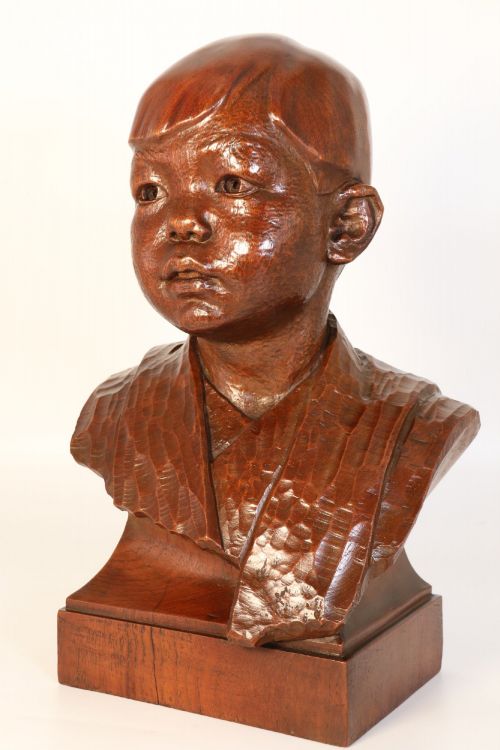

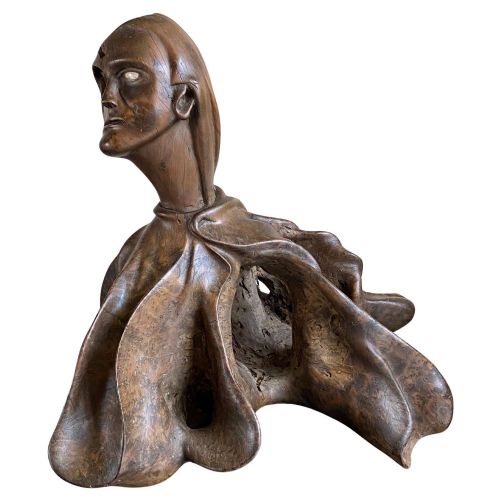


Life Size Wooden Sculpture
These life size wooden sculpture pieces bring striking human, animal and figurative presence directly into a room.
Life Size Wooden Sculpture
When you search for life size wooden sculpture, you encounter substantial figures carved from timber, ranging from religious statuary to secular busts and animals. The selection spans the eighteenth, nineteenth and early twentieth centuries, encompassing European folk art, continental baroque and modernist forms.
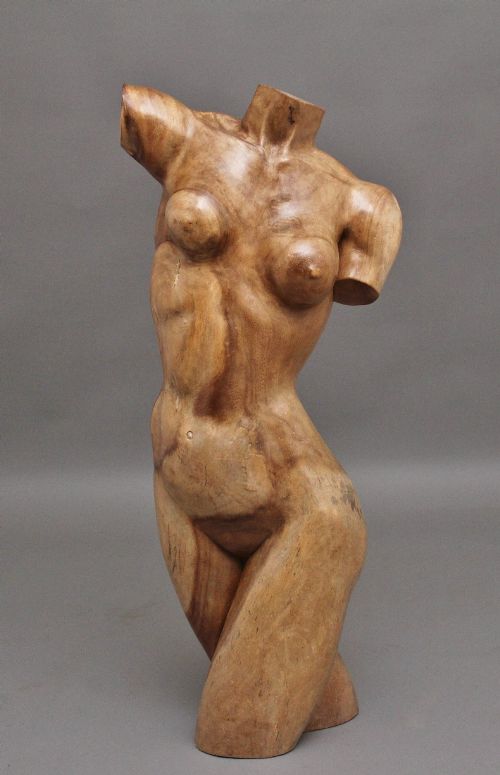
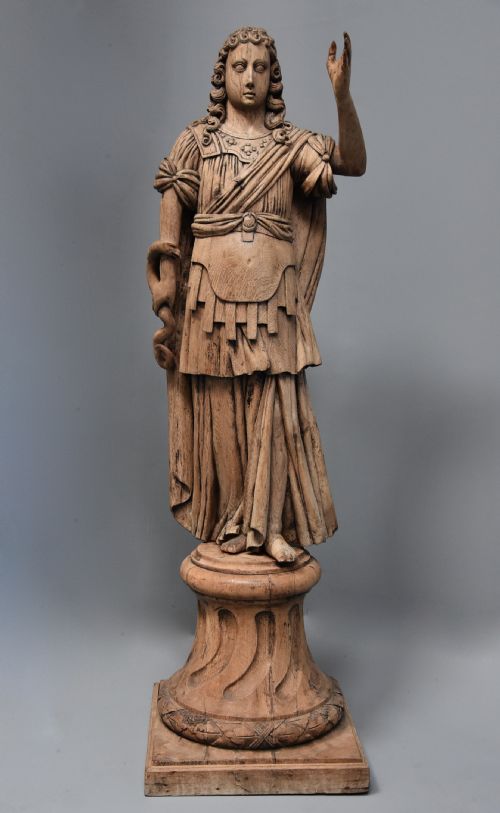
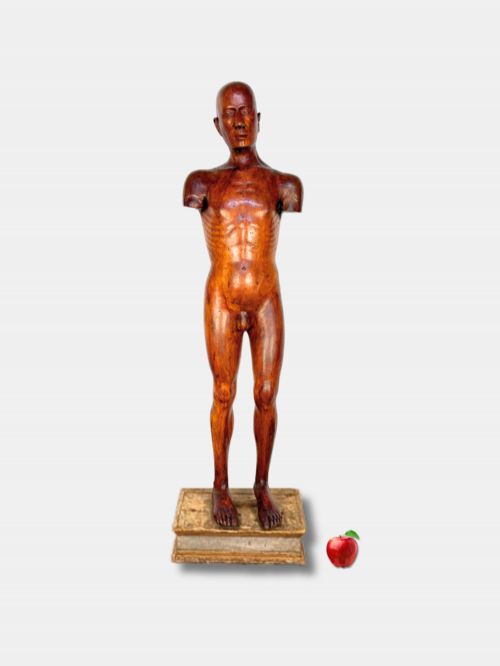
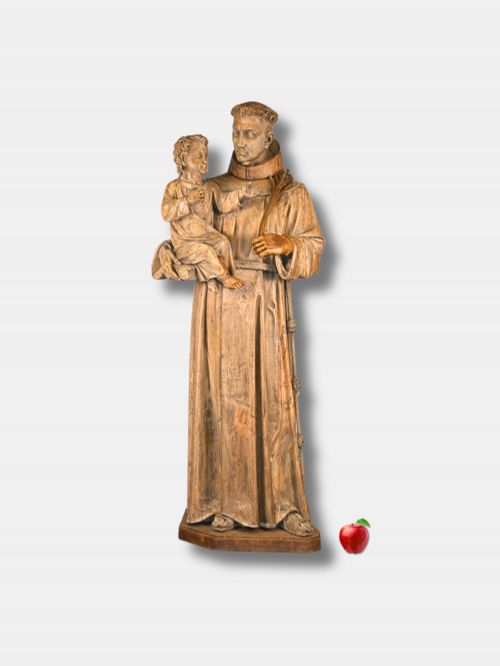
The most common examples on this page include religious figures such as saints and Christ pieces, alongside animal carvings like lions, goats and horses. Human forms appear as female torsos, male figures and portrait busts rendered in various woods.
How they were made
Carvers shaped these works using solid timbers such as oak, walnut, hardwood and yew burr, occasionally applying surface paint or incorporating bone inlay. Master artisans worked the grain directly, utilising chisels and gouges to define musculature, drapery and facial expressions.
Some animal and figurative models combine carved structural elements with specialised materials, including leather over a supportive core, reflecting the specific demands of the maker and period.
A life-size carved wooden goat from the nineteenth century stands ready to enliven any unexpected corner of your home.
What varies in quality
The distinction between ordinary and exceptional carving lies in the anatomical precision, the depth of relief and the vitality of the pose. Finer examples display confident toolwork that captures gesture and texture without stiffness.
Surface preservation also dictates worth, as original paint layers, rich patina on bare timber and untouched patination elevate a piece above later interventions or stripped surfaces.
George Henry Paulin RBS
The Life Size Wooden Sculpture Glossary
- Santos
- A carved religious figure, often representing a saint or Christ, traditionally utilised in devotional contexts.
- Yew Burr
- A knotted, highly figured wood growth prized by turners and carvers for complex grain patterns.
- Folk Art
- Utilitarian or decorative objects made by self-taught or provincial artisans, prioritising direct expression over academic convention.
- Italian Baroque
- A theatrical, highly ornate artistic style originating in seventeenth-century Italy, characterised by dynamic movement and dramatic emotional intensity.
- Arts and Crafts
- A design movement valuing traditional craftsmanship, natural materials and medieval guild structures over industrial production.
Life Size Wooden Sculpture: Frequently Asked Questions
How do I display a life size wooden sculpture?
These sculptures require sturdy placement due to their scale and weight. Floor-standing figures and animals suit open corners or entryways, while busts and torsos benefit from solid pedestals or low tables.
Keep them away from direct heat sources and dramatic humidity fluctuations to protect the timber and any historic paint surfaces.
What woods were used for these sculptures?
Carvers utilised local and imported timbers depending on availability and the intended finish. Oak and walnut appear frequently in eighteenth and nineteenth-century continental and British pieces, providing strength for large figures.
Alternative materials like yew burr and mixed hardwoods offer distinct grain patterns and colour variations that influence the final appearance of the sculpture.
How do I date a wooden sculpture?
Dating relies on stylistic clues, tool marks and the condition of the wood and surface finishes. Eighteenth-century pieces often display continental baroque or religious iconographic traits, whereas early twentieth-century works lean towards modernism or folk art.
Examining the underside, joints and fixings provides further evidence of the period of manufacture.
Were all these pieces originally painted?
Surface treatments varied widely according to origin and function. Religious statuary often received gesso and polychrome paint to enhance realism, while folk art and decorative figures were frequently left as exposed timber.
Over the centuries, some painted surfaces were stripped or overpainted, making the remaining trace evidence significant for attribution.