


Lidded Incense Burner
A lidded incense burner is a vessel designed to hold aromatic materials, bringing tactile history and ritual scent into a room.
Lidded Incense Burner
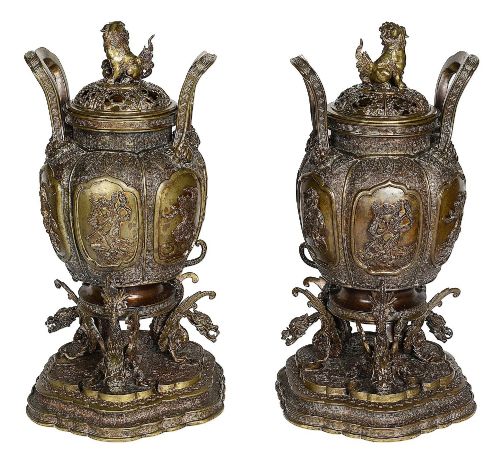
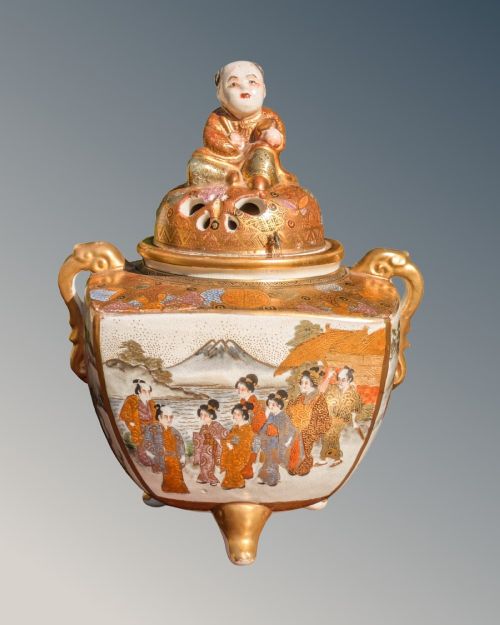
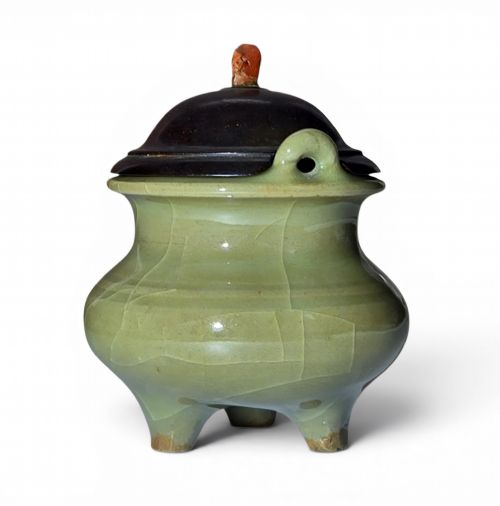
A lidded incense burner takes many physical forms, from tripod censers and decorative vessels to miniature koro and pomanders. Buyers hunting for a lidded incense burner will encounter varied expressions spanning Chinese dynasties and Japanese Meiji periods.
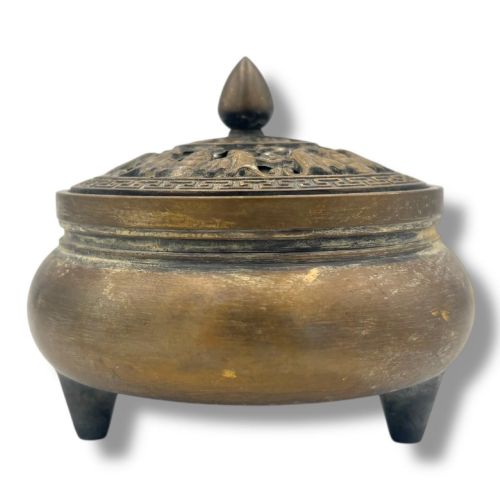
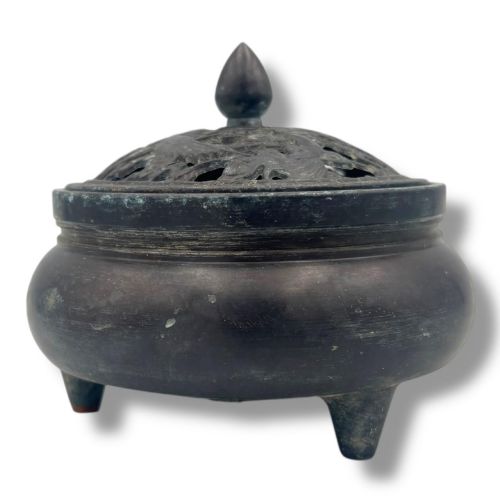
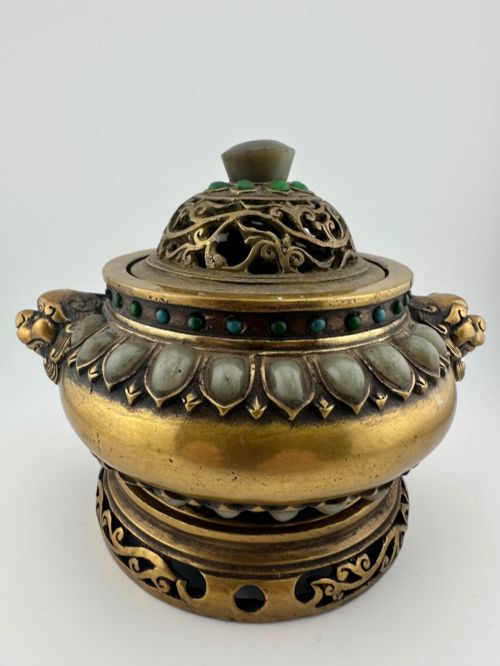
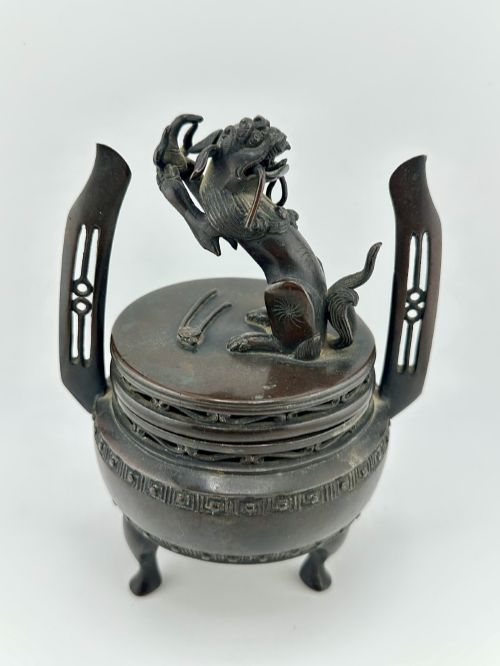
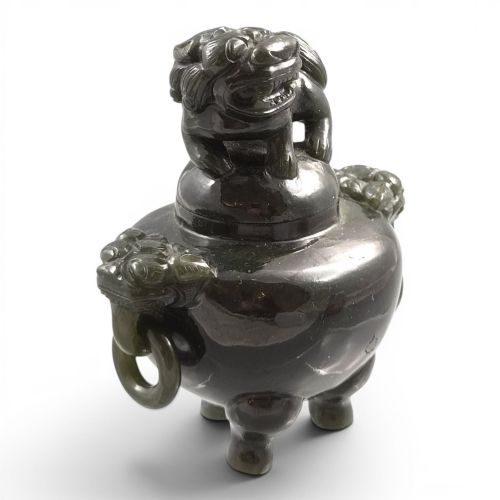
The objects listed display substantial material variety, predominantly featuring bronze, brass, earthenware, porcelain, enamel, and hardstone such as jade. These vessels serve both decorative and functional purposes, often detailed with pierced lids, qilin finials, or foo dogs.
Chinese bronzes bearing Xuande marks sit alongside Japanese Satsuma earthenware and Imari porcelain. This mix reflects international trade and craftsmanship across centuries, from the Ming dynasty to Edwardian interpretations.
Assessing quality
Quality rests upon the crispness of the casting in bronze and brass vessels, where fine details on dragons, phoenixes, or lotus motifs remain sharp and well-defined. Heavier pieces often show greater substance in their construction.
For ceramic and cloisonné examples, the precision of the enamel work, the delicacy of the porcelain body, and the harmony of bespoke wooden stands determine distinction. The integration of the lid with the vessel body dictates the overall cohesion of the piece.
Listings feature items spanning the 17th century to the Edwardian period, utilising bronze, jade, porcelain, and enamel.
Chamberlain Worcester·Kotobuki do
The Lidded Incense Burner Glossary
- Censer
- A vessel used for burning incense. These often feature tripod legs and pierced covers to release smoke.
- Koro
- A Japanese term for an incense burner, typically comprising a body, a lid, and frequently three feet.
- Cloisonne
- An enamelwork technique where metal wires form compartments on a metallic base, which are then filled with paste and fired.
- Tripod
- A vessel supported by three feet, commonly seen on bronze and ceramic censers.
- Finial
- A decorative ornament fixed to the top of a lid, such as a qilin or foo dog.
Lidded Incense Burner: Frequently Asked Questions
How were lidded incense burners used originally?
These vessels burned aromatic resins, woods, or powders during domestic rituals, scholarly gatherings, or temple ceremonies. The pierced lids allowed scented smoke to diffuse evenly throughout the space.
Over time, they also functioned as ornamental display pieces in both Asian and European interiors, prized for their sculptural qualities and exotic materials.
How do I distinguish Chinese and Japanese examples?
Chinese pieces frequently utilise cast bronze, cloisonné enamel, and motifs like dragons, lotus patterns, or archaic vessel forms. Many bear retrospective dynasty marks such as Xuande.
Japanese examples often take the form of a koro in Satsuma earthenware, Imari porcelain, or patinated bronze combined with silver, reflecting Meiji period aesthetics.
How should I clean a bronze incense burner?
Bronze vessels generally require only a gentle dusting with a soft, dry cloth to preserve their natural patina and age. Avoid using liquid polishes or abrasive cleaners, which can strip away historic surfaces.
If the interior retains old incense residue, leave it undisturbed as it forms part of the object's working history.
Are bronze incense burners heavy?
Bronze and brass censers vary significantly in weight depending on their size and casting thickness, with some substantial examples weighing several kilograms. Miniature versions, by contrast, are light and easily held in the palm of the hand.
Solid construction usually indicates a sturdier vessel designed for stable placement on a table or altar.