

Library Display Books
Library display books bring period elegance and practical storage to a room, spanning open bookcases to complete sets of vellum-covered plays.
Library Display Books
Library display books encompass a range of antique storage items and complete book sets designed to house literature while enhancing a room. When you search for library display books, you encounter open bookcases, revolving shelves, and multi-volume sets.
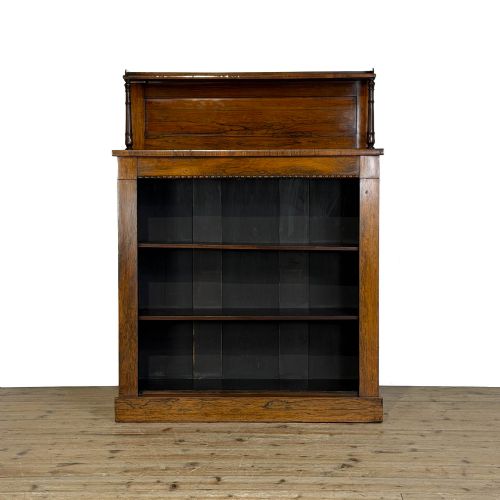
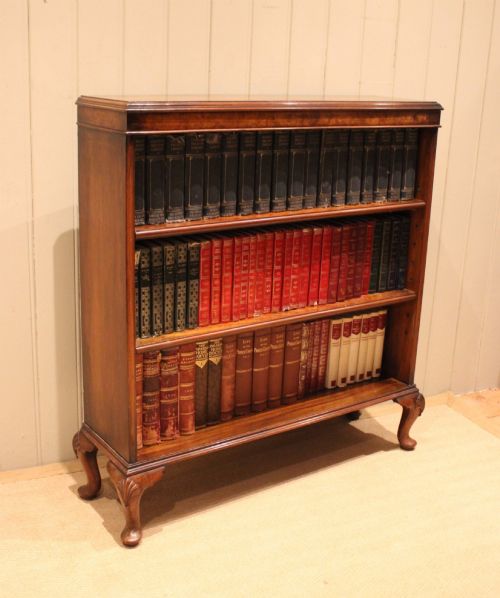
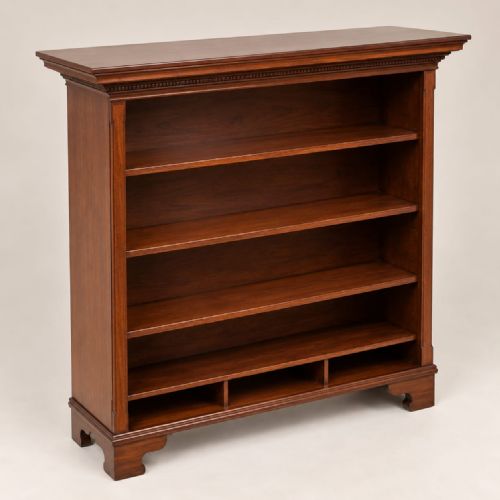
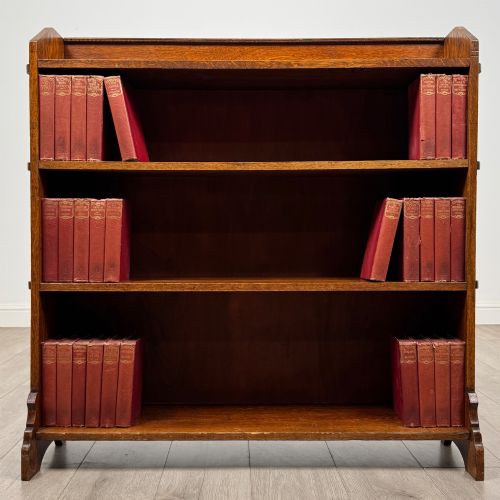
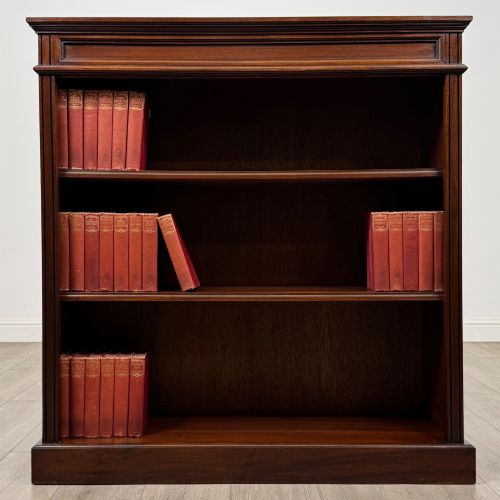
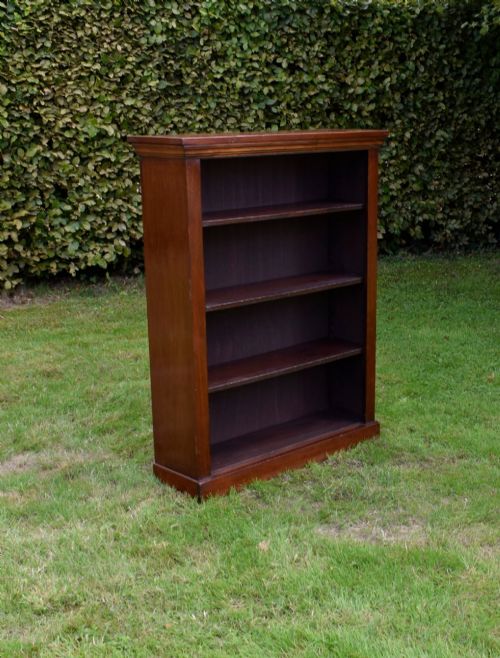
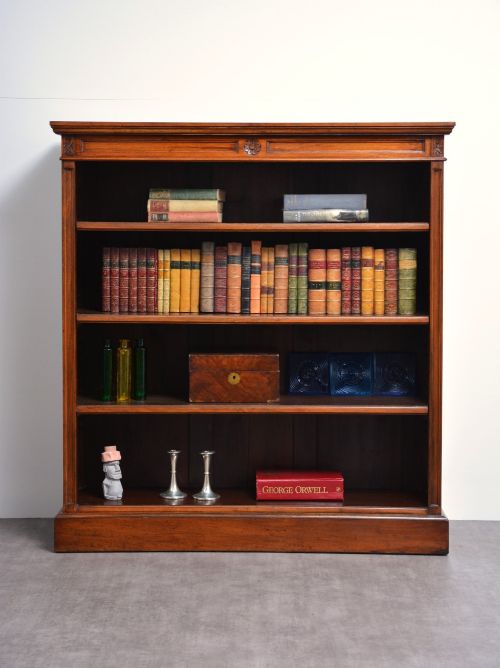
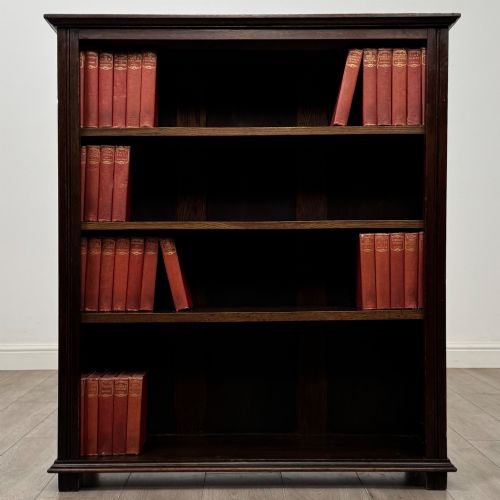
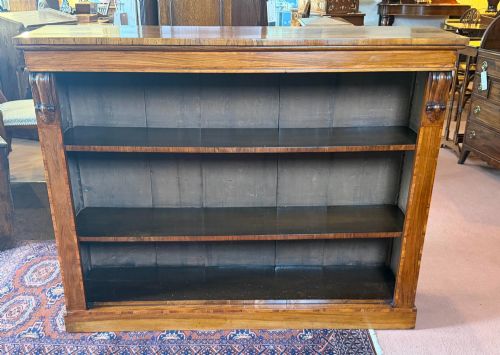
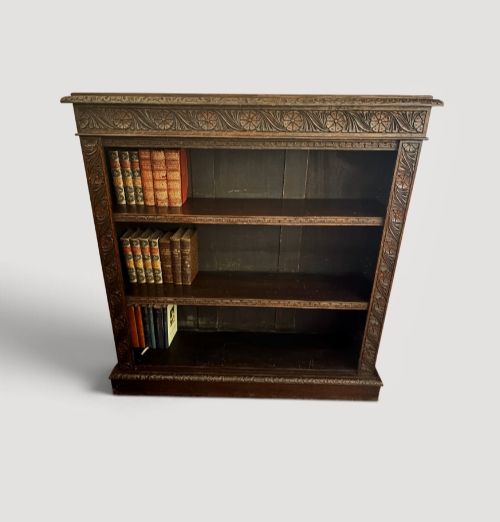
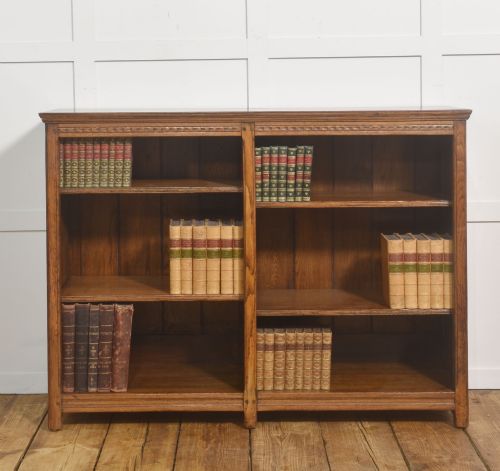
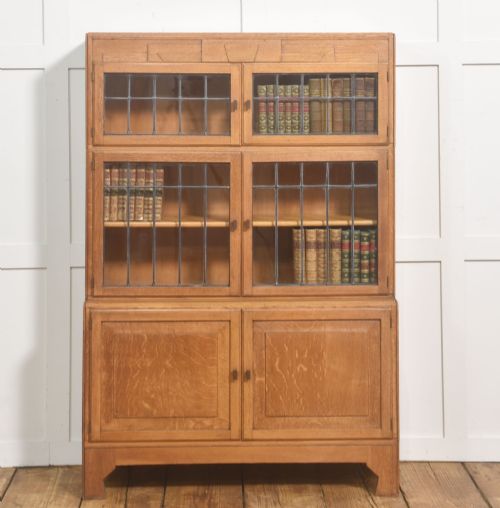
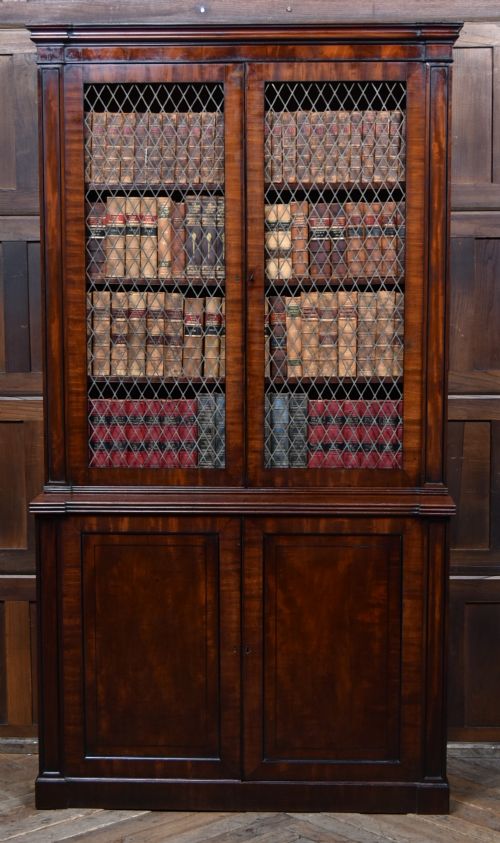
The pieces on this page lean heavily towards nineteenth-century and early twentieth-century examples in mahogany, oak, and walnut. Open bookcases with adjustable shelves appear frequently alongside glazed cabinets and tiered stands.
Earlier pieces from the Georgian, Regency, and William IV periods stand alongside Edwardian and later variations. Makers and workshops of the nineteenth century favoured substantial timbers and modular breakfront configurations.
How they were made
Cabinet makers utilised dense hardwoods such as mahogany, oak, walnut, and rosewood for structural integrity and longevity. Veneers, including burr walnut and walnut veneer, added visual depth to drawer fronts and large cabinet doors.
Brass fittings, such as hinges, handles, and shelf supports, complemented the timber grain. Glass panels in leaded or clear formats protected delicate volumes from dust while maintaining visibility.
Seventeenth-century espionage letters in eight volumes share shelf space with revolving oak bookcases and Victorian tea sets.
What varies in quality
The grade of timber and the complexity of the cabinetwork dictate the standing of a piece within its period. Figured veneers and intricate cross-banding distinguish higher-tier items from plain utilitarian shelving.
Mechanisms like adjustable shelf ratchets and revolving table joints demonstrate the precision of the original workshop. Structural proportions and the integration of classical revival styles shape the visual presence of each item.
The Library Display Books Glossary
- Breakfront
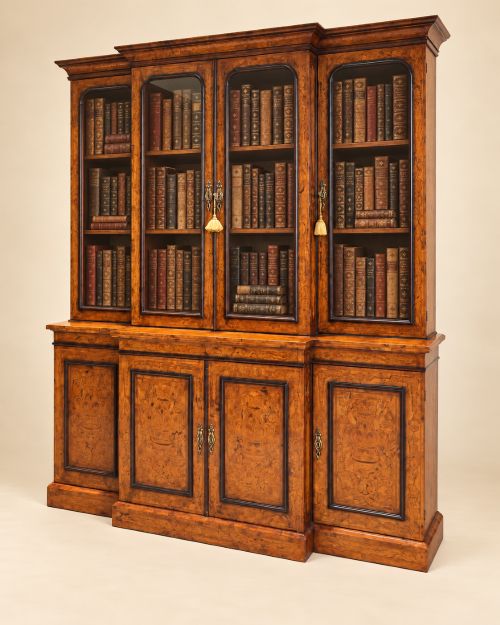
- A cabinet design where the central section projects forward from the flanking wings. This layout creates depth and visual rhythm in large library bookcases.
- Waterfall bookcase
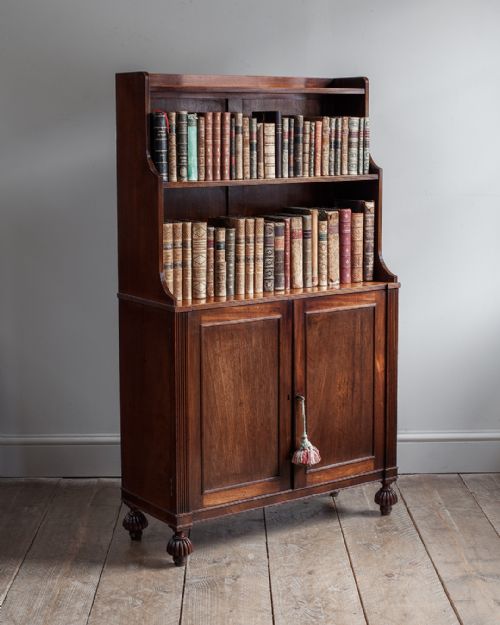
- A set of open shelves where each tier steps back progressively from the one below. These pieces offer a lighter profile than standard vertical bookcases.
- Revolving bookcase
- A freestanding small bookcase mounted on a rotating pivot base. This form allows easy access to volumes from multiple angles in a study.
- Vellum
- A fine parchment material prepared from calfskin, frequently utilised for historic book bindings. Sets covered in vellum provide a uniform aesthetic on open shelves.
- Adjustable shelves
- Shelving supported by movable wooden pegs, metal pins, or ratchets. This system permits the storage of books in varying heights.
Library Display Books: Frequently Asked Questions
How do I choose between open and glazed bookcases?
Open bookcases grant immediate access to volumes and work well for daily reading materials. They place the spine bindings and paper edges on display.
Glazed bookcases protect fragile antique texts from dust, light, and atmospheric changes. They suit delicate bindings and complete sets that require conservation.
Are adjustable shelves common in antique bookcases?
Many nineteenth-century and early twentieth-century bookcases incorporate adjustable shelving systems using wooden or brass supports. This feature accommodated varying book heights in private libraries.
Earlier pieces often relied on fixed shelves built directly into the carcass structure during initial assembly.
How do I care for antique book bindings?
Antique bindings require stable room humidity and protection from direct sunlight to prevent leather and vellum from drying out. Maintaining consistent environmental conditions preserves the integrity of historical texts.
Gentle dusting with a soft brush keeps surfaces clean without introducing moisture to the paper or covers.