

Leather Top Writing Bureau
A leather top writing bureau brings together centuries of fine cabinet-making and a practical, tactile writing surface for daily correspondence.
Leather Top Writing Bureau
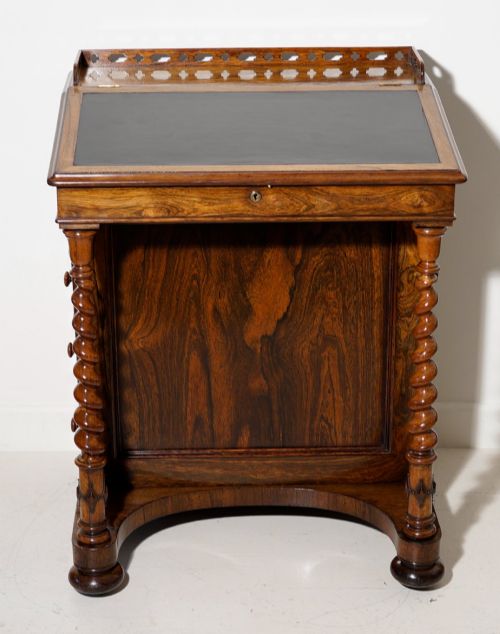
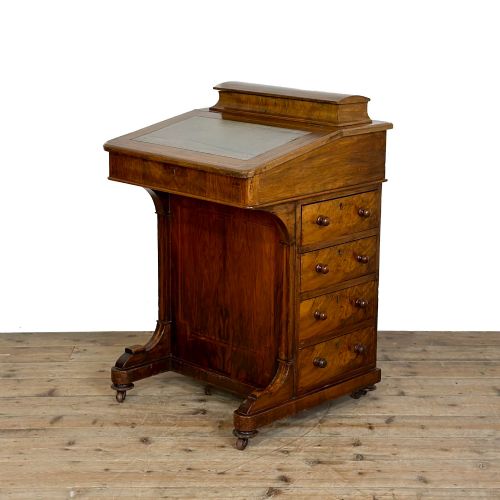
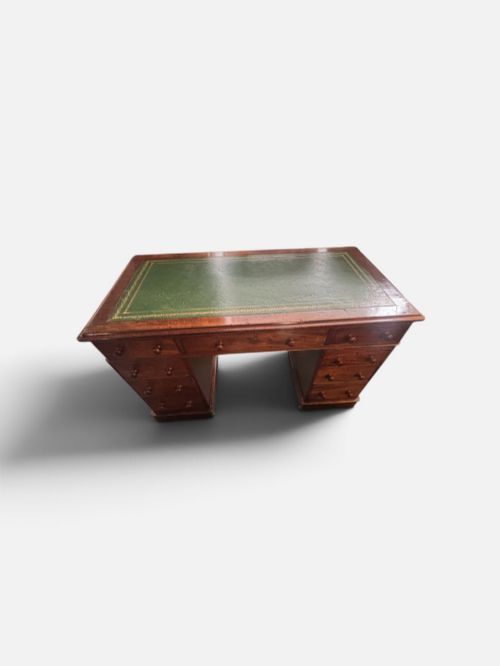
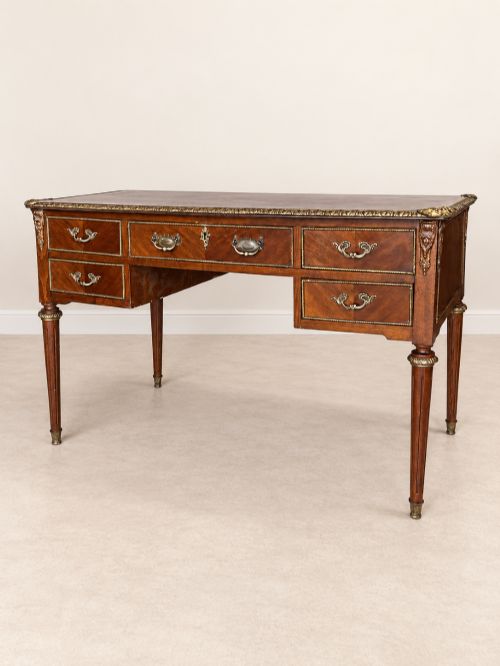
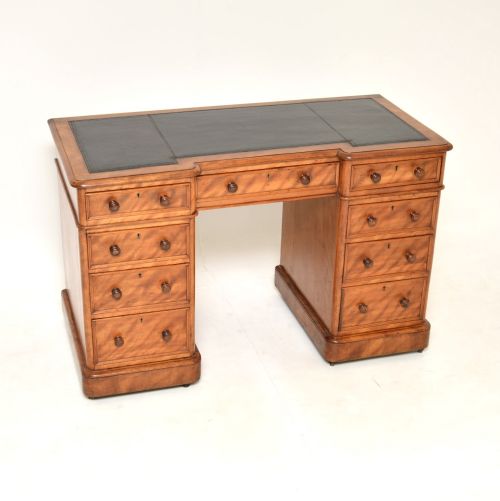
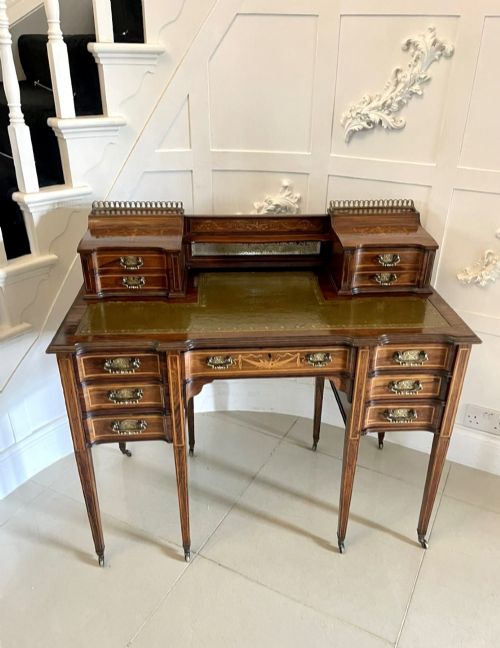
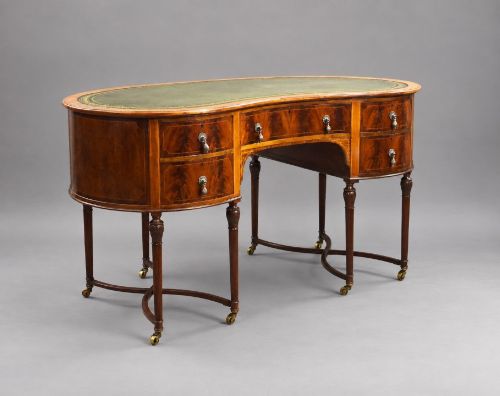
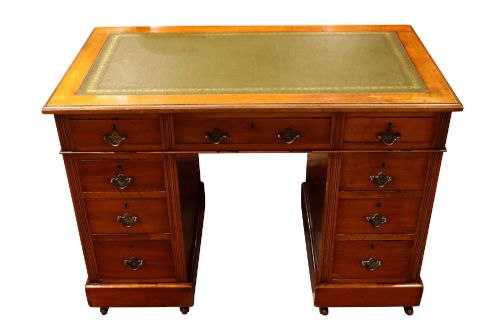
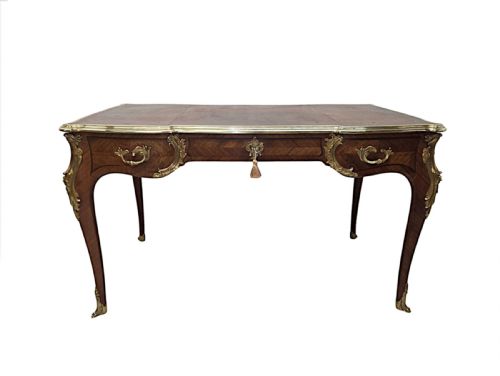
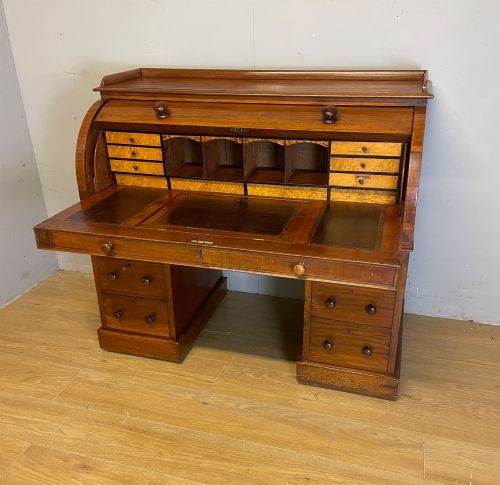
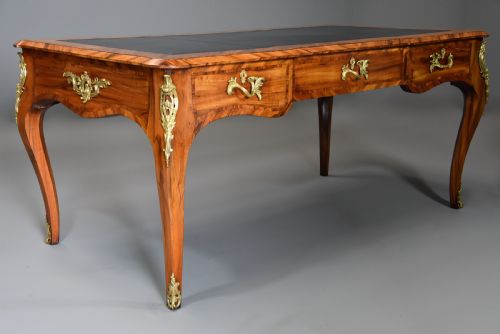
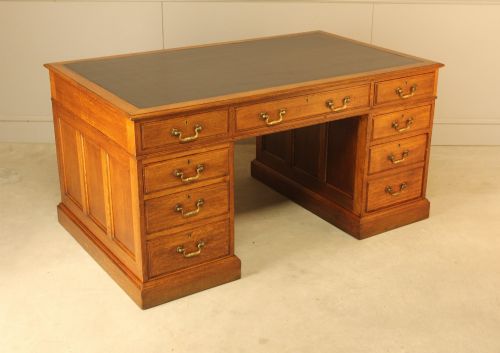
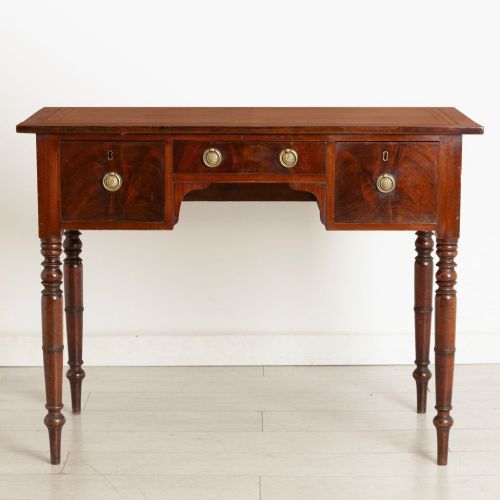
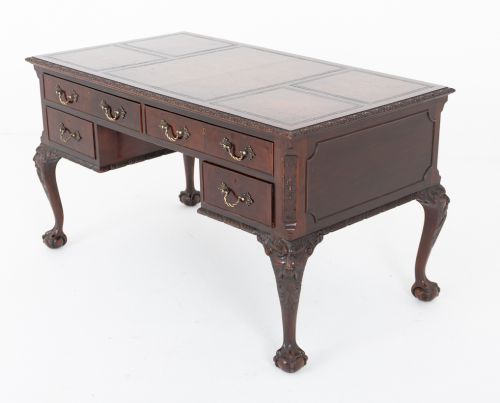
A leather top writing bureau covers a diverse range of forms, from pedestal desks and kneehole desks to Davenport desks, bureau plats, and Carlton house desks. These pieces span the nineteenth century, the Victorian and Edwardian eras, through to the nineteen-thirties, incorporating various revival styles alongside period originals.
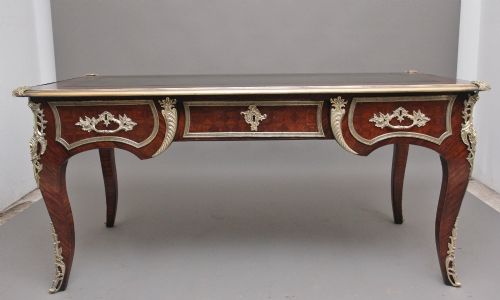
Pedestal and twin pedestal formats provide substantial workspace flanked by banks of drawers, while compact kneehole desks and kidney-shaped writing tables offer elegant proportions. Bureau plats and writing tables bring continental flair, frequently featuring intricate parquetry and mounts, whereas traditional English Davenport and cylinder desks utilise compact footprints for specialised storage.
Materials and Construction
Cabinet-makers utilised primary hardwoods such as mahogany, walnut, burr walnut, oak, satinwood, and kingwood, often enhanced by maple, amboyna, or goncalo alves veneers. Brass hardware, ormolu mounts, and hand-tooled leather writing surfaces complete the construction of these desks.
Joinery methods reflect the periods of manufacture, employing solid timbers alongside complex veneering techniques like parquetry and marquetry. Drawers typically feature hand-cut dovetails, while structural elements balance sturdy carcases with refined decorative flourishes.
Listings feature woods spanning mahogany, kingwood, walnut, and oak, alongside specialised French revival and Regency styles.
Distinctions in Execution
Quality rests in the selection of timber figures, such as flame mahogany or burr walnut, and the precision of inlaid details like boxwood stringing or marquetry panels. Superior examples display seamless veneer matching across drawer fronts and harmonious proportions that balance utility with decorative impact.
The sophistication of internal fittings, the weight and finish of cast brass or ormolu mounts, and the crispness of hand-tooling on the leather writing surface differentiate workshop standards. Maker attribution also plays a role, with documented pieces from renowned cabinet-makers demonstrating exceptional structural and aesthetic execution.
Maple and Co·Edwards and Roberts·Wylie and Lochhead Glasgow·Gillows
The Leather Top Writing Bureau Glossary
- Bureau plat
- A freestanding table desk, typically of French origin, featuring a rectangular writing surface and one or more drawers along the frieze.
- Davenport desk
- A compact writing desk featuring a sloping, hinged writing surface above a pedestal of side drawers.
- Ormolu
- Gilded bronze used for decorative mounts, handles, and feet on high-status furniture, particularly pieces influenced by French styles.
- Kneehole desk
- A central desk form with a recessed space for the user's legs, flanked by two vertical columns of drawers.
- Parquetry
- Geometric patterns formed by small pieces of wood veneer fitted together on the surface of a piece of furniture.
Leather Top Writing Bureau: Frequently Asked Questions
What is a bureau plat?
A bureau plat is a freestanding desk characterised by a flat top inset with leather and a finished back, designed to sit away from a wall.
These pieces originated in France and typically rest on cabriole or tapered legs with metal mounts.
How do I care for the leather?
Leather writing surfaces benefit from occasional gentle cleaning and conditioning to maintain suppleness and prevent the hide from drying out.
Avoiding direct sunlight and excessive moisture preserves both the leather and any surrounding gold tooling.
Are these desks suitable for daily use?
Many of these forms, particularly pedestal and kneehole desks, provide sturdy workspace and generous storage suited to modern study environments.
Their solid wood construction and inset leather surfaces accommodate contemporary writing equipment while maintaining period character.
How do I distinguish Edwardian from Victorian pieces?
Victorian desks tend to feature heavier proportions, darker timbers like mahogany and walnut, and robust structural detailing.
Edwardian pieces often present lighter satinwood or mahogany veneers, simpler lines, and influences from Sheraton or neoclassical revivals.